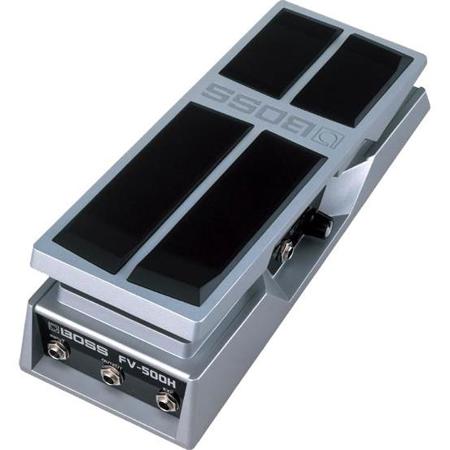
Phaser Pedals
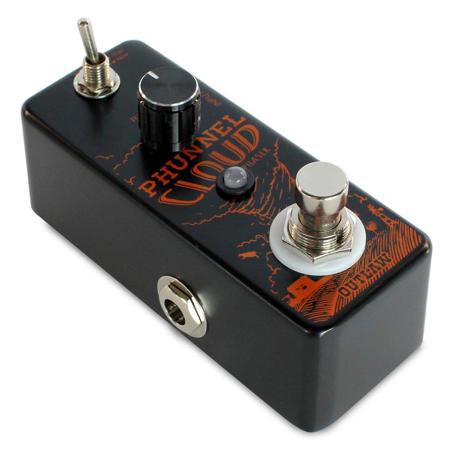
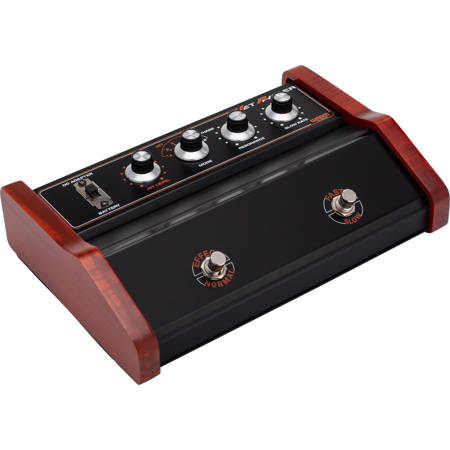
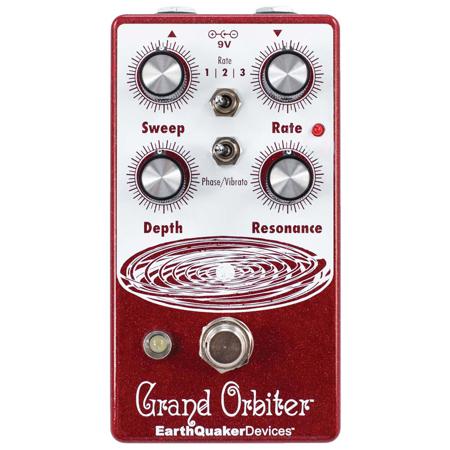
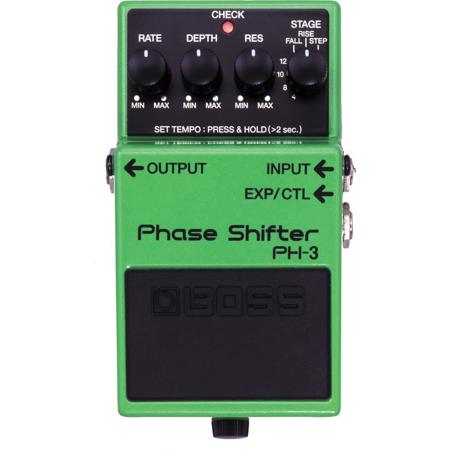
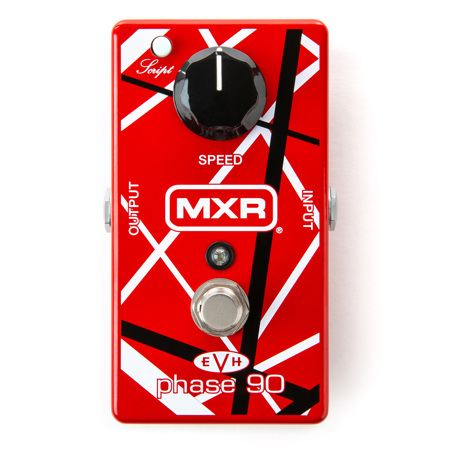
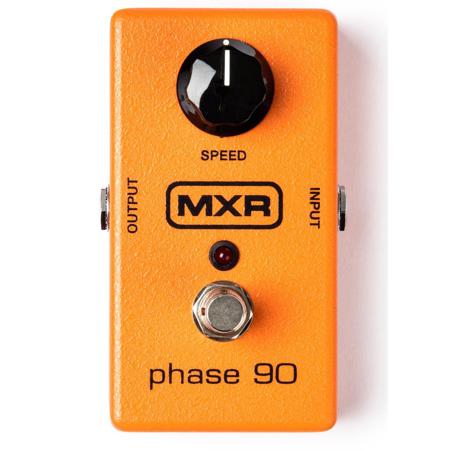
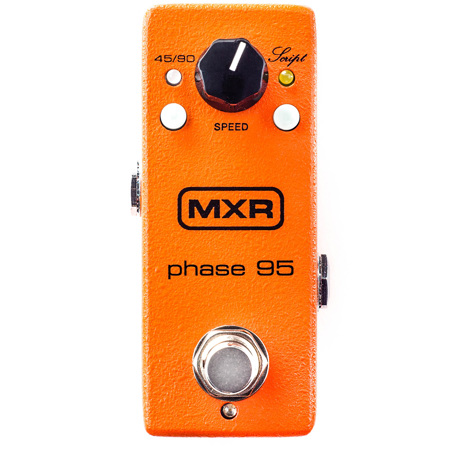
Phaser pedals have long held a special place in the world of effects, known for their ability to add swirling, dynamic movement to a guitar’s tone. Whether you’re a seasoned gigging musician or a home studio enthusiast, the lush, sweeping sounds of a phaser pedal can instantly transport your playing into new sonic territory. The appeal of phaser pedals lies in their versatility—capable of everything from subtle, watery shimmer to dramatic, jet-like sweeps. As the days grow longer and the music scene comes alive with outdoor performances, jam sessions, and creative projects, many players find themselves reaching for a phaser to add that unmistakable pulse to their sound. These pedals are not just for guitarists; bassists, keyboardists, and even vocalists can harness a phaser’s unique modulation to enrich their live sets or studio tracks. For those looking to surprise a musician friend or family member, a phaser pedal makes a thoughtful gift—especially for players who already have the basics covered and crave something to spark inspiration. The tactile nature of dialing in a phaser’s speed, depth, and resonance settings encourages experimentation, making it a rewarding addition to any pedalboard.
When considering a phaser pedal, it’s worth thinking about the nuances that set different models apart. Analog phasers are cherished for their warm, organic character, often delivering a classic, vintage swirl that sits beautifully in a mix. Digital phasers, on the other hand, offer expanded versatility, with features like multiple modulation modes, tap tempo, and expression pedal inputs for hands-free control. The number of stages in a phaser circuit—typically ranging from two to twelve—has a pronounced impact on the effect’s character. Fewer stages (like two or four) yield a smoother, more understated effect, while higher stage counts (such as eight or twelve) create a richer, more pronounced “chewiness” and depth. Some players love the simplicity of a single speed knob, while others appreciate advanced controls for feedback, waveform selection, or blend, allowing for precise tailoring of the phaser’s response. Placement in your signal chain also matters; running a phaser before overdrive results in a focused, almost vocal modulation, while placing it after distortion produces a broader, more expansive wash. Many musicians enjoy experimenting with different placements to find the sweet spot that complements their style.
Phaser pedals are a staple not only for classic rock and funk but also for modern genres that thrive on creative sound design. From psychedelic textures to rhythmic pulses that cut through a band mix, these pedals inspire new approaches to songwriting and improvisation. As festival season unfolds and musicians gear up for late-night jams or recording sessions, adding a phaser pedal is a surefire way to inject character and movement into your sound. Whether you’re building your first pedalboard or expanding an established collection, there’s a phaser to suit every taste and budget. For those drawn to bold aesthetics, exploring options like Red Guitar Pedals can be a fun way to personalize your setup while discovering new effects. The right phaser pedal can become a creative catalyst, inspiring fresh riffs, solos, and soundscapes—making it a timeless choice for musicians looking to evolve their tone across seasons.
When considering a phaser pedal, it’s worth thinking about the nuances that set different models apart. Analog phasers are cherished for their warm, organic character, often delivering a classic, vintage swirl that sits beautifully in a mix. Digital phasers, on the other hand, offer expanded versatility, with features like multiple modulation modes, tap tempo, and expression pedal inputs for hands-free control. The number of stages in a phaser circuit—typically ranging from two to twelve—has a pronounced impact on the effect’s character. Fewer stages (like two or four) yield a smoother, more understated effect, while higher stage counts (such as eight or twelve) create a richer, more pronounced “chewiness” and depth. Some players love the simplicity of a single speed knob, while others appreciate advanced controls for feedback, waveform selection, or blend, allowing for precise tailoring of the phaser’s response. Placement in your signal chain also matters; running a phaser before overdrive results in a focused, almost vocal modulation, while placing it after distortion produces a broader, more expansive wash. Many musicians enjoy experimenting with different placements to find the sweet spot that complements their style.
Phaser pedals are a staple not only for classic rock and funk but also for modern genres that thrive on creative sound design. From psychedelic textures to rhythmic pulses that cut through a band mix, these pedals inspire new approaches to songwriting and improvisation. As festival season unfolds and musicians gear up for late-night jams or recording sessions, adding a phaser pedal is a surefire way to inject character and movement into your sound. Whether you’re building your first pedalboard or expanding an established collection, there’s a phaser to suit every taste and budget. For those drawn to bold aesthetics, exploring options like Red Guitar Pedals can be a fun way to personalize your setup while discovering new effects. The right phaser pedal can become a creative catalyst, inspiring fresh riffs, solos, and soundscapes—making it a timeless choice for musicians looking to evolve their tone across seasons.