Octave Pedals
Octave pedals have long held a special place in the world of guitar and bass effects, offering musicians a powerful tool to reshape their sound and expand creative possibilities. Whether you’re a seasoned session player, a gigging musician, or an adventurous hobbyist exploring new sonic landscapes, octave pedals provide a unique way to thicken riffs, add harmonic complexity, or even emulate bass or synth textures. As winter settles in and inspiration often strikes during quiet, indoor sessions, many players find themselves reaching for octave pedals to experiment with layering and to break out of creative ruts. The rich, sub-octave tones can add warmth and depth to your playing, while higher octave settings cut through the mix with clarity—perfect for crafting memorable lead lines or atmospheric soundscapes. For those who enjoy composing or recording at home, octave pedals can transform a single instrument into a full, multi-layered arrangement, making them invaluable for solo artists and producers alike.
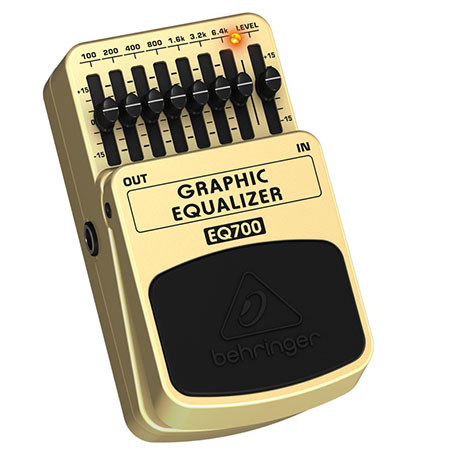
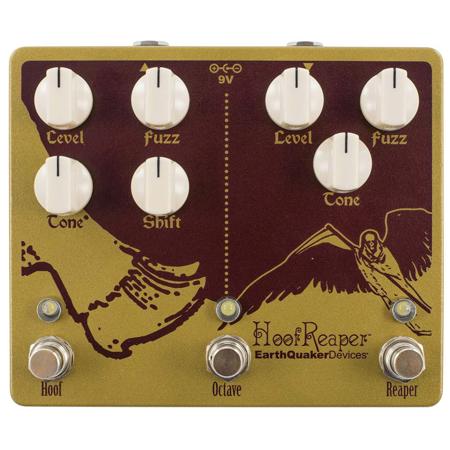
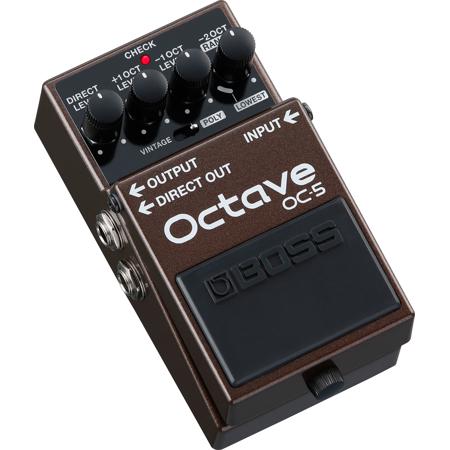
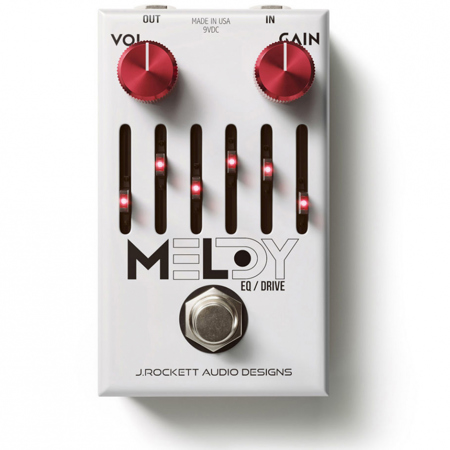
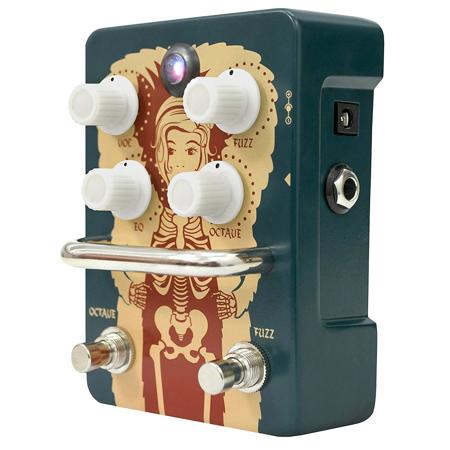
When considering which octave pedal to add to your setup, it’s important to think about how you’ll use it and what features matter most to you. Some players favor analog pedals for their organic, warm tracking, while others appreciate the precision and versatility of digital models that offer polyphonic capabilities and extensive tweakability. If you’re shopping for a gift, octave pedals are a thoughtful choice for guitarists and bassists of all skill levels, especially during the colder months when musicians often spend more time indoors refining their craft. They’re a fantastic addition to any pedalboard, whether for someone just starting to build their effects chain or a veteran looking to unlock new tones. Many modern octave pedals also include additional controls such as blend, tone shaping, or even built-in fuzz, allowing for a wide palette of sounds—from subtle doubling to wild, synth-like textures. It’s worth considering how the pedal will interact with other effects; for example, pairing an octave pedal with a distortion or fuzz can yield classic, thickened tones, while combining it with a Graphic Equalizer Pedals can help you carve out space in the mix and fine-tune your overall sound.
Octave pedals are not just for guitarists—bassists, keyboardists, and even vocalists have found creative uses for these versatile effects. In live settings, an octave pedal can help a solo performer fill out the low end or add shimmering highs, making a small ensemble sound much larger. Producers and sound designers often use octave effects to create unique textures in film scores, electronic music, or experimental genres. The intuitive controls make it easy to dial in everything from subtle enhancements to bold, transformative effects, and many modern pedals are compact enough to fit on even the most crowded pedalboards. As you explore the possibilities, you’ll discover that octave pedals can inspire new playing techniques and songwriting ideas, whether you’re practicing in the comfort of your home studio or preparing for your next performance. With so many creative applications and user-friendly features, an octave pedal is a smart investment for any musician looking to broaden their sonic horizons or give a truly memorable gift this season.
When considering which octave pedal to add to your setup, it’s important to think about how you’ll use it and what features matter most to you. Some players favor analog pedals for their organic, warm tracking, while others appreciate the precision and versatility of digital models that offer polyphonic capabilities and extensive tweakability. If you’re shopping for a gift, octave pedals are a thoughtful choice for guitarists and bassists of all skill levels, especially during the colder months when musicians often spend more time indoors refining their craft. They’re a fantastic addition to any pedalboard, whether for someone just starting to build their effects chain or a veteran looking to unlock new tones. Many modern octave pedals also include additional controls such as blend, tone shaping, or even built-in fuzz, allowing for a wide palette of sounds—from subtle doubling to wild, synth-like textures. It’s worth considering how the pedal will interact with other effects; for example, pairing an octave pedal with a distortion or fuzz can yield classic, thickened tones, while combining it with a Graphic Equalizer Pedals can help you carve out space in the mix and fine-tune your overall sound.
Octave pedals are not just for guitarists—bassists, keyboardists, and even vocalists have found creative uses for these versatile effects. In live settings, an octave pedal can help a solo performer fill out the low end or add shimmering highs, making a small ensemble sound much larger. Producers and sound designers often use octave effects to create unique textures in film scores, electronic music, or experimental genres. The intuitive controls make it easy to dial in everything from subtle enhancements to bold, transformative effects, and many modern pedals are compact enough to fit on even the most crowded pedalboards. As you explore the possibilities, you’ll discover that octave pedals can inspire new playing techniques and songwriting ideas, whether you’re practicing in the comfort of your home studio or preparing for your next performance. With so many creative applications and user-friendly features, an octave pedal is a smart investment for any musician looking to broaden their sonic horizons or give a truly memorable gift this season.