
Piano Teaching Software
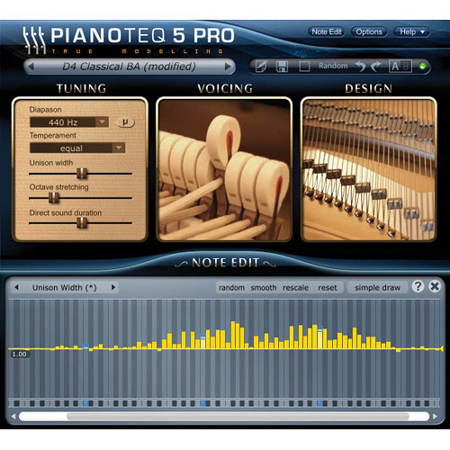
Piano teaching software has transformed the way musicians of all ages and skill levels approach learning the piano, offering a flexible, interactive, and highly personalized alternative to traditional lessons. Whether you’re a complete beginner eager to play your first melody or an experienced pianist striving to master advanced techniques, these programs provide a comprehensive suite of features designed to support your musical journey at home. Many flexible piano programs for home use combine step-by-step video tutorials, real-time feedback, and interactive exercises, allowing users to progress at their own pace. These platforms often include vast song libraries, covering everything from classical masterpieces to contemporary hits, so you can practice pieces that genuinely inspire you. For families, piano teaching software makes it easy for children and adults to share a single digital setup, tracking individual progress and achievements. The winter months, with their longer evenings and cozy indoor hours, are an ideal time to dedicate yourself to learning or refining your piano skills, turning practice into a rewarding part of your daily routine.
For educators and students alike, piano teaching software offers a powerful set of tools to enhance the learning process. Teachers can assign specific lessons, monitor students’ progress remotely, and even provide customized feedback, making these programs a valuable resource for both in-person and virtual instruction. The ability to slow down difficult passages, loop challenging sections, or isolate left and right hand parts empowers learners to tackle complex compositions efficiently. Many programs support MIDI and USB connectivity, enabling direct integration with digital pianos for precise, lag-free feedback. This technology is especially beneficial for those preparing for recitals, exams, or auditions, as it provides detailed analytics on speed, accuracy, and consistency. Gift-givers will find that piano teaching software makes a thoughtful present for aspiring musicians, students returning to the instrument after a break, or anyone looking to enrich their lives with music. The intuitive interfaces and engaging lesson formats ensure that even those with no prior experience can start making music from day one, while advanced users can dive into specialized modules for improvisation, sight-reading, or genre-specific styles.
Choosing the right piano teaching software depends on your learning goals, preferred musical genres, and the features that matter most to you. Some platforms are tailored for beginners, focusing on building a strong foundation in rhythm, chords, and basic theory, while others cater to advanced players seeking rigorous practice tools and in-depth repertoire. Many programs offer free trials or tiered subscriptions, making it easy to explore different options before committing. When selecting software, consider compatibility with your instrument—whether you’re using an acoustic piano, a digital keyboard, or a MIDI controller—as well as the availability of progress tracking and support for multiple users. For those interested in expanding their musical toolkit, exploring related options such as Virtual Piano Software can open up even more possibilities for creative practice and performance. With the right setup, piano teaching software becomes a lifelong companion, adapting to your evolving skills and musical interests, and making the joy of piano playing accessible anytime, anywhere.
For educators and students alike, piano teaching software offers a powerful set of tools to enhance the learning process. Teachers can assign specific lessons, monitor students’ progress remotely, and even provide customized feedback, making these programs a valuable resource for both in-person and virtual instruction. The ability to slow down difficult passages, loop challenging sections, or isolate left and right hand parts empowers learners to tackle complex compositions efficiently. Many programs support MIDI and USB connectivity, enabling direct integration with digital pianos for precise, lag-free feedback. This technology is especially beneficial for those preparing for recitals, exams, or auditions, as it provides detailed analytics on speed, accuracy, and consistency. Gift-givers will find that piano teaching software makes a thoughtful present for aspiring musicians, students returning to the instrument after a break, or anyone looking to enrich their lives with music. The intuitive interfaces and engaging lesson formats ensure that even those with no prior experience can start making music from day one, while advanced users can dive into specialized modules for improvisation, sight-reading, or genre-specific styles.
Choosing the right piano teaching software depends on your learning goals, preferred musical genres, and the features that matter most to you. Some platforms are tailored for beginners, focusing on building a strong foundation in rhythm, chords, and basic theory, while others cater to advanced players seeking rigorous practice tools and in-depth repertoire. Many programs offer free trials or tiered subscriptions, making it easy to explore different options before committing. When selecting software, consider compatibility with your instrument—whether you’re using an acoustic piano, a digital keyboard, or a MIDI controller—as well as the availability of progress tracking and support for multiple users. For those interested in expanding their musical toolkit, exploring related options such as Virtual Piano Software can open up even more possibilities for creative practice and performance. With the right setup, piano teaching software becomes a lifelong companion, adapting to your evolving skills and musical interests, and making the joy of piano playing accessible anytime, anywhere.