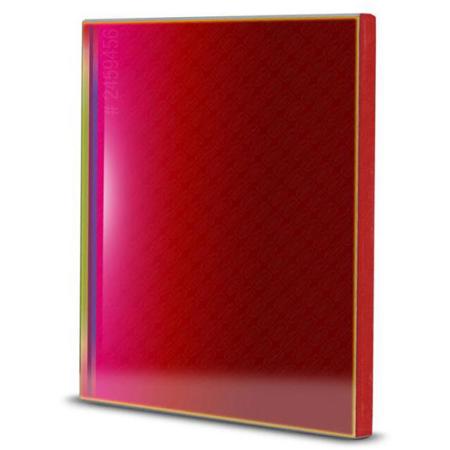
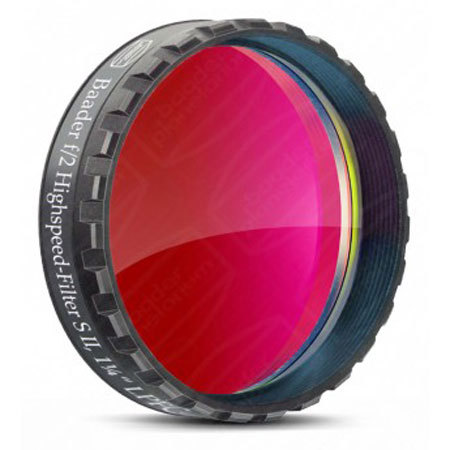
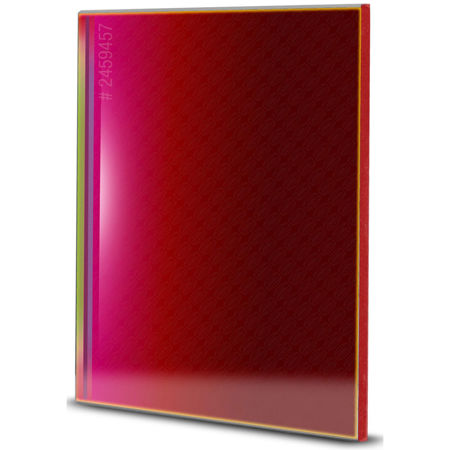
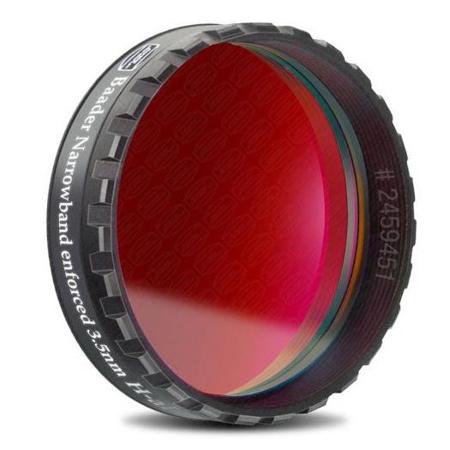
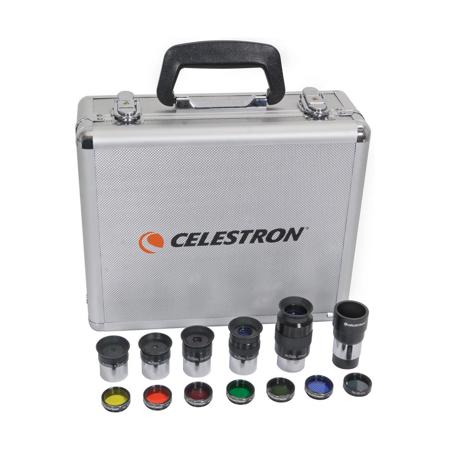
Planetary Filters
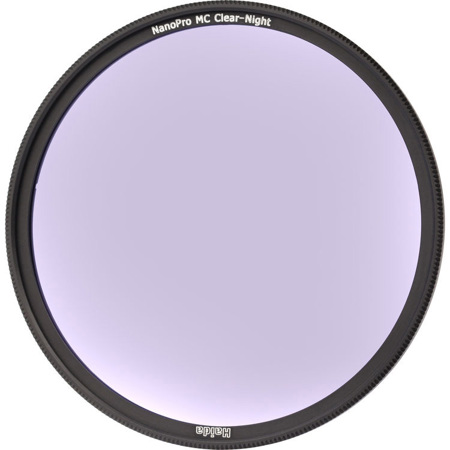
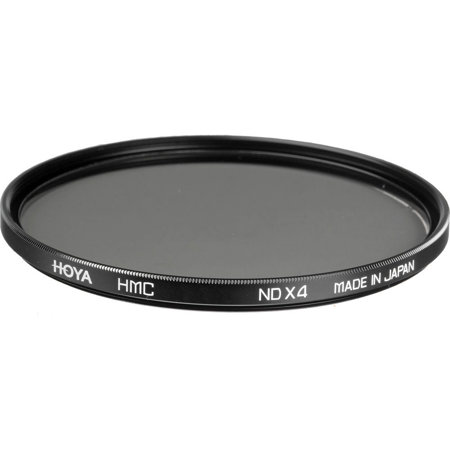
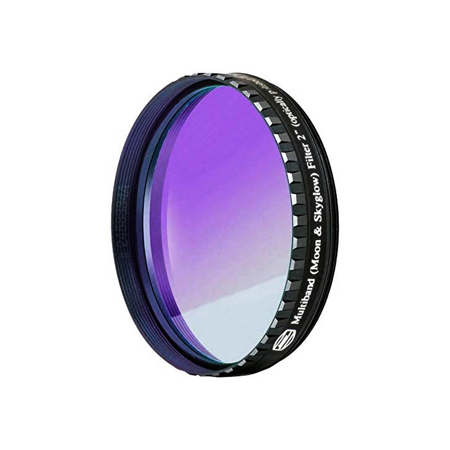
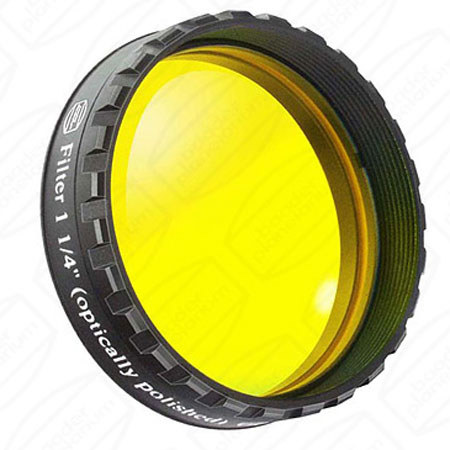
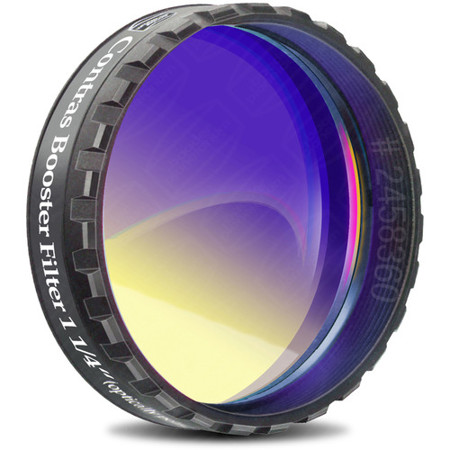
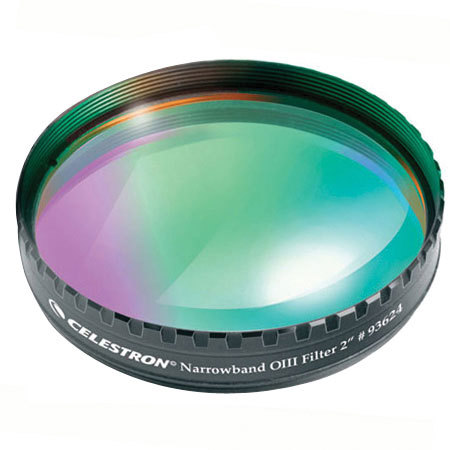
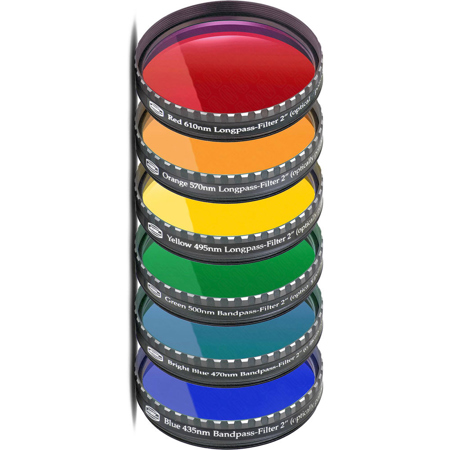
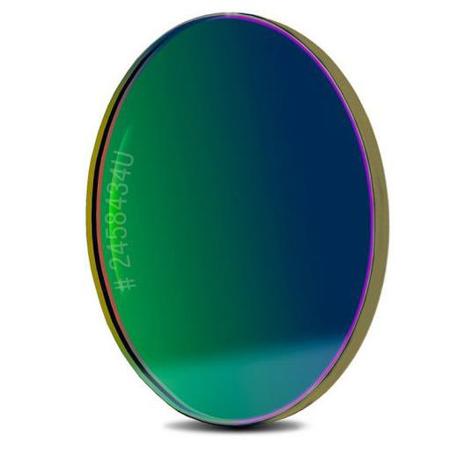
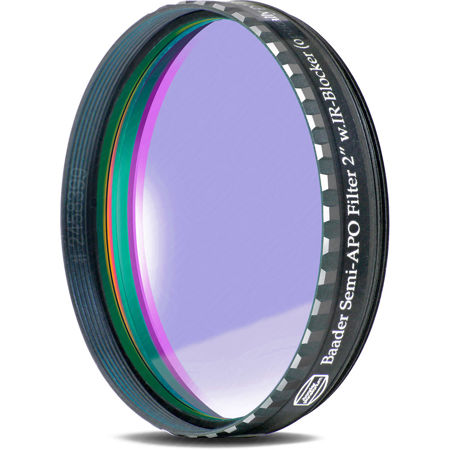
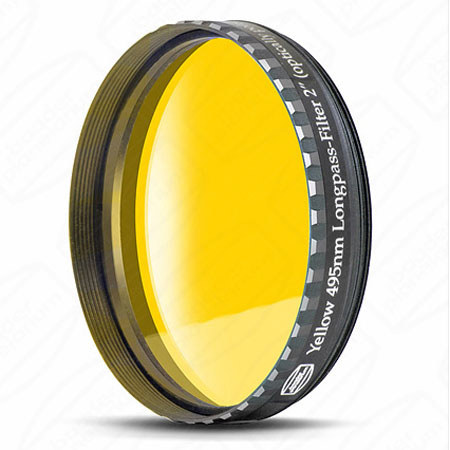
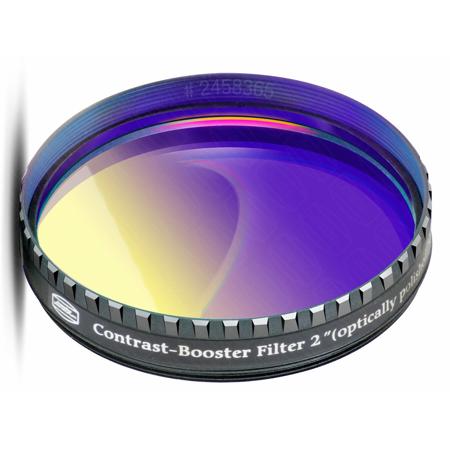
Exploring the night sky is a captivating journey, and planetary filters are essential tools for anyone eager to see the solar system’s wonders in greater detail. Whether you’re a seasoned astronomer or a hobbyist setting up your first telescope, the right filter can transform your viewing experience. Planetary filters are designed to enhance contrast, reduce glare, and reveal subtle features on planets that would otherwise be washed out by atmospheric turbulence or the overwhelming brightness of certain wavelengths. Think of those crisp winter nights in January, when the air is cold and still—ideal conditions for planetary observation. With a good filter, the belts of Jupiter appear more pronounced, Saturn’s rings gain definition, and the polar ice caps of Mars stand out starkly against its rusty surface. These filters come in a variety of colors and densities, each tailored to bring out specific planetary details, such as the blue clouds of Neptune or the volcanic plains of Venus. For those who enjoy sketching or photographing their observations, filters are invaluable, helping to capture images that are as close as possible to what the naked eye can see through the eyepiece.
Planetary filters make thoughtful gifts for astronomy enthusiasts of all ages, from students just beginning their exploration of the cosmos to experienced stargazers looking to refine their equipment. They’re especially appreciated during the winter months, when long nights offer extended opportunities for observation. If you know someone who eagerly anticipates planetary alignments or spends hours charting the movements of celestial bodies, a carefully chosen filter can open up new vistas for their hobby. Filters are also popular among families who enjoy stargazing together, as they make it easier for everyone to appreciate the intricate details of the planets. When selecting a planetary filter, consider the aperture and focal length of your telescope, as well as the specific planets you’re most interested in observing. Some filters are optimized for particular features—such as the Great Red Spot on Jupiter or the cloud bands of Saturn—while others provide more general enhancements across a range of targets. Durability, ease of attachment, and compatibility with your existing gear are also important factors, especially if you plan to use your filters in the field or share them among different telescopes.
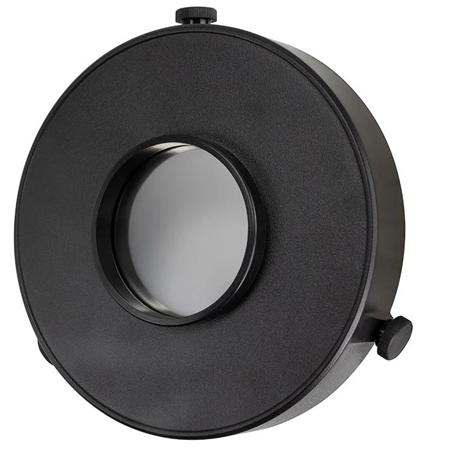
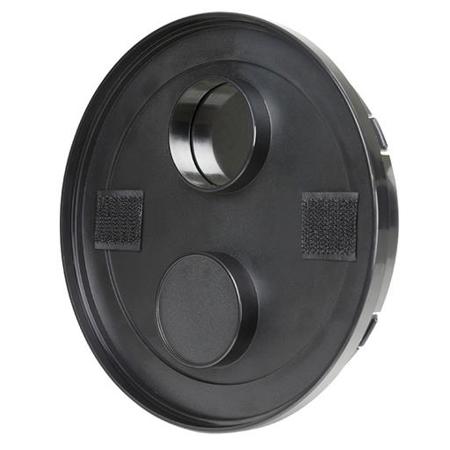
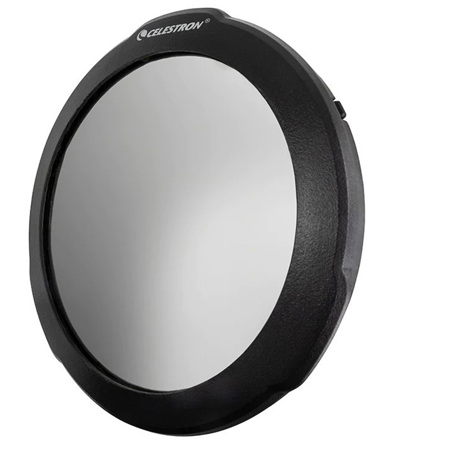
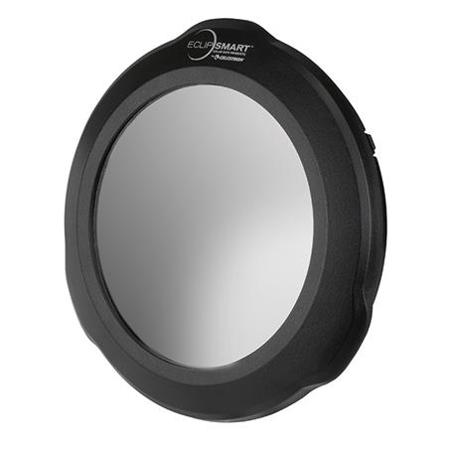
As you expand your collection of astronomical accessories, it’s worth considering how planetary filters can complement other specialized tools. For instance, if you’re planning to observe a solar eclipse or track the changing phases of the Moon, you may also want to explore dedicated Eclipse Filters for safe and detailed solar viewing. The right combination of filters allows you to tailor your setup to the unique conditions of each night—whether you’re braving the crisp January air for a glimpse of Mars at opposition or setting up for a family night under the stars. The joy of planetary observation lies in the details: the subtle shadings, fleeting storms, and delicate rings that reveal themselves only to those who look a little closer. With the right filter in place, your telescope becomes a window to these distant worlds, bringing the marvels of our solar system into sharp, vivid focus.
Planetary filters make thoughtful gifts for astronomy enthusiasts of all ages, from students just beginning their exploration of the cosmos to experienced stargazers looking to refine their equipment. They’re especially appreciated during the winter months, when long nights offer extended opportunities for observation. If you know someone who eagerly anticipates planetary alignments or spends hours charting the movements of celestial bodies, a carefully chosen filter can open up new vistas for their hobby. Filters are also popular among families who enjoy stargazing together, as they make it easier for everyone to appreciate the intricate details of the planets. When selecting a planetary filter, consider the aperture and focal length of your telescope, as well as the specific planets you’re most interested in observing. Some filters are optimized for particular features—such as the Great Red Spot on Jupiter or the cloud bands of Saturn—while others provide more general enhancements across a range of targets. Durability, ease of attachment, and compatibility with your existing gear are also important factors, especially if you plan to use your filters in the field or share them among different telescopes.
As you expand your collection of astronomical accessories, it’s worth considering how planetary filters can complement other specialized tools. For instance, if you’re planning to observe a solar eclipse or track the changing phases of the Moon, you may also want to explore dedicated Eclipse Filters for safe and detailed solar viewing. The right combination of filters allows you to tailor your setup to the unique conditions of each night—whether you’re braving the crisp January air for a glimpse of Mars at opposition or setting up for a family night under the stars. The joy of planetary observation lies in the details: the subtle shadings, fleeting storms, and delicate rings that reveal themselves only to those who look a little closer. With the right filter in place, your telescope becomes a window to these distant worlds, bringing the marvels of our solar system into sharp, vivid focus.