
Power Cords For Desktop Computers
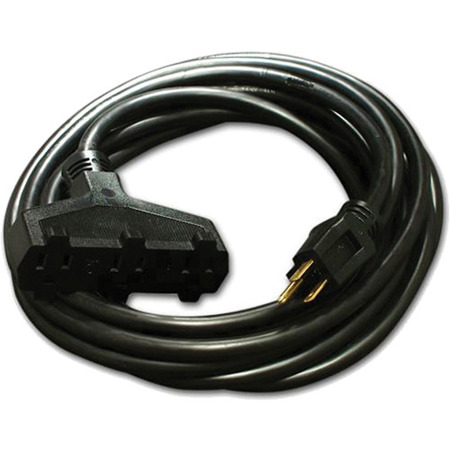
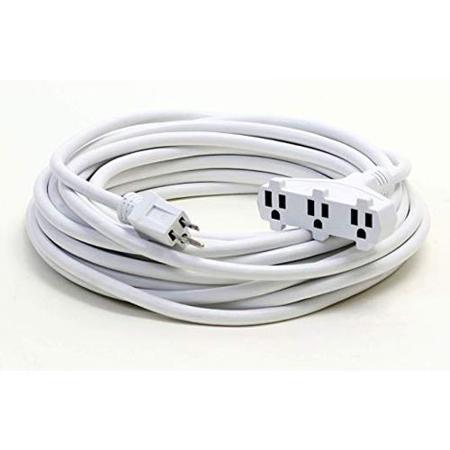
A reliable computer power cord is an essential component for anyone working with desktop computers, whether in a bustling office, a creative studio, or a home workspace. As the pace of life shifts from the energetic buzz of early summer through the more settled routines of early fall, many find themselves reorganizing their workstations, upgrading their setups, or preparing for back-to-school and back-to-work transitions. During these times, the importance of a dependable connection between your PC and its power source becomes especially clear. A high-quality pc power cord ensures consistent performance, reduces the risk of unexpected shutdowns, and protects valuable equipment from power surges or electrical inconsistencies. For IT professionals maintaining a fleet of computers, educators setting up classroom labs, or gamers assembling their ideal rigs, choosing the right computer cord is a foundational step. Even in creative environments—where photographers and video editors rely on desktop computers for intensive post-processing—having the right power cord can mean the difference between seamless productivity and frustrating interruptions.
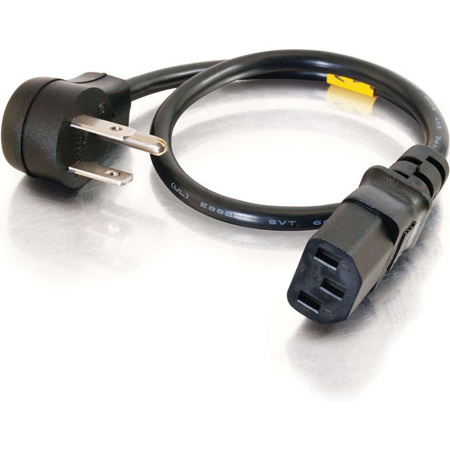
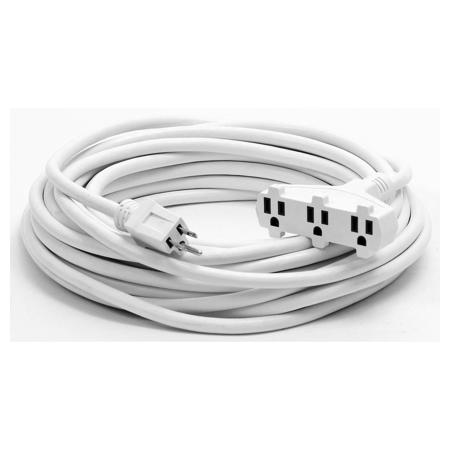
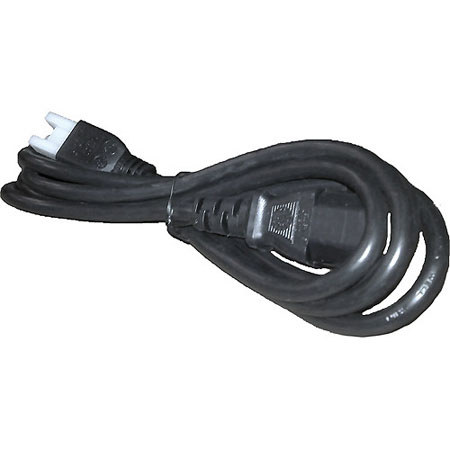
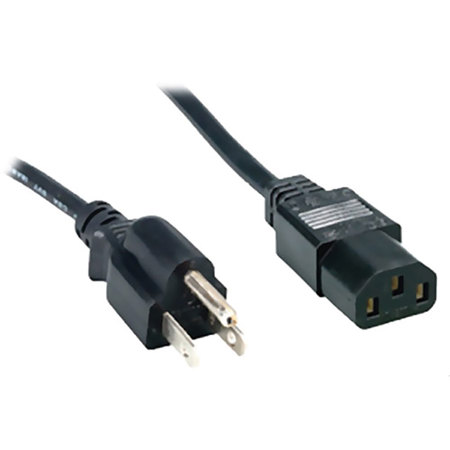
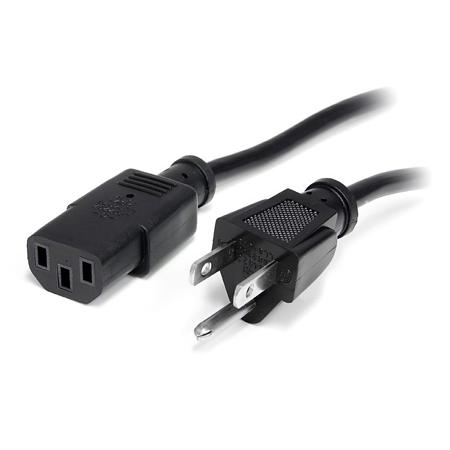
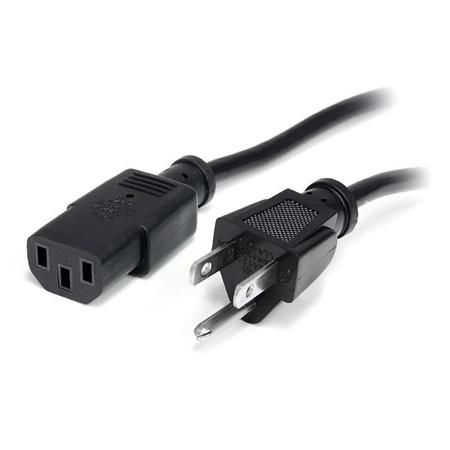
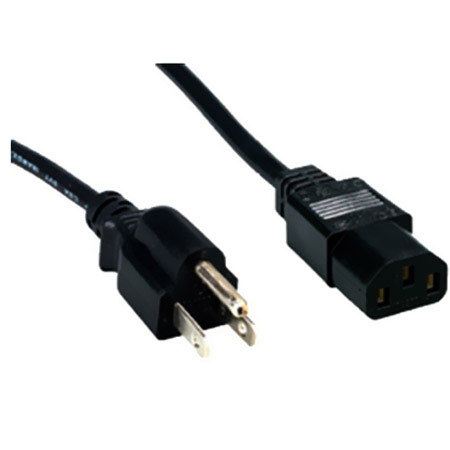
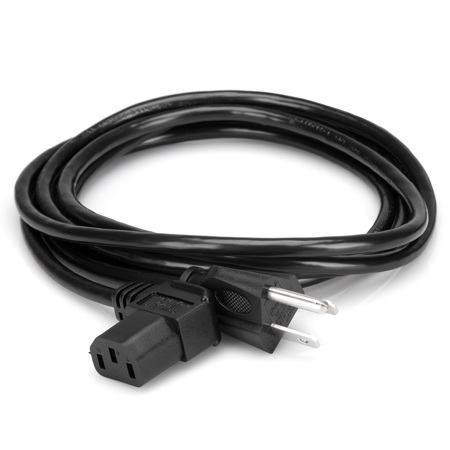
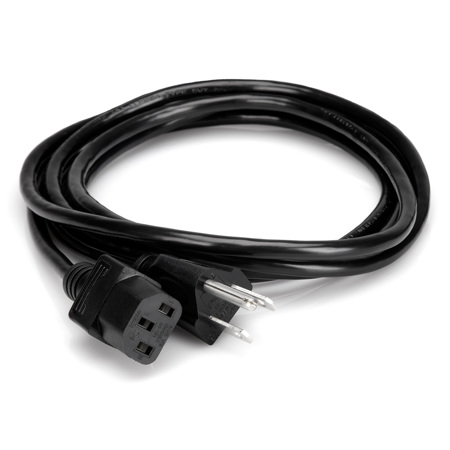
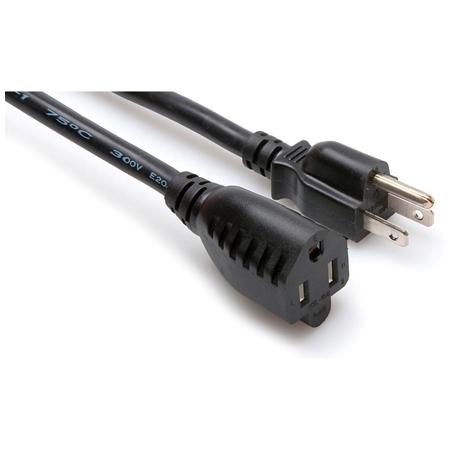
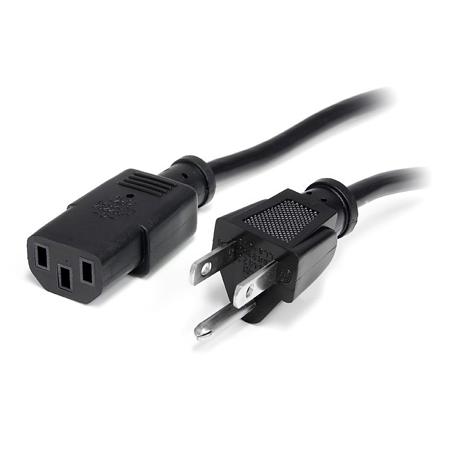
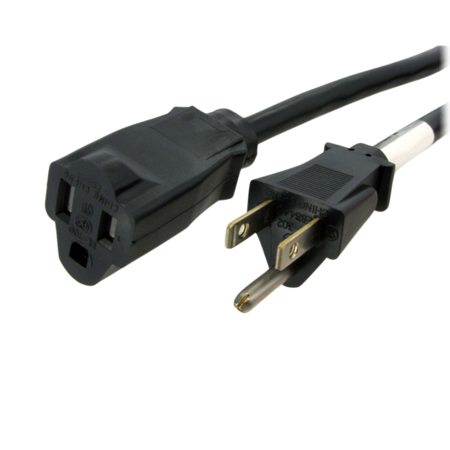
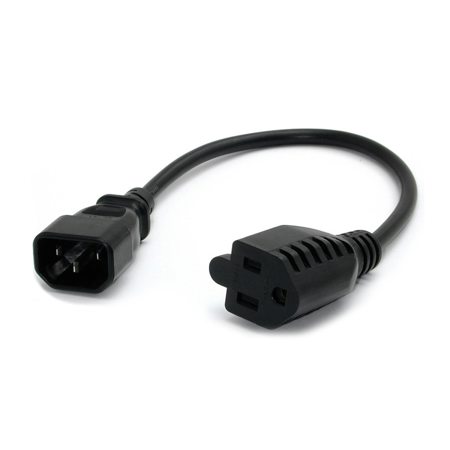
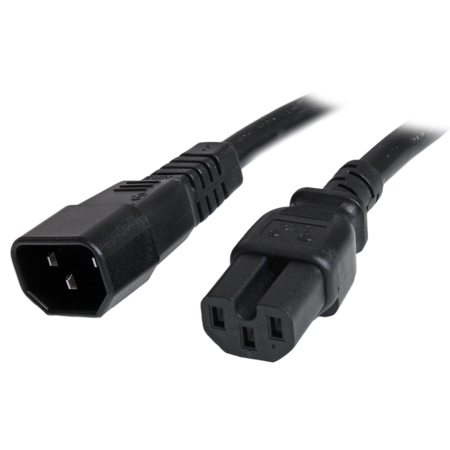
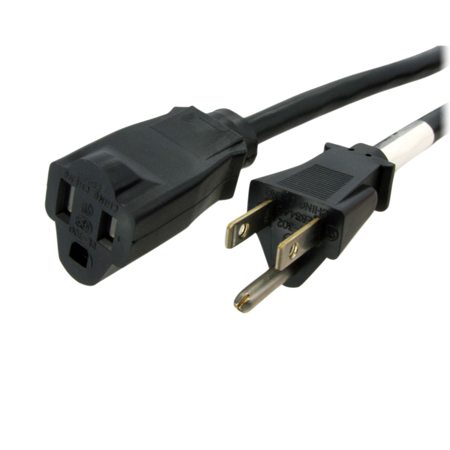
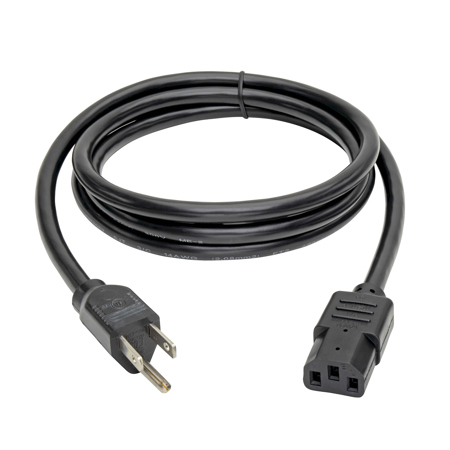
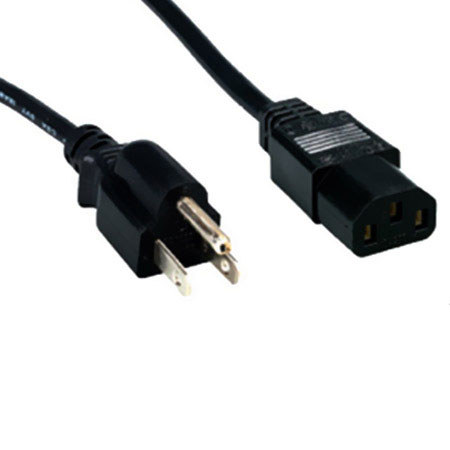
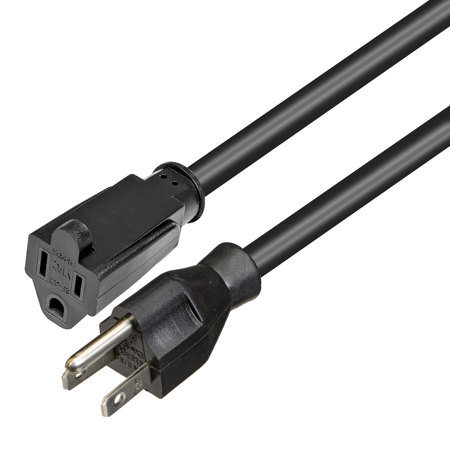
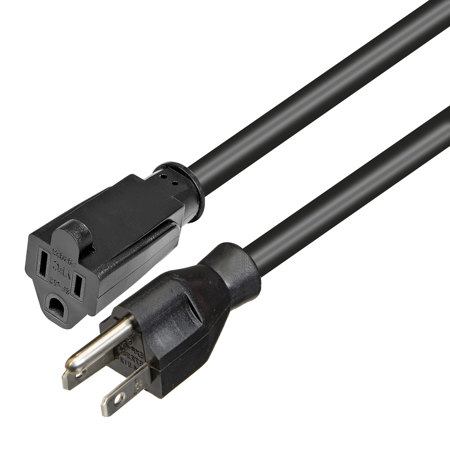
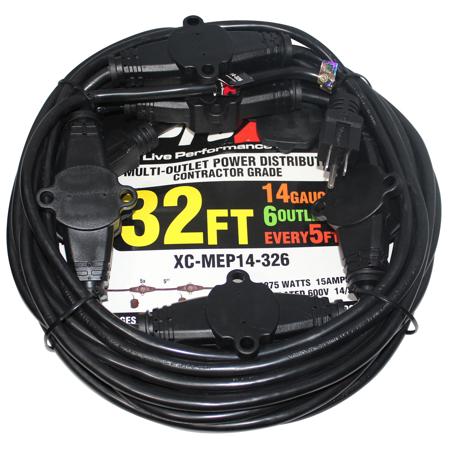
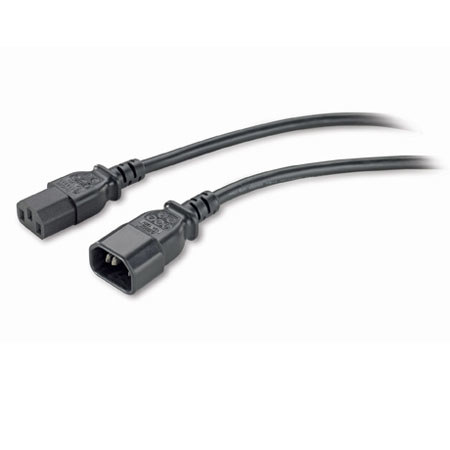
When selecting computer cords for desktop computers, it’s important to consider factors such as cord length, plug configuration, and compatibility with your specific devices. Many desktop PCs use a standard IEC cable, but there are variations in connector types and lengths to accommodate different setups, from compact desks to expansive workstations. As spaces are rearranged for a more comfortable summer workflow or to prepare for the cooler months ahead, the flexibility to place equipment exactly where it’s needed is invaluable. An appropriately sized computer power cord can help reduce clutter, prevent tripping hazards, and keep your workspace tidy and efficient. These cords also make practical gifts for students heading off to college, remote workers upgrading their home offices, or anyone who relies on a desktop computer for daily tasks. Gifting a quality pc power cord or spare computer cords can be a thoughtful gesture, ensuring that friends and family stay powered up and productive throughout the season.
Beyond desktop computers, many users require compatible power solutions for a range of electronics. If your setup includes multimedia devices, consider exploring options like Power Cords For DVD Players to ensure every component stays connected and operational. Whether you’re setting up a new workstation, replacing a worn cord, or simply stocking up on reliable spares, investing in the right computer power cord is a small but vital step toward uninterrupted performance. With the right cords in place, you can focus on what matters most—whether that’s meeting deadlines, unleashing creativity, or enjoying digital entertainment—knowing your desktop computer and related devices are powered safely and efficiently through every season.
When selecting computer cords for desktop computers, it’s important to consider factors such as cord length, plug configuration, and compatibility with your specific devices. Many desktop PCs use a standard IEC cable, but there are variations in connector types and lengths to accommodate different setups, from compact desks to expansive workstations. As spaces are rearranged for a more comfortable summer workflow or to prepare for the cooler months ahead, the flexibility to place equipment exactly where it’s needed is invaluable. An appropriately sized computer power cord can help reduce clutter, prevent tripping hazards, and keep your workspace tidy and efficient. These cords also make practical gifts for students heading off to college, remote workers upgrading their home offices, or anyone who relies on a desktop computer for daily tasks. Gifting a quality pc power cord or spare computer cords can be a thoughtful gesture, ensuring that friends and family stay powered up and productive throughout the season.
Beyond desktop computers, many users require compatible power solutions for a range of electronics. If your setup includes multimedia devices, consider exploring options like Power Cords For DVD Players to ensure every component stays connected and operational. Whether you’re setting up a new workstation, replacing a worn cord, or simply stocking up on reliable spares, investing in the right computer power cord is a small but vital step toward uninterrupted performance. With the right cords in place, you can focus on what matters most—whether that’s meeting deadlines, unleashing creativity, or enjoying digital entertainment—knowing your desktop computer and related devices are powered safely and efficiently through every season.