Solar Filters for Astrophotography
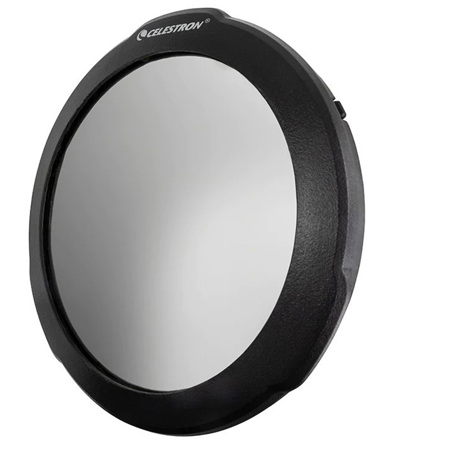
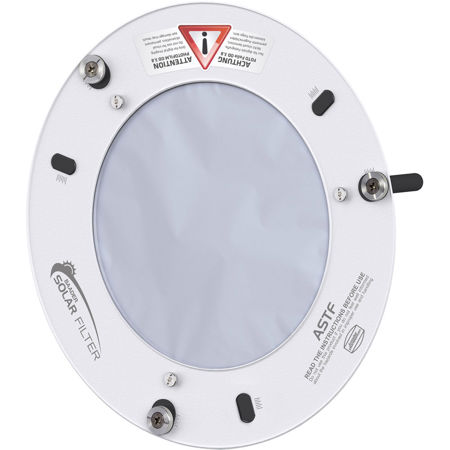
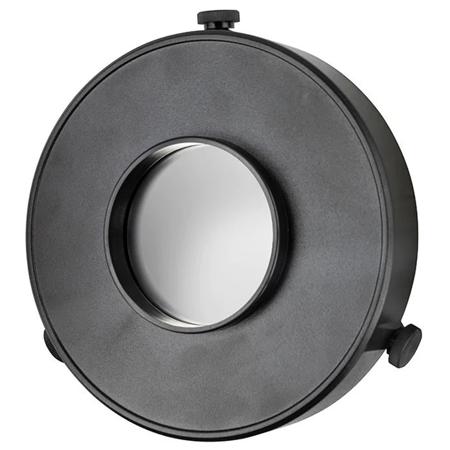
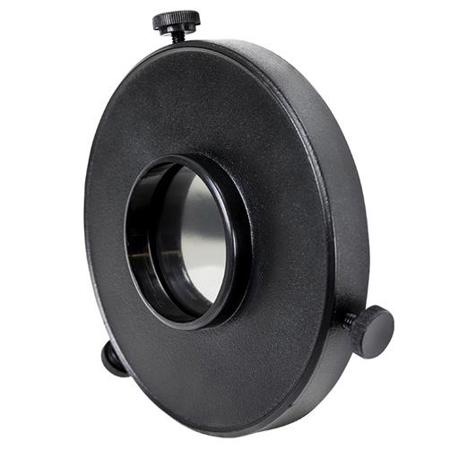
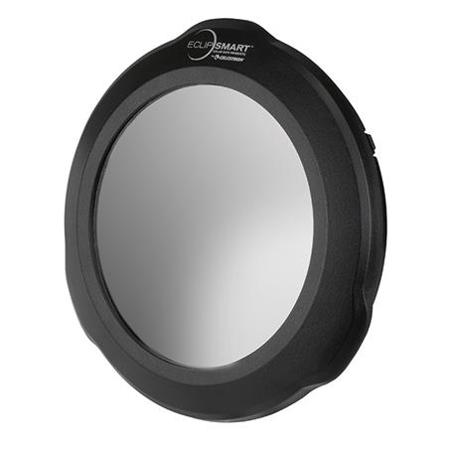
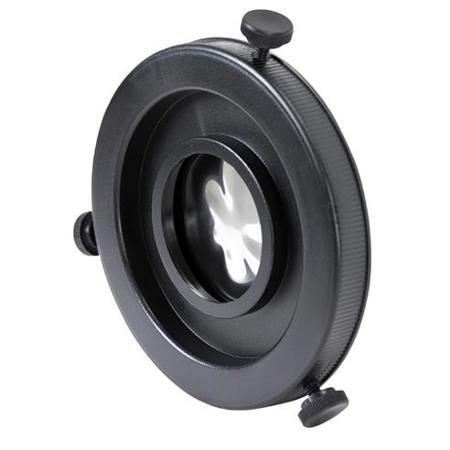
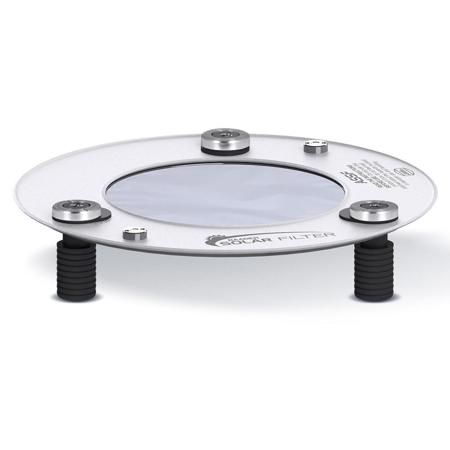
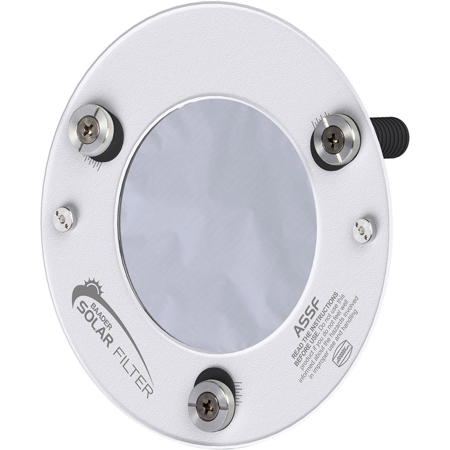
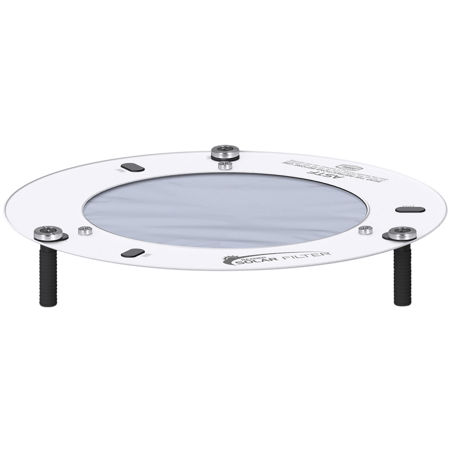
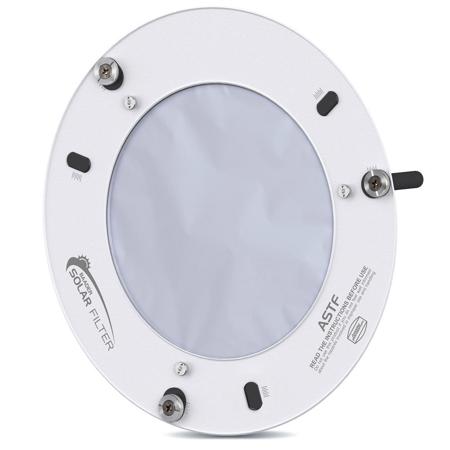
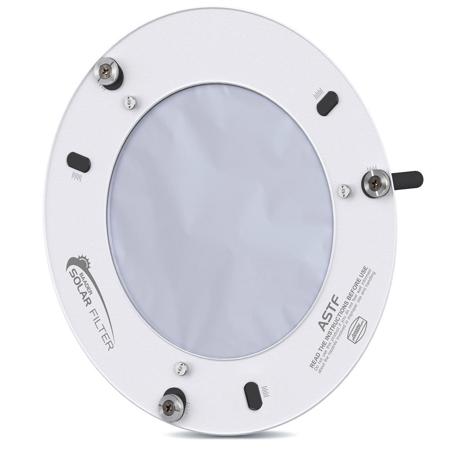
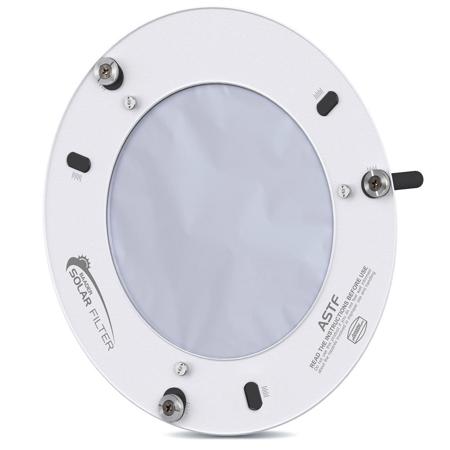
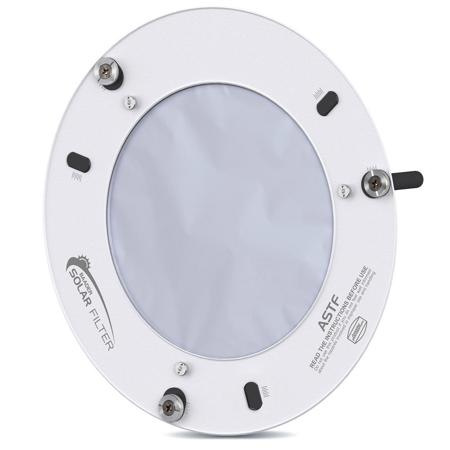
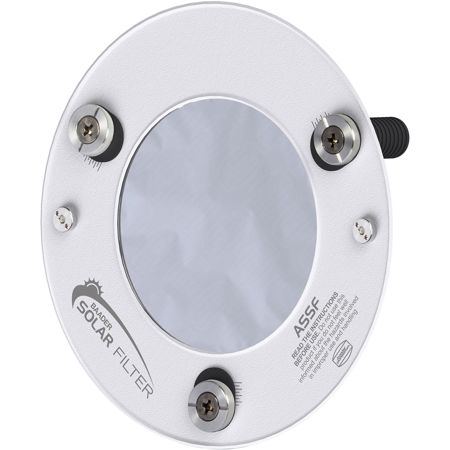
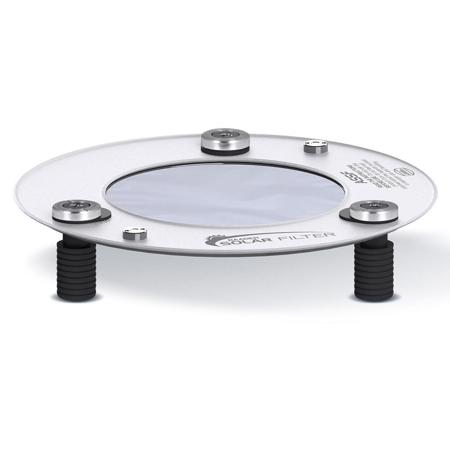
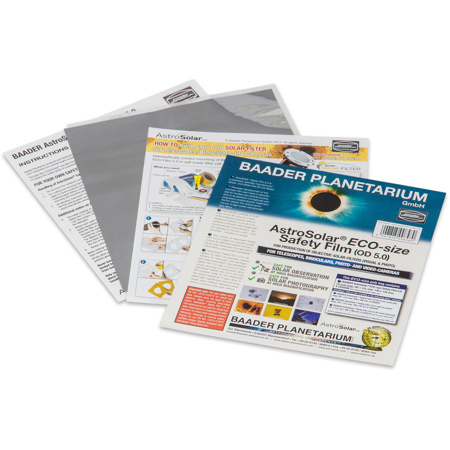
Astrophotography enthusiasts and solar observers alike know that capturing the sun’s dramatic features—whether it’s a crisp sunspot, the delicate texture of solar granulation, or the ethereal dance of prominences—demands specialized protection and precision. Solar filters for astrophotography are essential tools for anyone aiming to safely photograph the sun using a camera or telescope. These filters are engineered to block over 99.999% of the sun’s intense light, safeguarding both your vision and your sensitive equipment. The range of available solar filters caters to a spectrum of needs and experience levels, from casual hobbyists with DSLR cameras to dedicated astronomers using high-end refractors. White-light filters, crafted from polymer film or glass, are a popular choice for those interested in revealing sunspots and the sun’s sharp, granular surface in neutral tones. The tactile satisfaction of mounting a glass filter—knowing its scratch-resistant durability will last for years—contrasts with the feather-light flexibility of polymer film, which often provides slightly higher optical resolution. For those seeking to capture the sun’s most dynamic events, like solar flares or prominences, hydrogen-alpha (H-alpha) narrowband filters open a window into the sun’s active chromosphere, isolating a sliver of the light spectrum to reveal details invisible to the naked eye. These advanced filters are particularly prized by seasoned astrophotographers and are often paired with monochrome cameras and small refractor telescopes for the highest contrast and detail.
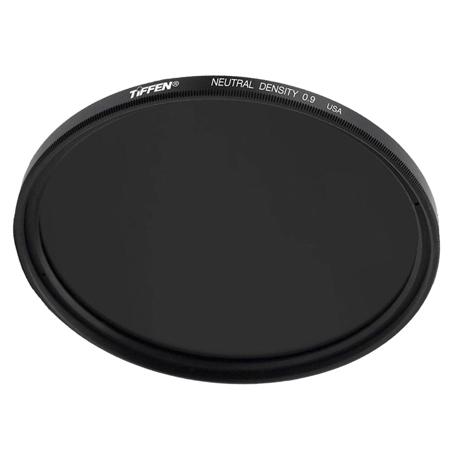
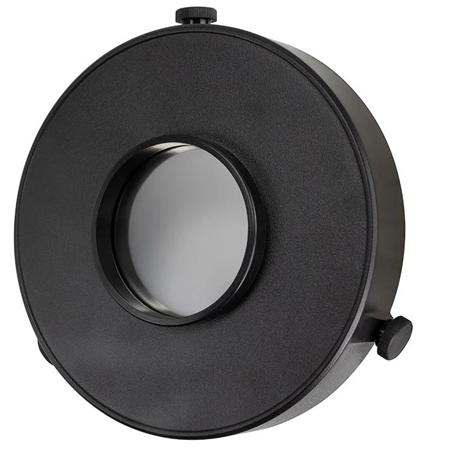
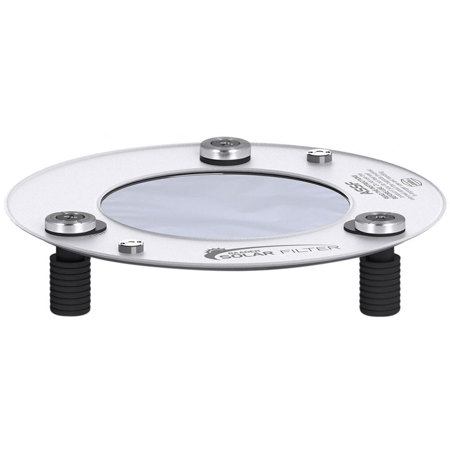
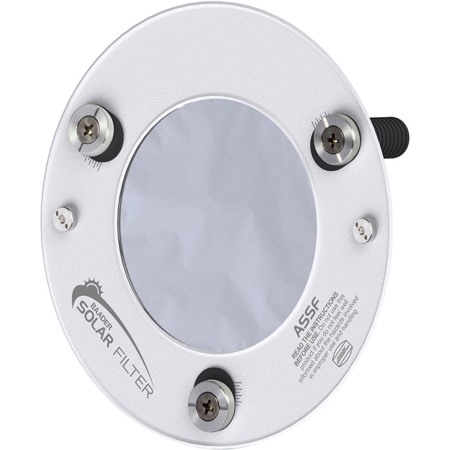
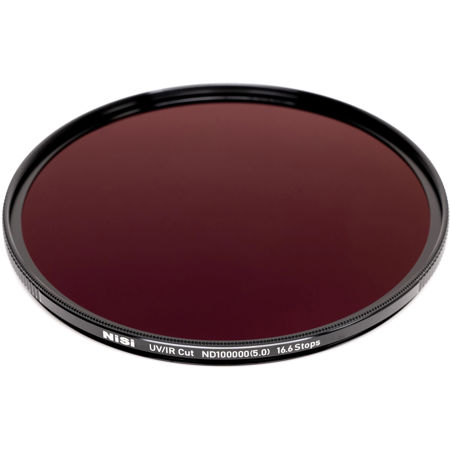
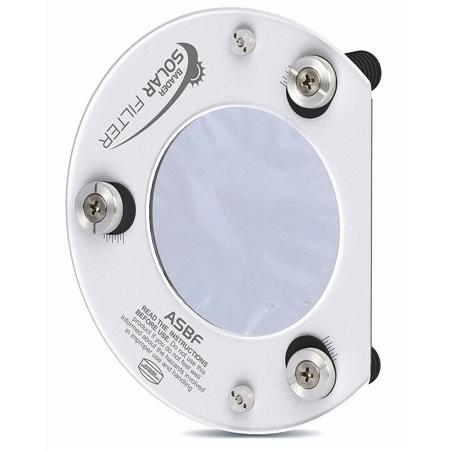
Selecting the right solar filter depends on your goals, your equipment, and the kind of solar phenomena you hope to capture. If you’re gifting a solar filter to a budding astronomer or a family member with a passion for photography, consider their current setup—some filters are designed to fit over the front of telescopes, while others are made for camera lenses or binoculars. Front-mounted filters are the gold standard for safety, ensuring that all sunlight is filtered before it enters the optical path, making them suitable for everyone from curious students to seasoned eclipse chasers. As the days grow longer or during the cooler months when the sun sits lower in the sky, solar observing can become a shared experience—setting up a telescope in the backyard, inviting friends or neighbors to peer safely at sunspots, or capturing time-lapse sequences of a partial eclipse. For those with refractor telescopes, Herschel wedges offer another layer of sophistication, redirecting excess solar energy and providing high-contrast, detailed views of the solar disk’s granulation. Meanwhile, photographers who prefer the flexibility of camera lenses can opt for high-density ND filters, which attach directly and are ideal for wide-field shots of the sun during partial phases or solarscapes.
Whether you’re preparing for an upcoming solar event, building out your astrophotography toolkit, or searching for a thoughtful gift, solar filters are a gateway to one of nature’s most awe-inspiring subjects. They make it possible to safely document the ever-changing face of the sun, from fleeting solar eclipses to the slow march of sunspots across its surface. If you’re interested in exploring a broader selection, including options specifically tailored for telescopes, visit our curated collection at Solar Eclipse Filters For Telescopes. With the right solar filter, every clear day becomes an opportunity to witness and record the sun’s power and beauty, creating images and memories that last long after the final frame is captured.
Selecting the right solar filter depends on your goals, your equipment, and the kind of solar phenomena you hope to capture. If you’re gifting a solar filter to a budding astronomer or a family member with a passion for photography, consider their current setup—some filters are designed to fit over the front of telescopes, while others are made for camera lenses or binoculars. Front-mounted filters are the gold standard for safety, ensuring that all sunlight is filtered before it enters the optical path, making them suitable for everyone from curious students to seasoned eclipse chasers. As the days grow longer or during the cooler months when the sun sits lower in the sky, solar observing can become a shared experience—setting up a telescope in the backyard, inviting friends or neighbors to peer safely at sunspots, or capturing time-lapse sequences of a partial eclipse. For those with refractor telescopes, Herschel wedges offer another layer of sophistication, redirecting excess solar energy and providing high-contrast, detailed views of the solar disk’s granulation. Meanwhile, photographers who prefer the flexibility of camera lenses can opt for high-density ND filters, which attach directly and are ideal for wide-field shots of the sun during partial phases or solarscapes.
Whether you’re preparing for an upcoming solar event, building out your astrophotography toolkit, or searching for a thoughtful gift, solar filters are a gateway to one of nature’s most awe-inspiring subjects. They make it possible to safely document the ever-changing face of the sun, from fleeting solar eclipses to the slow march of sunspots across its surface. If you’re interested in exploring a broader selection, including options specifically tailored for telescopes, visit our curated collection at Solar Eclipse Filters For Telescopes. With the right solar filter, every clear day becomes an opportunity to witness and record the sun’s power and beauty, creating images and memories that last long after the final frame is captured.