ST Connectors
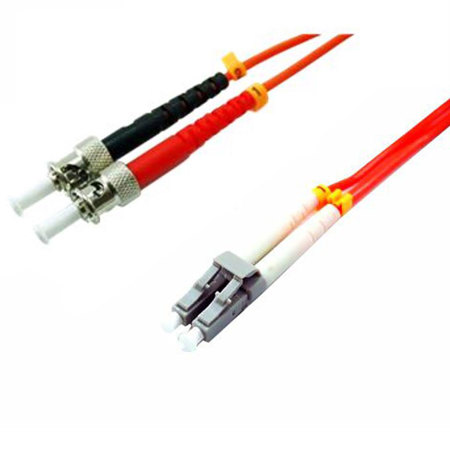
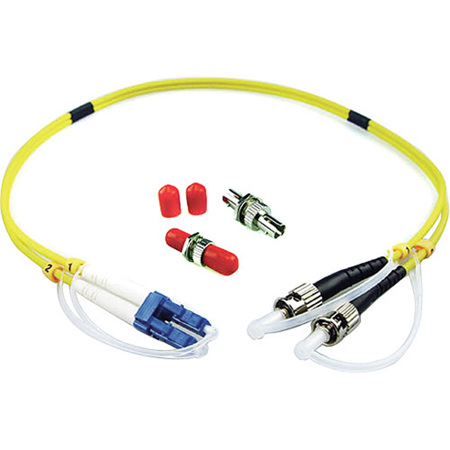
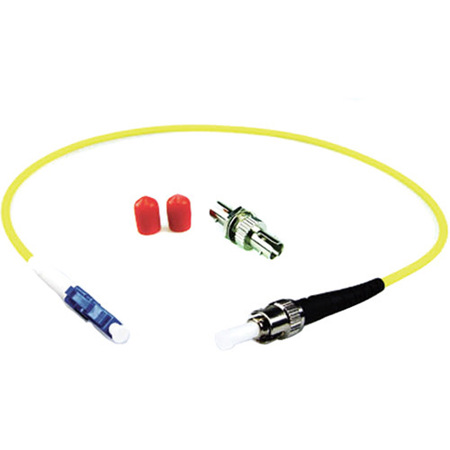
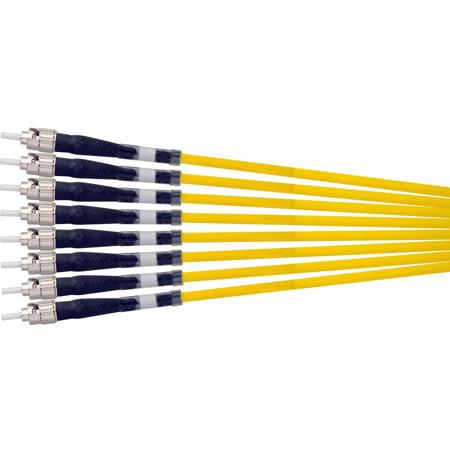
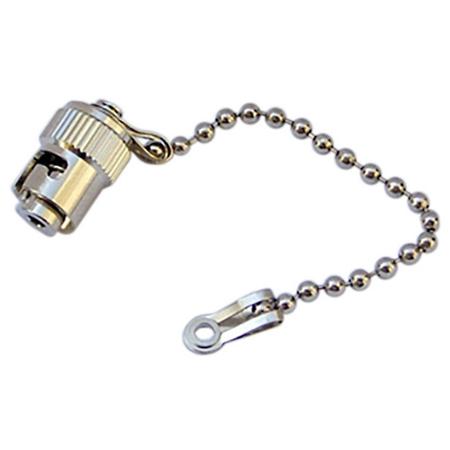
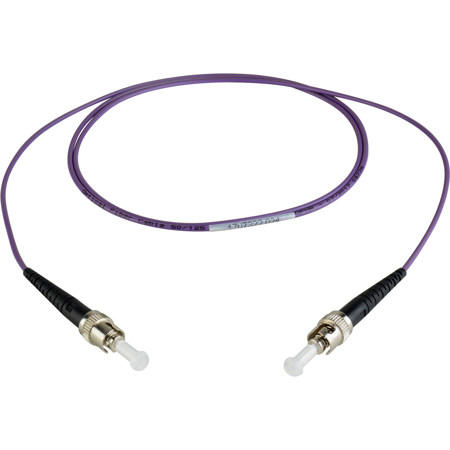
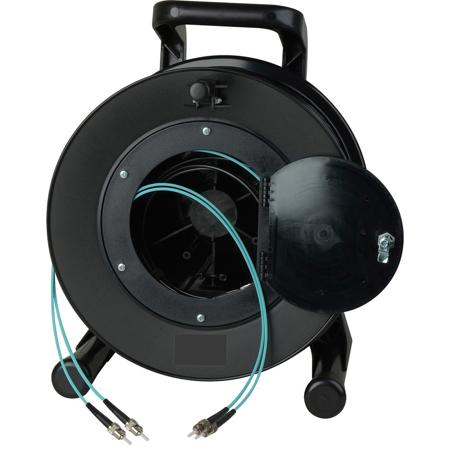
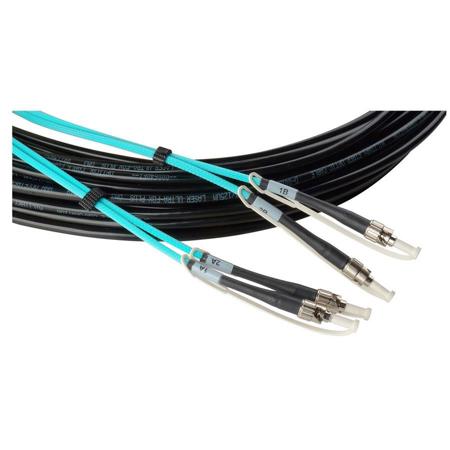
ST connectors, known for their distinctive twist-and-lock bayonet mount, have remained a staple in fiber optic connectivity for decades, especially in environments that demand both reliability and durability. Recognized by their spring-loaded coupling and 2.5 mm ceramic ferrule, ST connectors excel in settings where frequent connections and disconnections are necessary, such as legacy local area networks, campus backbones, industrial controls, and broadcast facilities. Their robust design ensures a secure, vibration-resistant connection, making them a dependable choice in scenarios where equipment is subject to movement or where long-term stability is crucial. For those new to fiber optics, understanding what is st port fiber can be helpful: an ST port is simply a receptacle designed for the ST connector’s bayonet-style interface, allowing for quick and reliable attachment of multimode or single-mode fiber optic cables.
As technology evolves, many high-density data centers and residential installations have shifted toward smaller or more compact connector types, but ST connectors continue to serve as the backbone in many legacy and industrial systems. Professionals in audio/video production, security, and network testing often rely on ST connectors for their ease of use and proven track record. Whether you’re managing a university network that spans multiple buildings, upgrading a broadcast control room, or setting up a secure industrial automation system, the ST connector’s straightforward twist-on mechanism saves time and reduces the risk of accidental disconnections. For those tasked with maintaining or expanding older infrastructure, matching ST connectors with existing fiber runs is often the most efficient and cost-effective path forward. Even as the weather shifts from the warmth of summer into the cooler months, organizations continue to invest in dependable connectivity for both indoor and outdoor installations, where environmental stability is as important as technical performance.
When selecting ST connectors, it’s essential to consider the type of fiber—single-mode or multimode—that your application requires, as well as the compatibility with other connectors in your system. The 2.5 mm ferrule size allows for hybrid adapters with other connector types like SC and FC, offering flexibility for upgrades or mixed environments. Those working in fields such as education, government, or industrial automation often appreciate the ruggedness of ST connectors, especially when equipment is handled by multiple users or moved between locations. For anyone gifting technical gear to a student in engineering or a professional in IT or broadcast, ST connectors offer a practical and enduring solution that stands up to frequent use. If your project involves coaxial connections or you’re exploring other connector types for different signal paths, you might also find it helpful to browse our selection of F Connectors for compatible options. Ultimately, whether you’re building out a new system or maintaining a trusted legacy network, ST connectors deliver the reliability and versatility that professionals and enthusiasts alike have come to rely on season after season.
As technology evolves, many high-density data centers and residential installations have shifted toward smaller or more compact connector types, but ST connectors continue to serve as the backbone in many legacy and industrial systems. Professionals in audio/video production, security, and network testing often rely on ST connectors for their ease of use and proven track record. Whether you’re managing a university network that spans multiple buildings, upgrading a broadcast control room, or setting up a secure industrial automation system, the ST connector’s straightforward twist-on mechanism saves time and reduces the risk of accidental disconnections. For those tasked with maintaining or expanding older infrastructure, matching ST connectors with existing fiber runs is often the most efficient and cost-effective path forward. Even as the weather shifts from the warmth of summer into the cooler months, organizations continue to invest in dependable connectivity for both indoor and outdoor installations, where environmental stability is as important as technical performance.
When selecting ST connectors, it’s essential to consider the type of fiber—single-mode or multimode—that your application requires, as well as the compatibility with other connectors in your system. The 2.5 mm ferrule size allows for hybrid adapters with other connector types like SC and FC, offering flexibility for upgrades or mixed environments. Those working in fields such as education, government, or industrial automation often appreciate the ruggedness of ST connectors, especially when equipment is handled by multiple users or moved between locations. For anyone gifting technical gear to a student in engineering or a professional in IT or broadcast, ST connectors offer a practical and enduring solution that stands up to frequent use. If your project involves coaxial connections or you’re exploring other connector types for different signal paths, you might also find it helpful to browse our selection of F Connectors for compatible options. Ultimately, whether you’re building out a new system or maintaining a trusted legacy network, ST connectors deliver the reliability and versatility that professionals and enthusiasts alike have come to rely on season after season.