
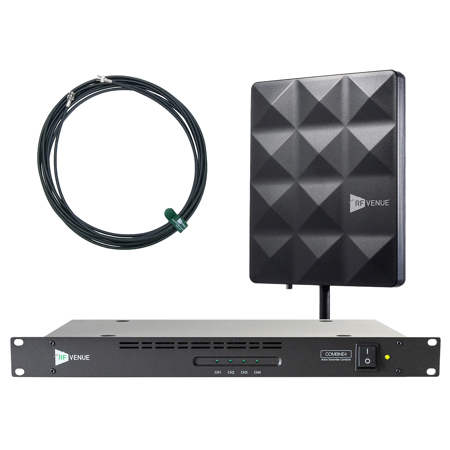
Stage Monitoring Systems
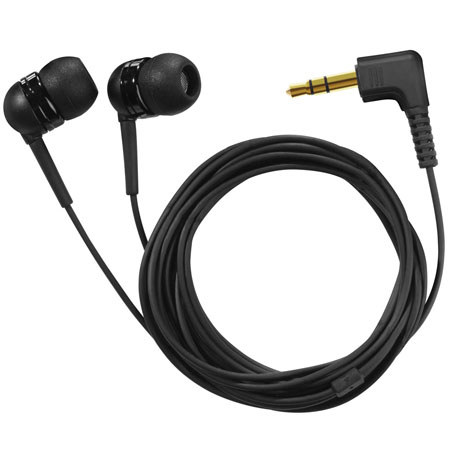
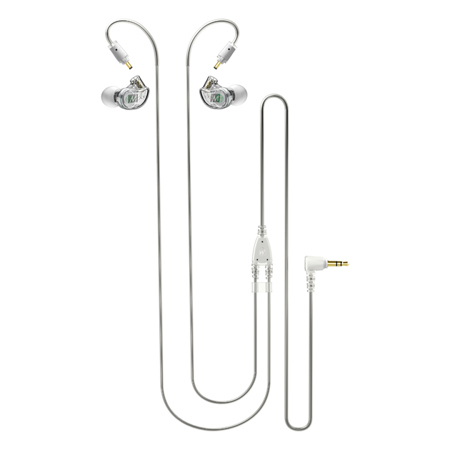
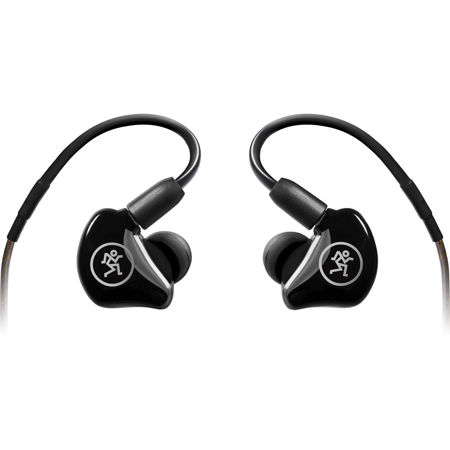
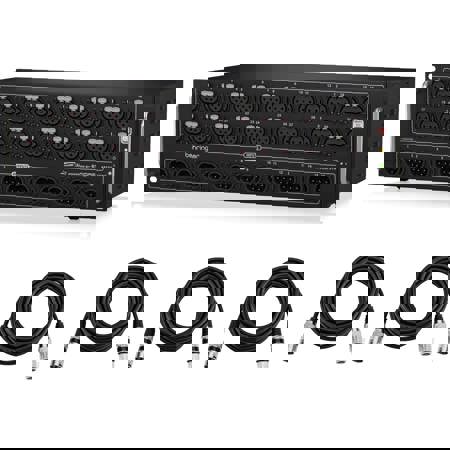
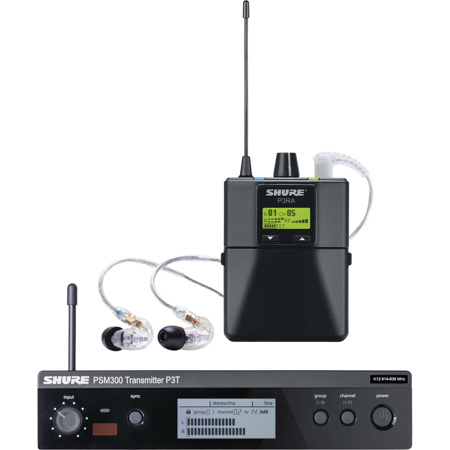
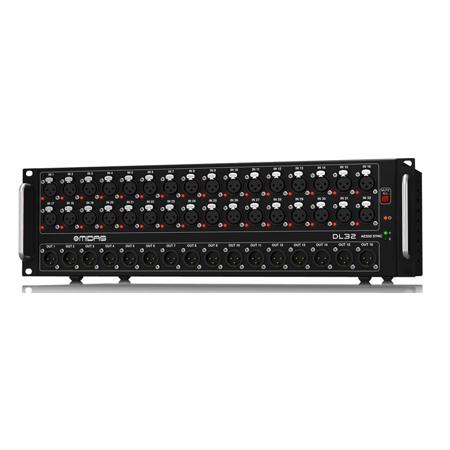
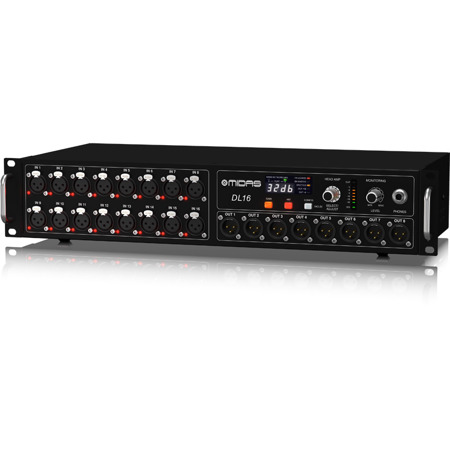
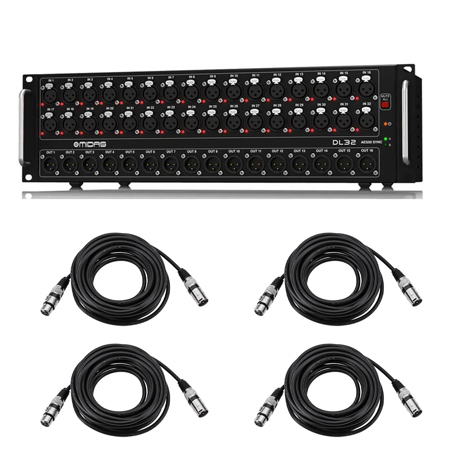
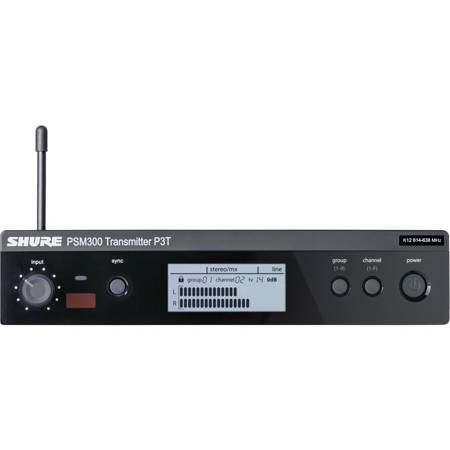
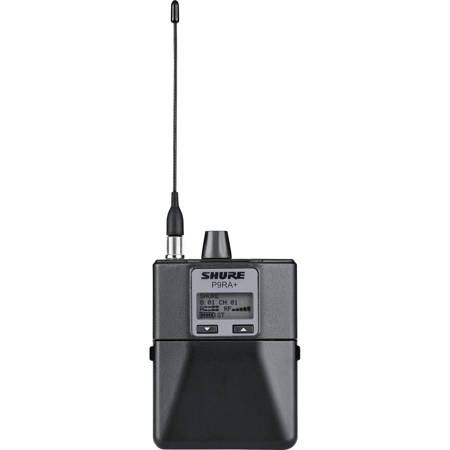
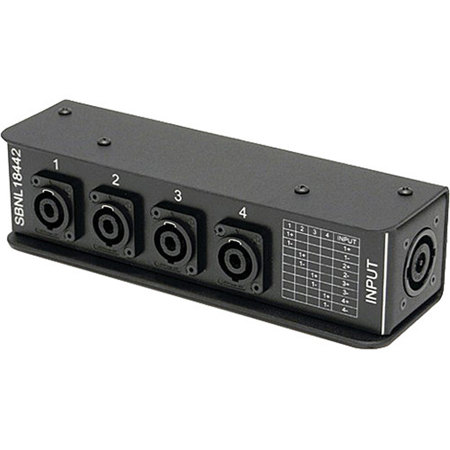
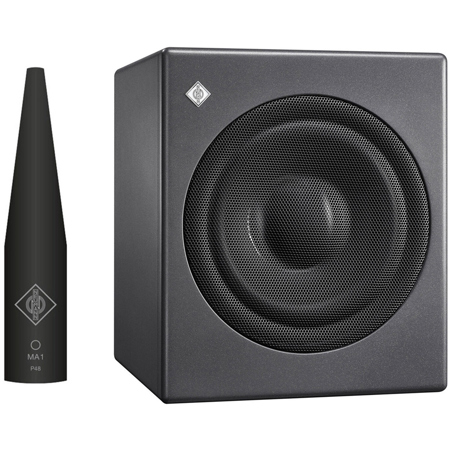
Stage monitoring systems play a pivotal role in the world of live performance, ensuring that every musician, vocalist, or presenter on stage can hear themselves and their fellow performers with clarity and precision. Whether you’re preparing for a high-energy rock concert, a jazz ensemble in an intimate club, or a worship service in a bustling auditorium, the right monitoring solution makes all the difference in achieving a polished, on-time performance. The winter months, with their abundance of indoor gigs, rehearsals, and recording sessions, often see artists and sound engineers fine-tuning their setups, making this an ideal season to evaluate and upgrade your stage monitoring gear. From classic floor wedges that deliver robust, room-filling sound to advanced in-ear monitors (IEMs) that provide personalized, isolating mixes, the range of options caters to every need and venue size. Side fills offer additional coverage for larger stages, while personal mixers and wireless systems empower performers with freedom of movement and individualized control over their mix. For anyone stepping onto a stage—be it a seasoned professional, a weekend gigging musician, or a student preparing for a recital—clear monitoring isn’t just a luxury; it’s a necessity for confidence and cohesion.
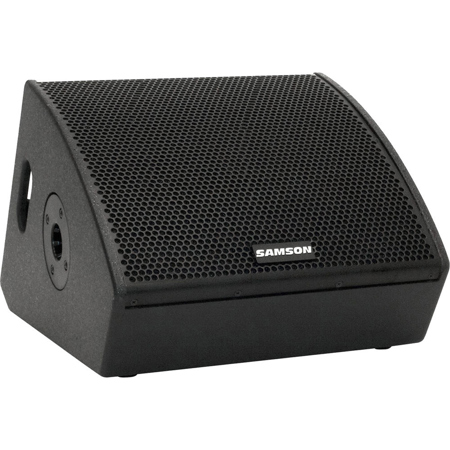
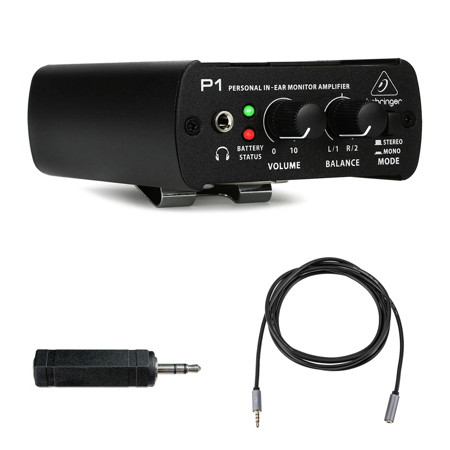
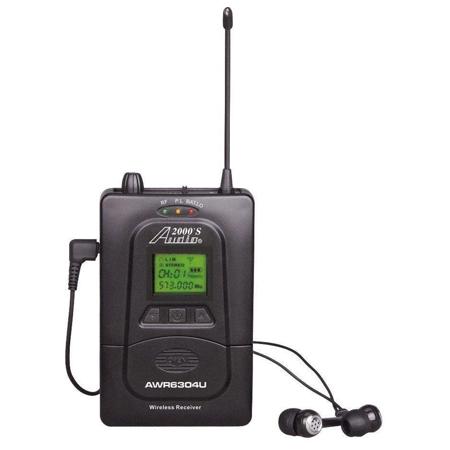
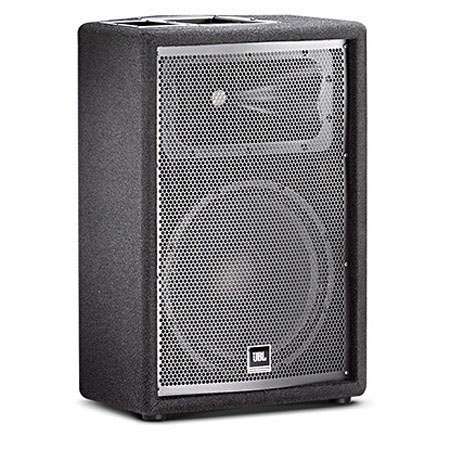
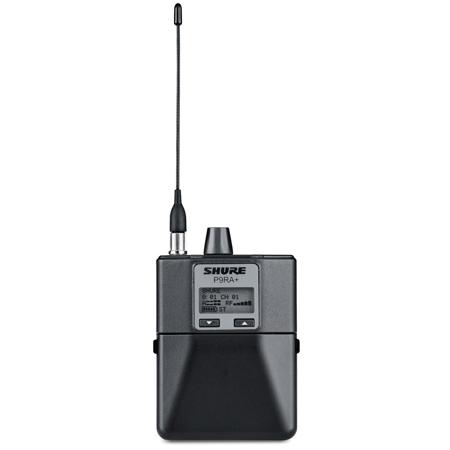
Choosing a stage monitoring system involves careful consideration of several factors, tailored to the specific demands of your performance environment and personal preferences. Floor monitors, or wedges, remain a staple for bands and venues seeking straightforward, reliable sound reinforcement, especially when visual cues and stage presence matter. However, in-ear monitors have surged in popularity for their ability to dramatically reduce stage volume, minimize feedback, and safeguard hearing—an essential feature for today’s health-conscious performers. Wireless IEMs are especially valued by singers, guitarists, and other mobile performers who thrive on the freedom to move without sacrificing audio fidelity. For those who crave total control, personal mixers and app-based solutions let each musician fine-tune their own monitor mix, ensuring that every nuance is heard, whether it’s a subtle harmony or a driving bass line. Engineers, too, benefit from modern systems that streamline setup and reduce onstage clutter, making transitions between acts smoother and troubleshooting far less stressful. And with the increasing integration of monitoring systems into digital and hybrid setups, understanding the principles of Direct Monitoring can further enhance your workflow, particularly in studio-to-stage environments.
Stage monitoring systems also make thoughtful, practical gifts for the musicians and audio professionals in your life. As the season brings new creative projects and opportunities to perform indoors, upgrading to a new set of in-ear monitors or adding a personal mixer to a rehearsal space can inspire confidence and elevate the quality of every performance. For educators and students, reliable monitoring can transform the learning experience, helping young artists develop their timing, pitch, and ensemble skills with professional-grade tools. Whether used in a bustling club, a house of worship, a school auditorium, or a home studio, these systems are designed to adapt to a wide range of applications and performer needs. The right monitoring setup not only enhances sound quality but also fosters communication, creativity, and connection on stage, ensuring that every show—no matter the scale—sounds its absolute best.
Choosing a stage monitoring system involves careful consideration of several factors, tailored to the specific demands of your performance environment and personal preferences. Floor monitors, or wedges, remain a staple for bands and venues seeking straightforward, reliable sound reinforcement, especially when visual cues and stage presence matter. However, in-ear monitors have surged in popularity for their ability to dramatically reduce stage volume, minimize feedback, and safeguard hearing—an essential feature for today’s health-conscious performers. Wireless IEMs are especially valued by singers, guitarists, and other mobile performers who thrive on the freedom to move without sacrificing audio fidelity. For those who crave total control, personal mixers and app-based solutions let each musician fine-tune their own monitor mix, ensuring that every nuance is heard, whether it’s a subtle harmony or a driving bass line. Engineers, too, benefit from modern systems that streamline setup and reduce onstage clutter, making transitions between acts smoother and troubleshooting far less stressful. And with the increasing integration of monitoring systems into digital and hybrid setups, understanding the principles of Direct Monitoring can further enhance your workflow, particularly in studio-to-stage environments.
Stage monitoring systems also make thoughtful, practical gifts for the musicians and audio professionals in your life. As the season brings new creative projects and opportunities to perform indoors, upgrading to a new set of in-ear monitors or adding a personal mixer to a rehearsal space can inspire confidence and elevate the quality of every performance. For educators and students, reliable monitoring can transform the learning experience, helping young artists develop their timing, pitch, and ensemble skills with professional-grade tools. Whether used in a bustling club, a house of worship, a school auditorium, or a home studio, these systems are designed to adapt to a wide range of applications and performer needs. The right monitoring setup not only enhances sound quality but also fosters communication, creativity, and connection on stage, ensuring that every show—no matter the scale—sounds its absolute best.