

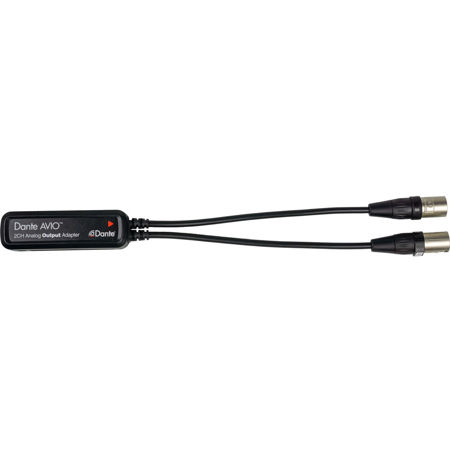
TRS To XLR Adapters
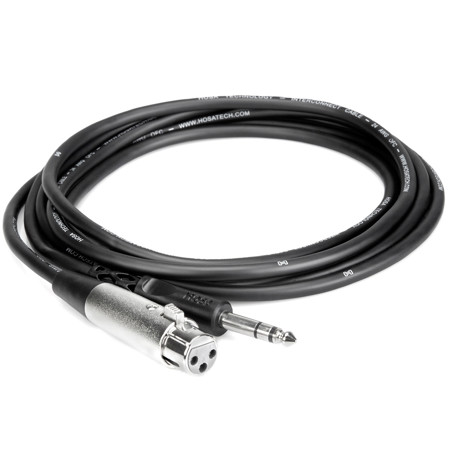
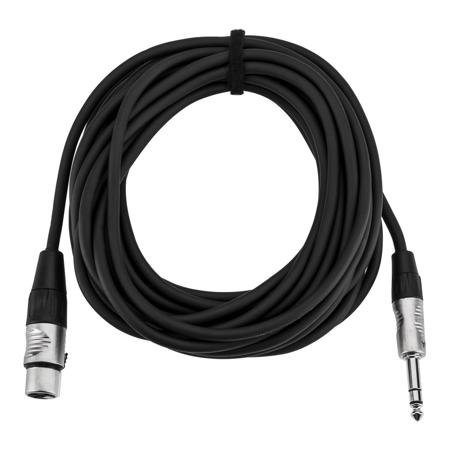
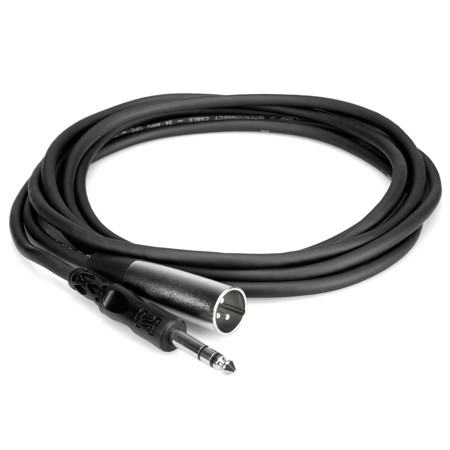
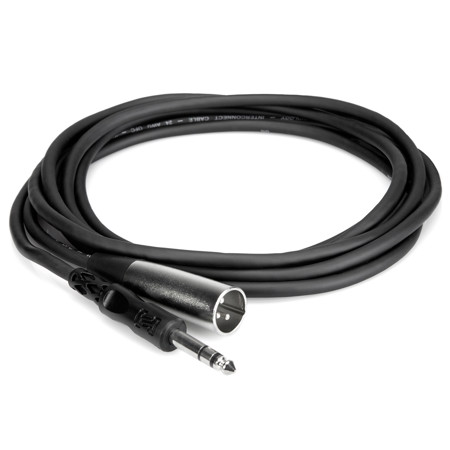
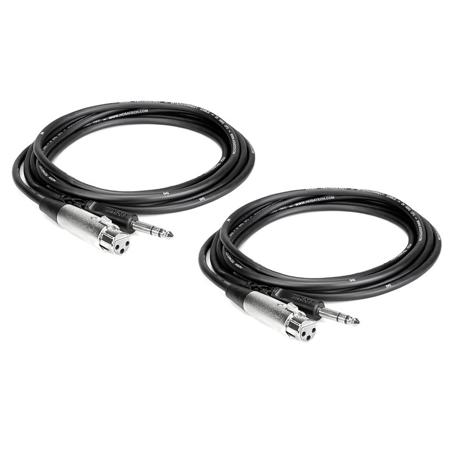
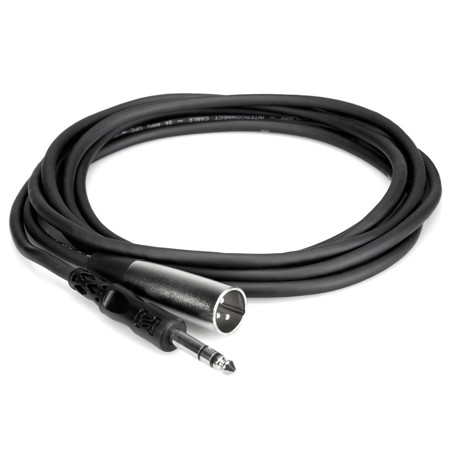
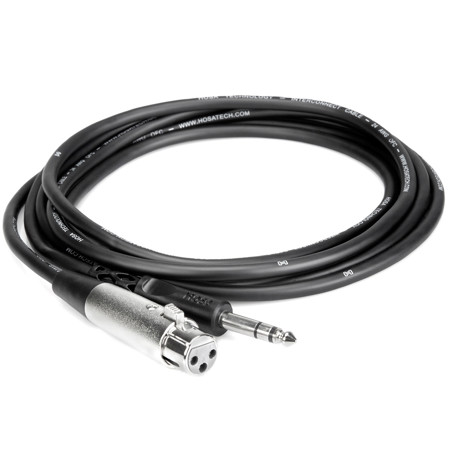
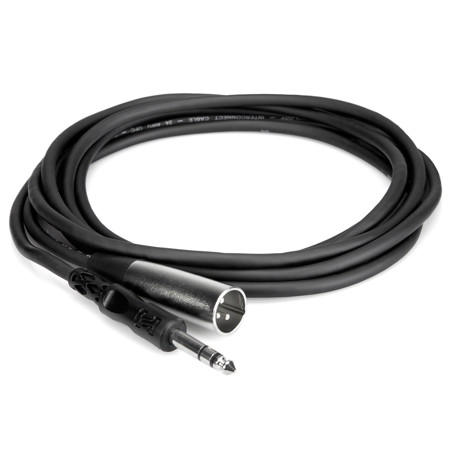
Whether you’re working in a professional recording studio, setting up a live sound rig, or managing an event space, TRS to XLR adapters are a vital piece of gear for ensuring seamless audio connectivity. These adapters bridge the gap between equipment outfitted with Tip-Ring-Sleeve (TRS) jacks—commonly found on mixing consoles, audio interfaces, synthesizers, and certain outboard processors—and devices that utilize XLR connections, such as microphones, powered speakers, and high-end preamps. By supporting balanced audio transmission, TRS to XLR adapters help maintain signal integrity over longer cable runs, significantly reducing unwanted noise and interference. This makes them indispensable for audio engineers who demand crystal-clear sound, whether they’re recording intricate acoustic performances or running cables across a bustling stage during festival season. As the weather warms and outdoor events become more frequent, reliable adapters are especially important for mobile setups, where unpredictable environments can introduce extra electrical noise.
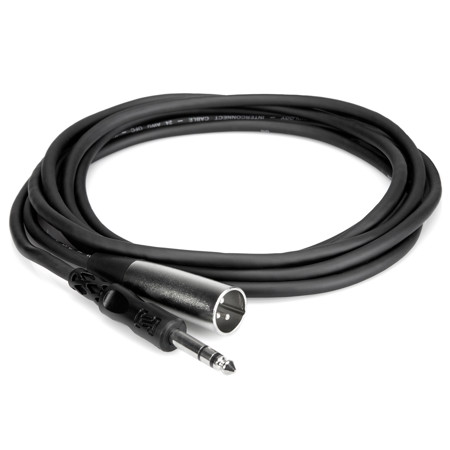
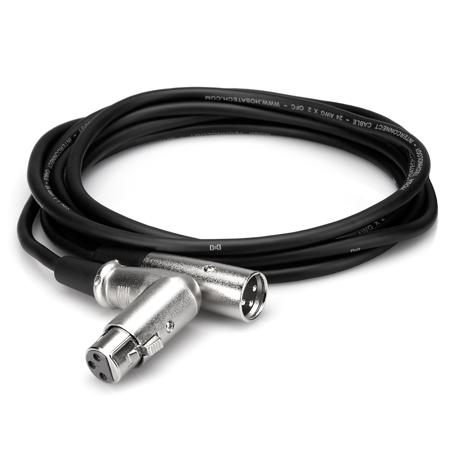
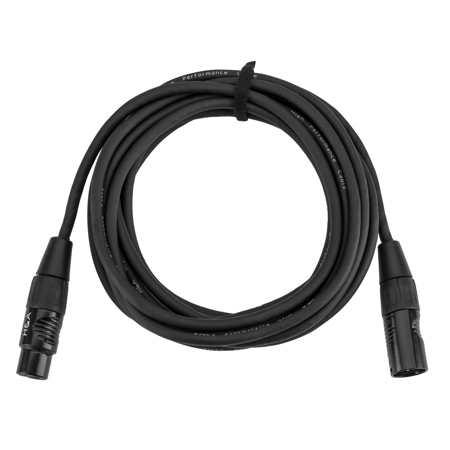
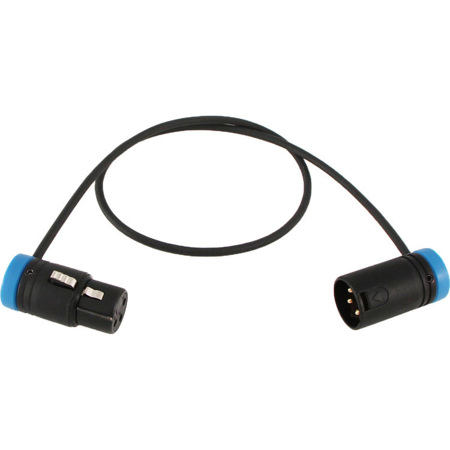
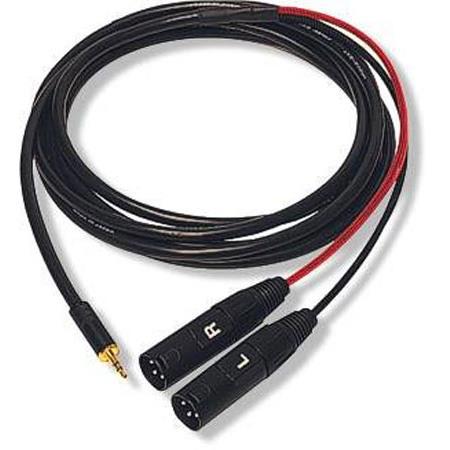
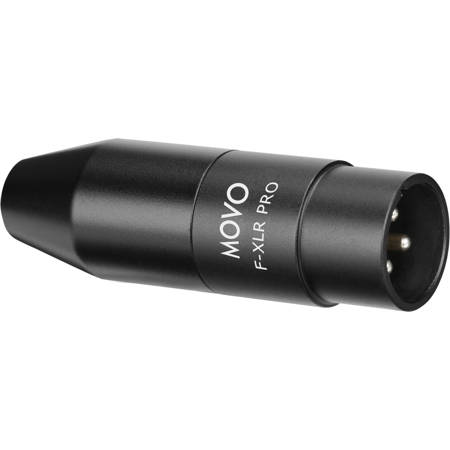
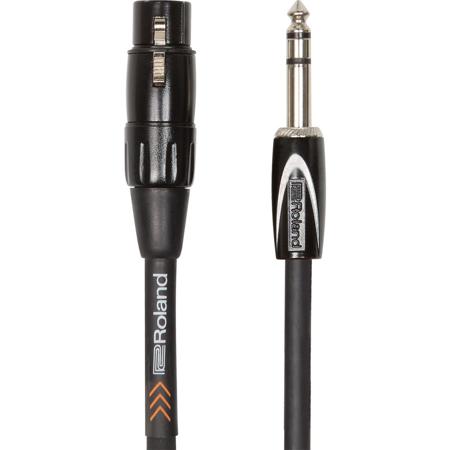
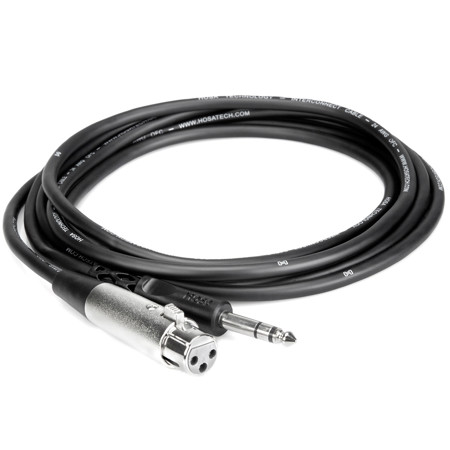
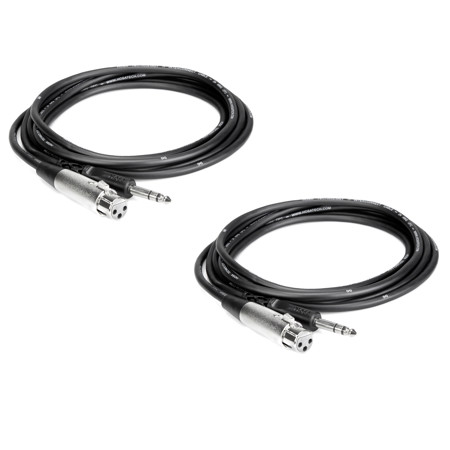
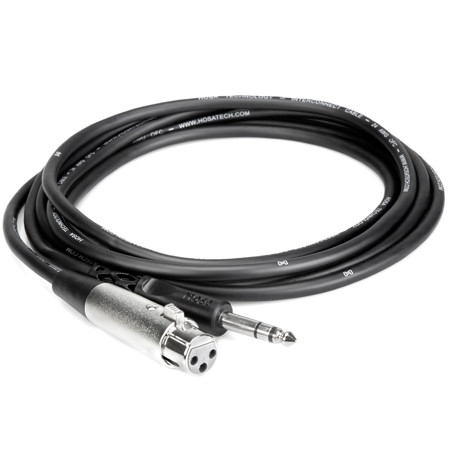
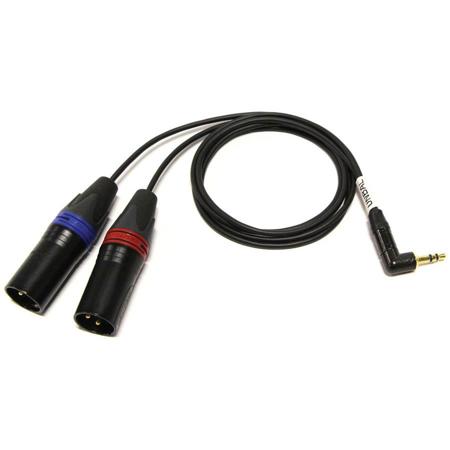
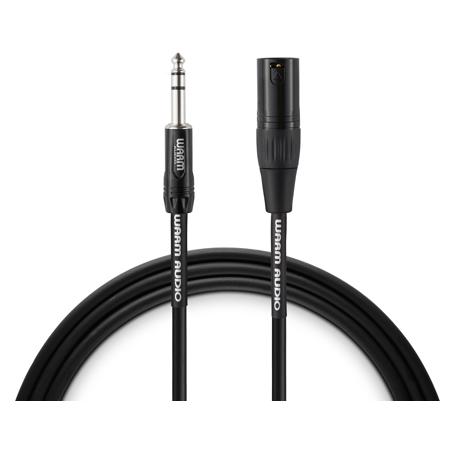
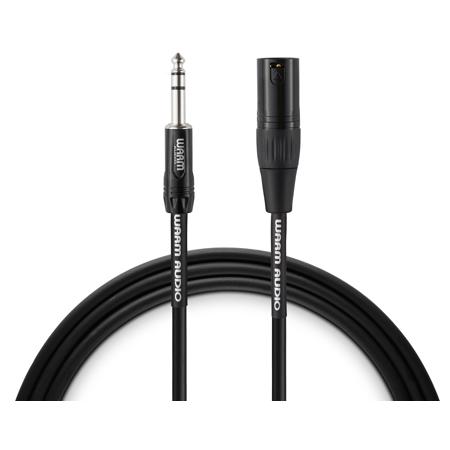
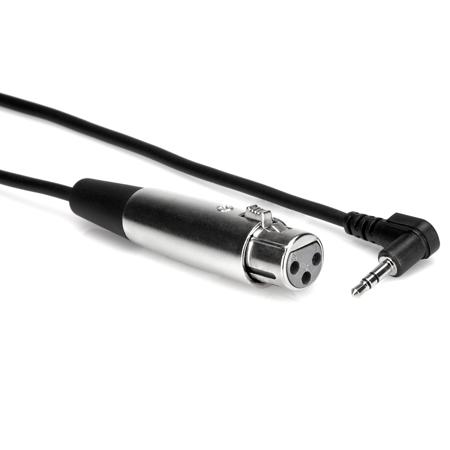
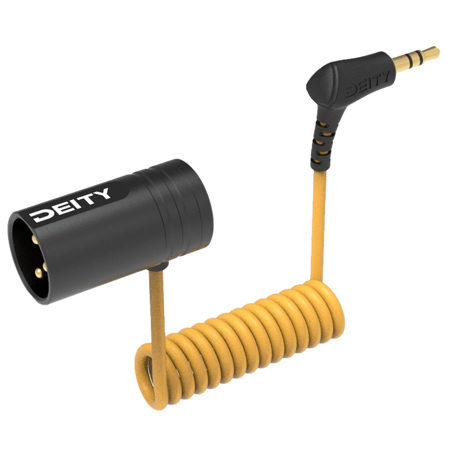
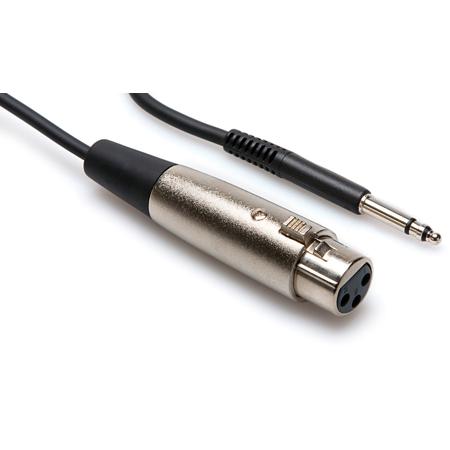
TRS to XLR adapters come in several forms to suit a variety of needs. The classic rigid barrel-style adapter is compact and sturdy, perfect for fixed installations or situations where space is at a premium. For those frequently reconfiguring gear or working in tight spaces behind racks, flexible adapter cables offer strain relief and help prevent wear on your equipment’s jacks. Musicians and content creators who use compact devices—like portable recorders or DSLR cameras—often rely on 3.5mm (1/8") TRS to XLR converters to connect lavalier or shotgun mics to professional audio gear. When choosing an adapter, it’s essential to match the connector type and gender to your source and destination, and to confirm both devices support balanced audio for full noise-canceling benefits. Plugging an unbalanced TS (Tip-Sleeve) output into an XLR input will still transmit audio, but you’ll forfeit the hum rejection that balanced lines provide. Another key consideration is phantom power: if your mixer or interface supplies 48V phantom power, double-check that your connected devices can handle it, as some unbalanced gear—like vintage synths or certain consumer electronics—can be damaged if phantom power is inadvertently applied through an adapter.
TRS to XLR adapters make thoughtful gifts for audio enthusiasts, musicians, podcasters, and anyone building or upgrading their home studio. They’re also a practical addition to any field recordist’s kit, especially during the busy months of summer and early fall when outdoor shoots and performances are in full swing. Whether you’re capturing a live band at a street festival, setting up a PA system for a wedding, or simply routing signals in your rehearsal space, having a few reliable adapters on hand can save the day when you least expect it. Consider pairing your TRS to XLR converter with other essential adapters—such as RCA to XLR—for even more flexibility across a range of audio setups. For those interested in broadening their connectivity options, explore our curated selection of RCA To XLR Connectors to complement your gear. Investing in quality adapters not only ensures your sessions run smoothly but also protects your valuable equipment from wear and tear. With the right combination of adapters in your toolkit, you’ll be ready to tackle any audio challenge, indoors or out, all season long.
TRS to XLR adapters come in several forms to suit a variety of needs. The classic rigid barrel-style adapter is compact and sturdy, perfect for fixed installations or situations where space is at a premium. For those frequently reconfiguring gear or working in tight spaces behind racks, flexible adapter cables offer strain relief and help prevent wear on your equipment’s jacks. Musicians and content creators who use compact devices—like portable recorders or DSLR cameras—often rely on 3.5mm (1/8") TRS to XLR converters to connect lavalier or shotgun mics to professional audio gear. When choosing an adapter, it’s essential to match the connector type and gender to your source and destination, and to confirm both devices support balanced audio for full noise-canceling benefits. Plugging an unbalanced TS (Tip-Sleeve) output into an XLR input will still transmit audio, but you’ll forfeit the hum rejection that balanced lines provide. Another key consideration is phantom power: if your mixer or interface supplies 48V phantom power, double-check that your connected devices can handle it, as some unbalanced gear—like vintage synths or certain consumer electronics—can be damaged if phantom power is inadvertently applied through an adapter.
TRS to XLR adapters make thoughtful gifts for audio enthusiasts, musicians, podcasters, and anyone building or upgrading their home studio. They’re also a practical addition to any field recordist’s kit, especially during the busy months of summer and early fall when outdoor shoots and performances are in full swing. Whether you’re capturing a live band at a street festival, setting up a PA system for a wedding, or simply routing signals in your rehearsal space, having a few reliable adapters on hand can save the day when you least expect it. Consider pairing your TRS to XLR converter with other essential adapters—such as RCA to XLR—for even more flexibility across a range of audio setups. For those interested in broadening their connectivity options, explore our curated selection of RCA To XLR Connectors to complement your gear. Investing in quality adapters not only ensures your sessions run smoothly but also protects your valuable equipment from wear and tear. With the right combination of adapters in your toolkit, you’ll be ready to tackle any audio challenge, indoors or out, all season long.