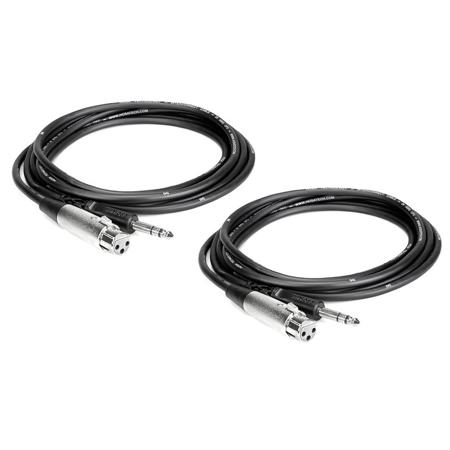

XLR And TRS Connectors
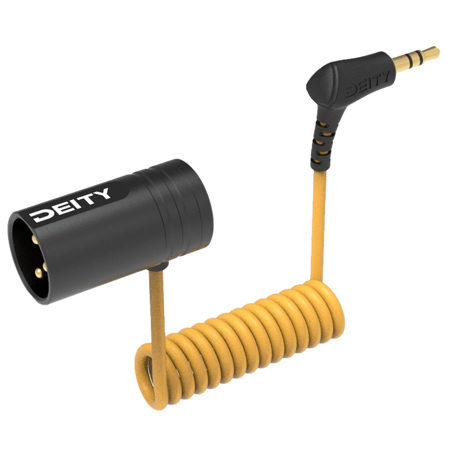
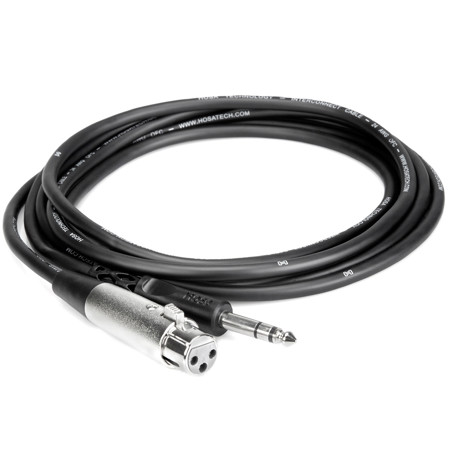
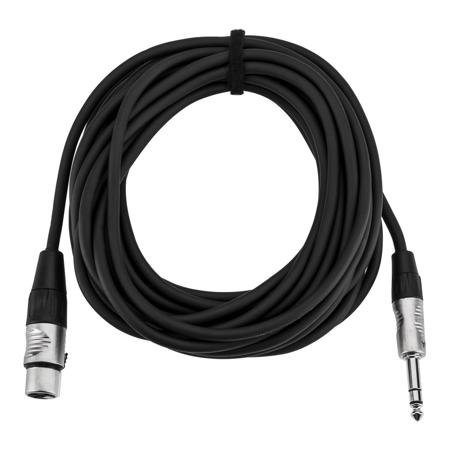
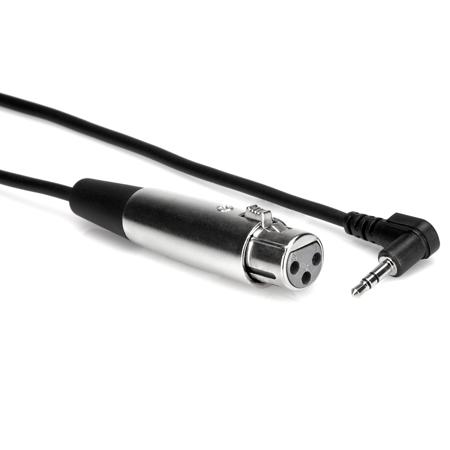
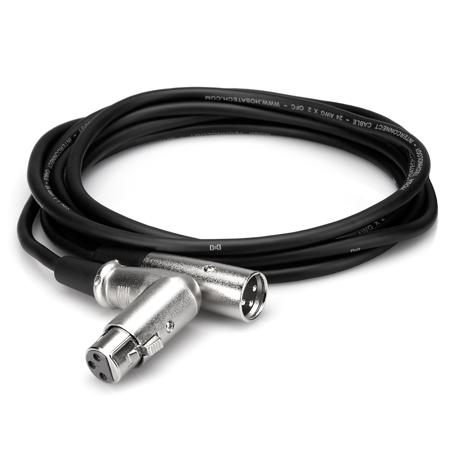
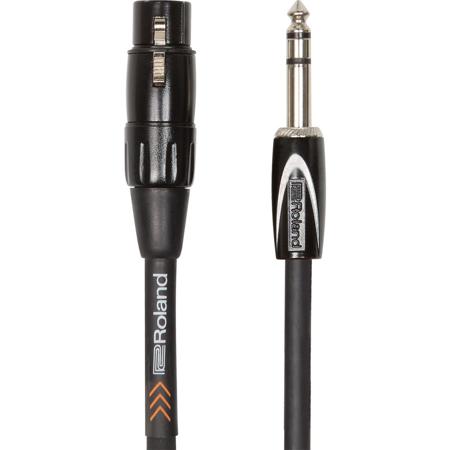
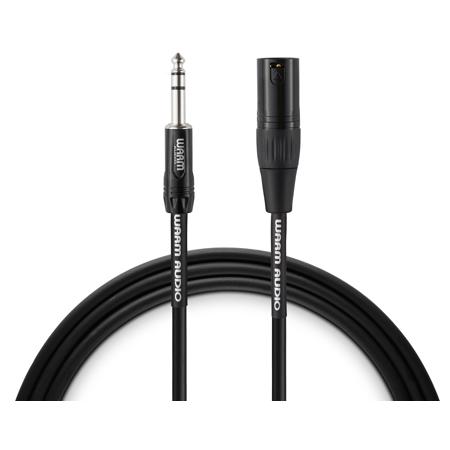
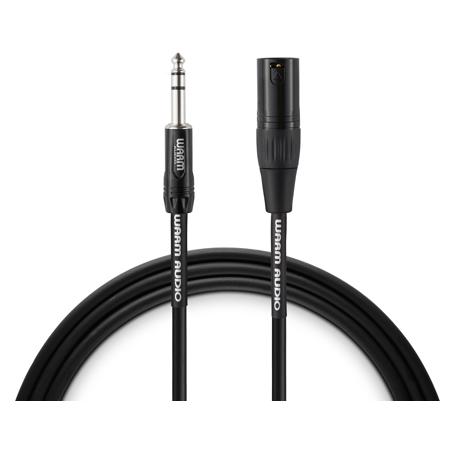
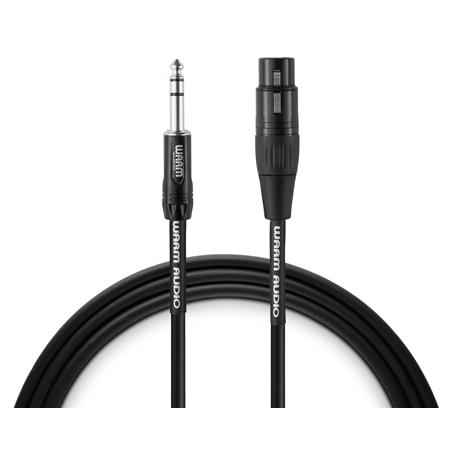
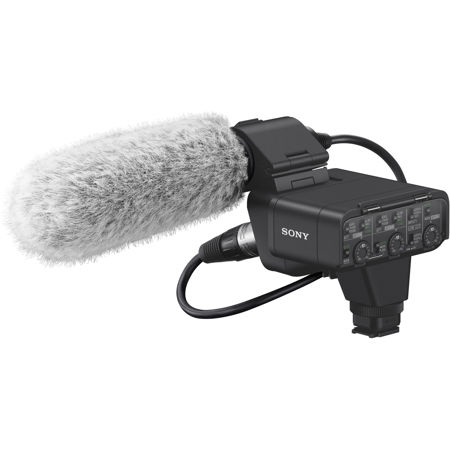
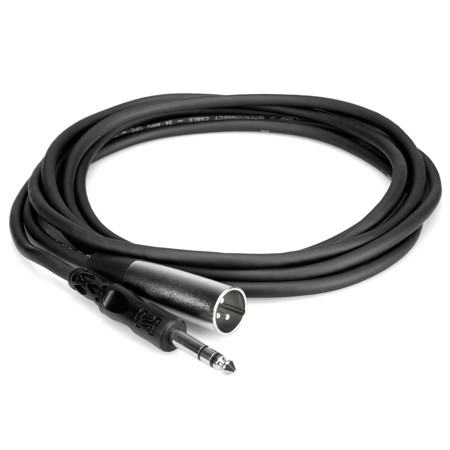
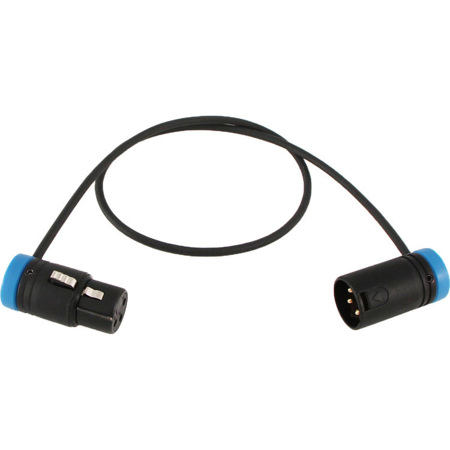
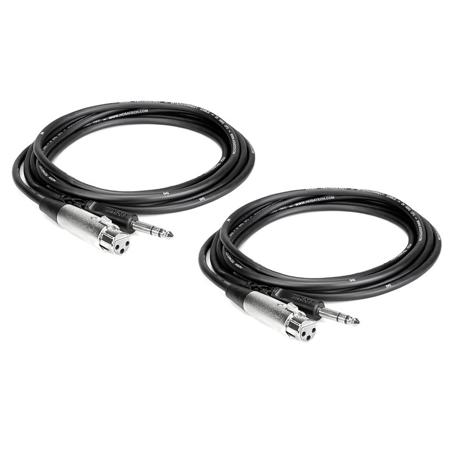
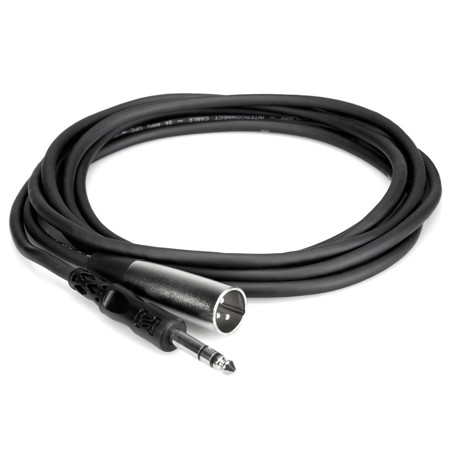
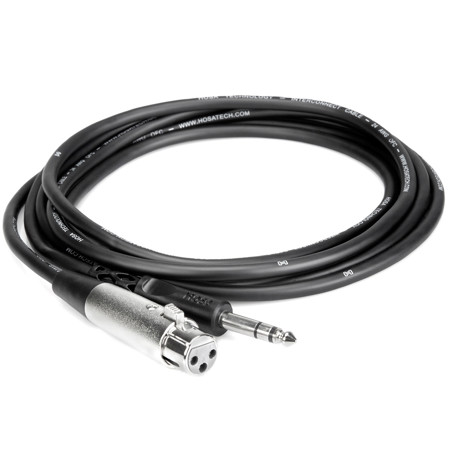
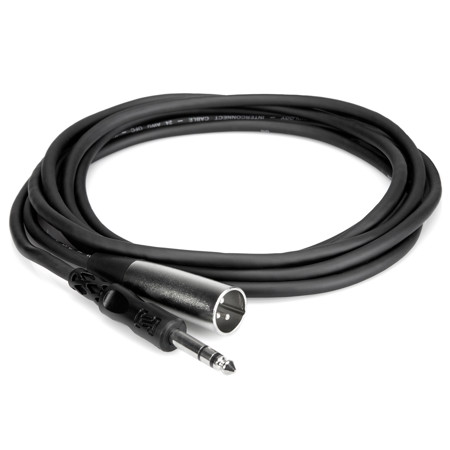
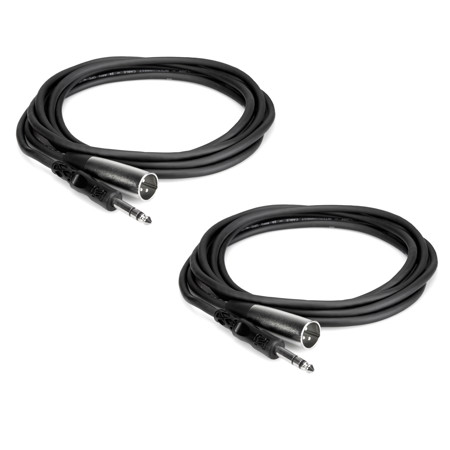
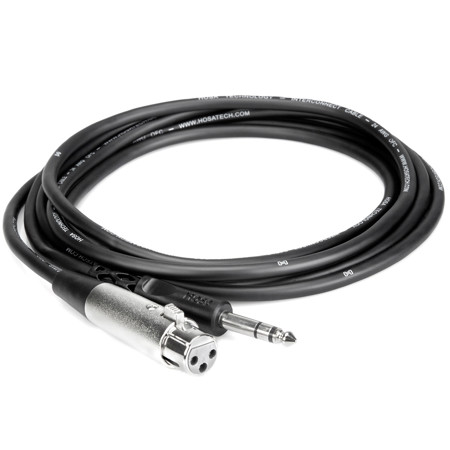
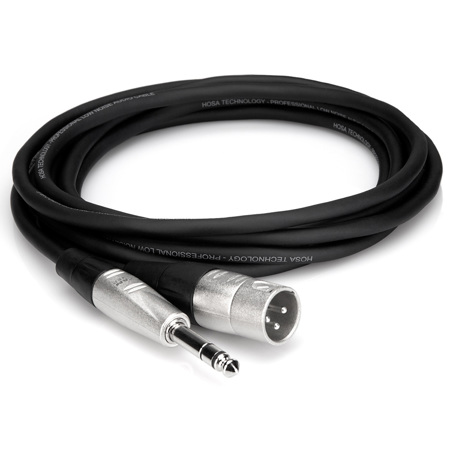
When it comes to building a reliable audio setup, XLR and TRS connectors are foundational elements that ensure your sound signals travel cleanly and securely from one piece of equipment to another. Whether you’re outfitting a home recording studio, upgrading a live sound rig, or fine-tuning a DJ booth, understanding the role of these connectors can make a noticeable difference in the performance and flexibility of your system. XLR connectors, with their distinctive three-pin design and robust locking mechanism, are a staple in professional audio environments. They are prized for their ability to deliver balanced signals, which significantly reduces the risk of unwanted interference and hum—especially important when running cables over long distances or in electrically noisy venues. This makes them the go-to choice for connecting microphones, powered speakers, and studio monitors, where signal integrity is paramount. TRS (Tip-Ring-Sleeve) connectors, often recognized as the classic 1/4-inch jack, are equally versatile, serving a dual role in balanced line-level connections and unbalanced stereo signals. You’ll find them everywhere from patch bays and mixing consoles to headphone outputs and instrument cables. Their compatibility with a wide range of audio gear makes TRS connectors a flexible option for musicians, sound engineers, and content creators looking to streamline their setups.
Selecting the right XLR or TRS connector isn’t just about matching the plug to the port—it’s about ensuring the longevity and reliability of your entire audio chain. For those who regularly transport gear between venues or studios, the durability of an XLR’s locking mechanism can mean the difference between a flawless performance and a mid-show interruption. In the colder months of February, when gear is frequently moved between cold outdoor environments and warm indoor spaces, investing in connectors with solid strain relief and rugged construction can help prevent cable fatigue and maintain consistent signal quality. Meanwhile, TRS connectors are a favorite among guitarists and keyboard players for their straightforward plug-and-play usability, making them an excellent gift for anyone setting up a new practice space or home studio. Audio professionals often keep a stock of both XLR and TRS adapters on hand, knowing that last-minute changes in venue or equipment can require quick, reliable reconfiguration. Whether you’re a seasoned sound engineer preparing for a busy event season, a podcaster building your first home setup, or a musician looking to capture inspiration as it strikes, having the right connectors ensures your creative process remains uninterrupted and your audio remains pristine.
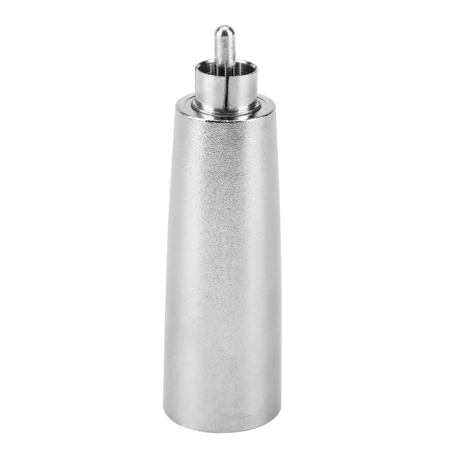
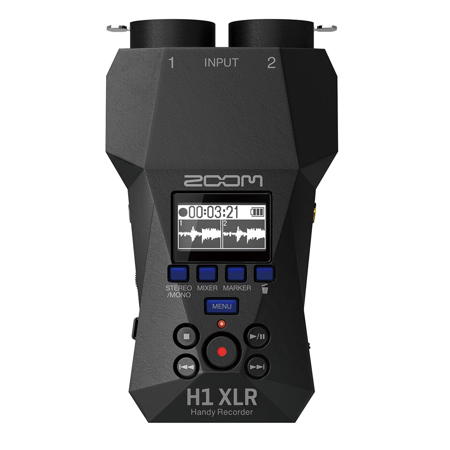
No matter your experience level, the choice between XLR and TRS connectors often comes down to the specific requirements of your gear and the environment in which you’re working. Balanced XLR cables are ideal for eliminating noise in high-interference settings, while TRS connectors offer versatility across a variety of applications, from stereo headphone monitoring to balanced patching in modular synth racks. As technology evolves and more hybrid devices become available, adapters and combination inputs that support both formats are increasingly common, allowing you to maximize the utility of your existing equipment. For those looking to explore the full range of connection options or seeking to expand their setup with reliable, high-quality solutions, browsing the latest selection of XLR TRS Inputs can provide inspiration and practical choices tailored to your needs. Whether you’re gifting a set of durable cables to an aspiring audio engineer or upgrading your own workflow, the right connectors are a small investment that pays dividends in clarity, reliability, and creative freedom.
Selecting the right XLR or TRS connector isn’t just about matching the plug to the port—it’s about ensuring the longevity and reliability of your entire audio chain. For those who regularly transport gear between venues or studios, the durability of an XLR’s locking mechanism can mean the difference between a flawless performance and a mid-show interruption. In the colder months of February, when gear is frequently moved between cold outdoor environments and warm indoor spaces, investing in connectors with solid strain relief and rugged construction can help prevent cable fatigue and maintain consistent signal quality. Meanwhile, TRS connectors are a favorite among guitarists and keyboard players for their straightforward plug-and-play usability, making them an excellent gift for anyone setting up a new practice space or home studio. Audio professionals often keep a stock of both XLR and TRS adapters on hand, knowing that last-minute changes in venue or equipment can require quick, reliable reconfiguration. Whether you’re a seasoned sound engineer preparing for a busy event season, a podcaster building your first home setup, or a musician looking to capture inspiration as it strikes, having the right connectors ensures your creative process remains uninterrupted and your audio remains pristine.
No matter your experience level, the choice between XLR and TRS connectors often comes down to the specific requirements of your gear and the environment in which you’re working. Balanced XLR cables are ideal for eliminating noise in high-interference settings, while TRS connectors offer versatility across a variety of applications, from stereo headphone monitoring to balanced patching in modular synth racks. As technology evolves and more hybrid devices become available, adapters and combination inputs that support both formats are increasingly common, allowing you to maximize the utility of your existing equipment. For those looking to explore the full range of connection options or seeking to expand their setup with reliable, high-quality solutions, browsing the latest selection of XLR TRS Inputs can provide inspiration and practical choices tailored to your needs. Whether you’re gifting a set of durable cables to an aspiring audio engineer or upgrading your own workflow, the right connectors are a small investment that pays dividends in clarity, reliability, and creative freedom.