USB UPS
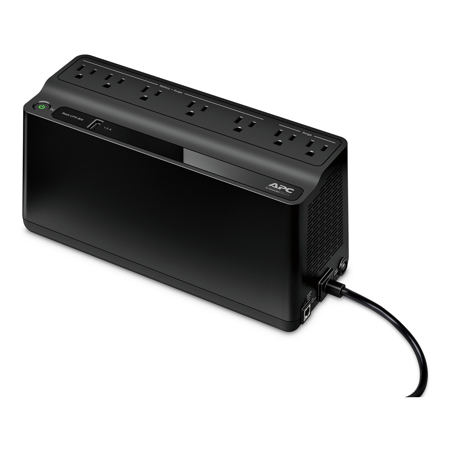
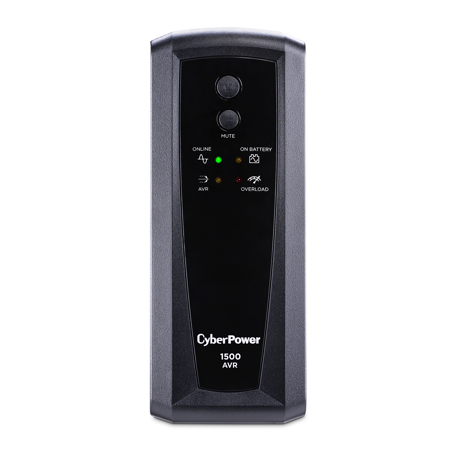
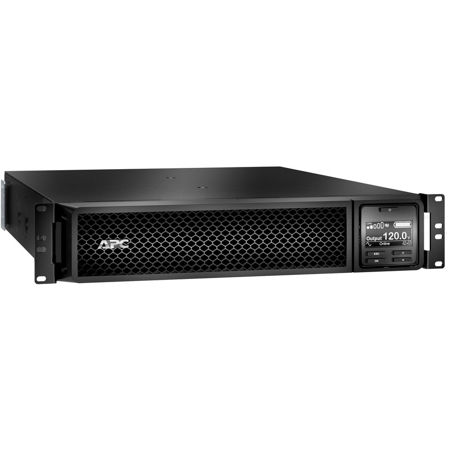
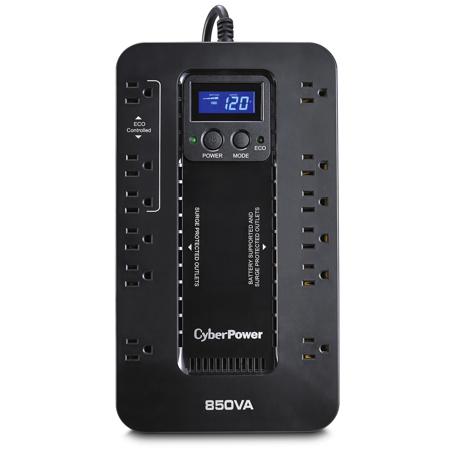
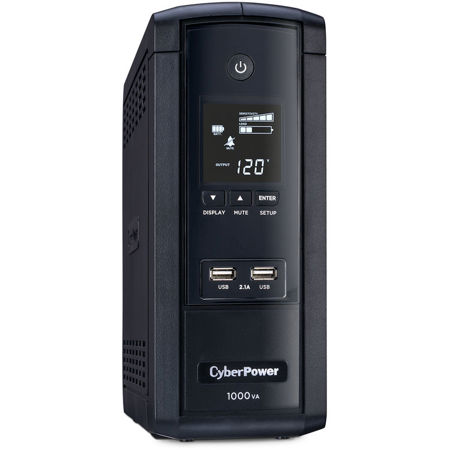
A USB UPS (Uninterruptible Power Supply) is a versatile and increasingly essential tool for anyone who relies on uninterrupted connectivity and power for smaller electronics. Whether you’re working from home and need your modem or router to stay online during summer thunderstorms, or you’re a maker running a Raspberry Pi for a home automation project, a USB UPS can provide peace of mind and continuity. These compact devices are designed to deliver battery backup to a range of low-power devices, including network equipment, single-board computers, security cameras, point-of-sale terminals, and even some portable audio gear. For IT professionals, students, and remote workers, a USB UPS can mean the difference between a seamless workflow and lost progress during a sudden outage. For families and small businesses, keeping the internet up and running during a blackout ensures that communication channels remain open and essential smart home devices continue to function. As the weather shifts from the heat of summer into the unpredictable storms and cooler days of early fall, power interruptions can become more frequent, making a reliable USB UPS a practical addition to any tech setup.
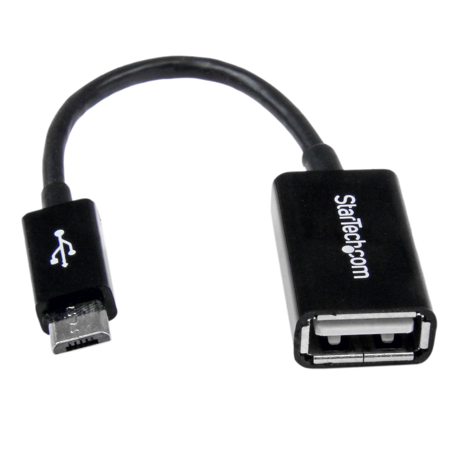
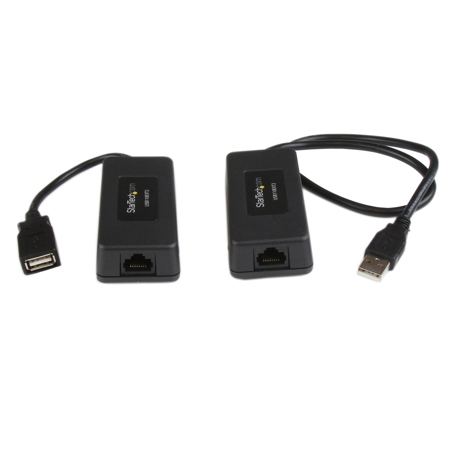
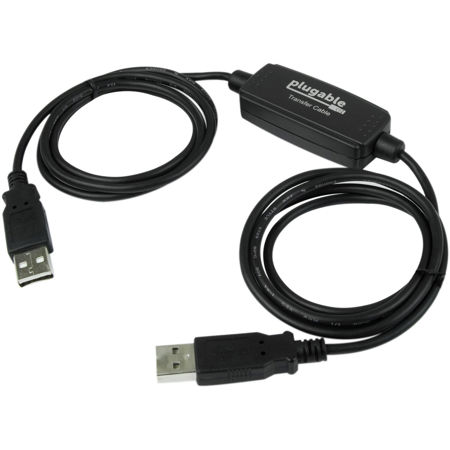
When shopping for a USB UPS, there are several important considerations to keep in mind to ensure you choose the right model for your needs. First, check the voltage and power requirements of your devices—many routers and modems run on 9V or 12V, while Raspberry Pi and similar microcomputers typically require 5V via USB. Look for a USB UPS that matches these specifications and offers multiple output options if you have several devices to protect. Battery capacity, measured in watt-hours (Wh), is another key factor; it determines how long your devices will stay powered during an outage. To estimate runtime, divide the UPS’s capacity by your device’s energy consumption. Some models also feature intelligent data connections via micro-USB or USB-C, allowing your device’s operating system to detect power loss and perform an orderly shutdown—an invaluable feature for preventing file corruption and hardware damage. For those managing more complex setups, such as home servers or custom electronics, choosing a UPS with monitoring capabilities and software integration can provide an added layer of security and automation. If you’re setting up multiple devices, or if you want to ensure compatibility with a variety of hardware, it’s worth exploring the range of USB Connectors available to make your configuration as flexible and robust as possible.
A USB UPS also makes a thoughtful and practical gift, especially for tech enthusiasts, students heading off to college, or anyone setting up a home office or creative studio. It’s a subtle but impactful way to support productivity, safety, and connectivity. Imagine gifting a USB UPS to a friend who loves tinkering with smart home gadgets, or to a family member who relies on stable internet for streaming, gaming, or remote learning. As the pace of life picks up with the changing seasons—whether you’re hosting summer gatherings, preparing for the back-to-school rush, or simply enjoying longer evenings with uninterrupted music or video calls—a USB UPS ensures that life’s digital rhythms continue without disruption. With advances in battery technology and compact design, today’s USB UPS units are more efficient and user-friendly than ever, making them a smart investment for anyone looking to safeguard their digital lifestyle against the unexpected.
When shopping for a USB UPS, there are several important considerations to keep in mind to ensure you choose the right model for your needs. First, check the voltage and power requirements of your devices—many routers and modems run on 9V or 12V, while Raspberry Pi and similar microcomputers typically require 5V via USB. Look for a USB UPS that matches these specifications and offers multiple output options if you have several devices to protect. Battery capacity, measured in watt-hours (Wh), is another key factor; it determines how long your devices will stay powered during an outage. To estimate runtime, divide the UPS’s capacity by your device’s energy consumption. Some models also feature intelligent data connections via micro-USB or USB-C, allowing your device’s operating system to detect power loss and perform an orderly shutdown—an invaluable feature for preventing file corruption and hardware damage. For those managing more complex setups, such as home servers or custom electronics, choosing a UPS with monitoring capabilities and software integration can provide an added layer of security and automation. If you’re setting up multiple devices, or if you want to ensure compatibility with a variety of hardware, it’s worth exploring the range of USB Connectors available to make your configuration as flexible and robust as possible.
A USB UPS also makes a thoughtful and practical gift, especially for tech enthusiasts, students heading off to college, or anyone setting up a home office or creative studio. It’s a subtle but impactful way to support productivity, safety, and connectivity. Imagine gifting a USB UPS to a friend who loves tinkering with smart home gadgets, or to a family member who relies on stable internet for streaming, gaming, or remote learning. As the pace of life picks up with the changing seasons—whether you’re hosting summer gatherings, preparing for the back-to-school rush, or simply enjoying longer evenings with uninterrupted music or video calls—a USB UPS ensures that life’s digital rhythms continue without disruption. With advances in battery technology and compact design, today’s USB UPS units are more efficient and user-friendly than ever, making them a smart investment for anyone looking to safeguard their digital lifestyle against the unexpected.