VHF Antennas
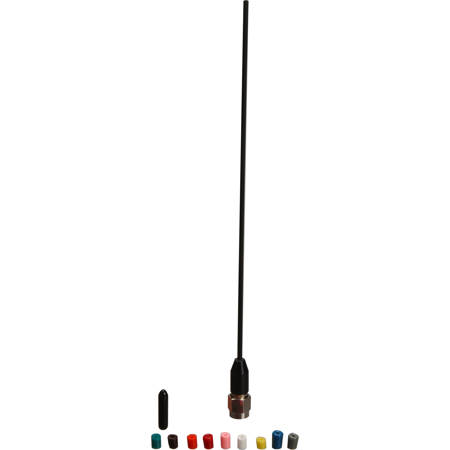
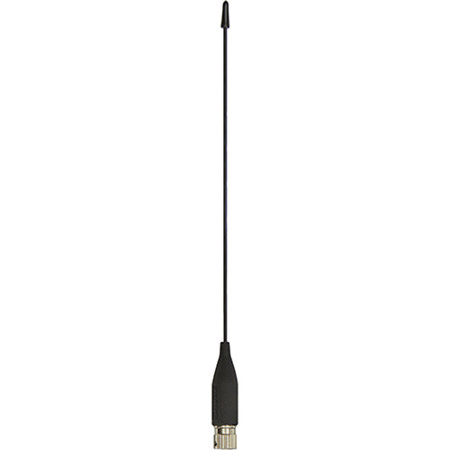
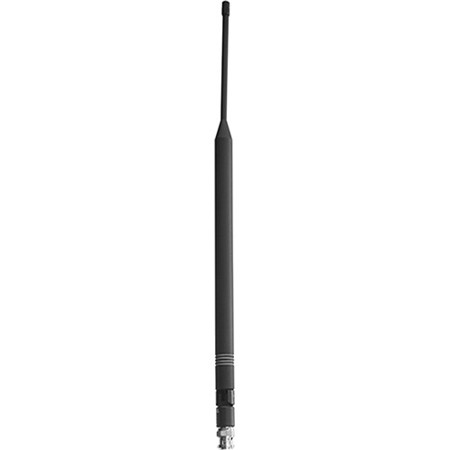
VHF antennas play a vital role in a wide range of applications, from marine communications to land-based mobile and fixed installations. These antennas are engineered to operate within the very high frequency (VHF) band, typically spanning 30 MHz to 300 MHz, which is prized for its ability to support reliable line-of-sight communication over considerable distances. For mariners, a robust VHF antenna is indispensable, ensuring clear and consistent contact with other vessels, harbormasters, and emergency services. The harsh marine environment demands antennas constructed from durable materials like fiberglass or stainless steel, both of which resist corrosion and withstand relentless exposure to sun, salt, and spray. Fiberglass models, often ranging from 1.5 to 2.4 meters in length, are favored for their higher gain—often 3 dB or 6 dB—providing extended range for larger boats or yachts. Conversely, stainless steel whip antennas, while sometimes shorter, offer exceptional resilience and are well-suited for smaller boats where flexibility and impact resistance are priorities.
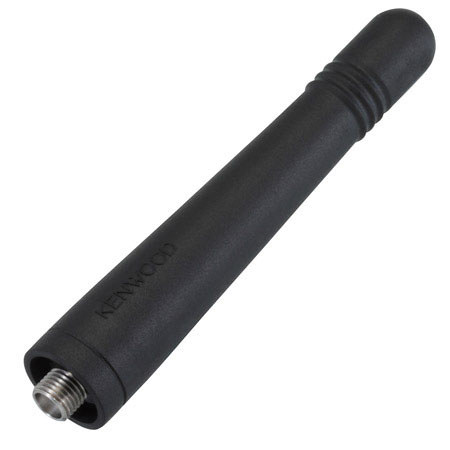
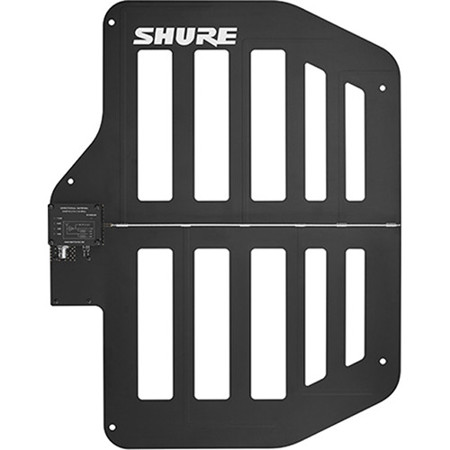
For those outfitting vehicles or commercial fleets, VHF antennas come in a variety of configurations, such as 5/8 wave coils or NMO mount designs, tailored for mounting on trucks, emergency vehicles, or service vans. The right choice balances gain, mounting height, and durability, ensuring reliable communication whether traversing rural backroads or navigating dense urban environments. In addition to commercial and marine uses, VHF antennas are also integral to home entertainment, especially for those seeking to capture over-the-air television broadcasts on channels 7–13. Outdoor and indoor VHF TV antennas are designed to maximize signal reception, often featuring weather-resistant housings and optimized gain patterns to pull in distant stations with clarity. With February’s unpredictable weather and longer nights, now is an ideal time to upgrade or replace aging antennas to ensure uninterrupted communication and entertainment, whether you’re preparing for a spring boating trip or enjoying cozy nights at home.
Selecting the right VHF antenna hinges on several key factors, with installation height being the most critical. The higher the antenna, the greater its effective range; a 2-meter (6.5-foot) antenna typically provides about a 5-mile communication radius, while positioning an antenna at 15 meters (50 feet)—such as atop a sailboat mast or a building—can expand coverage to over 10 miles. Gain is equally important: higher gain antennas, such as those rated at 6 dB, focus energy more narrowly, extending range but potentially making them less stable on smaller, rockier boats that pitch and roll. Material choice further influences longevity and performance, with fiberglass preferred for longer, high-gain antennas and stainless steel valued for its ruggedness. Signal integrity also depends on quality, low-loss coaxial cable—usually terminated with PL259 connectors—to minimize transmission losses, particularly over longer cable runs. When considering a VHF antenna as a gift, it’s a thoughtful choice for boating enthusiasts, amateur radio operators, or anyone who values reliable communication in remote or challenging environments. For those seeking even more specialized solutions, such as compact or portable antennas for handheld radios, exploring options like SMA Antennas can open up additional possibilities. No matter the application, investing in a quality VHF antenna and installing it at the optimal height ensures clear, dependable communication and peace of mind, season after season.
For those outfitting vehicles or commercial fleets, VHF antennas come in a variety of configurations, such as 5/8 wave coils or NMO mount designs, tailored for mounting on trucks, emergency vehicles, or service vans. The right choice balances gain, mounting height, and durability, ensuring reliable communication whether traversing rural backroads or navigating dense urban environments. In addition to commercial and marine uses, VHF antennas are also integral to home entertainment, especially for those seeking to capture over-the-air television broadcasts on channels 7–13. Outdoor and indoor VHF TV antennas are designed to maximize signal reception, often featuring weather-resistant housings and optimized gain patterns to pull in distant stations with clarity. With February’s unpredictable weather and longer nights, now is an ideal time to upgrade or replace aging antennas to ensure uninterrupted communication and entertainment, whether you’re preparing for a spring boating trip or enjoying cozy nights at home.
Selecting the right VHF antenna hinges on several key factors, with installation height being the most critical. The higher the antenna, the greater its effective range; a 2-meter (6.5-foot) antenna typically provides about a 5-mile communication radius, while positioning an antenna at 15 meters (50 feet)—such as atop a sailboat mast or a building—can expand coverage to over 10 miles. Gain is equally important: higher gain antennas, such as those rated at 6 dB, focus energy more narrowly, extending range but potentially making them less stable on smaller, rockier boats that pitch and roll. Material choice further influences longevity and performance, with fiberglass preferred for longer, high-gain antennas and stainless steel valued for its ruggedness. Signal integrity also depends on quality, low-loss coaxial cable—usually terminated with PL259 connectors—to minimize transmission losses, particularly over longer cable runs. When considering a VHF antenna as a gift, it’s a thoughtful choice for boating enthusiasts, amateur radio operators, or anyone who values reliable communication in remote or challenging environments. For those seeking even more specialized solutions, such as compact or portable antennas for handheld radios, exploring options like SMA Antennas can open up additional possibilities. No matter the application, investing in a quality VHF antenna and installing it at the optimal height ensures clear, dependable communication and peace of mind, season after season.