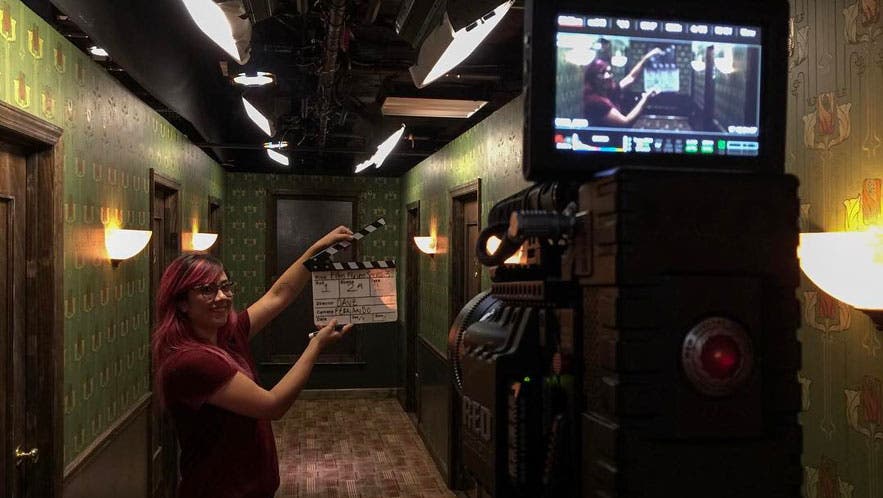
The purpose of storytelling is not only to inform, but to convey an emotion. In the case of video storytelling, conveying that emotion is through visual language, motivation, and sound.
Here are five elements I always try to keep in mind whenever I’m shooting a project.

Research
First and foremost, do your research. The more you know about the subject, the better you can tell that particular story. Whether its an interview you are conducting or a conversation you are constructing, you need to know what it is you are talking about if you want to transmit important information to your audience.

Show, Don’t Tell!
Video storytelling is, by definition, a visual medium. To use it to its full capacity, you must immerse the viewer into the world as if they are the ones witnessing the action. Let them find their conclusion and form their own opinion. That way, there is a greater sense of satisfaction if they discover it on their own.
Guide the Eye
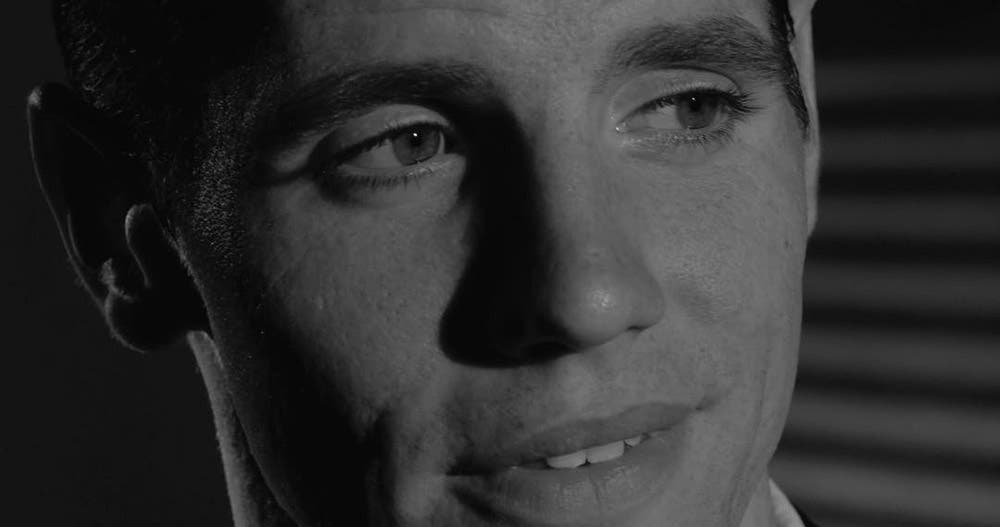
So now that you’re showing instead of telling, you can use the classic “Wide, Medium, Tight,” which has been part of the language of cinema more or less since its conception. It can be used to establish your location, show the most minute detail, and everything else in between. What you show is as important as how you show it, which refers to motivation. Why are you using a wide-angle lens? Why have the need to move the camera, or go into a slow-motion shot? Every tool in your cinematic arsenal needs a reason or motivation for being used.
Conflict
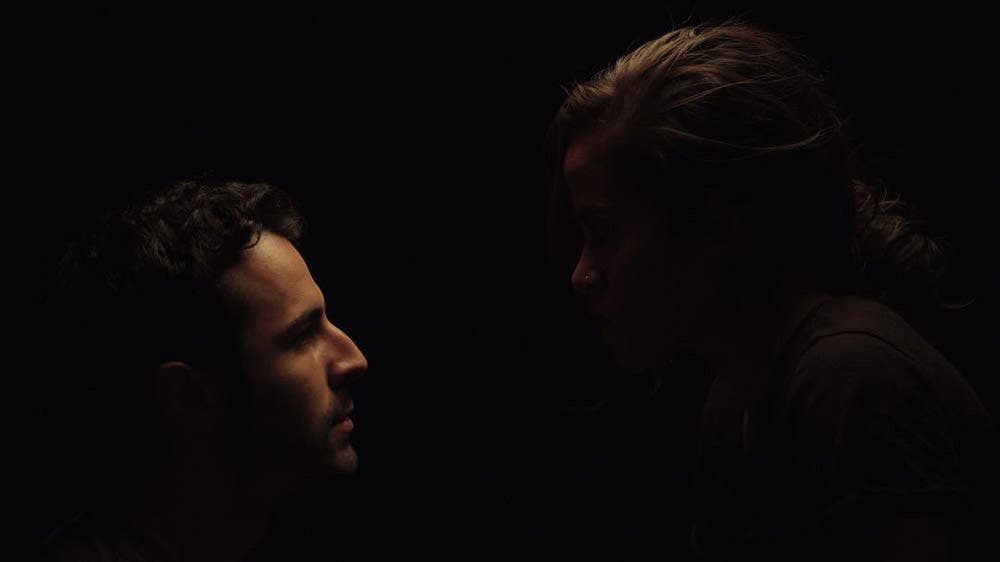
Conflict is the backbone of every story. It’s what your character or subject needs to overcome to make us care about the outcome. The sooner you locate the obstacle in your character’s way, the better you can use cinematography to show how he/she succeeds or fails. Finding out the true conflict in the story you are telling best serves your audience.
Sound
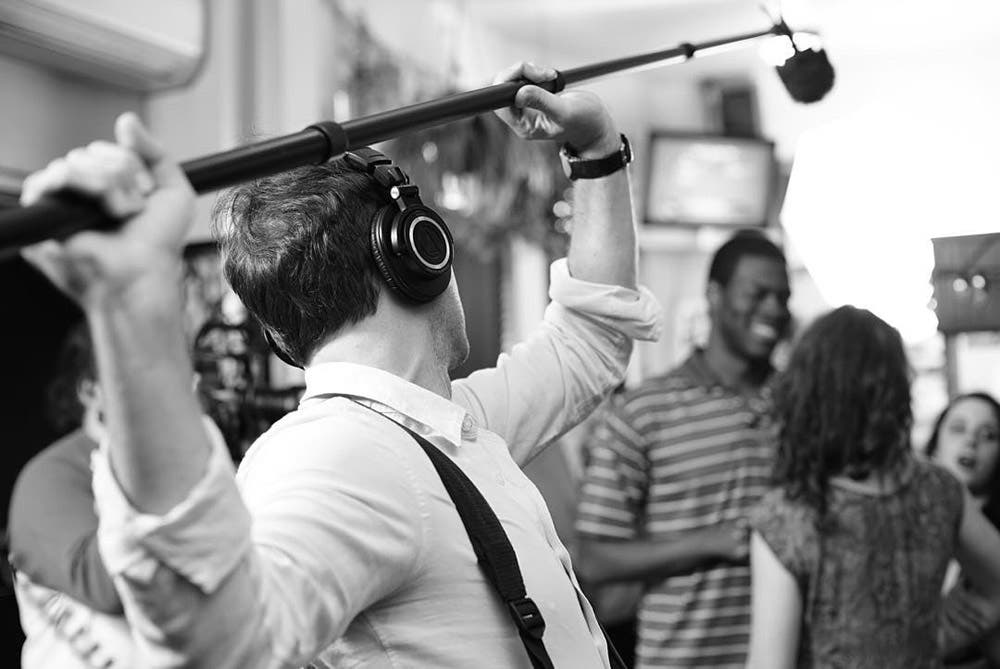
One of the most forgotten aspects of video production is sound, and that goes for whether it’s a voiceover or wild track. Sound is comprised of information you can use to complement any story. The spectrum of cinema is divided between writing, imagery, and sound. That makes the sound a third of the film you’re putting together and thus a very integral part. And don’t forget that sound is more than just dialogue; it is also the well-timed sound effect or the perfect piece of music. All of this comes together to form your perfect visual story.