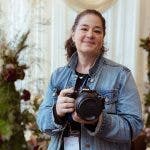
I walked into Adorama in New York City recently with a simple intention: to begin learning how to incorporate off-camera flash into my photography workflow. I’ve spent years relying on natural light, shaping it, chasing it, and working within its limits. For a long time, that felt like enough, until it wasn’t.
What I didn’t expect was to walk out not only with new tools and guidance, but with a renewed sense of confidence that I was stepping into something I’d been preparing for all along. Between conversations at photo walks and events, hands-on learning, and moments of unexpected encouragement, a reminder that community matters just as much as gear.
The Limits of Natural Light
Learning photography at the beginning can feel overwhelming, at least it did for me. There are so many tools, techniques, and opinions that it’s hard to know where to start, let alone where to focus your energy.
From the very beginning, my philosophy was simple: learn to use whatever I have as well as I possibly can until I hit a limitation. That limitation would be the signal to expand my kit and skillset not the other way around.
For a long time, that meant shooting almost exclusively with natural or available light. I learned how to read it, shape it, and work within its constraints. That approach served me well, until I started photographing weddings and events.
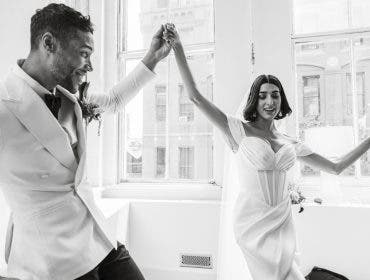
Low-light environments forced my hand. If I wanted to reliably capture meaningful moments, I had to learn how to use on-camera flash. I use the word master loosely, but over time I became very comfortable balancing ambient light and adding just enough flash to properly expose my subjects during important moments. Once the dance floor fills, that’s where I allow myself to get more playful and experiment with angles, movement, and creative lighting.
Now, I feel like I’m standing at a pivot point in my career.
As I look toward expanding into more educational opportunities, branding and potentially commercial work, I know this next chapter requires a deeper commitment to lighting and gear. Control, consistency, and intention matter at a higher level and that means stepping beyond what I’ve already mastered.
From Observation to Action
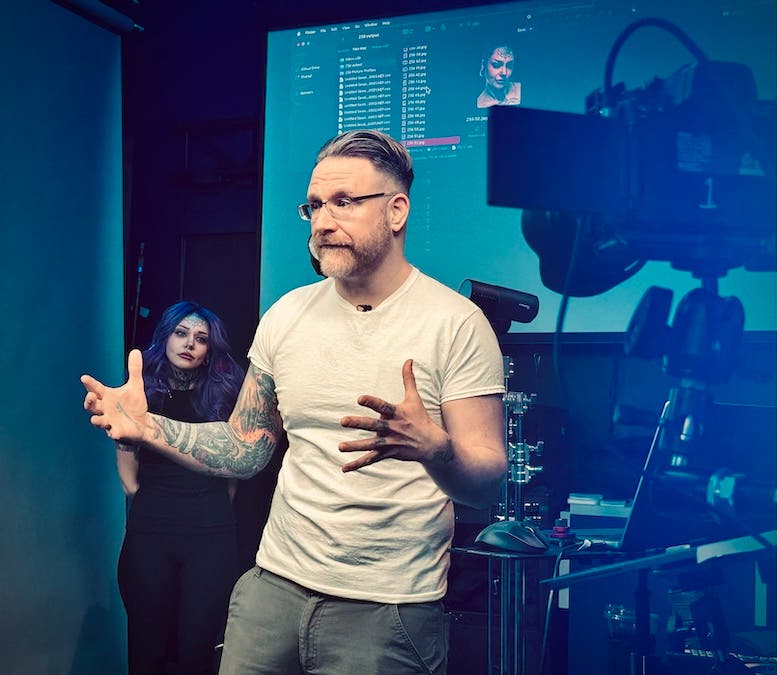
Before I ever picked up a flash or mounted a trigger, I spent a lot of time watching. Listening. Learning from a distance on AdoramaTV.
Over the past year and a half, I immersed myself in demos, videos, and conversations through the Adorama community. I watched photographers break down lighting setups piece by piece and paid close attention to how they spoke about flash not as something overpowering or artificial, but as a tool for control, consistency, and intention.
At first, it felt interesting, but still separate from my day-to-day work. But the more I watched, the more curious I became. I started noticing how often lighting challenges were quietly dictating my creative decisions: where I could shoot, when I could shoot, and how much flexibility I really had.
That curiosity eventually nudged me out from behind the screen and into the room.
I have the privilege of living in NY, so attending live, in-person demos at Adorama is the way to go. Seeing lighting techniques applied in real time and hearing photographers explain not just how they did something, but why which made everything feel more accessible. Watching different photographers work reinforced something important for me: there isn’t one right way to use light, only the way that best supports your vision.
This wasn’t about becoming a lighting expert overnight. It was about giving myself permission to be a beginner again.
Building a New Foundation
What I love most about Adorama is how they’ve managed to preserve the feeling of an old-school camera store, the kind of place where conversations matter and curiosity is encouraged while still offering access to virtually every brand, make, and model you could ever need.
What truly sets them apart, though, is the people. The team is knowledgeable, kind, and genuinely invested in helping creators grow at every stage. After thoughtfully talking through where I am in my work and how I want to begin incorporating lighting, Joe Addison took the time to understand my goals before recommending anything. It was clear his intention was not just about selling gear, but building a foundation I could learn & grow with.
I’m beginning this next chapter with Flashpoint gear, chosen intentionally to support learning, experimentation, and real-world use:
- Flashpoint Zoom Li-on TTL Compact V480 (Nikon)
- Flashpoint R2 Nano Pro TTL Wireless Flash Trigger
- Glow Parasnap 28″ Octobox with grid
- Glow Collapsable 42″ reflector
- Flashpoint Lightstand 7.2″ air cushioned
As I start integrating off-camera flash into my workflow, I plan to document the process honestly to share what works, what challenges me, and how lighting begins to influence the way I approach different types of shoots. I’ll be exploring everything from clean, professional setups to more creative applications, always with the goal of maintaining the natural, connected feel that has long defined my work.
Adorama has been an important part of my learning journey, and I’m grateful for the access, education, and community they continue to foster. This chapter is a continuation of a relationship built on learning, trust, and shared excitement for what’s possible with light and beyond!
Putting It Into Practice
Watching and learning is one thing, however applying it is something else entirely.
I knew the only way forward was to start experimenting for myself. In addition, I will be filming and documenting the learning process of my journey into learning lighting. It will be uploaded to AdoramaTV, which is extremely exciting!a
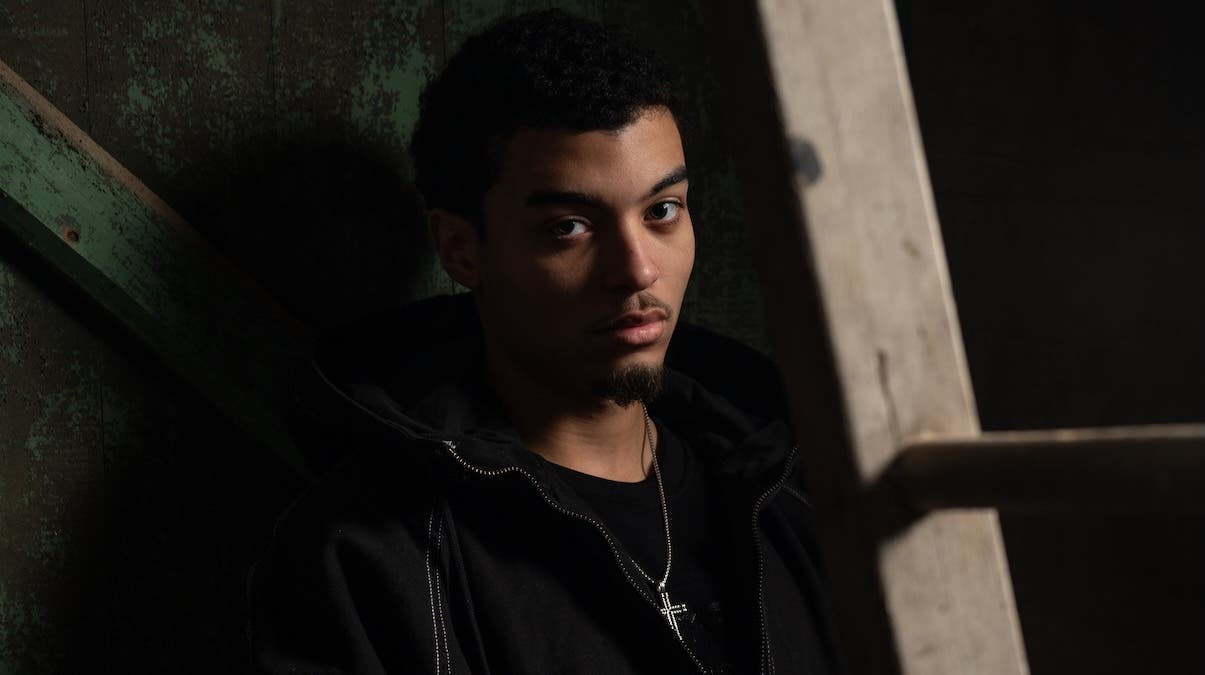
For this first shoot, I chose a 100-year-old dairy barn that I’ve photographed many times. It’s a space I love, it’s got a lot of great characters, patina and spooky nooks and crannies to explore. Capturing that has come with limitations when relying solely on natural light. Returning to it with off-camera flash felt like revisiting something familiar with a completely new perspective.
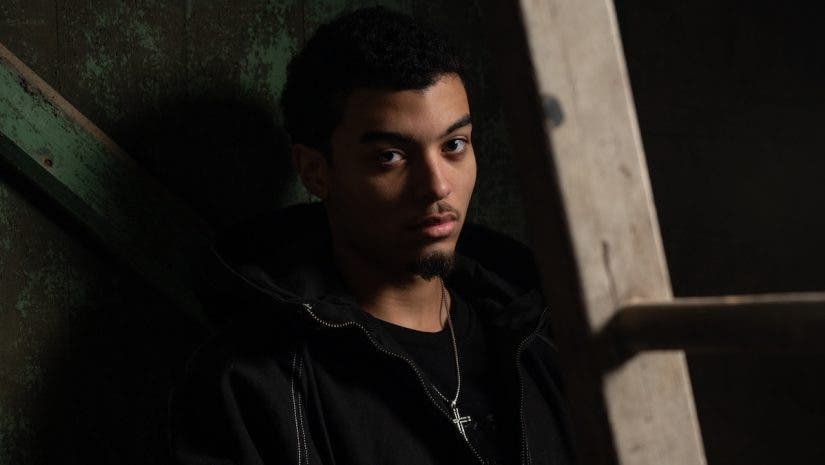
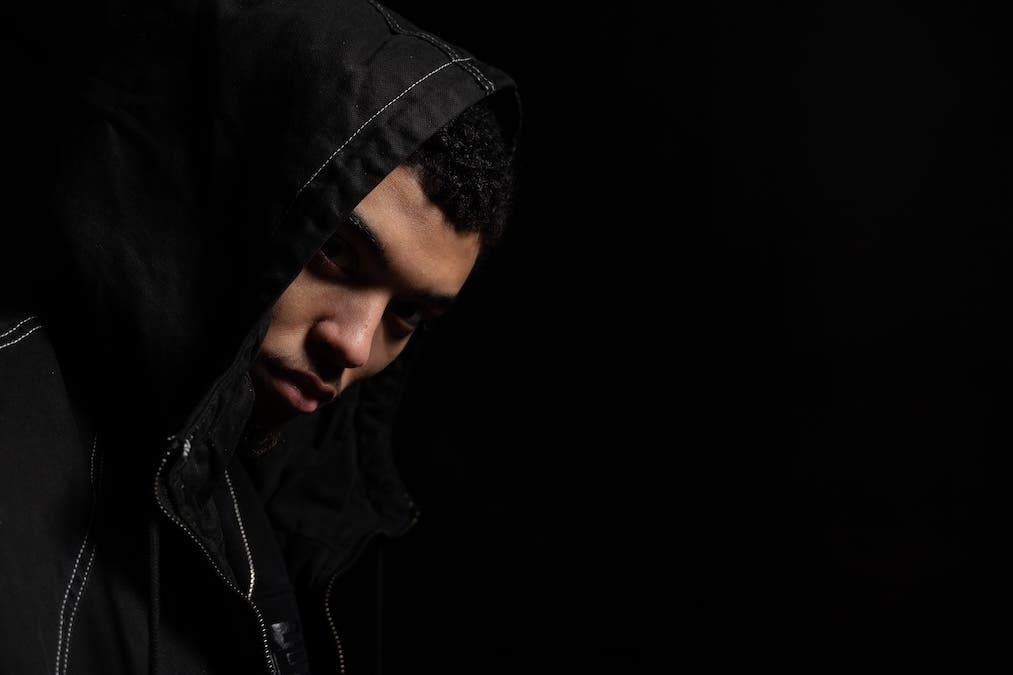
I photographed my assistant, Nate, and we leaned fully into a moody, directional lighting approach. Using the Flashpoint speed light and R2 Nano Pro trigger, I set up a single off-camera light with a grid to help narrow and control the light.
This is where the lessons from the live demos really started to come through.
Based off of Daniel Norton’s video where I had the pleasure of attending live (One Light Set Up), he inspired me to consider the shadows first, not just light. Considering the shadows made sense to me, where it would fall, how deep it would be, and how it would shape Nate within the frame. I allowed areas to fall off into darkness, creating depth and texture in a way I hadn’t been able to achieve before.
Working with a single light kept me focused. It reminded me of what I observed during Daniel’s session. At the same time, I could feel the influence of Seth’s multi-light demo as well, which I was also lucky enough to attend in person (Evolving the Portrait). It’s not in the number of lights, but in the mindset.
For this shoot, I positioned my reflector to the black side to block light from the other side of the barn and absorb all of the light that spills onto the background. Nate was really able to pop off the background without losing the mood.
Discovering Control
What surprised me most was how much control I actually had. After my first shot, my jaw dropped open. I couldn’t believe I created that.
Small adjustments made a big difference, I just kept moving the light to give me a different vibe. The position of the light, the angle, the distance, and how it interacted with the environment and my model. I just had fun playing with it! I learned that the grid helped me contain the light exactly where I wanted it, allowing the rest of the space to fall into shadow and maintain that moody atmosphere we were aiming for.
These images feel like a turning point for me. Not because they are perfect, but because it represents a shift in how I’m thinking and approaching my photography. I feel so much more expanded and frankly, proud of myself for having the courage to try something new.
I’m no longer chasing light, I’m creating it!
There is still so much I have to learn, but for the first time, lighting doesn’t feel intimidating. It feels like a tool I can grow into.
A Community That Makes It Possible
A big part of this journey has been the community that Adorama has built around photography education.
The live demos, the accessibility of instructors, and the willingness to share knowledge openly create an environment where learning feels approachable. Whether you’re just starting out or looking to evolve your craft, there is a genuine sense that growth is encouraged and supported.
For me, this experience has been more than just learning new gear. It’s been about expanding how I see, how I create, and how I continue to challenge myself as an artist.
And this is just the beginning.