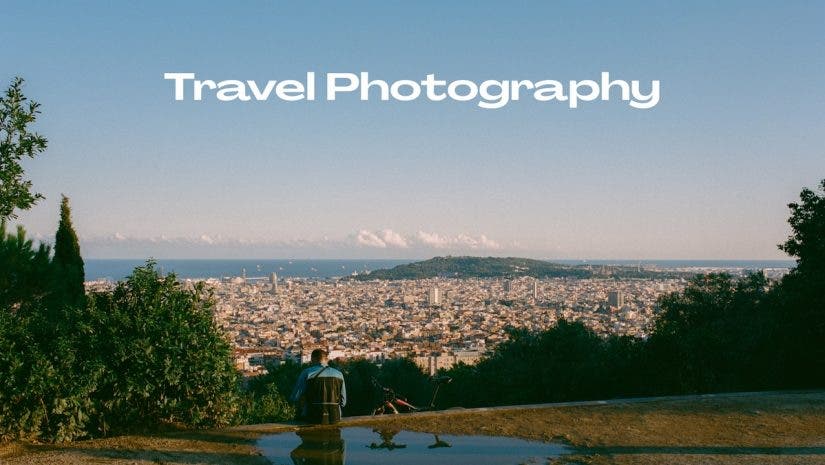
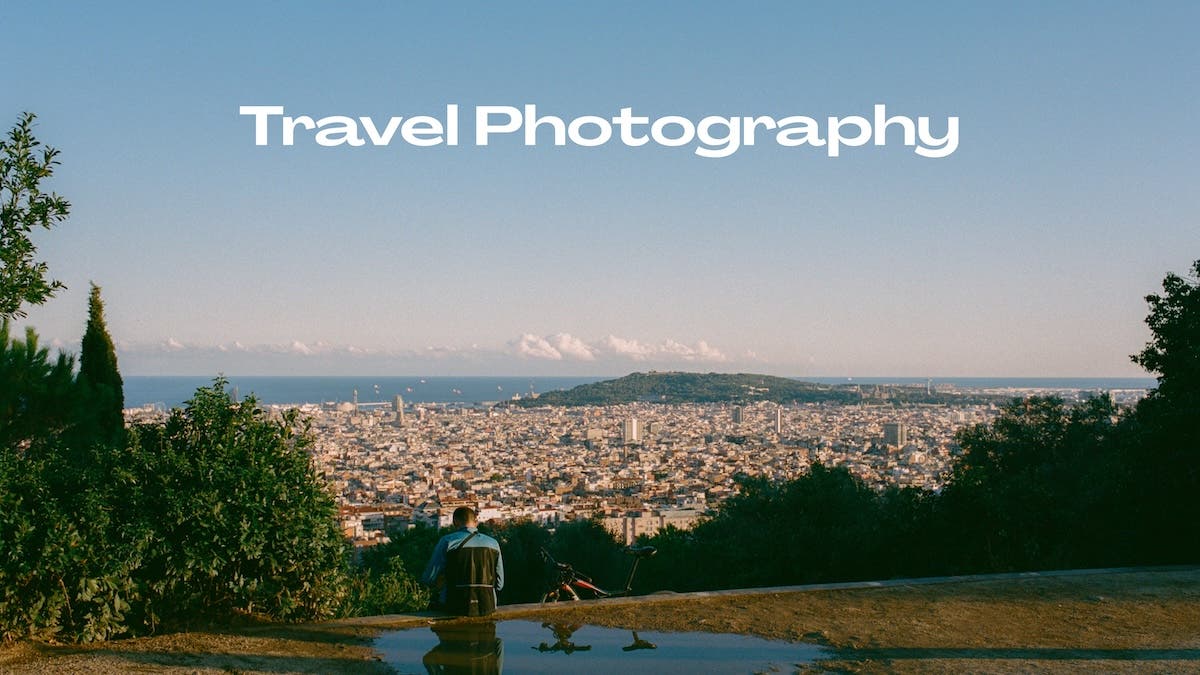
Most people’s travel photos are boring as hell.
Scroll through anyone’s feed after they get back from a trip and you already know what you’re about to see. A landmark from the obvious angle. A wide shot taken at midday. Harsh sunlight flattening everything into a beige mess. It’s not that the places aren’t beautiful, it’s that the photos say nothing.
This isn’t about talent or expensive gear. I’ve sold travel photos to agencies and made my own photobooks over the years using a Nikon F100. You don’t need the latest mirrorless body, shallow depth of field, or some cinematic preset pack to take better photos when you travel.
What you do need is a different approach.
Over time, and after plenty of disappointing rolls of film, I worked out a few things that actually changed the way my travel photos looked and felt. Barcelona felt like the perfect place to put those ideas into words, because if any city has been photographed to death, it’s this one.
The Real Problem Isn’t the Place
When I first started shooting, I did what everyone does. I went away on holiday, took my camera out all day, and shot constantly. I felt productive. And I felt like I was doing photography properly.
Then I got home, looked at the images, and felt flat. The photos didn’t match the memory of being there. They felt lifeless. Too clean. Too empty. Something was missing, and I couldn’t put my finger on it.
For a long time, I assumed the problem was me.
What I didn’t realise was that I had no idea how to shoot in harsh sunlight, which is the exact light you’re dealing with most of the time when you travel.
Learning to Shoot in Harsh Light
If you’re travelling somewhere warm, chances are you’re shooting in the middle of the day. The sun is high, the shadows are brutal, and everything looks harder than you want it to. If you don’t know how to work with that kind of light, your photos are going to look bad no matter how interesting the location is.
There are two main ways to deal with it.
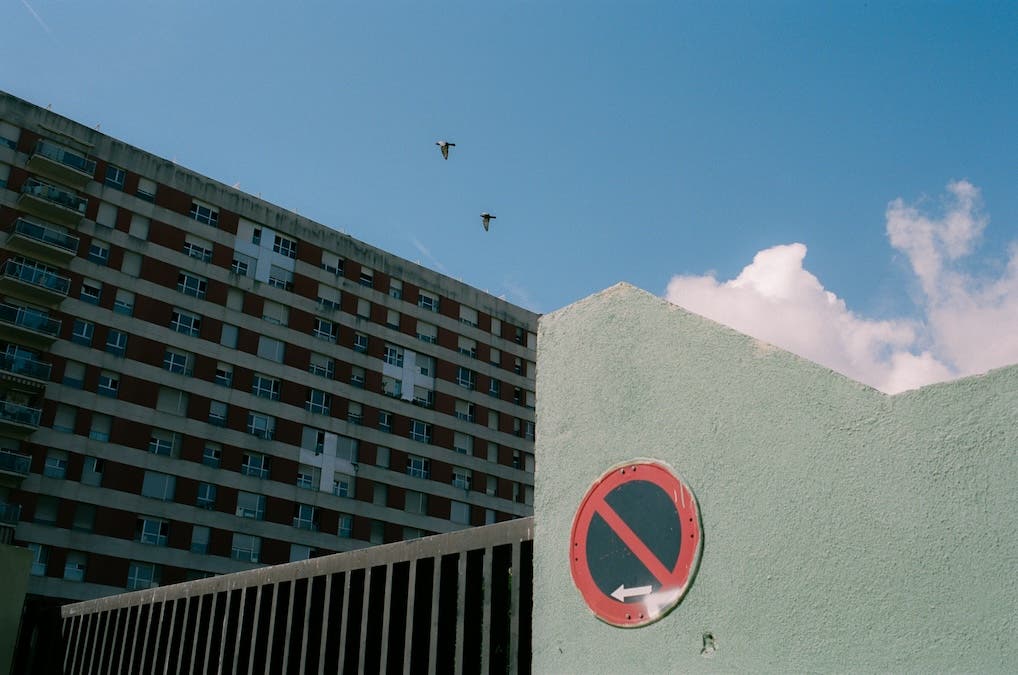
The first is to accept the flatness and simplify. Harsh light strips scenes down, so you need to do the same. Fewer colours. Fewer elements. Cleaner compositions. A wall, a shadow, a single figure crossing the frame. When there’s less depth, composition has to carry the image.
Flat doesn’t automatically mean bad. It only becomes a problem when the frame is overcrowded and chaotic.
The second option is to look for shadows. Even at midday, they’re everywhere if you pay attention. Doorways, alleys, balconies, trees, awnings. Where there are shadows, there’s depth, and depth gives your photos something to work with.
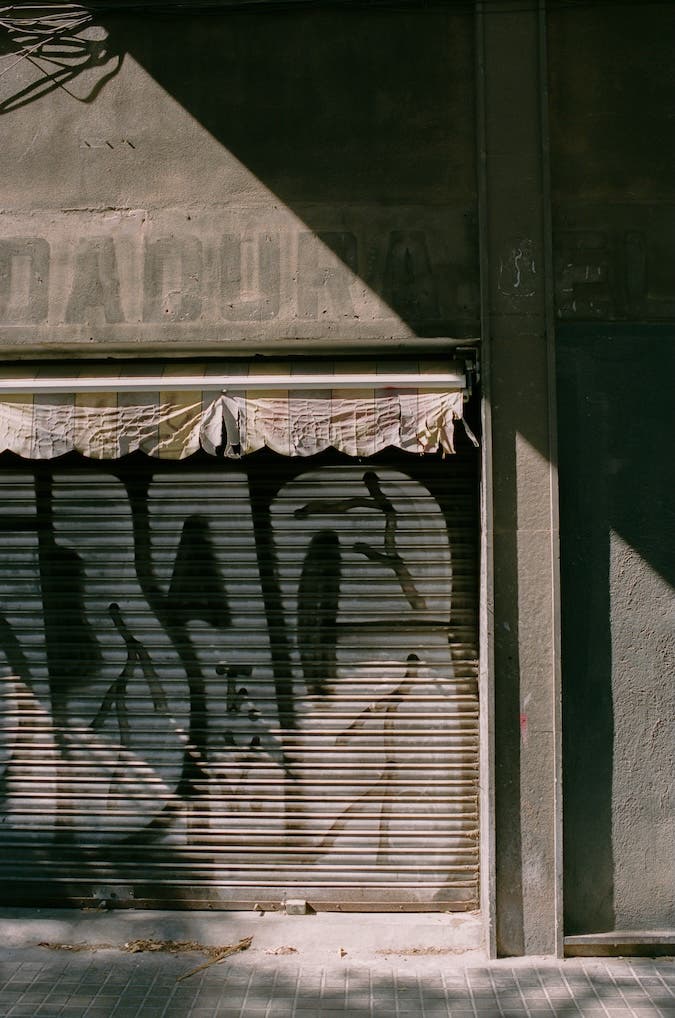
The better you get at shooting in harsh sunlight, the better your travel photography becomes in general, because you stop waiting for perfect conditions that rarely exist.
You Need Time, Not More Locations
Another big mistake people make is trying to see everything.
When you’re travelling with family or friends, photography rarely has your full attention. You’re half shooting and half making sure everyone knows where they’re going, what they’re doing next, and where they’re eating. Somewhere along the way, you become the organiser, and photography turns into something you do on the side.
That’s normal. You’re on holiday.
But if you want better photos, you need to carve out time to shoot properly. Even one uninterrupted hour on your own can be enough to take your best images of the entire trip. You’re focused. You’re not rushing. And you’re actually looking instead of reacting.
You’re in photography mode, not tourist mode.
Why Mornings Change Everything
If you can take that idea one step further, wake up before sunrise.
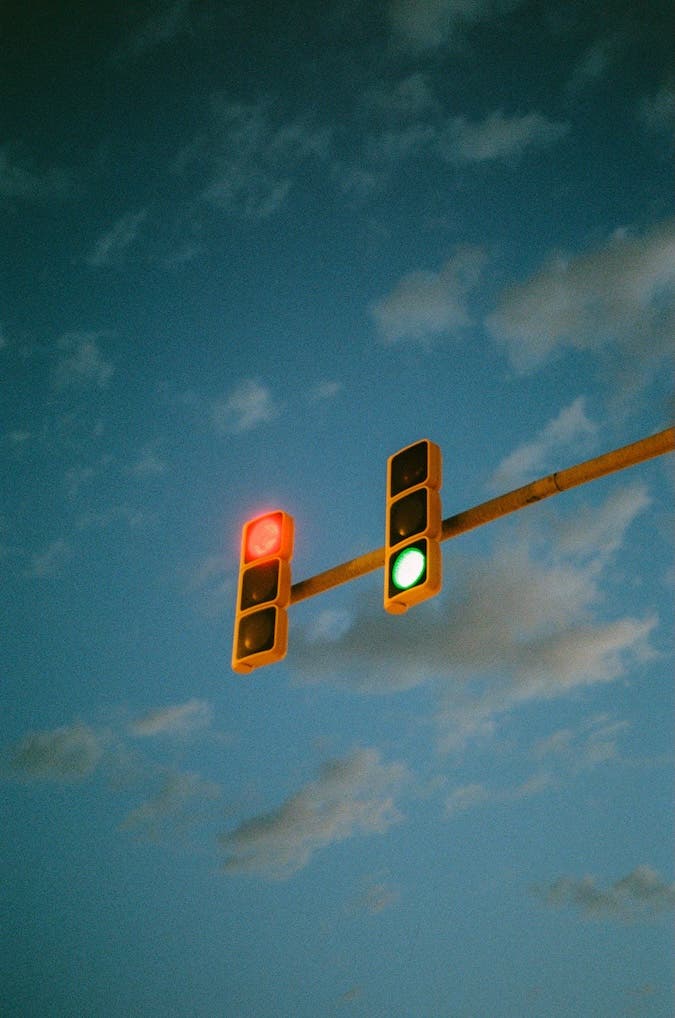
Most people visit a place and never see it early in the morning. The light is softer. The streets are quieter. The atmosphere is completely different. Locations that feel chaotic during the day suddenly feel calm and spacious.
Yes, you still need to know how to shoot in harsh light, but morning light makes everything easier. You can move slowly. You can think. And you can take photos without constantly dodging people.
If you did nothing else but start shooting in the early morning, your travel photos would improve almost automatically. The morning just hits differently, unless you stayed out far too late the night before.
The Landmark Trap
Every city has a thing.
In Barcelona, it’s the Sagrada Familia. Big, chaotic, unfinished, and instantly recognisable. Wherever you travel, there’s always something like this. The landmark everyone photographs.
And that’s exactly why those photos rarely work.
When you look back at them later, they feel empty. Not technically bad, just uninspiring. People have seen them too many times. They’re postcards. Nice enough to look at, easy to forget.
That doesn’t mean you shouldn’t photograph well known places. It just means you can’t photograph them in the obvious way.
Finding a Different Angle
If you’re going to shoot famous spots, you have to work harder than everyone else standing next to you. Ask yourself what’s actually interesting in the scene. Is there something happening around the landmark that matters more than the landmark itself. Can it sit in the background instead of dominating the frame.
In Barcelona, the cathedral became far more interesting when it was part of a larger scene. Kids playing in the foreground. People moving through the frame. Life happening with this massive structure looming behind it. Suddenly there’s context and story, not just documentation.
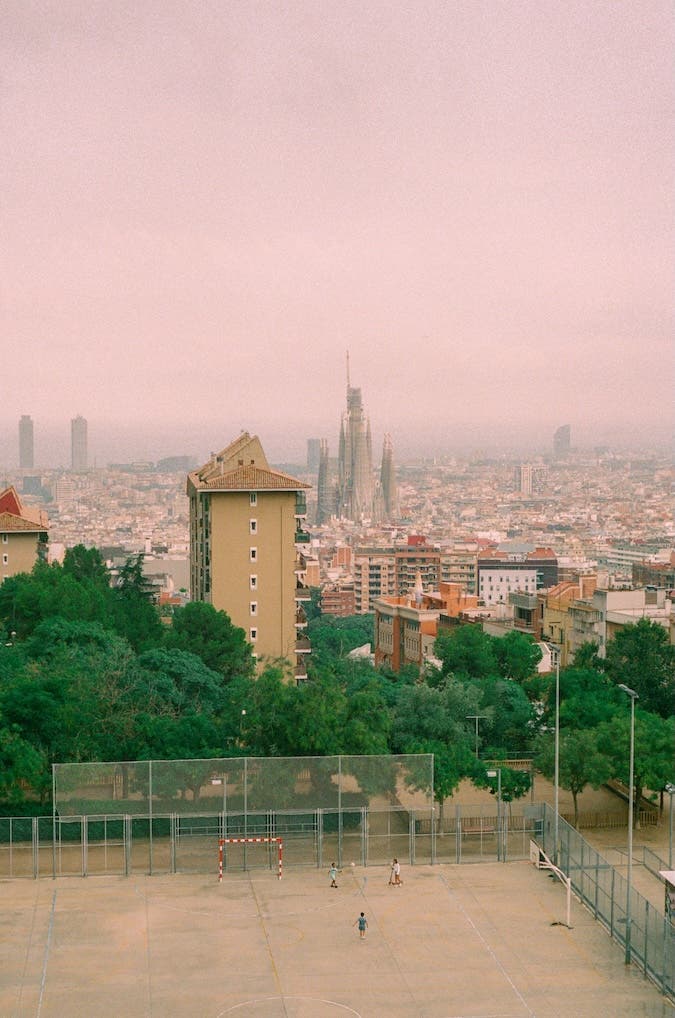
The same applies to experimenting. Slower shutter speeds. Letting movement blur. Trying angles that feel slightly wrong. You won’t love every result, but at least something is happening.
Photograph Life, Not Just Places
The biggest shift, and the one that made everything fall into place for me, was this.
Stop focusing on photographing the place and start focusing on photographing life in the place.
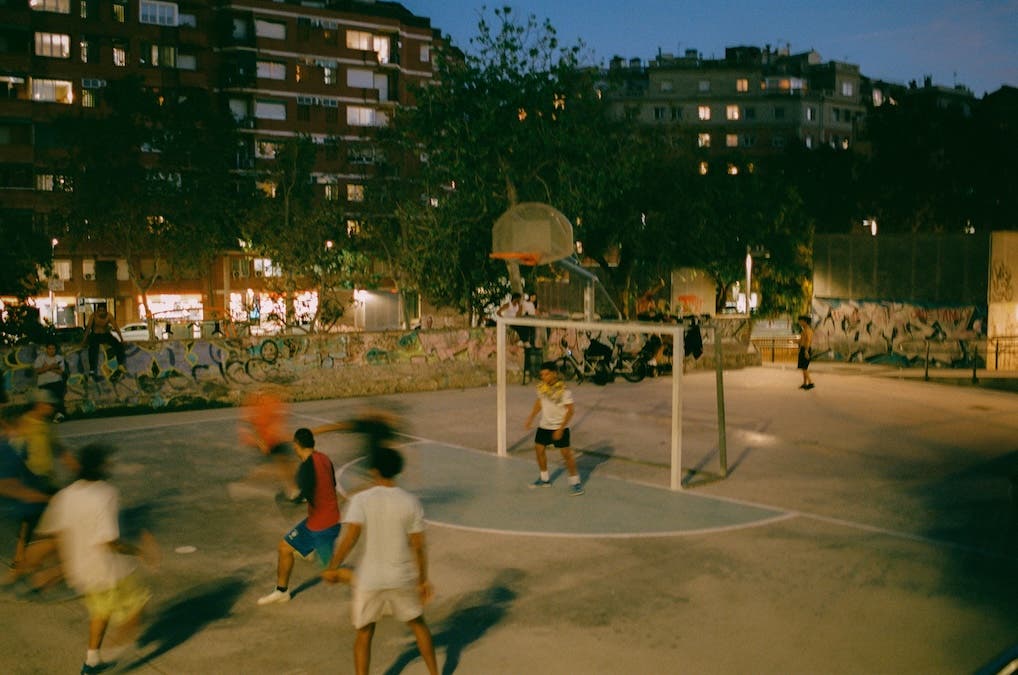
Not the tourist version. Not just the polished, pretty parts. Walk without a plan. Explore side streets. Pay attention to small, ordinary moments. Trust that your favourite photo will probably be something completely random that you weren’t looking for.
Those are the images that hold up over time.
What This Is Really About
None of this is complicated. It’s just about being intentional.
About light. About time. And about what you choose to point your camera at. When you stop trying to collect locations and start paying attention to how a place actually feels, your photos change.
The goal isn’t perfect images or impressive shots of famous buildings. It’s coming home with photos that still mean something when the trip is over.