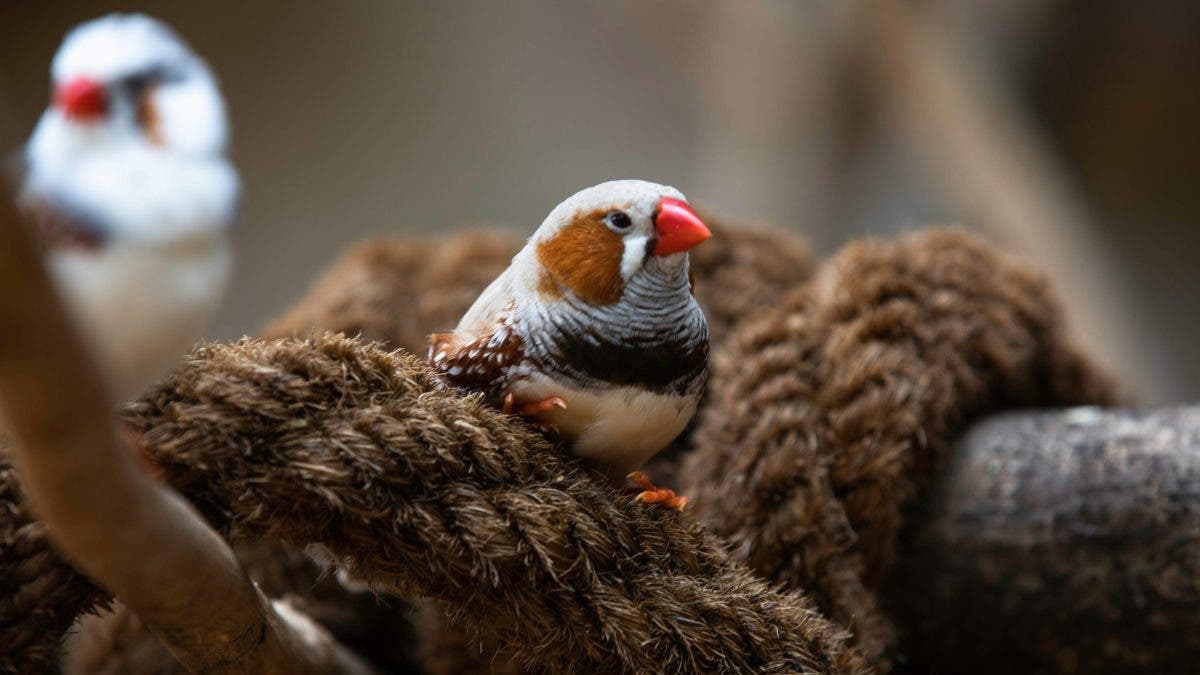
More than the sweet symphony of their chirping and the grace of their wings flapping, birds — of different sizes, features, and colors — offer more than the balance of nature; they are creatively made, or have exquisitely evolved (whichever you believe in), and their existence itself is enough sight to marvel.
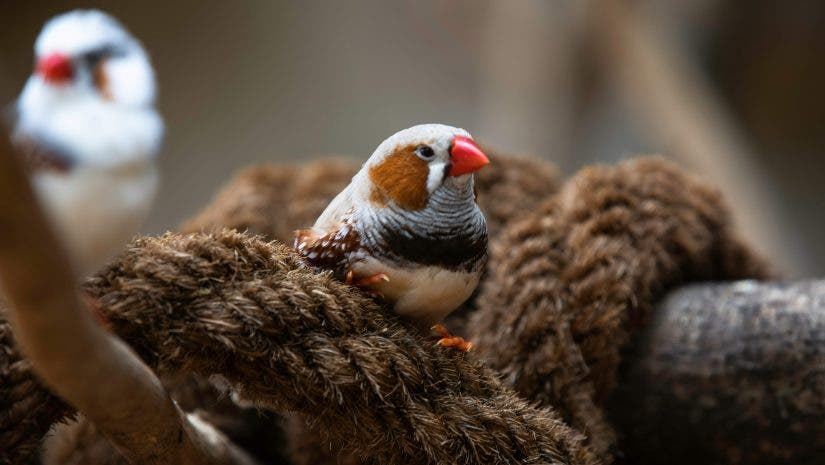
Bird photography is capturing a definitive photograph of an individual bird as a representative of its species. From the Scarlet Macaw characterized by their bright red, blue, and yellow feathers, to the striking green and purple plumage of the Gouldian Finch, bird photography requires skill and good camera units and lenses to perfect the art whether they are in midflight, resting at a branch, or mundanely staring into the great unknown.
These camera specs and equipment help photographers — professionals and novices — capture a picture-perfect avian by conquering predicaments such as lighting, distance, height, obstructions, and movements. Patience also plays a huge role. However, with the right paraphernalia, one can save their patience for some other time, for some other problems.
The right cameras and lenses must perfectly cater to the shutterbug’s needs. This matters especially because birds vary in size, speed, and distance from the camera’s position. A telephoto lens captures fine feather details best, since you can set it up without disturbing the birds. For our avian jets, a camera with fast autofocus, high burst speed, and good low-light performance ensures sharp, dynamic shots. The fleeting moments in the wild are best captured using a high-quality impeccable combination of equipment.
Key features in a bird photography camera
Autofocus speed and accuracy
The avian world is clad in swiftness. The fastest frequency of the flapping of wings is held by the hummingbird which flaps at a rate of 80 times per second. Furthermore, the fastest recorded speed is held by the Peregrine Falcon that “stoops” at 240 mph. Needless to say, in just a blink of an eye, you may automatically lose your subject in bird photography. That is why a camera with good autofocus speed and accuracy is the best equipment one can have.
Frame rate (fps) for continuous shooting
Still on the subject of speed, a good bird photographer knows that capturing the best shot in each infinitesimally small unit of time requires a shutter that functions like a video — one whose frames, when displayed in sequence, create a series of tightly connected images that resemble a video clip. A high-frame-rate camera makes this possible.
Sensor size and resolution
These two seemingly minor features in a camera create a huge difference in your outputs. They determine the amount of detail your camera will capture and how the camera performs under specific lighting. More light is collected by large sensors providing exceptional quality photos under low-light conditions. Meanwhile, resolutions dictate how detailed your photos are (in megapixels). It’s important in identifying how much the photographer can crop, especially when the avian subjects are farther from the camera’s origin.
Weight and portability
Of course, bird photography requires photographers to journey in the great outdoors. A bulky set of camera, as well as tripods are not the smartest of choices. Amid rainforests, grasslands, and tundras where temperatures may be harsh, and weather may be unpredictable, a good lightweight and portable photography equipment are needed to survive camping for days and nights just to get the perfect shot, notwithstanding the trails and hikes that needed to be treaded in order to reach the ideal site for bird photography.
Durability and water-sealing
And most importantly, quality reigns supreme. A smart photographer considers not only the specs of the camera and its possible performance but the overall quality and durability of the gadget. As mentioned above that the great outdoors is bird photography’s studio, environmental factors should be considered. For example, climate and humidity. Thus, a durable camera plus good water-sealing is the cherry on top for the adventure of capturing one of nature’s best!
Best cameras for bird photography
Mirrorless cameras
Offering fast and accurate autofocus, frame rates that reach up to 195 fps (Canon EOS R3), mirrorless cameras sit at the top of the pack for bird photography. Moreover, their silent shutters do not perturb birds, thus not scaring the avian subjects away. These cameras are also lighter and more compact compared to DSLRs (see more below), making them easier to carry around during trips and hikes. Brands like Canon (R7, R5), Nikon (Z8, Z9), and Sony (A1, A7R V) are popular for their speed and tracking ability.
DSLR cameras
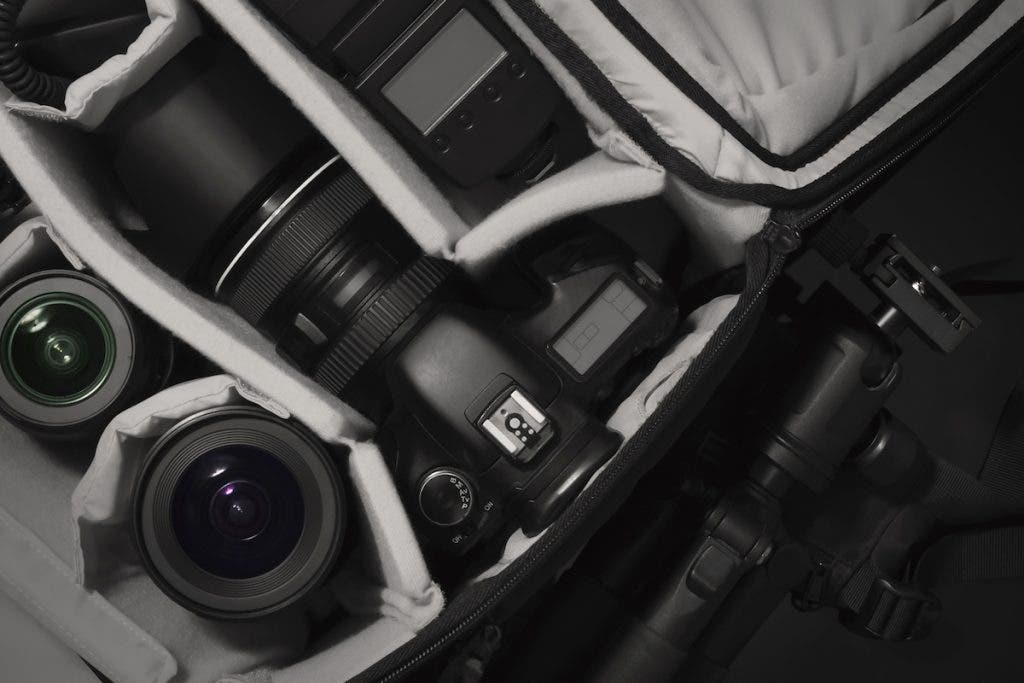
Digital Single-Lens Reflex (DSLR) cameras have long been the standard for wildlife photography. The sophisticated features of these high-end cameras provide a vivid image of the wild in full colors, especially with its long battery life and optical viewfinder feature. These cameras are also compatible with a plethora of telephoto lenses, making them more flexible and adjustable. Some of the recommended DSLR camera models are Nikon D500 or Canon EOS 7D Mark II, notable for both durability and swift autofocus feature. However, DSLRs are bulkier and slower compared to modern mirrorless systems.
Budget-friendly options
Of course, for those who are not as financially liberated and privileged as some, bird photography can still be enjoyed in the absence of the most expensive gear available in the market. Entry-level or mid-range cameras — like the Canon R10, Nikon Z50, or Sony A6700 — still offer fast autofocus and crop-sensor advantages (extra reach with telephoto lenses). These cameras are more budget-friendly but the production of priceless bird photos is still possible.
Best lenses for bird photography
Prime telephoto lens
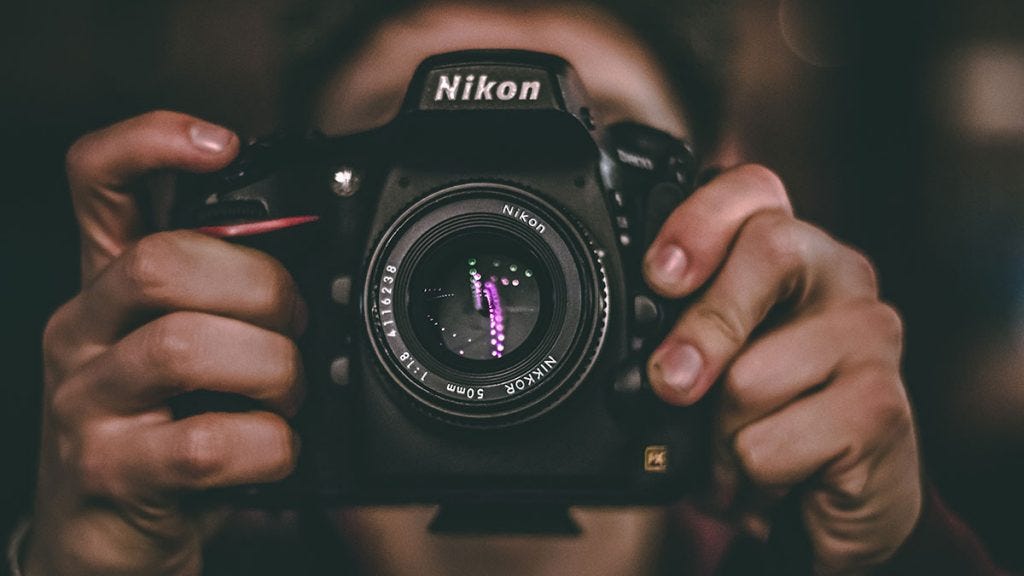
When aiming to deliver exceptional sharpness, the wide maximum apertures (f/2.8–f/4), and fast autofocus features of Prime Telephoto Lenses (fixed focal length: 300mm, 400mm, 500mm) make it the golden treasure of bird photography. From flight to low-light, these lenses are capacitated to shoot such challenging scenes in wildlife photography. However, these lenses cost an arm and a leg. Plus, they’re also not adventure-friendly as they are usually heavy and less flexible since one cannot zoom in nor out.
Telephoto zoom lenses
In finding the balance between versatility and affordability, zoom lenses (100-400mm, 150-600mm, 200-600mm) let the user adjust focal length, depending on the avian subject’s distance. This is perfect when photographing varied environments, although slightly less sharp than primes and have smaller maximum apertures (f/5.6–f/6.3). Nonetheless, these lenses can still be used to produce high-end bird photos at a fraction of the price and weight.
Budget-friendly lenses
As always, we are for those beginners and hobbyists who are reluctant to invest such huge sums of cash for bird photography equipment. Sigma and Tamron — third-party brands — make excellent telephoto zooms at a much lower price.
Tips for choosing the right gear
Match gear to your shooting style
For moving subjects, it’s best to invest in cameras with high frame rates and fast autofocus, as well as a telephoto lens that locks in on the focus quickly. Meanwhile, for those who want to appreciate the very plumage of stationary birds, sharp prime or zoom is ideal for that chef’s kiss resolution and sharpness.
Balance portability and image quality
Remember, bird photography is all about the outdoors. Big lenses mean better photo quality but bulkier freight. For challenging terrains and locations, lightweight equipment is much more convenient.
Consider your budget wisely
Photography is a financially demanding endeavor. Instead of overspending on a camera body, you’ll often get more impact by investing in a quality lens, since lenses usually last longer and hold value better than camera bodies.
Rent or test before you buy
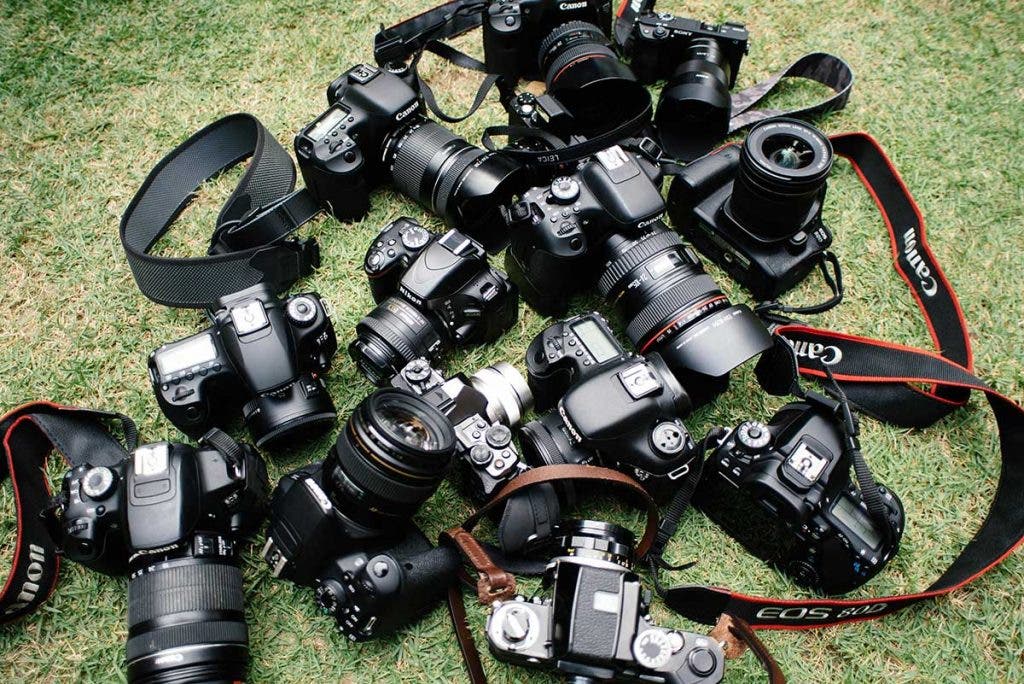
Local shops and rentals are commonly available. When one ventures on a trip on deciding what camera and/or lens to buy, it’s best that you have tried working with a specimen of your choice rather than purchasing something that you might regret in the future.
More than patience and timing, bird photography is also defined by preparations taken by the photographer. Choosing the right camera and lens will be your best companion in preserving the beauty of these avian creatures through photographs. But beyond gear, what truly matters is practice, persistence, and a deep respect for wildlife. The best camera is, afterall, your appreciation to the pulchritude of the plumage and flight of the birds. And the best lens is your eyes that wish to tell the world of the wonders found in nature.