Here in the UK, spring is a mixture of hopeful sunshine and wet rainy days. It’s the time of the year when I feel like the physical and metaphorical dark cloud has left me behind and I can start to shoot again. With springtime comes different kinds of spring lighting, of course at different times of the day. I think that learning how to master these different kinds of light will make you a way better photographer, so here’s my guide.
Blue Hour
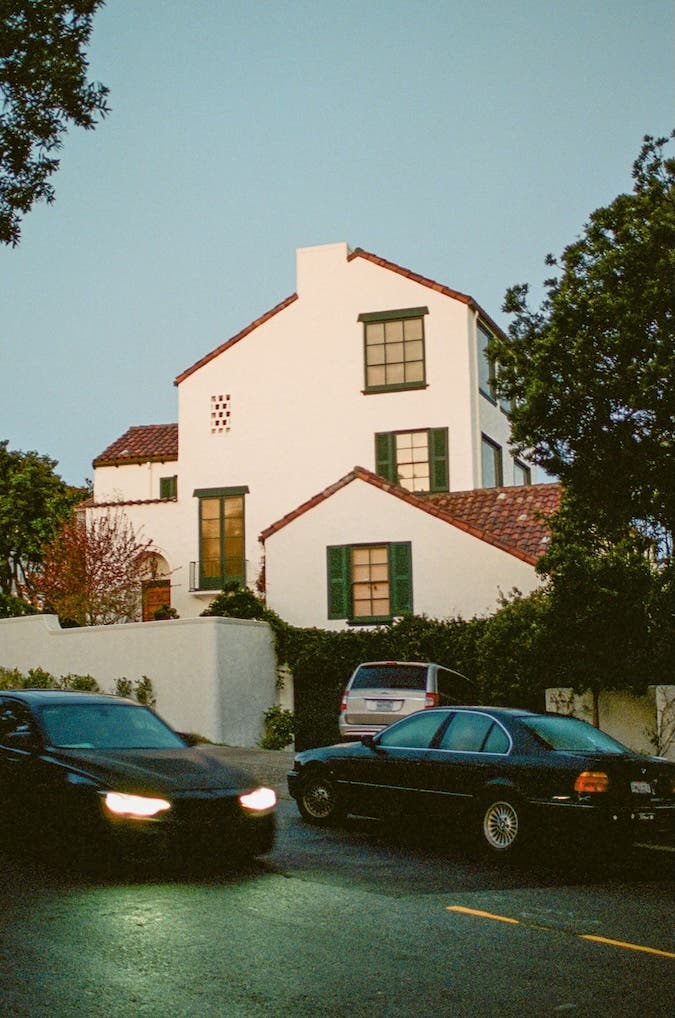
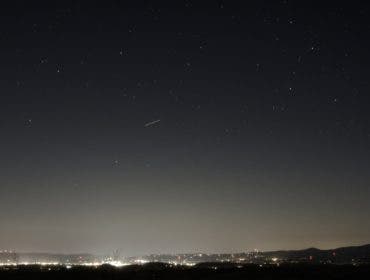
Of course, this will vary throughout the world, but in the UK, at this time of the year, blue hour actually comes at a time of the day where it’s possible to wake up. From around 6:30-7AM, blue hour unfolds, that time of the day when the sun hasn’t risen yet and everything is soft and blue.
I think it’s really important to make the most of this opportunity while it’s not yet insanely early, shoot at blue hour as regularly as you can while it’s not 4:30-5AM.
The softness of spring lighting and the blue tones are completely unique and you’ll also find that there are way fewer people around to make an image messy.
Of course, the same goes for blue hour in the evening, it comes around at about 8pm here, that’s a reasonable time to be out shooting, you could pair it with your evening walk, and once again, you’ll be getting that lovely soft spring lighting and blue tones.
Golden Hour
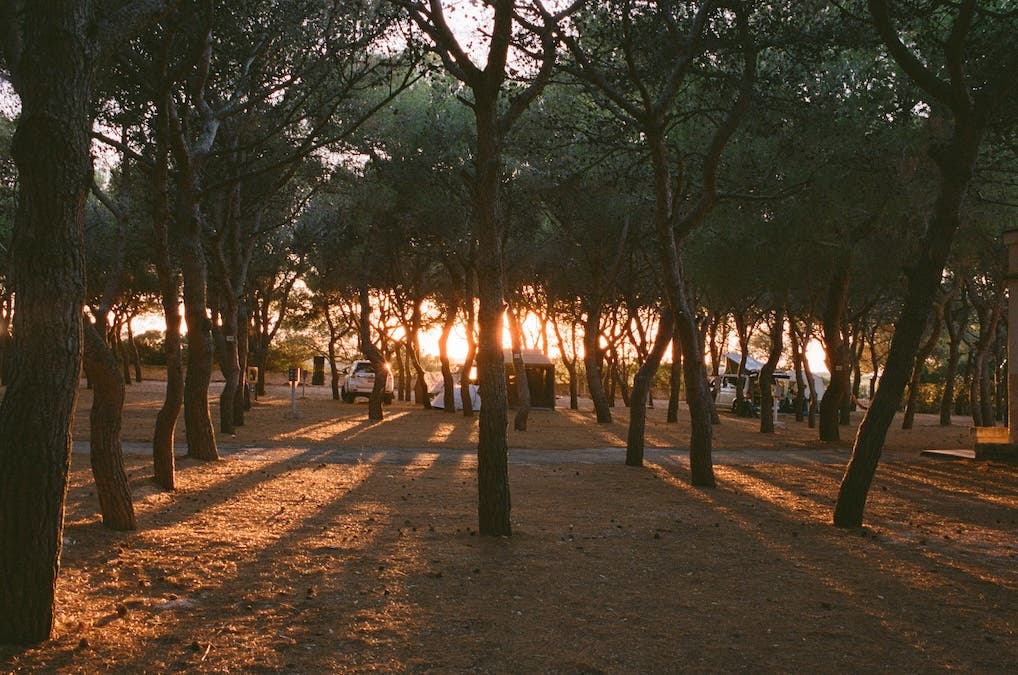
Again, golden hour comes at a reasonable time, just after blue hour in the morning, perhaps 7-7:30AM, and rather than blue tones, you get golden, orange tones.
The best thing about golden hour is you get soft, directional light and this helps to create much more depth in your imagery. If the spring light is coming sideways, you’ll be able to show clear layers of light and create real, immersive depth.
And once again you’ll get this in the evening too, just around sunset, as long as the sun wants to shine!
The Morning and Afternoon
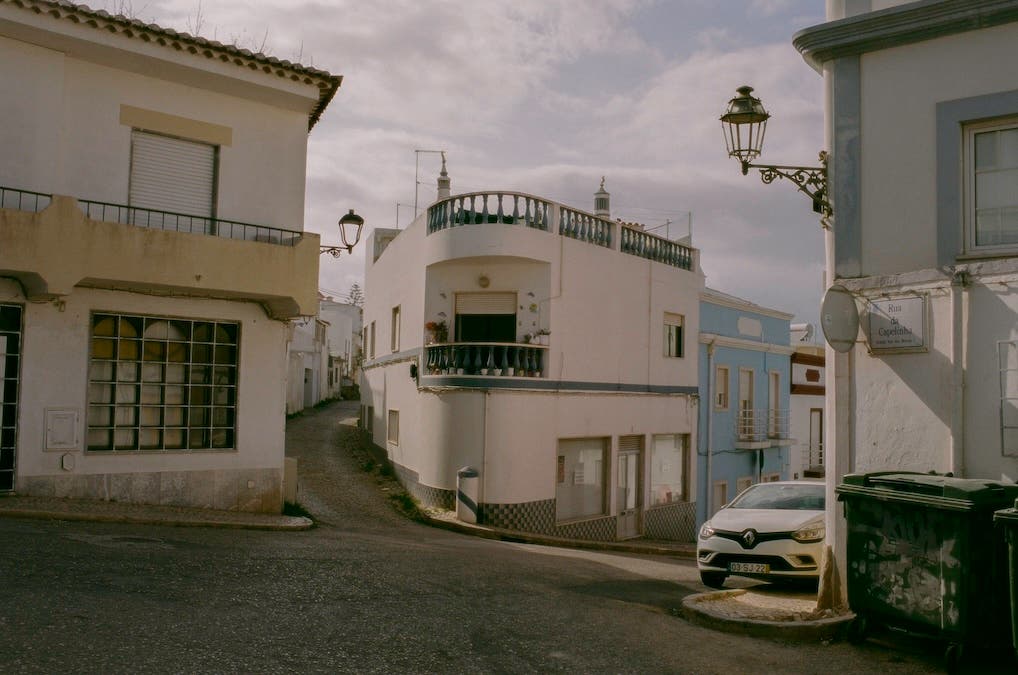
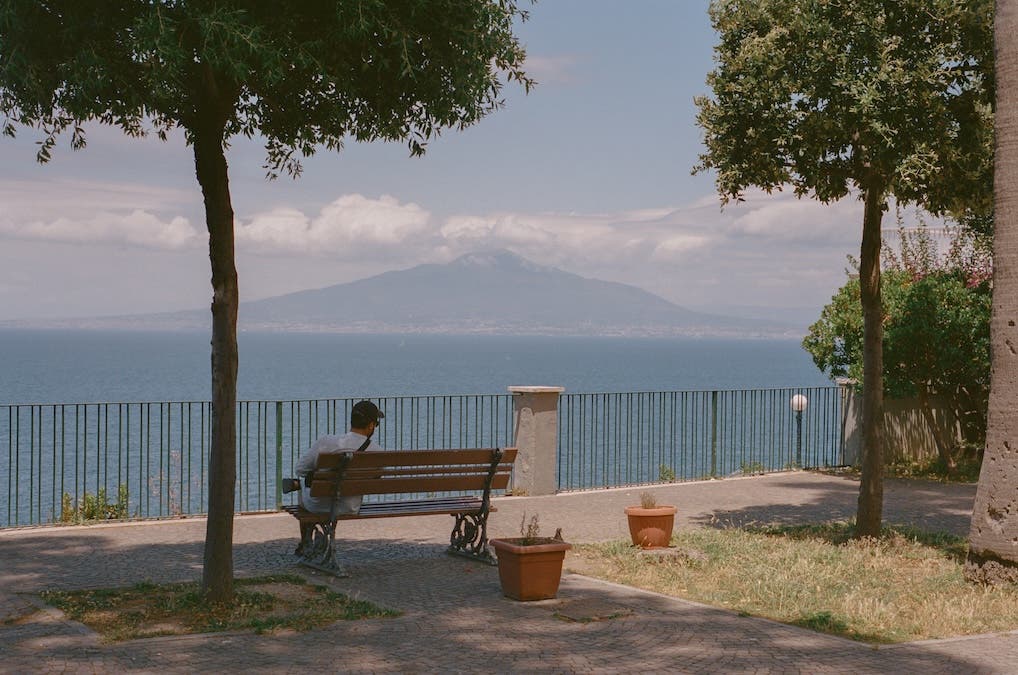
Another ideal aspect about springtime is that even after golden hour, the sun still stays low for a while in the morning, and gets pretty low quickly in the afternoon, so although the sunlight is much harsher and not nice and soft, it still provides you with a good amount of depth because it’s coming sideways, rather than straight down.
When the sun is still low, this creates many more shadows, and these shadows help to provide us with those layers of spring lighting which make our images feel much more immersive, so once again this creates more depth.
Whenever I’m out shooting, I usually try to get out in the early mornings and afternoons/evenings to get the best spring lighting, but that doesn’t mean you can’t take good photos in the midday sun.
Midday
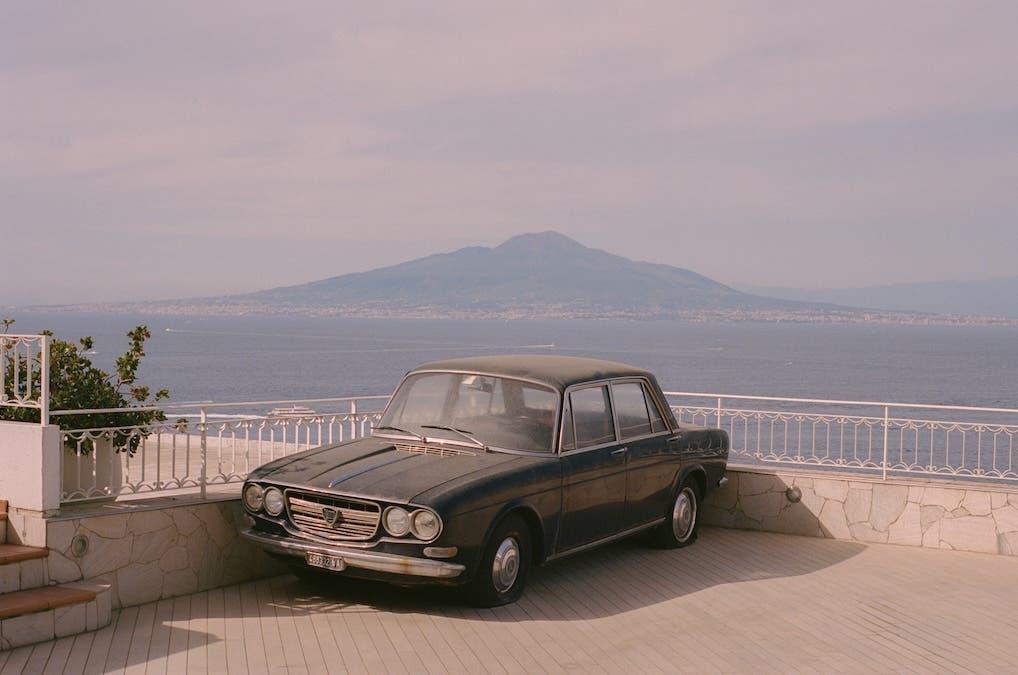
The midday can be the hardest time to shoot, yet it’s often the time we’re most likely to be out shooting.
When it’s sunny, midday can provide us with very harsh spring lighting that comes from directly above us, making it hard to create depth with light.
This is where we have to get creative, we can either avoid the midday sun, which is fine if you want to do that, or we can figure out how to work with it.
The midday sun can often make our images feel flat, so we’ve got a choice: do we want to lean into the flatness of midday, or do we want to figure out how to still create depth despite the challenges?
Well, you can lean into the flatness, look for blocks of color instead or layers of texture rather than layers of light.
Or you can learn to utilize the midday sun, find shaded areas and shoot from within them, things like archways, under tree canopies or from within a building. This can be challenging but it can be a creative way to find depth in harsh sunlight.
If you completely avoid it, then you won’t learn how to make the most of it. Ultimately, it’ll make you a better photographer if you shoot in it more.
The Overcast Days
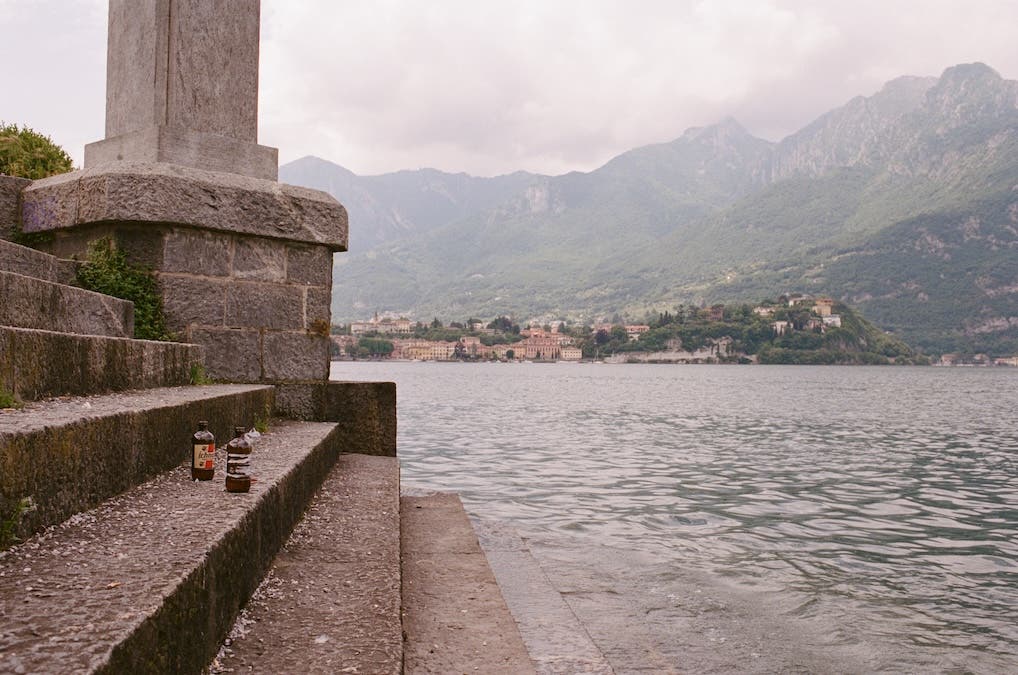
Of course, spring still comes with its fair share of overcast days, it rains, it’s grey, it’s very sad for us all.
But that doesn’t mean you can’t take good photos, quite the opposite, baby.
The great thing about those grey days is that you’re under God’s softbox, the clouds are making everything really soft and that makes portraits and street photography a lot easier.
Of course, we’d all like it to be soft and for there to be beautiful light but sometimes, you just get the one option.
The main thing to consider when shooting on an overcast day is your exposure, it’s not such a problem when you’re shooting digitally but if you’re shooting film then you definitely need to be overexposing by 1 stop to avoid underexposure.
So, those grey days don’t need to be a day where you don’t shoot, they just mean you need a slightly different approach, lean into the softest, the depth of the image is then much more low key, whereas when it’s sunny, you can really see the depth and contrast pretty prominently.
Whatever the weather, springtime is really a time to be hopeful again, get out in that sunshine, adjust to those different kinds of spring lighting and make the most of the spring, because it’s a really special time to shoot.