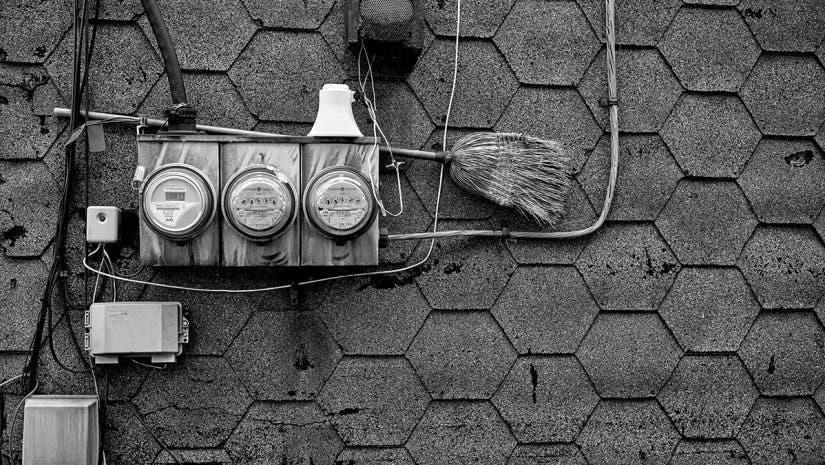
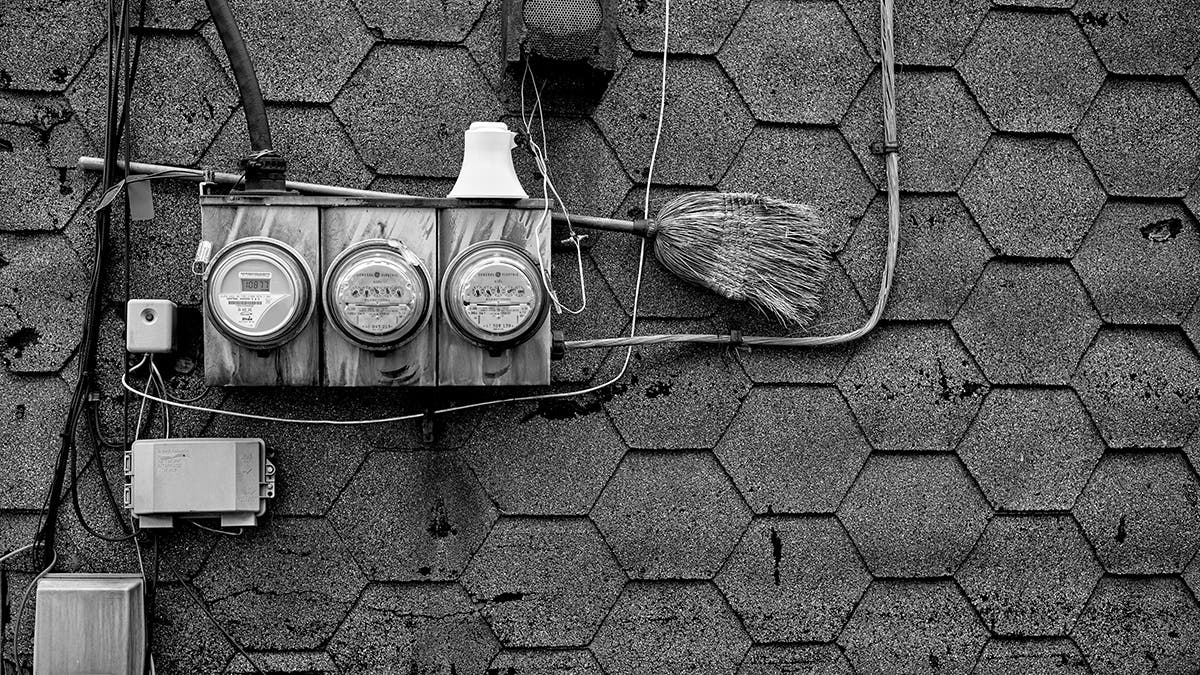
In an age where we have million-point auto-focus that can pinpoint a bird’s eye, and 8K RAW video, why would anyone want to use a manual focus camera that singularly produces black and white images? Does such a camera even exist? Of course, it does. The camera that raises this question is the Leica M11 Monochrom. Interestingly enough, this is not a new concept for Leica, or a new question from those who discover this image-making machine. Way back in 2012, I had the opportunity to work with the first in this line, the Leica M9 Monochrom. This question is most easily answered by handing a shooter this jewel, and they can see, or maybe feel, for themselves.
As much as I would love to let each of you borrow the Leica M11 Monochrom for an hour, a day, or a month, this is not in my power. However, I will attempt in this article to explain why such a camera can and does change the way a shooter thinks about photography.
A Bit of History (The History of Daniel Part 1)
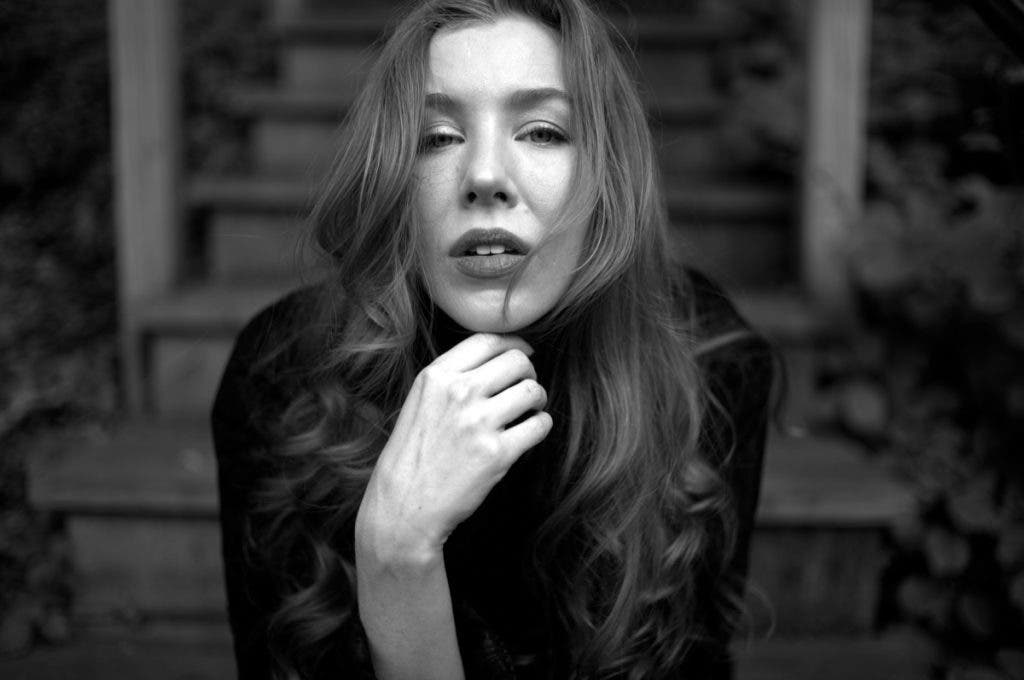
I am no stranger to Leica or rangefinders. I’m not just talking about the M9 Monochrom, or my beloved M8 (don’t get me started), I’ve had a love for rangefinders since the 90s. It started with a beat-up Yashica Electro 35 GSN — a fixed lens camera that taught me how quickly I could move from living life to making an image and back again. From there, I worked my way through Voigtlanders, Russian screw-mount Leica “clones”, and eventually a well-loved Leica M4-P. I regret selling that one, but the business needed medium format at the time.
Back around 1999, when the digital era arrived, I was an early adopter. I went through a few DSLRs, but none really held my attention. A camera has to feel right. Form factor, weight, vibe. Things that don’t show up on a spec sheet. That philosophy led me to the Leica M8, which remains one of my favorite portrait cameras to this day, and back in 2012, to the original M9 Monochrom. The first in this line.
So when I got my hands on the M11 Monochrom, I wasn’t coming to it cold.
Black and White
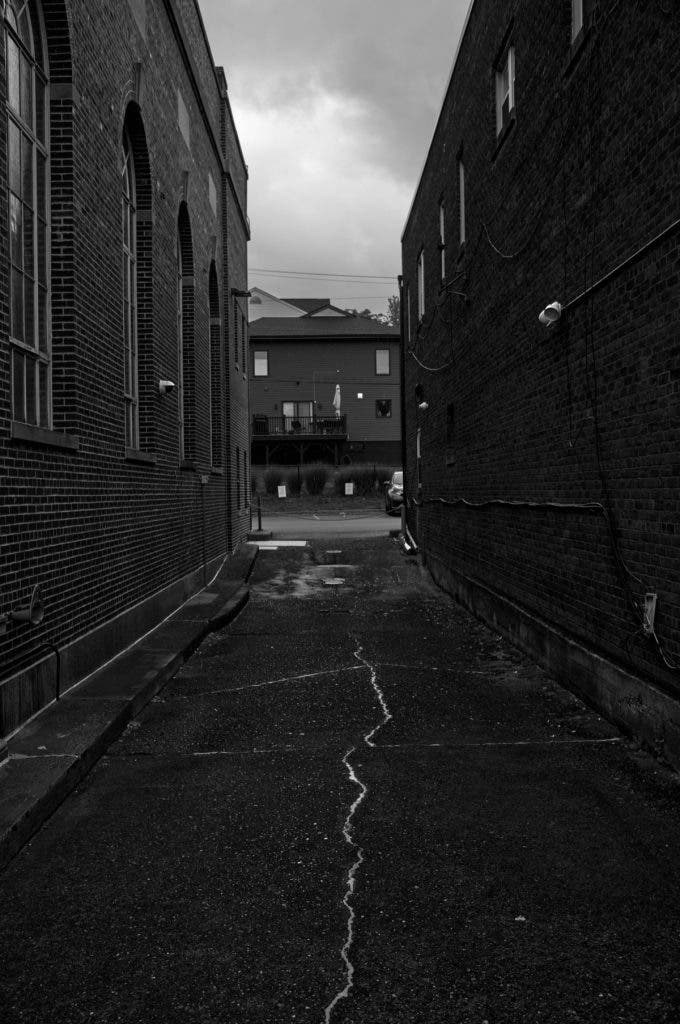
It may be cliché to say it, but shooting black and white changes the way we capture images. Not just in the “if an image is bad, make it black and white and call it art” way. If you’ve read, listened to, or watched me speak on the subject, you know I don’t love the “fix it later” mentality. Which means when I plan a black and white shoot, I do so from the second of conception, not a week later in Capture One.
I could write many articles about why, but instead, I will challenge you. Next time you set up a shoot, put the black and white profile on and think in black and white, you’ll see what I mean. The rest of the fixing argument is for another article.
Went a bit sideways there, but I think it’s important to get in the right mindset if you are interested in the why of this machine.
A Different Way of Seeing
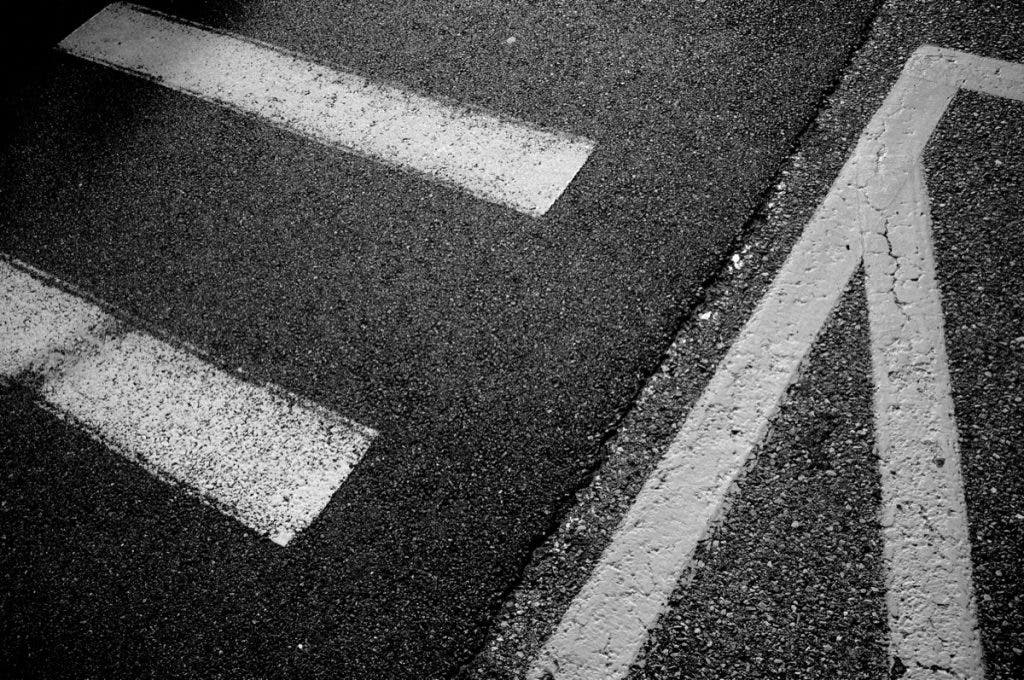
When we work in black and white, whether it be with film, a digital camera that can shoot color, or the Leica M11 Monochrom, we think in pure light and shadow. Textures become our friend, and the mundane often takes on enormous weight.
I’m often struck by interesting motes of light that seem to pepper the world, being ignored by most. When I take the time to capture these pools of ambiance, I tend to find the quick snapshot with my phone to be just that. However, when I think in black and white and how this glow affects the environment, I am often rewarded with a more interesting image. An image truly about light and shadow. I feel a wise man once said, “Shooting in black and white changes the way we capture images.” Oh, wait, no, that was me a few paragraphs ago. That doesn’t make it any less true, though.
Forces Me to Always Be Looking

Here’s the thing. When I hold a Leica rangefinder, any of them, I start to think differently. There is something about the form factor, the weight of the metal body, and the connection this brand has with documentary and street photography. Somehow holding this camera, with the shoulder strap wrapped around my wrist, camera held close to my body, almost hidden from all those but the keen-eyed, I feel like I’m on a mission.
This is not some camera to leave in my bag till I need it, or one I only take out for a studio portrait (though I love using a rangefinder in the studio). This camera is an active participant in my creative process, a tool that forces me to always be looking for the next tiny detail to immortalize. From hiking to taking the train home, no detail escapes me when I have a trusted rangefinder close to my hip.
My Leica M11 Monochrom Experience
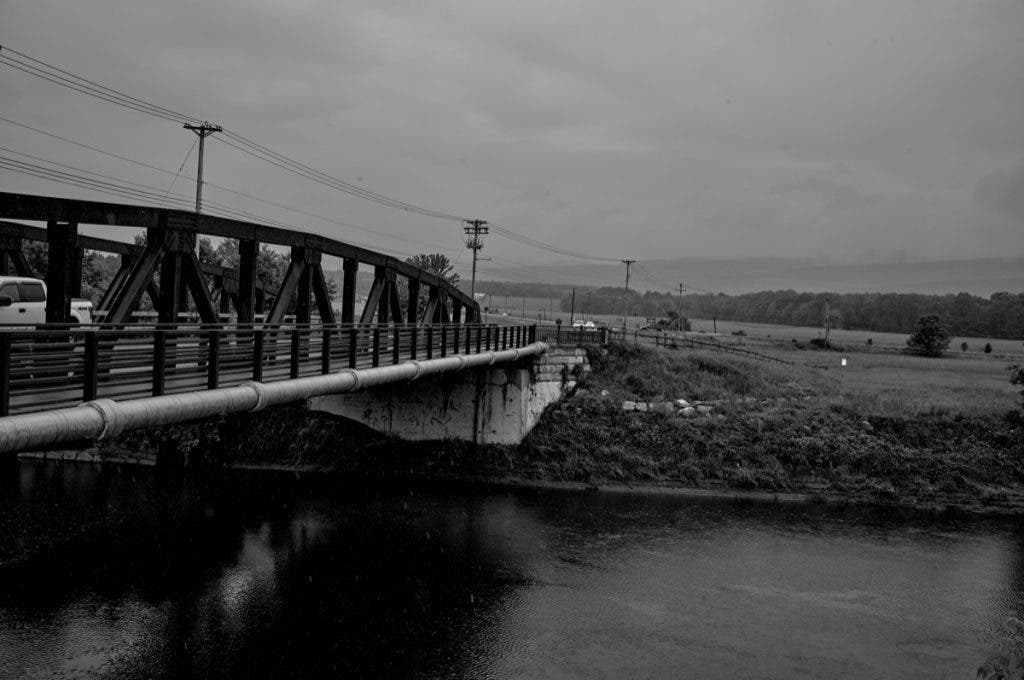
Ok, I’ve talked a bunch about rangefinders and Leica in general. Let’s get down to this beauty. I feel like if I write that the Leica is super well built and feels amazing in the hand, you’d say, well yeah, of course. But I said it anyway.
When I shot the M9 Monochrom years ago, I paired it with a standard color M9. I alternated between the two, and it felt very much like the film days of carrying two bodies.
This time, I embraced the idea of shooting only in black and white for about a month. One piece of advice I was given was that, due to the tremendous dynamic range and the fact that pure white is pure white (AKA no detail) in monochrome, I should expose for the highlights. In a contrasty situation, the idea of underexposing the scene by 2 stops to keep the highlights blew my mind.
To be honest, my first time out, I shot on exposure and then, when possible, took a second exposure for the highlights. The second exposure was the way to go. In Capture One, I had absolutely no problem pulling back the dark areas to a perfect mid-tone.
Dynamic Range and Other Tech Stuff

We hear from every new camera release how much dynamic range the new sensors have. This was the first time I’ve ever really put that to the test. My style of black and white shooting leans heavily into contrast, and being able to embrace it was very freeing. Knowing that the camera could not only handle the range, but that the noise would be nearly non-existent, made shooting what I saw, what I felt, easy.
I’m including an example from a coffee shop I frequent. The shop is dark and cozy, and the lights over the tasty pastries are bright. With about 10 seconds of level adjustments in Capture One, I have a perfectly balanced image.
I’m not going overly technical here, but I want to add that the nature of a monochrome sensor is that you get about one extra stop (double) the amount of light sensitivity. Also, without the BAYER filter, the images are naturally sharper. This means there is an advantage to a Monochrom camera if what you want to shoot is monochrome.
Could I Live with Just Monochrom?

Shooting with the Leica M11 Monochrom was a pleasure. Thinking and working in light and shadow. Feeling the weight and quality of the build. I admire the way the lenses draw an image.
When I borrowed the Leica M11 Monochrom, they gave me a rundown on the camera. One of the first things I was told was ‘If you want to shoot color, this camera is not for you.’ That may sound super obvious, but I have to say, the main pushback I have heard is just that. ‘It only shoots Black and White?’ Yup.
For my personal work and fulfillment, I could see myself with just this camera as my companion. However, I need color for my weekly lighting demos for Adorama. For that reason, I have also borrowed the Leica M11-P. I feel like we, as photographers, often have a “dream camera’ that we think would be the last we ever purchase. If any current model holds that position for me, it is the Leica M11 Monochrom.