I am a Miami-based photo workshop instructor for the national workshop series Digital Photo Academy. This past July, I was honored to be an Artist-in-Residence at Great Smoky Mountains National Park. I spent a month exploring the most visited national park in the country. I was focusing on photographing one of the less often captured sides of the Smokies: the night. I’m a passionate educator who teaches photography full-time and leads workshops at Digital Photo Academy. One of my favorite photo categories is “paint with light”—a technique using multiple long exposures captured over many hours.

I believe that popular culture has vilified the night. I prefer to photograph after dark because of the creative freedom that artificial light brings to unexpected spaces. As an advocate for demystifying the night, I encourage all photographers to “take back the night.” Yet, even for an experienced artist, Great Smoky Mountains National Park proved to be one of the most challenging environments I have ever worked in.
The Challenge of the Unpredictable
The same visual elements that make the Smokies so stunning also led to the biggest logistical challenges. The unpredictable summer weather can turn a beautiful landscape or sunset composition into a complete whiteout within minutes. Slippery, moss-covered rocks can make a camera precarious, and a sudden deluge running down a trail can turn nighttime photography into a serious challenge.
Let’s just say I am fine, but my Nikon D850 did go for a swim. This firsthand experience highlighted the importance of having not just SD cards and a laptop on your gear list, but also camera insurance and a backup camera when working in challenging conditions. Thankfully, I also captured images with an Olympus OM-1 and was able to continue my work after the unfortunate and unintentional dip.

The Cinematic Approach to Light Painting
As a lifelong cinephile, I draw inspiration from a cinematic approach to lighting. I recommend studying artists who speak to your particular style. For me, the work of photographers Gregory Crewdson and Stephen Wilkes, as well as Hudson River School painter Albert Bierstadt, are the most influential when composing and lighting a landscape.
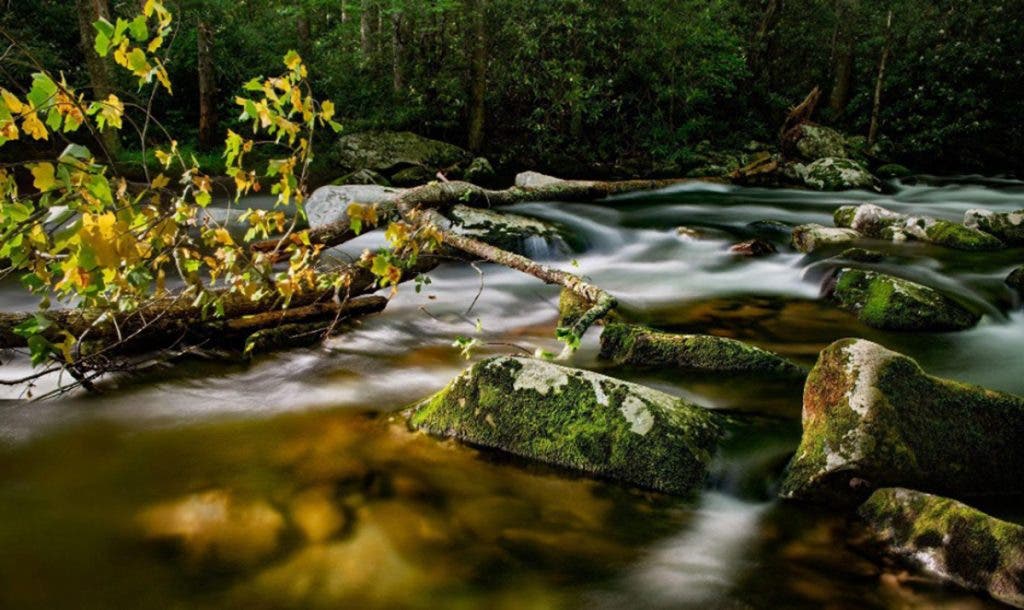
While waiting for the onset of night, I can often see opportunities for scouting locations and capturing long exposure images during the golden hour with my Lee 100mm x 100mm Big Stopper ND filter, just as in the photograph Elkmont #1, created at one of the most popular campgrounds in Great Smoky Mountains National Park.
Hunting for Images: From Fireflies to Fungi
To get the most out of a large-scale project, I recommend creating a “photo bucket list” while on location. With a park spanning over 800 square miles, having a list of goal images brings clarity and focus when time or distance is limited. This is a crucial step for managing expectations and staying productive.
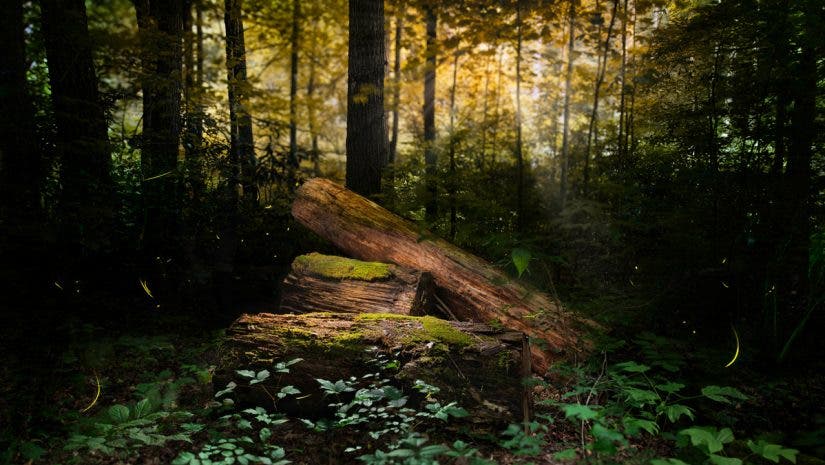
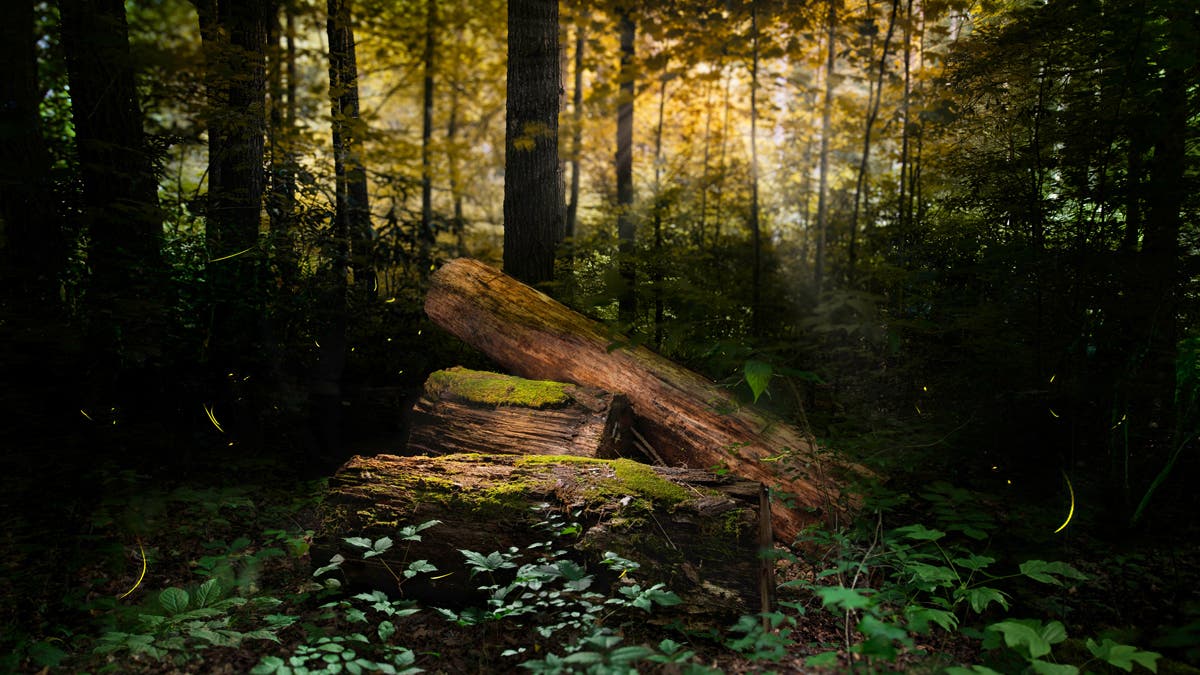
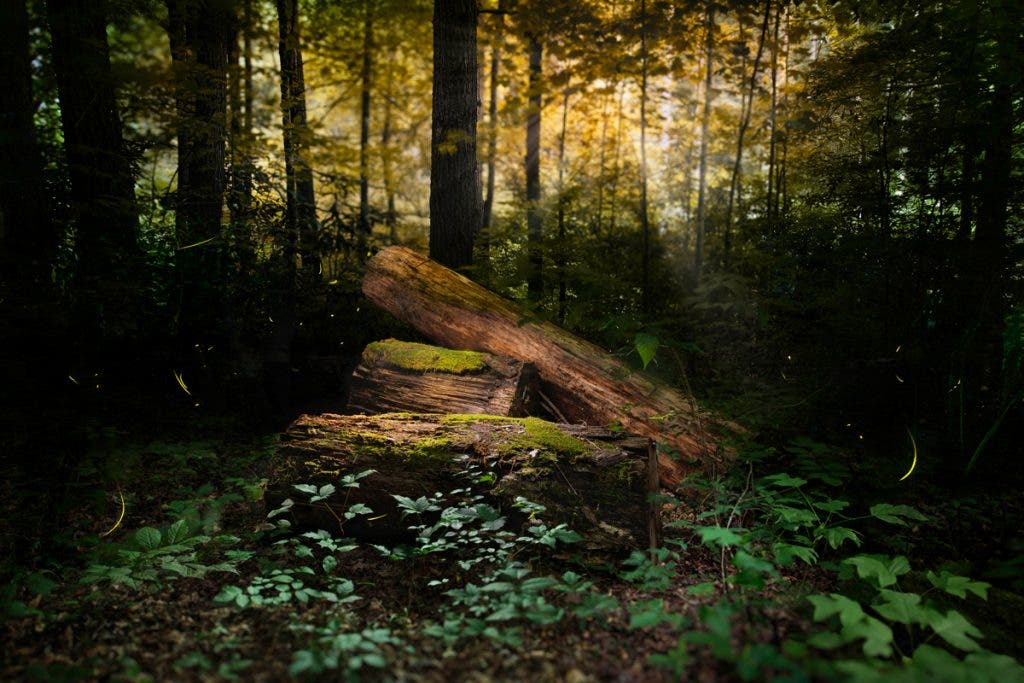
One of the images that topped my list was a photograph of fireflies. To capture a signature image, What Remains, I see photography as a visual language and use light as a narrative tool to tell my story. I heavily utilize and prioritize the use of fireflies as a symbol for the mystery and majesty of the nighttime world, and to capture a different perspective. Capturing a few dozen images, I then use Adobe Photoshop to blend elements from each frame into a single composition.


Beyond the fireflies, my “bucket list” included images of the ubiquitous nighttime salamanders, a subject that requires patience and a tripod that lets you get up close and personal with your subject. Additionally, the park’s historic Appalachian cabins provided perfect subjects for light painting techniques. Each of these subjects presented unique technical and creative hurdles, pushing the adaptation of my gear and process.
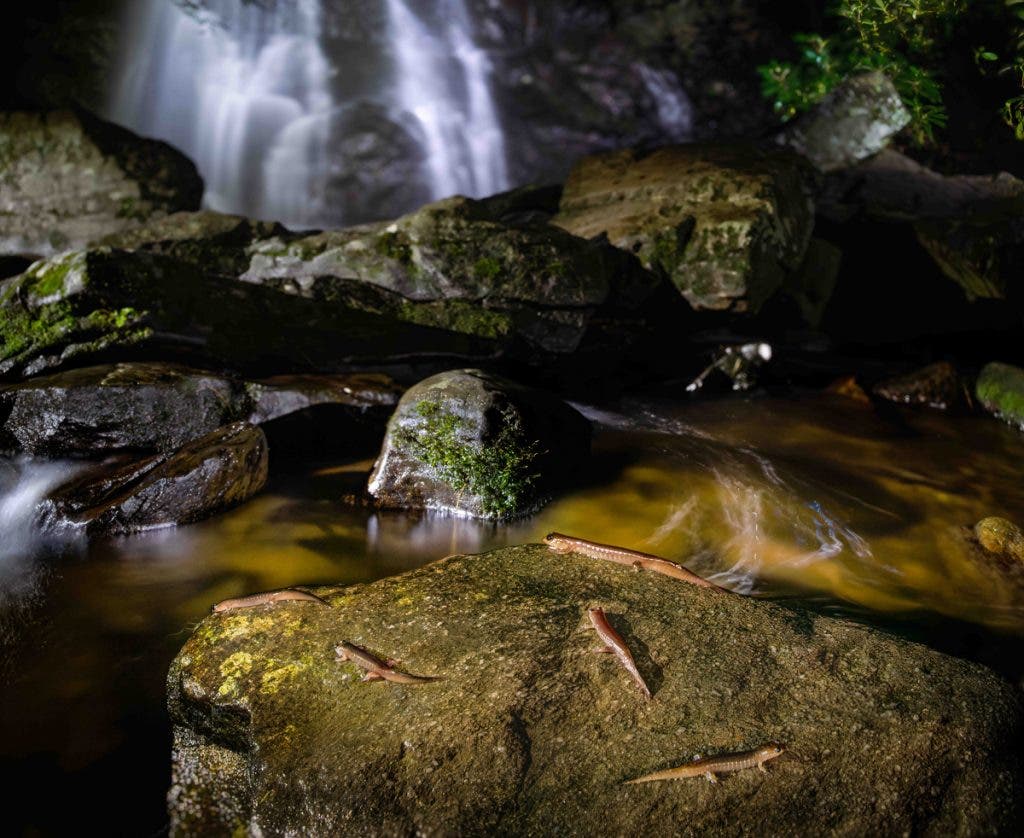
I approached The Gathering (above) similarly, beginning with a shot list and a vision of the finished composition before ever capturing the first frame. Never knowing exactly what I’m going to capture keeps the process fresh and exciting. I encourage everyone to go out and explore the Smokies for themselves.
Learn More:
Matt Stock Bio: https://live.digitalphotoacademy.com/portfolio/matt-stock/