You may say winter is for resting with a cup of cocoa in front of the fire, editing the work done over the summer months, and scheduling the calendar for the year to come. But for me, winter is an exquisite photographic opportunity. From the chance to capture the Northern Lights to the barren land that invites experimentation with the black and white aesthetic, the cold season offers something for every photographic genre, whether it is wildlife and nature photography, street documentaries, or commercial photography. I invite you to check out at least the following ten photography spots and imagine setting up your camera for a magic winter shot.
For a Glimpse of the Northern Lights: The Jökulsárlón Glacier Lagoon, Iceland
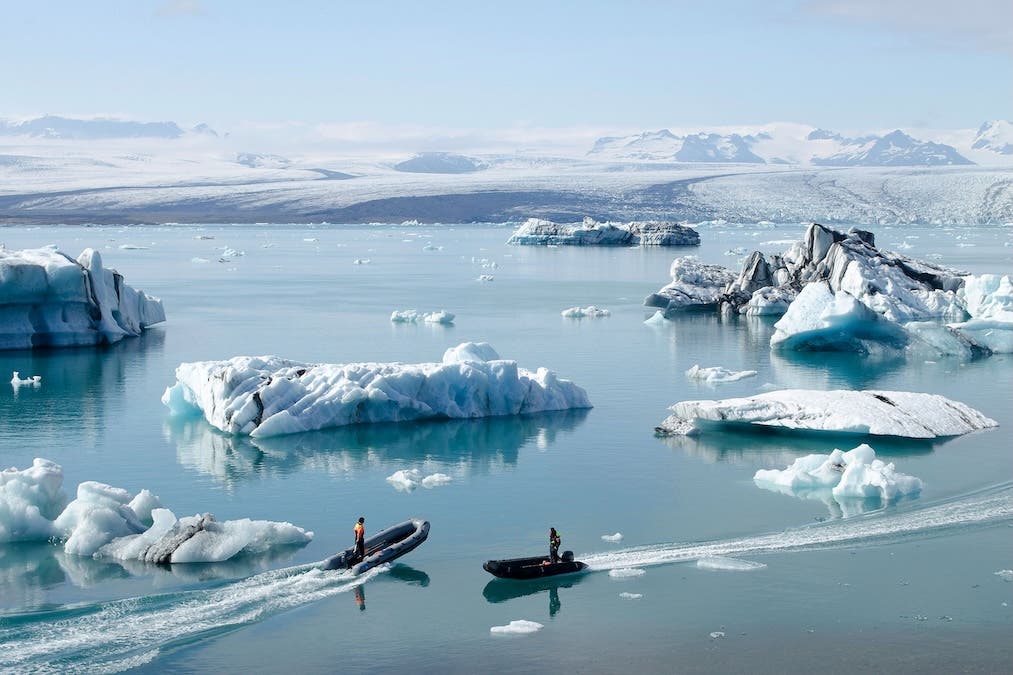
The Jökulsárlón glacier lagoon is one of the most popular winter photography spots for watching the Northern Lights. Prepare for impressive colors and an intense winter atmosphere. Also, as a wildlife photographer, I have to say that alongside outstanding icebergs and ice caves, during the winter months, you also get to photograph seals as they come here for the fish-filled waters.
If you prefer a more organized kind of travel, you can book a boat tour and focus solely on your photography. However, we are talking Iceland here, so more adventurous kayak tours and ice cave tours are available, too.
For Whale Watching: Hawaii, USA
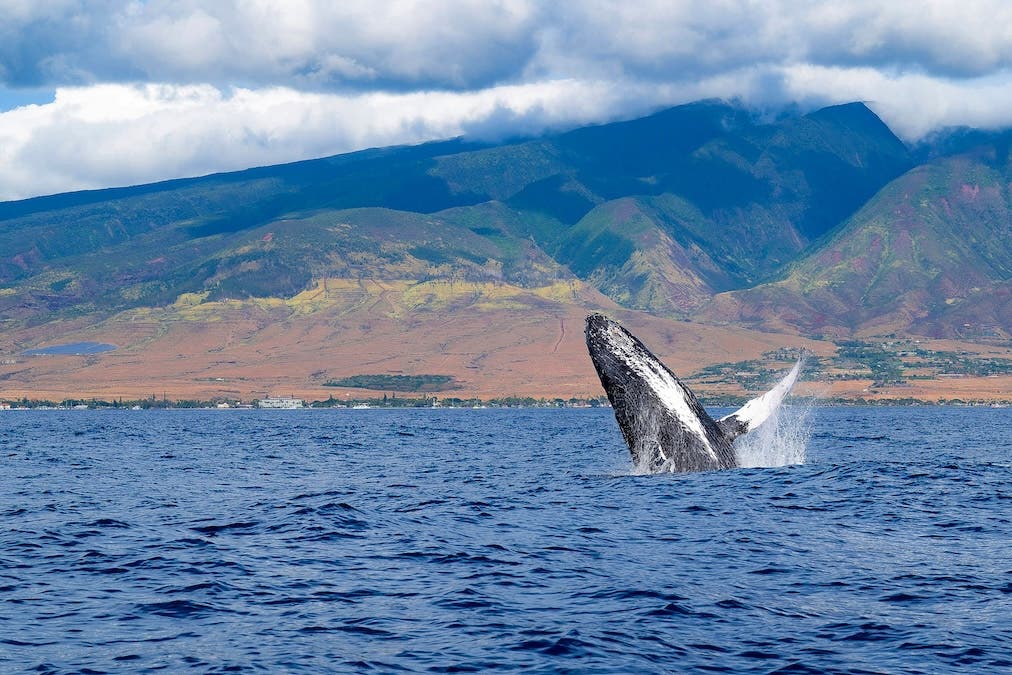
Yes, winter in Hawaii means mild temperatures, perfect surf waves, and stunning beaches, but leave it aside for now to focus on whale photography. December is the start of the humpback whale migration in Hawaii, the time of the year when whales mate and have their babies. For a wildlife photographer, this is a unique opportunity to photograph magnificent whales in their natural habitat and at a significant point in their timeline.
In addition, Hawaii is home to green sea turtles and Hawaiian monk seals, both endangered species. The variety of seabirds is impressive, too. Winter in Hawaii is a paradise for wildlife photography.
For a Fairyland Christmas Market: Frankfurt, Germany
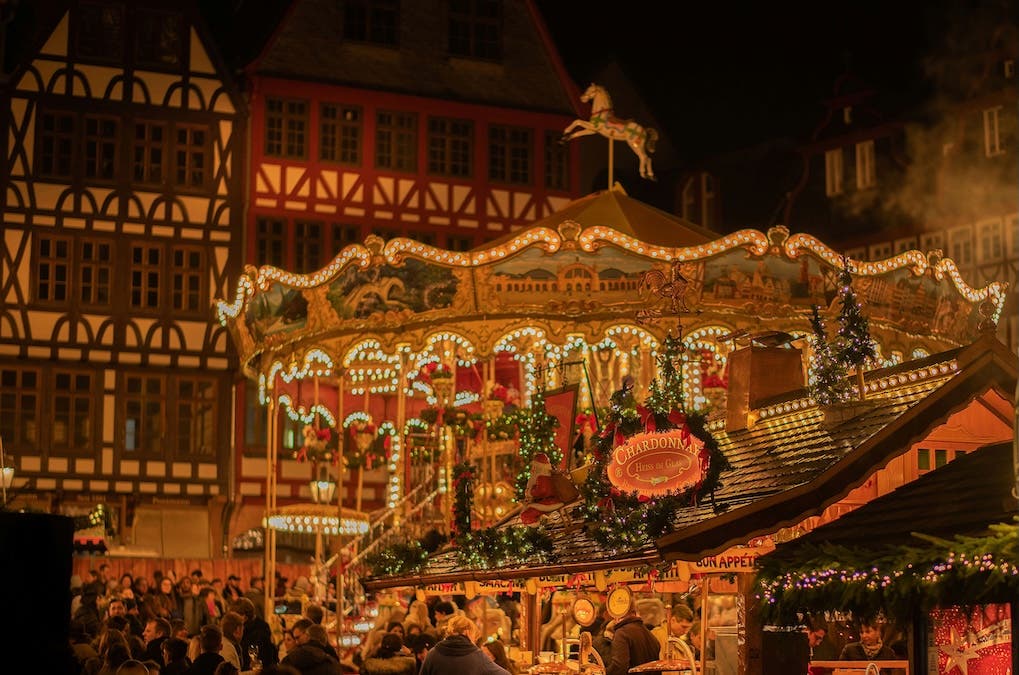
There is no other place in the world that says winter more than a German Christmas market, and the one in Frankfurt is the most iconic. It is a very old tradition that can be traced back to the 14th century. The Germans have definitely had enough time to refine the market and transform it into the splendid celebration it is today.
Open for a month (e.g., in 2025, it will be open between November 24th and December 22nd), the Frankfurt Christmas Market is a once-in-a-year event with amazing subject matters for travel, street, still life, documentary, and portrait photography.
For Lush Green Landscapes: Bali, Indonesia
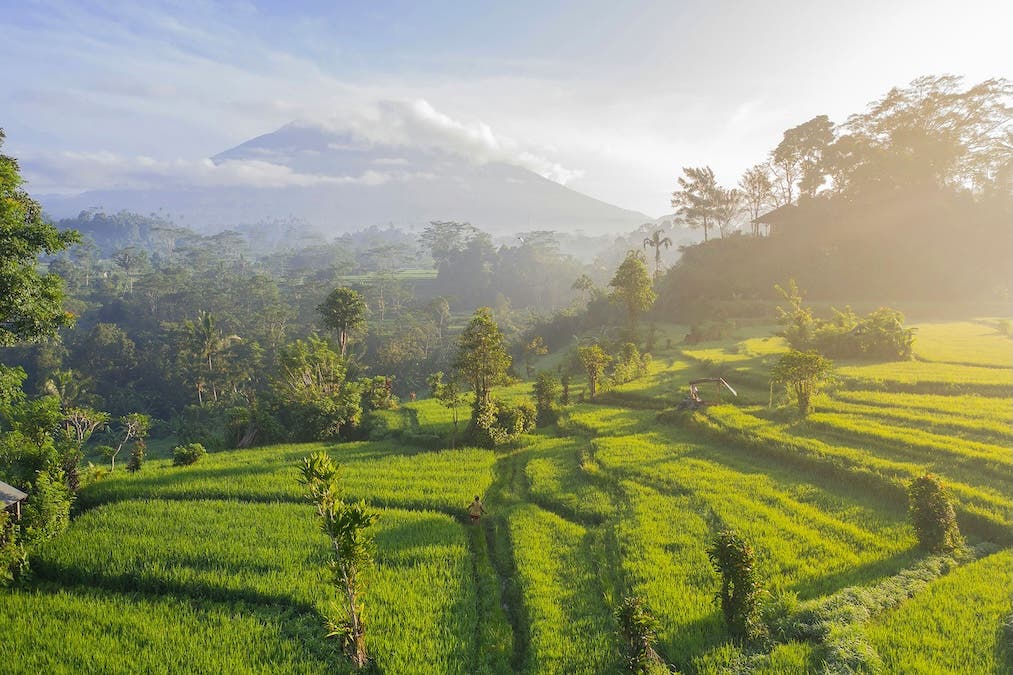
At the other end of the world, winter doesn’t come with cold weather and mulled wine, but with the most vibrant shades of green one can find. Winter in Bali means a tropical climate that alternates sunny skies with heavy rains. It is the wet season in Indonesia, so it rains a lot, which scares the tourists away and leaves the lush landscape unspoiled for the photographer’s eye.
Be prepared to take out the camera immediately after the rain stops to capture the vast scenery, but also the small details that make perfect subjects for macro photography.
For a Unique Winter in the Desert: Bryce Canyon National Park, USA
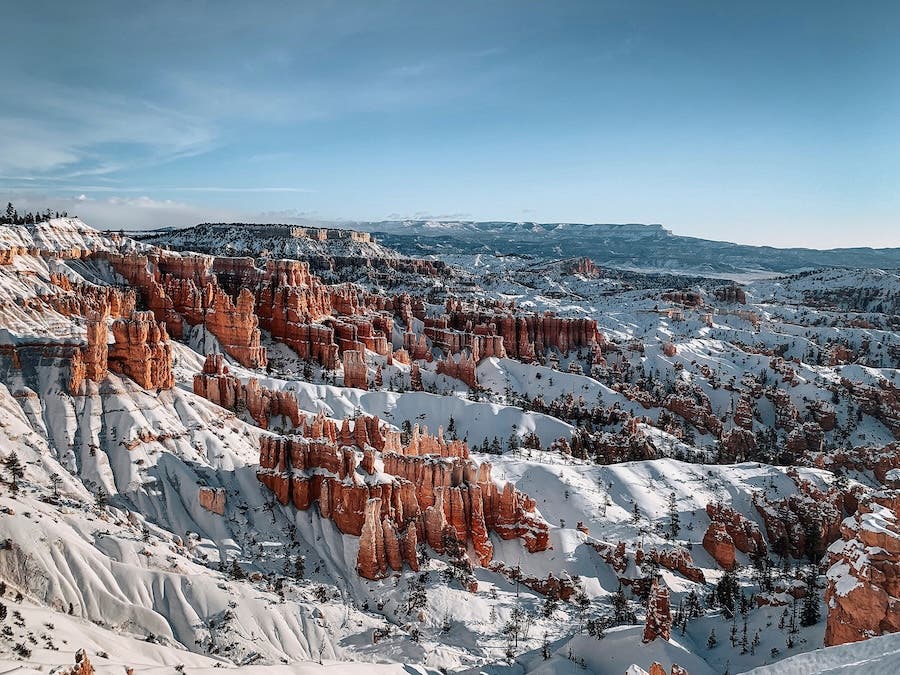
Bryce Canyon National Park challenges everything you think about winter scenery. Situated at 8,000 feet (2,438 m), the park with the most famous, crimson-colored hoodoos in the world has them covered in snow during winter. Snow in the desert is not something one often sees, which makes this place extremely interesting as a winter photo destination.
The park accommodates all adventure levels, from snowshoeing to cross-country skiing. The Bryce Canyon Amphitheater is the main attraction and the most accessible one, but don’t overlook the longer hikes that provide endless photo opportunities.
For a Vibrant Cultural Experience: Salvador da Bahia, Brazil
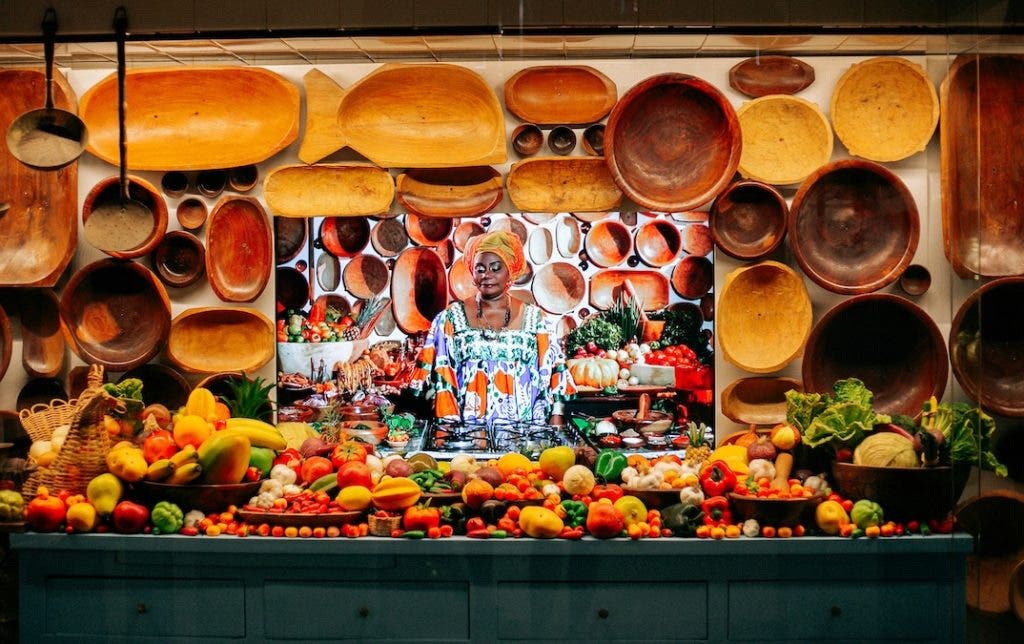
When looking for the best photography spot to visit in January, consider Salvador de Bahia and aim for January 5th. This is the date of the Festa de Reis, a religious celebration that reveals the rich Brazilian culture and history. For street photographers, the procession held during this event offers a rare chance to capture old and new customs and traditions.
You’ll also find amazing subjects in the city’s architecture, as colorful and vibrant as Brazil itself, in its delicious cuisine, and in its exuberant lifestyle.
For an Immersion into the African Landscape: Cape Town, South Africa
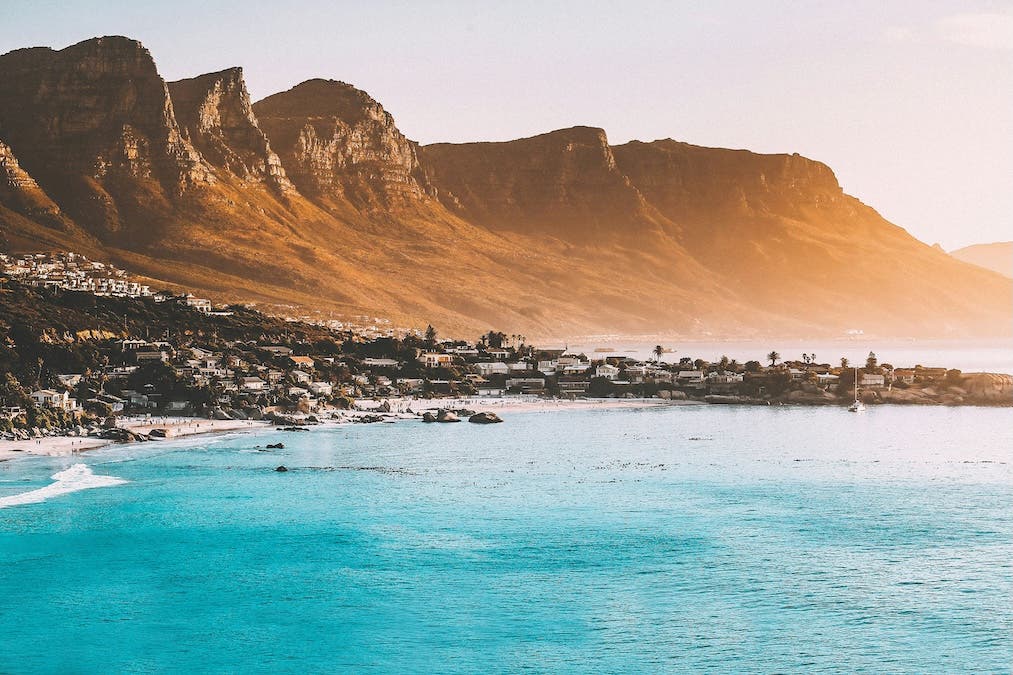
Like Brazil, from December to February, South Africa enjoys the sunny summer. With lush vegetation and endless festivals and cultural manifestations, the South African capital becomes a beacon for tourists from every corner of the world. While the buzzing streets may annoy you, they also allow you to fully take in the atmosphere and great street shots.
However, if you prefer a calmer atmosphere and a more natural scenery, you should know that Cape Town is the starting point of many safaris and hiking or trekking paths. It also has an exhaustive coastline with stunning beaches and warm waters.
For a Minimalist Winter Landscape: Lofoten Islands, Norway
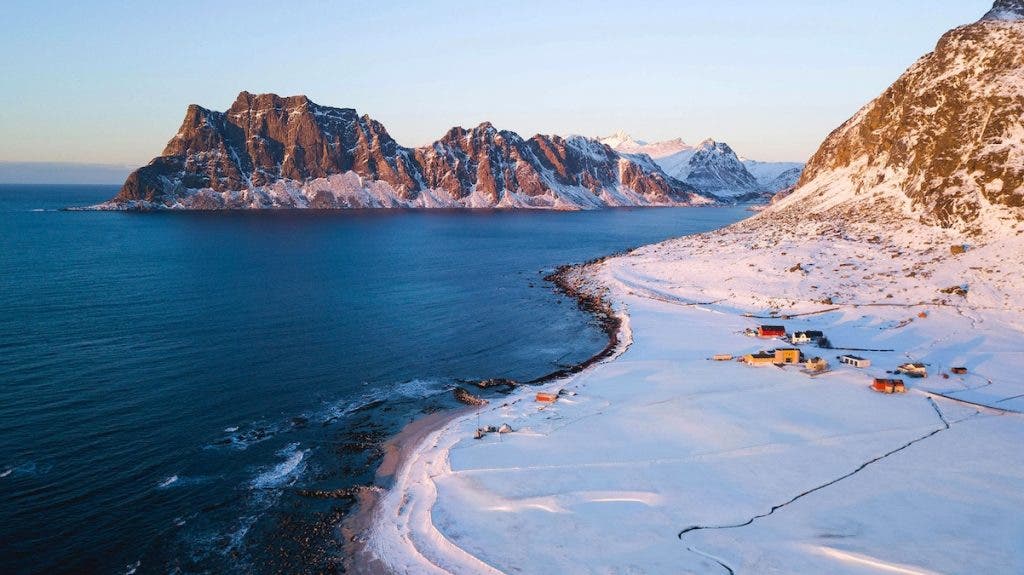
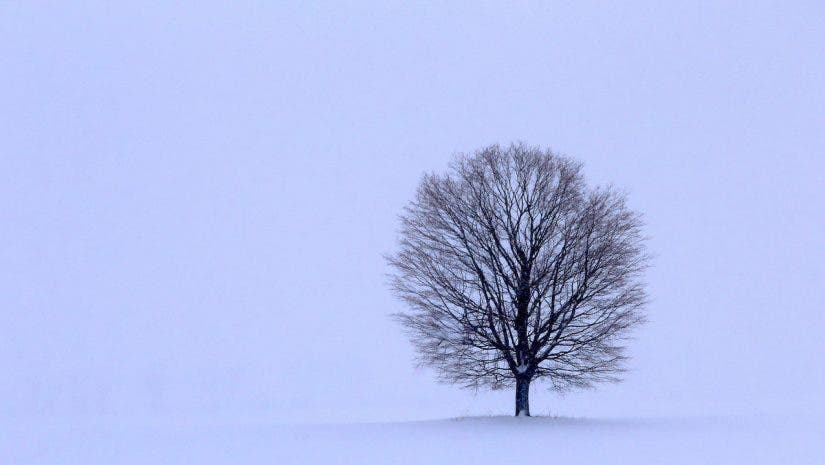
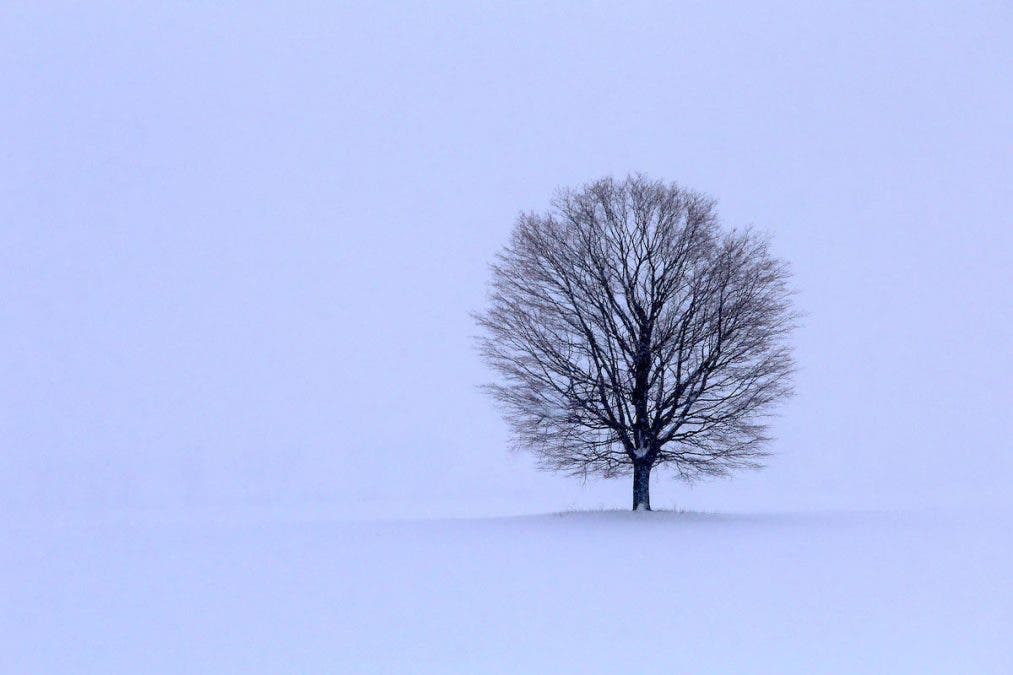
Speaking of calm and serenity, the best place to experiment (and photograph) winter is, in my opinion, Norway. More precisely, visit the Lofoten Islands, because they are mostly empty in winter. During the polar night, there is little light to work with. However, the prolonged twilight offers a unique atmosphere and adds its own ingredients to your visual story. Of course, you can try to capture the Northern Lights, after all Lofoten Islands are in the Arctic Circle.
These small islands have a bit of everything: fjords, mountains, snow, little red houses, dark blue waters, and a magnificent sky. But most of all, they have a peacefulness that diffuses within your photography.
For a Spectacular Fireworks Display: Sydney, Australia
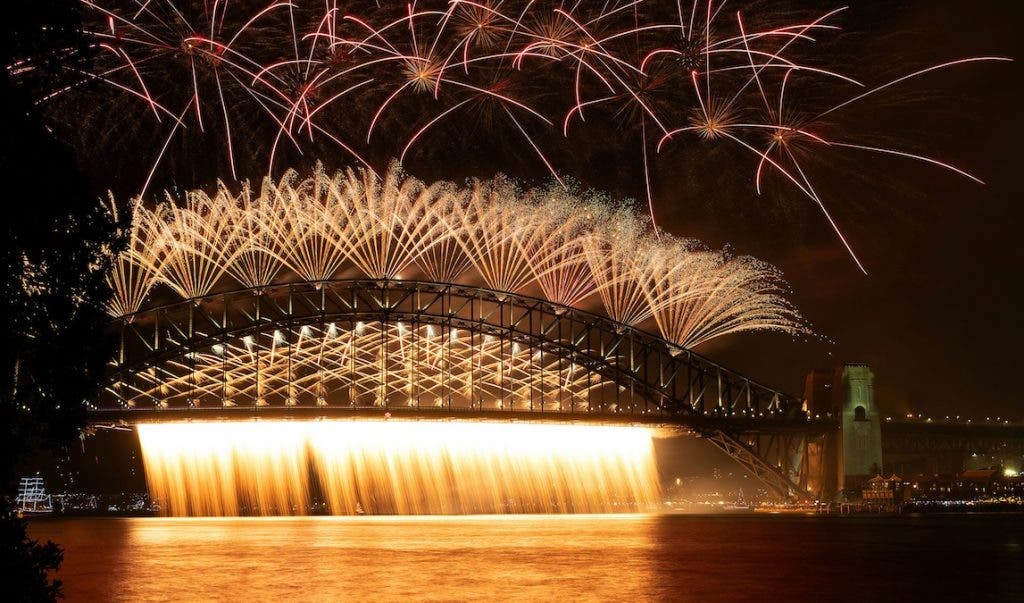
We can’t forget that winter brings the New Year and the festivities that come along with it. For a photographer, this is a rare chance to photograph spectacular fireworks. I find Sydney one of the best places in the world to do that. With the elegant opera house as a background, you get a rich scenery for your frames.
Photographing fireworks is extremely technical. You must get all camera settings right, stabilize the camera, and synchronize everything perfectly. Furthermore, composition is a challenge. You need to come up with interesting compositions without knowing what the fireworks will look like. Also, think about how not to produce similar work to many other photographers.
For Black and White Winter Photography: Death Valley, USA
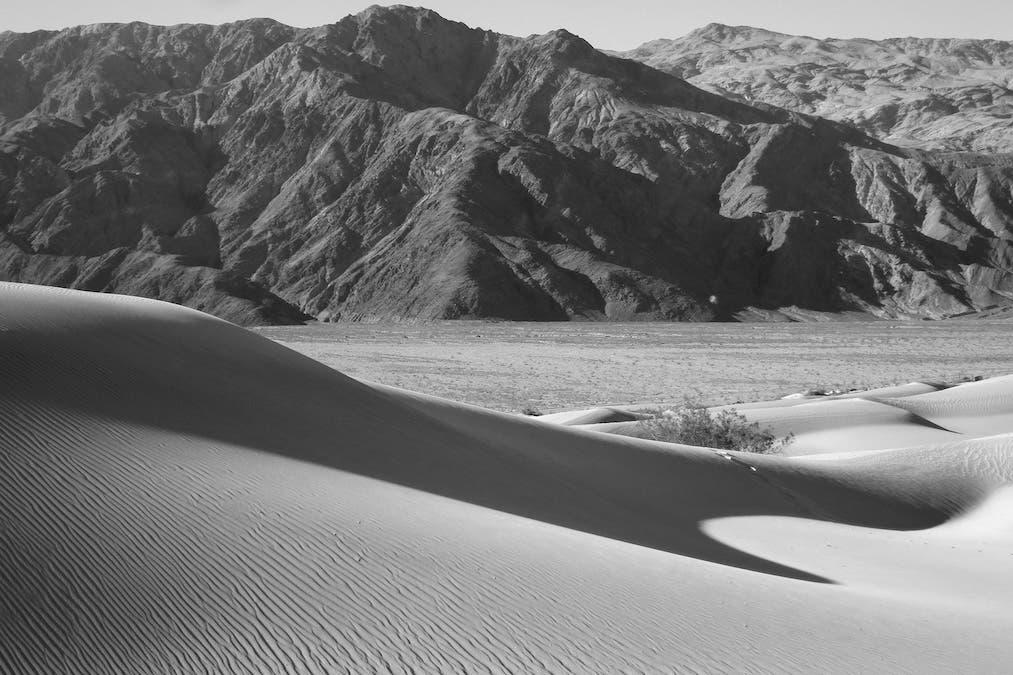
Situated in the Mojave Desert, California, Death Valley is considered the hottest place on Earth during the summer. Hence, you would most likely want to visit during the winter, when the average temperature drops to 60°F (20°C).
But what I like most about Death Valley is not the temperature but its potential for black and white landscape photography. It has texture, contrast, and architectural geological forms. It allows you to play with perspective and depth. It challenges you with capricious light. It dares you to be creative and never leaves you without a surprise or two.
How to Prepare Your Gear for a Photoshoot in the Cold
When you say winter, you say cold weather, snow, and ice. You consider taking photos in freezing temperatures, having your lens fog up, and seeing your batteries die unexpectedly. Furthermore, you are cold as well and struggle to focus with frozen hands. Here are my tips to successfully get you through a photoshoot in the cold:
- Wear professional gloves to protect your hands from the cold, and still be able to handle the camera
- Wear warm clothes and water-resistant boots, as it helps to be comfortable during long photoshoots
- Slowly accommodate your camera and lens with the external temperature to avoid fogging up the glass elements
- Bring lots of spare batteries and keep them warm
- Use a cold-proof and waterproof camera cover during long photo sessions
- Equip the tripod with snowshoes if necessary
- Mount an UV filter on your lens for an extra layer of protection.
Final Thoughts
Although it may be a bit more difficult than during the summer months, it pays off to travel in winter. Especially if you go to the places most people avoid this time of the year. Away from the beaten paths and summer crowds, you have the peace you need to take it all in. At the same time, some events only happen in winter and lure you in with their magnificent appearance. Winter is the season of extremes, harsh edges, and intense contrast. It is either all on or all off, which is exciting to experience and immortalize. My advice: embrace it with all your heart.