



Anamorphic Lenses
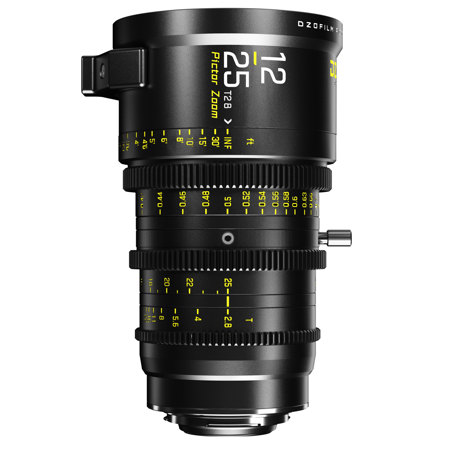
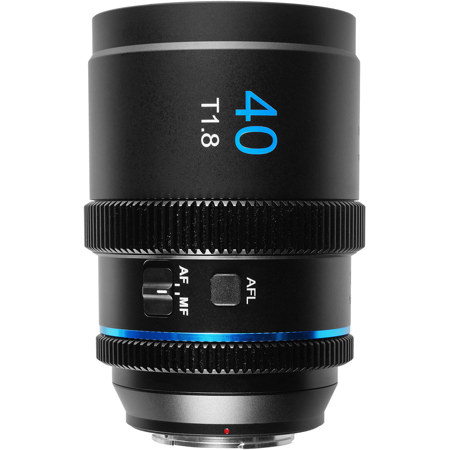
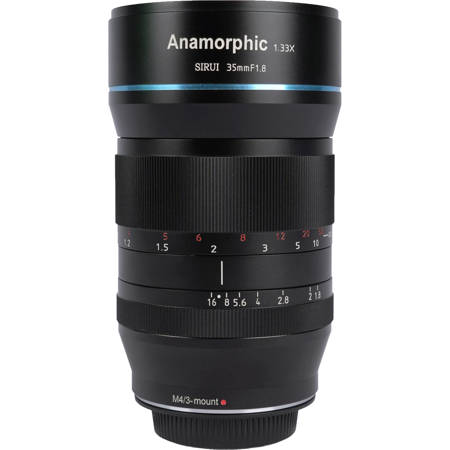
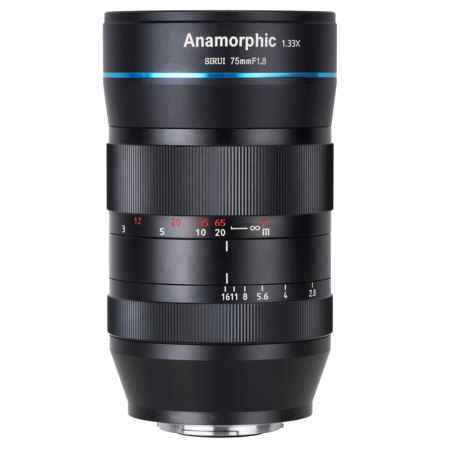
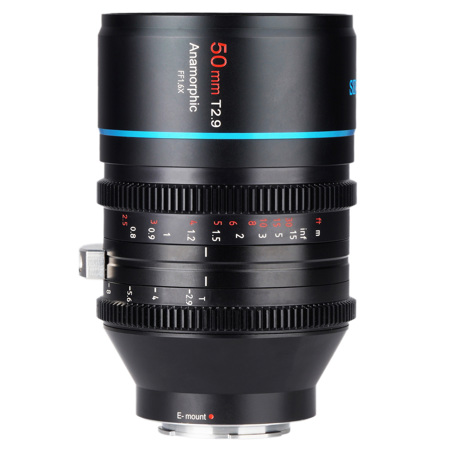
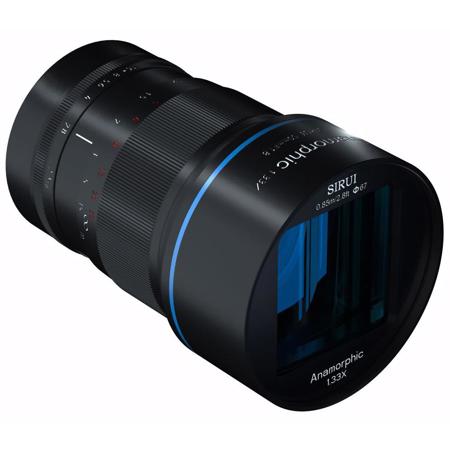
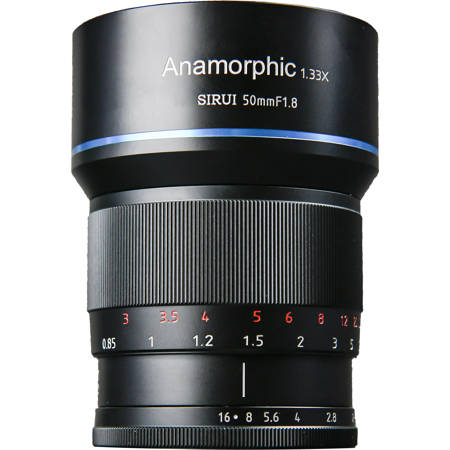
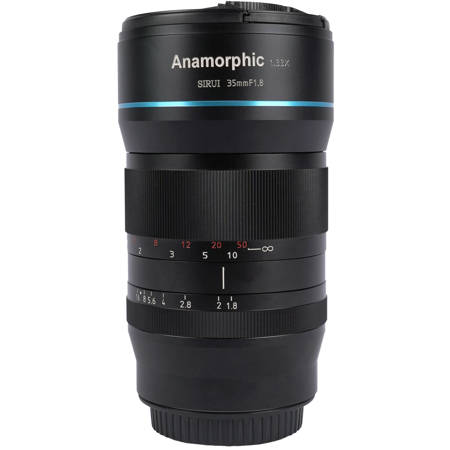
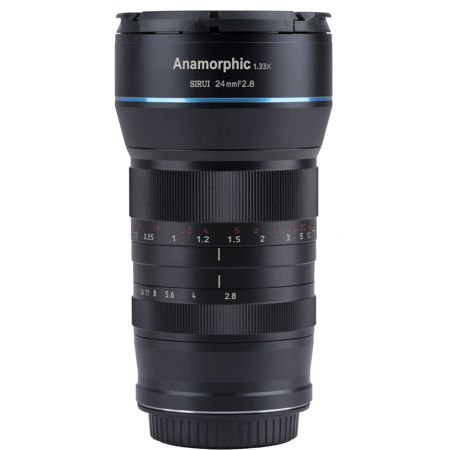
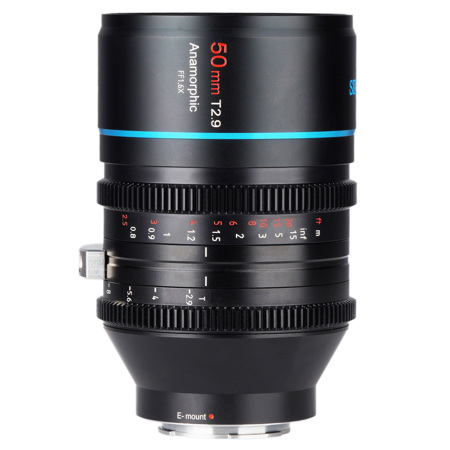
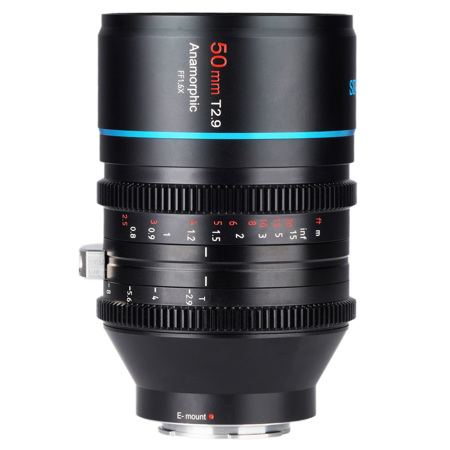
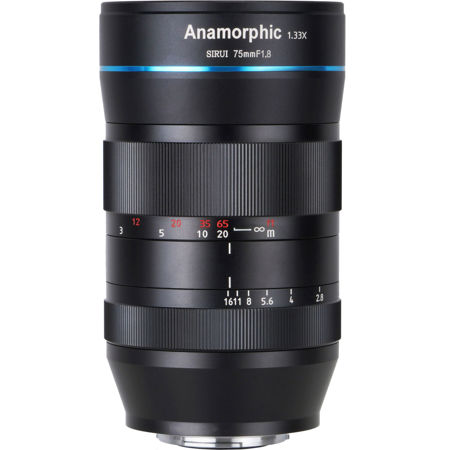
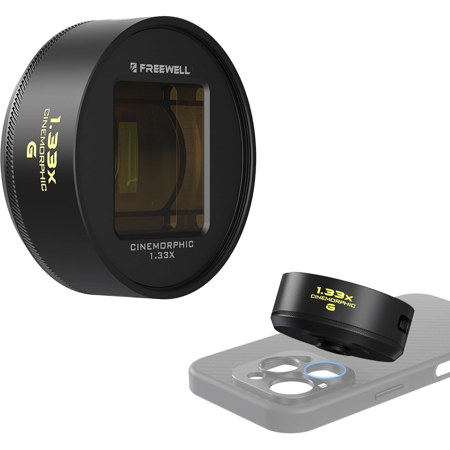
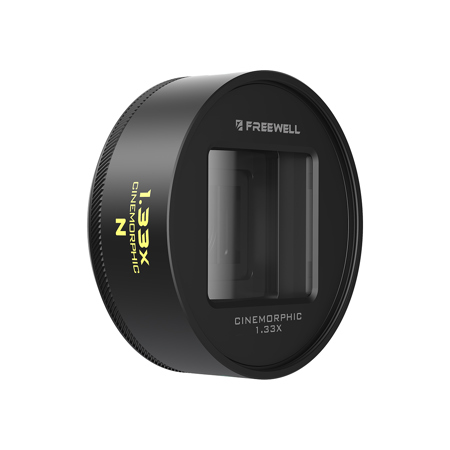
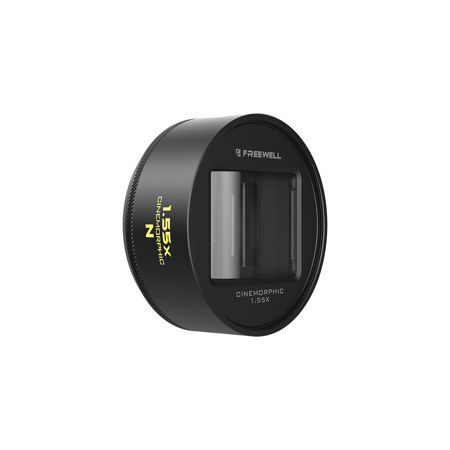
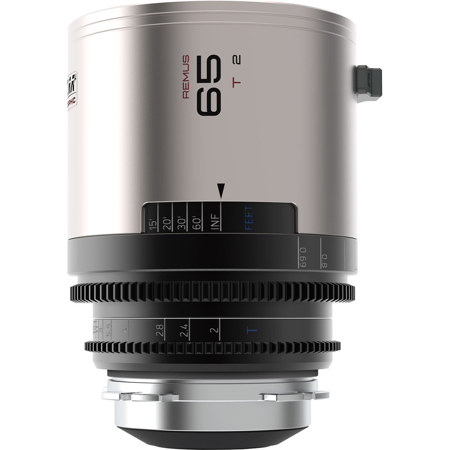
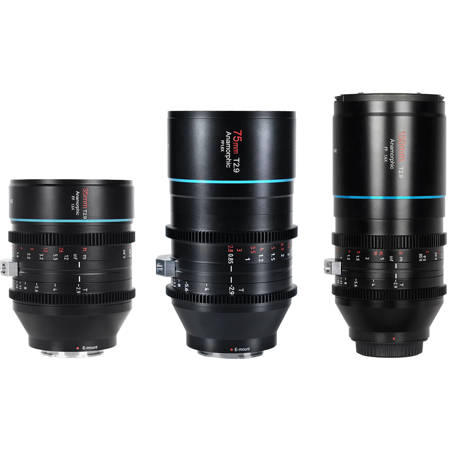
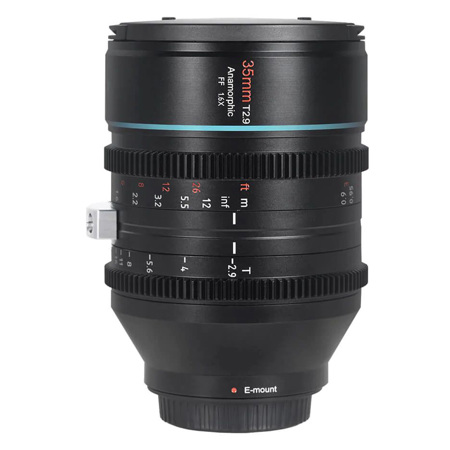
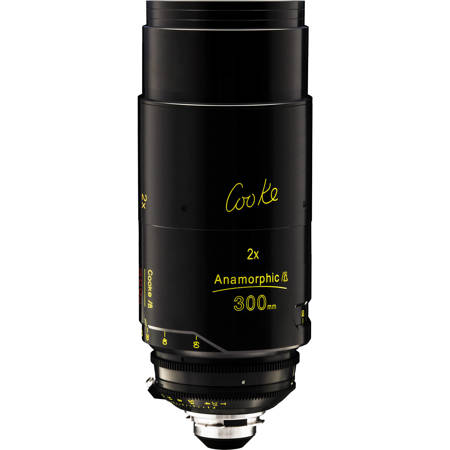
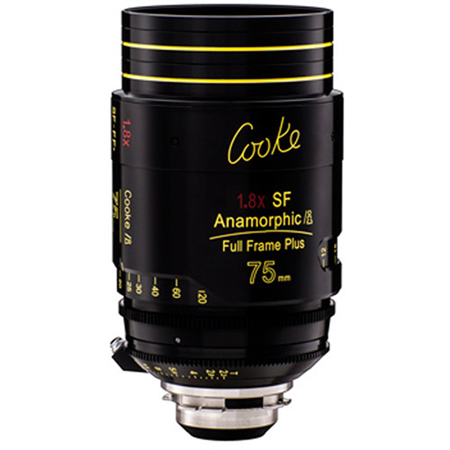
Anamorphic lenses have become a defining tool for filmmakers, videographers, and visual storytellers seeking to capture that unmistakable cinematic look. Unlike traditional spherical lenses, anamorphic cinema lenses are engineered with specialized cylindrical elements that compress the image horizontally when recording. This “squeeze” allows creators to harness ultra-wide aspect ratios—like the classic 2.39:1 cinemascope—without sacrificing vertical resolution or cropping the frame. When the footage is “desqueezed” in post-production, the result is a breathtakingly wide field of view, filled with rich visual character: elongated oval bokeh, signature horizontal lens flares, and a unique focus roll-off that evokes the grandeur of classic film. These characteristics are not mere technicalities but artistic signatures, instantly recognizable in everything from sweeping landscapes to intimate close-ups. For those who shoot with a pl anamorphic lens or an anamorphic lens Canon EF mount, the experience is as much about the tactile process as it is about the final image—turning the focus ring and watching the background melt into creamy ovals, or catching the flare of a winter sun as it streaks across the frame in a cool January afternoon.
Choosing the right anamorphic lens involves a blend of technical understanding and creative intention. Filmmakers working on narrative features, commercials, or music videos often reach for anamorphic lenses to evoke a sense of scale and drama that simply can’t be replicated with spherical optics. Documentary storytellers and content creators are increasingly exploring anamorphic glass to add visual interest and emotional impact to their footage, while still photographers have begun experimenting with these lenses for stylized portraiture and fine art work. Considerations like squeeze ratio, focal length, minimum focus distance, and lens mount compatibility (such as those designed for Canon EF or PL mounts) all play a role in matching the lens to the camera system and desired aesthetic. Anamorphic lenses can introduce distinctive optical quirks—subtle distortion, soft edges, or unique focus breathing—that become part of the visual language of a project. These are not flaws but features, embraced by creators who value the organic, imperfect beauty that only true anamorphic glass can provide. During the winter months, the crisp, low-angle sunlight can enhance the signature flares and bokeh, making this season an inspiring time for both seasoned professionals and ambitious hobbyists to experiment with anamorphic visuals.
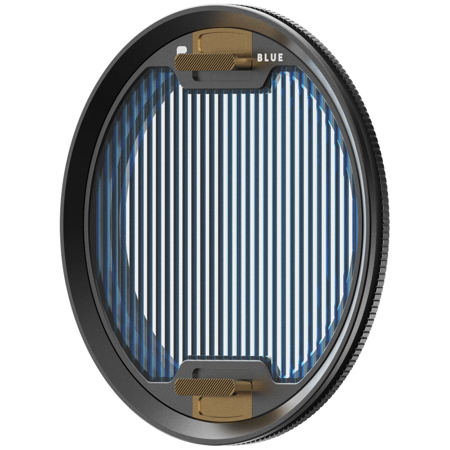
Gifting an anamorphic lens is a thoughtful gesture for any filmmaker or photographer passionate about cinematic storytelling. Whether it’s for a creative partner embarking on their first short film, a student building their portfolio, or a seasoned director expanding their lens kit, the addition of an anamorphic lens opens up a world of creative possibilities. These lenses are particularly cherished by those who appreciate the hands-on craft of filmmaking—adjusting focus manually, composing for a wider frame, and embracing the serendipity of light and lens interacting in unexpected ways. For those looking to further refine their look, pairing anamorphic lenses with specialty accessories like Anamorphic Filters can provide even greater control over flares, contrast, and color rendition. Whether capturing the icy blue tones of a January morning or the golden glow of evening light, anamorphic lenses transform everyday scenes into cinematic moments, making them an essential addition to any creative toolkit.
Choosing the right anamorphic lens involves a blend of technical understanding and creative intention. Filmmakers working on narrative features, commercials, or music videos often reach for anamorphic lenses to evoke a sense of scale and drama that simply can’t be replicated with spherical optics. Documentary storytellers and content creators are increasingly exploring anamorphic glass to add visual interest and emotional impact to their footage, while still photographers have begun experimenting with these lenses for stylized portraiture and fine art work. Considerations like squeeze ratio, focal length, minimum focus distance, and lens mount compatibility (such as those designed for Canon EF or PL mounts) all play a role in matching the lens to the camera system and desired aesthetic. Anamorphic lenses can introduce distinctive optical quirks—subtle distortion, soft edges, or unique focus breathing—that become part of the visual language of a project. These are not flaws but features, embraced by creators who value the organic, imperfect beauty that only true anamorphic glass can provide. During the winter months, the crisp, low-angle sunlight can enhance the signature flares and bokeh, making this season an inspiring time for both seasoned professionals and ambitious hobbyists to experiment with anamorphic visuals.
Gifting an anamorphic lens is a thoughtful gesture for any filmmaker or photographer passionate about cinematic storytelling. Whether it’s for a creative partner embarking on their first short film, a student building their portfolio, or a seasoned director expanding their lens kit, the addition of an anamorphic lens opens up a world of creative possibilities. These lenses are particularly cherished by those who appreciate the hands-on craft of filmmaking—adjusting focus manually, composing for a wider frame, and embracing the serendipity of light and lens interacting in unexpected ways. For those looking to further refine their look, pairing anamorphic lenses with specialty accessories like Anamorphic Filters can provide even greater control over flares, contrast, and color rendition. Whether capturing the icy blue tones of a January morning or the golden glow of evening light, anamorphic lenses transform everyday scenes into cinematic moments, making them an essential addition to any creative toolkit.