Audio Interfaces With ADAT
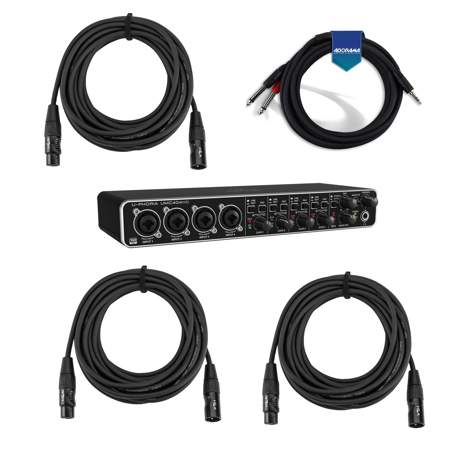
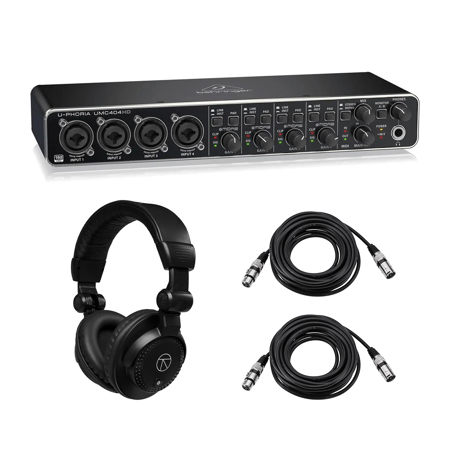
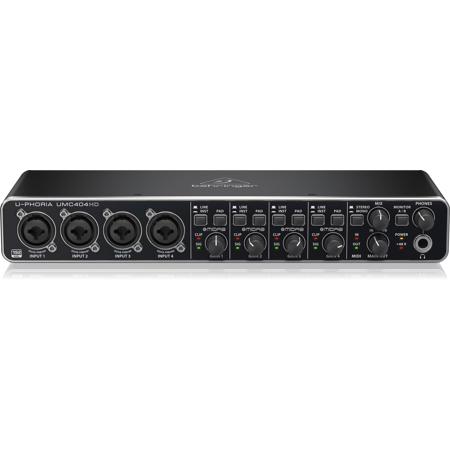
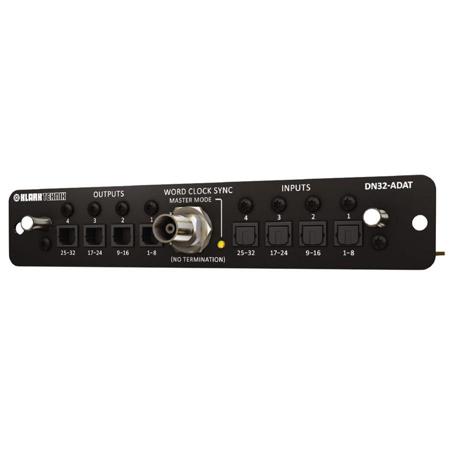
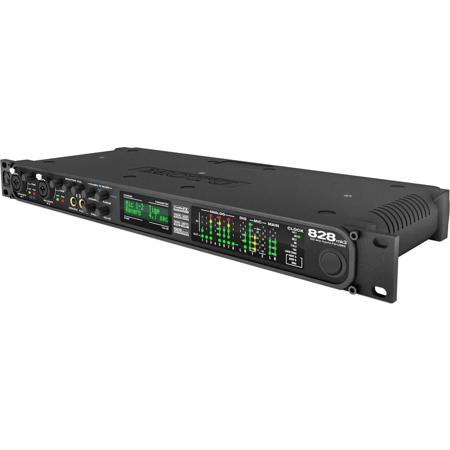
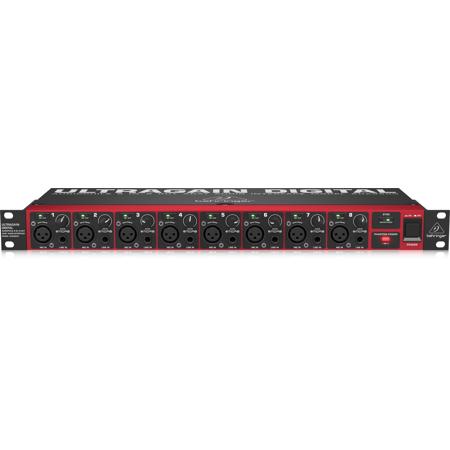
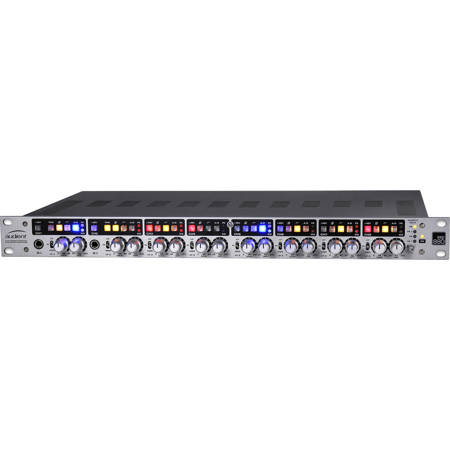
For musicians, producers, and audio engineers seeking to expand their recording capabilities, an audio interface with ADAT opens up a world of flexibility and creative potential. ADAT, short for Alesis Digital Audio Tape, refers to a popular digital optical protocol that allows you to add up to eight channels of audio to your existing setup using a single, slender optical cable. Whether you’re running a home studio in a cozy spare room or managing a bustling project studio, an ADAT interface can be the key to scaling your gear without the need to overhaul your entire system. This is especially valuable for recording larger ensembles, multi-mic drum kits, or integrating outboard preamps and converters. As the weather warms and collaborative projects pick up, many creators find themselves needing more simultaneous inputs for group sessions, live band tracking, or podcasting with multiple guests. With an audio interface optical input, you can seamlessly connect external mic preamps, digital mixers, or other compatible gear, giving you the freedom to capture every nuance without compromise.
Choosing the right ADAT audio interface involves balancing your current needs with future ambitions. For those just starting out or working within a tight budget, the search for the cheapest audio interface with ADAT can yield surprisingly robust options—compact, bus-powered units that offer essential features and room to grow. These make thoughtful gifts for aspiring producers, music students heading off to college, or anyone looking to elevate their home recording setup. On the other hand, seasoned professionals might look for interfaces boasting multiple ADAT ports, advanced routing options, and pristine conversion for critical listening environments. Regardless of where you fall on the spectrum, the ability to expand via ADAT ensures that your investment remains relevant as your projects evolve. Imagine the thrill of capturing a full drum kit in one take, or the satisfaction of running multiple hardware synths and samplers through your favorite analog preamps—all managed through a single optical connection. The convenience and efficiency of an ADAT-enabled setup can transform the way you approach recording, mixing, and even live performance.
As studio sessions stretch into the cooler months and creative energy flows, having an adaptable interface is invaluable. Many artists take advantage of this time to collaborate, experiment with new sounds, or upgrade their gear in anticipation of fall projects and performances. An ADAT interface not only streamlines complex setups but also helps keep your workspace tidy, reducing cable clutter and technical headaches. For those integrating their interface with popular DAWs or considering compatibility with industry-standard software, exploring options like Audio Interfaces With Pro Tools can ensure seamless workflow integration. Whether you’re gifting a budding musician their first expandable interface or optimizing your own studio for maximum flexibility, an audio interface with ADAT provides the headroom and connectivity to keep your creative process running smoothly, season after season.
Choosing the right ADAT audio interface involves balancing your current needs with future ambitions. For those just starting out or working within a tight budget, the search for the cheapest audio interface with ADAT can yield surprisingly robust options—compact, bus-powered units that offer essential features and room to grow. These make thoughtful gifts for aspiring producers, music students heading off to college, or anyone looking to elevate their home recording setup. On the other hand, seasoned professionals might look for interfaces boasting multiple ADAT ports, advanced routing options, and pristine conversion for critical listening environments. Regardless of where you fall on the spectrum, the ability to expand via ADAT ensures that your investment remains relevant as your projects evolve. Imagine the thrill of capturing a full drum kit in one take, or the satisfaction of running multiple hardware synths and samplers through your favorite analog preamps—all managed through a single optical connection. The convenience and efficiency of an ADAT-enabled setup can transform the way you approach recording, mixing, and even live performance.
As studio sessions stretch into the cooler months and creative energy flows, having an adaptable interface is invaluable. Many artists take advantage of this time to collaborate, experiment with new sounds, or upgrade their gear in anticipation of fall projects and performances. An ADAT interface not only streamlines complex setups but also helps keep your workspace tidy, reducing cable clutter and technical headaches. For those integrating their interface with popular DAWs or considering compatibility with industry-standard software, exploring options like Audio Interfaces With Pro Tools can ensure seamless workflow integration. Whether you’re gifting a budding musician their first expandable interface or optimizing your own studio for maximum flexibility, an audio interface with ADAT provides the headroom and connectivity to keep your creative process running smoothly, season after season.