Cinema Camera For Beginners
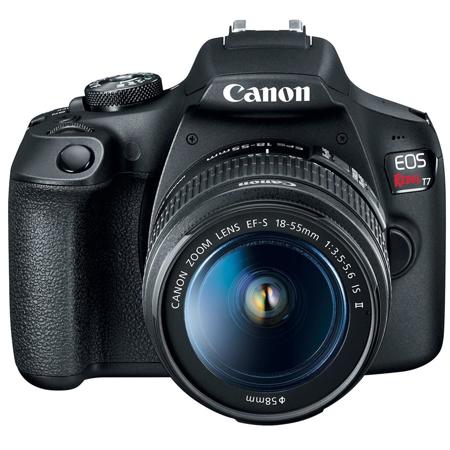
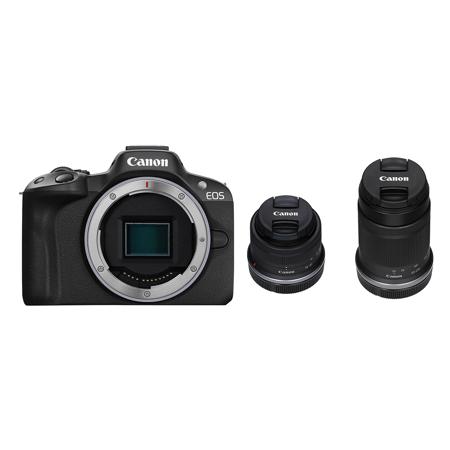
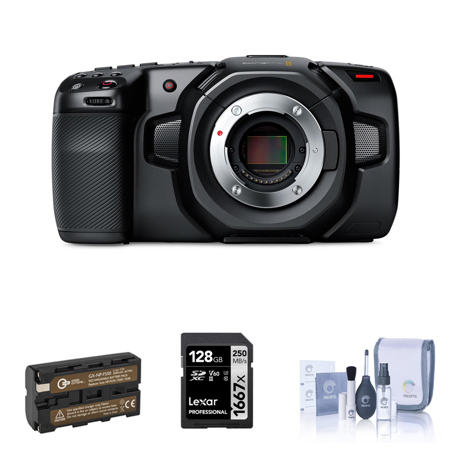
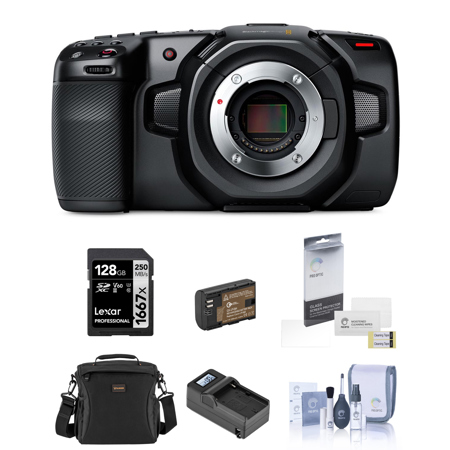
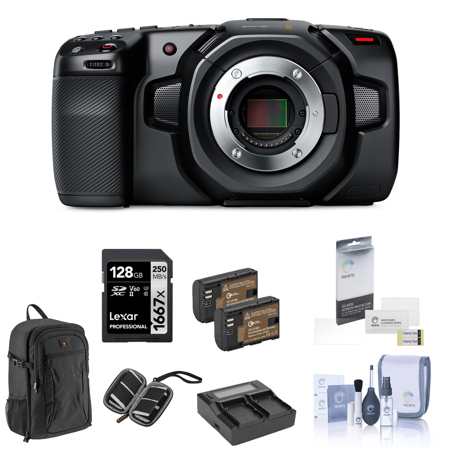
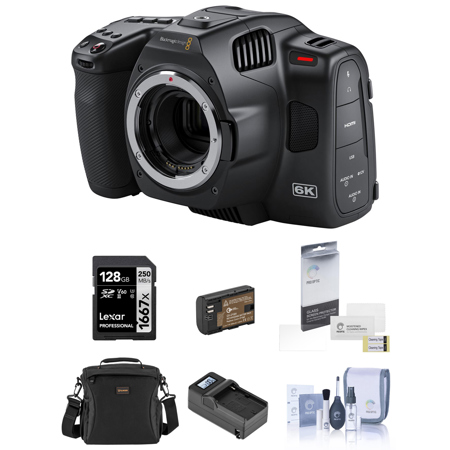
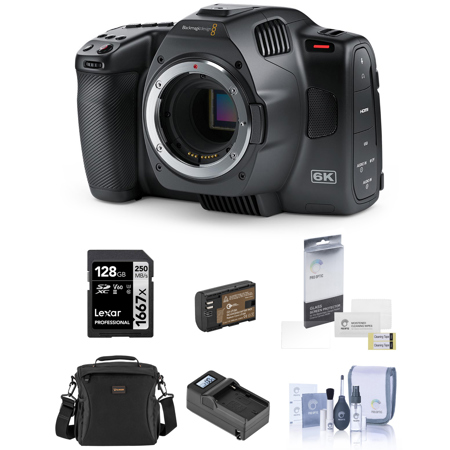
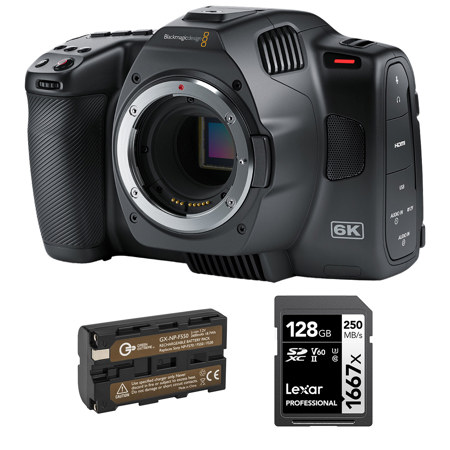
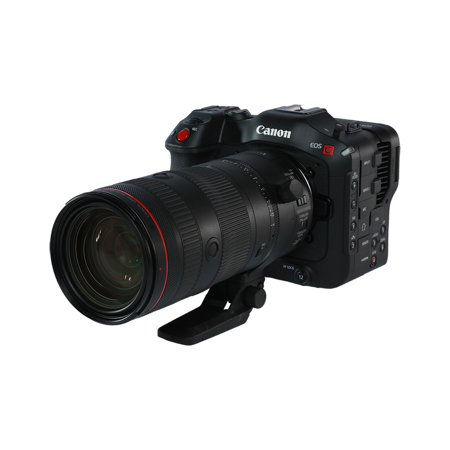
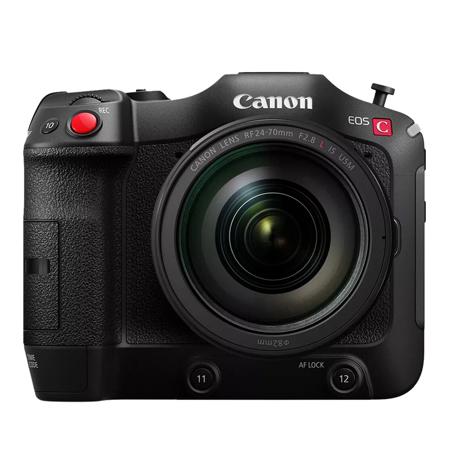
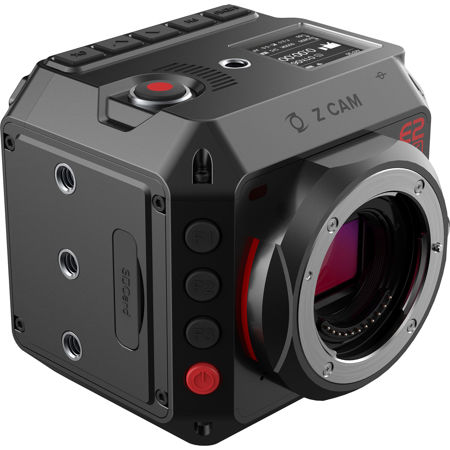
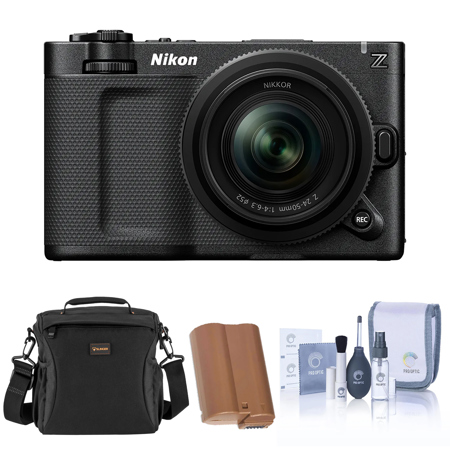
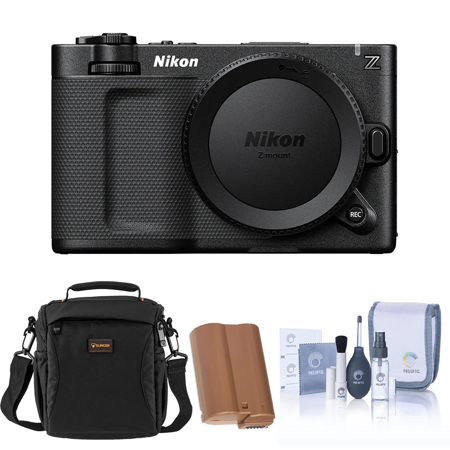
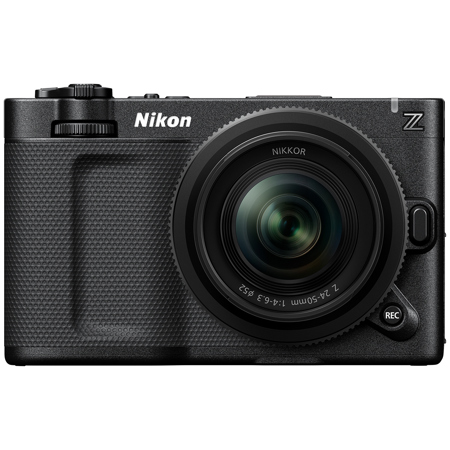
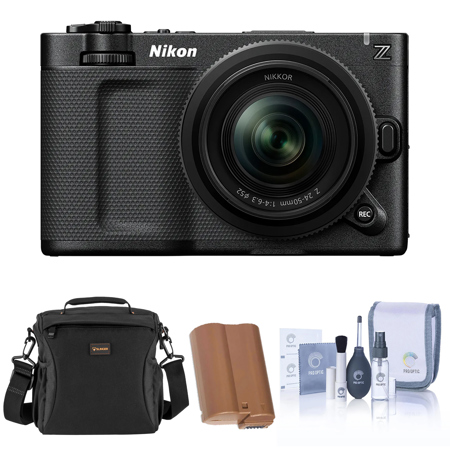
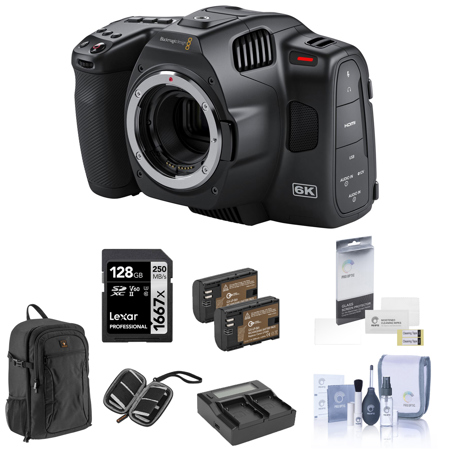
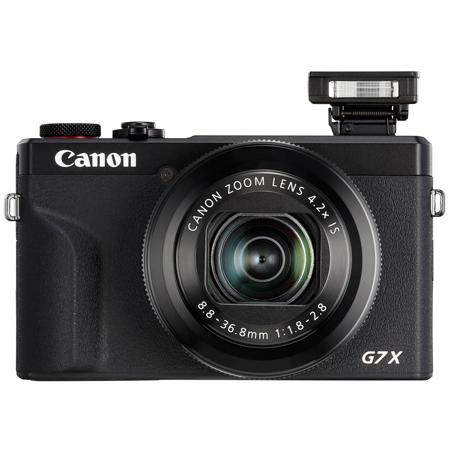
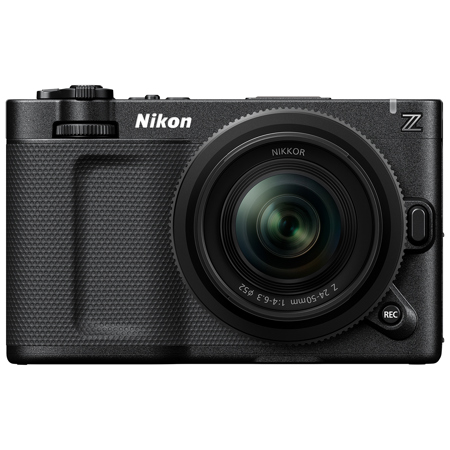
Embarking on your filmmaking journey is an exciting step, and choosing the right cinematic camera for beginners can make all the difference in both your creative process and the quality of your projects. Whether you’re a student eager to tell stories visually, a content creator looking to elevate your video production, or someone exploring a new hobby, today’s entry-level cinema cameras are designed to balance intuitive controls with powerful features. These cameras often offer user-friendly menus, robust autofocus systems, and versatile shooting modes, making them accessible to those just starting out while still delivering impressive results. Many models come equipped with interchangeable lens mounts, allowing you to experiment with different focal lengths and creative perspectives as your skills develop. For anyone gifting a camera for filmmaking beginner, these options are especially thoughtful—providing not just a piece of equipment, but the tools for self-expression, learning, and even future career opportunities. The winter months are an ideal time to dive into new creative pursuits, with crisp natural light and the unique atmosphere of the season offering plenty of inspiration for indoor and outdoor shoots alike.
When considering which cinematic camera for beginners best fits your needs, it’s important to think about your intended use and the environments where you’ll be filming. Entry-level cinema cameras are designed to be both portable and durable, making them suitable for everything from capturing family events to shooting short films, documentaries, or travel vlogs. Look for features like in-body image stabilization, which helps keep footage smooth when shooting handheld, and high-quality audio inputs that allow you to use external microphones for clearer sound—a crucial aspect of professional-looking videos. Many cameras in this category offer advanced video codecs, such as 10-bit color depth, which provide greater flexibility in post-production for color grading and editing. Sensor size is another important factor: full-frame sensors deliver a cinematic shallow depth of field and perform well in low light, while APS-C and Micro Four Thirds sensors offer a more compact form factor and budget-friendly lens options. For those interested in exploring the tactile experience of analog photography alongside digital video, you might also be interested in our curated selection of Film Cameras For Beginners.
As you start to build your filmmaking toolkit, remember that the right camera is just one part of the creative equation. Lighting, composition, and lens choice all play pivotal roles in achieving a cinematic look. Many beginners find that experimenting with different lenses—such as wide-angle for sweeping landscapes or prime lenses for portraits—can dramatically change the mood and impact of their footage. Entry-level cinema cameras often support a wide range of lenses, giving you the freedom to explore and refine your visual style. Additionally, these cameras are designed to grow with you; as your skills and ambitions expand, you’ll find that accessories like external monitors, gimbals, and advanced microphones can further enhance your productions. Whether you’re capturing the quiet beauty of a snowy January morning or the energy of a bustling city street, a thoughtfully chosen camera for filmmaking beginner opens up a world of creative possibilities. With the right gear and a passion for storytelling, you’ll be well-equipped to turn your ideas into cinematic reality.
When considering which cinematic camera for beginners best fits your needs, it’s important to think about your intended use and the environments where you’ll be filming. Entry-level cinema cameras are designed to be both portable and durable, making them suitable for everything from capturing family events to shooting short films, documentaries, or travel vlogs. Look for features like in-body image stabilization, which helps keep footage smooth when shooting handheld, and high-quality audio inputs that allow you to use external microphones for clearer sound—a crucial aspect of professional-looking videos. Many cameras in this category offer advanced video codecs, such as 10-bit color depth, which provide greater flexibility in post-production for color grading and editing. Sensor size is another important factor: full-frame sensors deliver a cinematic shallow depth of field and perform well in low light, while APS-C and Micro Four Thirds sensors offer a more compact form factor and budget-friendly lens options. For those interested in exploring the tactile experience of analog photography alongside digital video, you might also be interested in our curated selection of Film Cameras For Beginners.
As you start to build your filmmaking toolkit, remember that the right camera is just one part of the creative equation. Lighting, composition, and lens choice all play pivotal roles in achieving a cinematic look. Many beginners find that experimenting with different lenses—such as wide-angle for sweeping landscapes or prime lenses for portraits—can dramatically change the mood and impact of their footage. Entry-level cinema cameras often support a wide range of lenses, giving you the freedom to explore and refine your visual style. Additionally, these cameras are designed to grow with you; as your skills and ambitions expand, you’ll find that accessories like external monitors, gimbals, and advanced microphones can further enhance your productions. Whether you’re capturing the quiet beauty of a snowy January morning or the energy of a bustling city street, a thoughtfully chosen camera for filmmaking beginner opens up a world of creative possibilities. With the right gear and a passion for storytelling, you’ll be well-equipped to turn your ideas into cinematic reality.