

Commercial Touch Screen Monitors
In the ever-evolving world of digital interaction, commercial touch screen monitors have become a cornerstone for businesses seeking to create seamless, intuitive experiences for their clients and staff. Whether you’re outfitting a bustling retail environment, designing an interactive kiosk for a museum, or equipping a conference room with state-of-the-art presentation tools, these versatile displays offer a dynamic way to engage users. The winter months, with their flurry of trade shows, new project launches, and the drive for operational upgrades in the new year, are an ideal time to consider investing in or upgrading commercial touch screen solutions. Many organizations use this season to refresh their customer-facing technology, ensuring that their spaces are ready for the increased foot traffic and higher expectations that often come with the start of a new business cycle. From sleek, wall-mounted displays that transform lobbies into interactive information hubs to robust, freestanding units built to withstand the demands of high-traffic areas, the options are as diverse as the needs they serve.
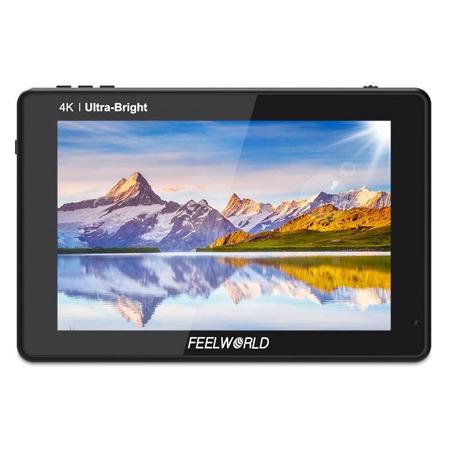
When choosing a commercial touch screen monitor, several key factors come into play. Durability is paramount, especially for installations in public or semi-public spaces where hundreds of hands may interact with the screen daily. Look for models with ruggedized glass and spill-resistant designs, which can stand up to accidental bumps, cleaning, and the rigors of everyday use. Size and resolution are equally important; a larger display can command attention and accommodate more detailed content, while higher resolutions—such as those found in 4K Touchscreen Monitors—deliver crisp, vibrant visuals that make presentations, digital signage, and interactive menus truly stand out. Touch technology also varies, with options like capacitive, resistive, and infrared each offering distinct advantages depending on the intended application. Capacitive touch screens, for example, provide smooth, responsive interaction for finger and stylus input, making them a popular choice for creative professionals and collaborative workspaces. Meanwhile, resistive screens are often favored in environments where gloves are worn, such as industrial settings or medical facilities. Connectivity is another consideration; modern commercial touch screens typically offer a range of ports and wireless options, ensuring compatibility with existing AV systems, computers, and peripherals.
Commercial touch screen monitors are not just tools for business—they can also make thoughtful, practical gifts for educators, small business owners, or anyone pursuing creative projects that benefit from hands-on interaction. Imagine the delight of an art teacher who can now bring digital drawing and interactive lessons to life for their students, or the entrepreneur who can streamline point-of-sale operations and customer check-ins with a sleek new display. In the hospitality industry, these monitors can transform guest experiences, offering intuitive self-service check-ins or interactive guides to local attractions. Even in the heart of winter, when cold weather keeps people indoors, touch screen monitors can foster collaboration and engagement, whether in a classroom brainstorming session, a corporate training seminar, or a family gathering around a digital photo album. With the right commercial touch screen, the possibilities for innovation, efficiency, and connection are nearly endless. By carefully considering your unique needs and environment, you can select a monitor that not only meets today’s demands but also adapts gracefully to the needs of tomorrow.
When choosing a commercial touch screen monitor, several key factors come into play. Durability is paramount, especially for installations in public or semi-public spaces where hundreds of hands may interact with the screen daily. Look for models with ruggedized glass and spill-resistant designs, which can stand up to accidental bumps, cleaning, and the rigors of everyday use. Size and resolution are equally important; a larger display can command attention and accommodate more detailed content, while higher resolutions—such as those found in 4K Touchscreen Monitors—deliver crisp, vibrant visuals that make presentations, digital signage, and interactive menus truly stand out. Touch technology also varies, with options like capacitive, resistive, and infrared each offering distinct advantages depending on the intended application. Capacitive touch screens, for example, provide smooth, responsive interaction for finger and stylus input, making them a popular choice for creative professionals and collaborative workspaces. Meanwhile, resistive screens are often favored in environments where gloves are worn, such as industrial settings or medical facilities. Connectivity is another consideration; modern commercial touch screens typically offer a range of ports and wireless options, ensuring compatibility with existing AV systems, computers, and peripherals.
Commercial touch screen monitors are not just tools for business—they can also make thoughtful, practical gifts for educators, small business owners, or anyone pursuing creative projects that benefit from hands-on interaction. Imagine the delight of an art teacher who can now bring digital drawing and interactive lessons to life for their students, or the entrepreneur who can streamline point-of-sale operations and customer check-ins with a sleek new display. In the hospitality industry, these monitors can transform guest experiences, offering intuitive self-service check-ins or interactive guides to local attractions. Even in the heart of winter, when cold weather keeps people indoors, touch screen monitors can foster collaboration and engagement, whether in a classroom brainstorming session, a corporate training seminar, or a family gathering around a digital photo album. With the right commercial touch screen, the possibilities for innovation, efficiency, and connection are nearly endless. By carefully considering your unique needs and environment, you can select a monitor that not only meets today’s demands but also adapts gracefully to the needs of tomorrow.