Digital Organs
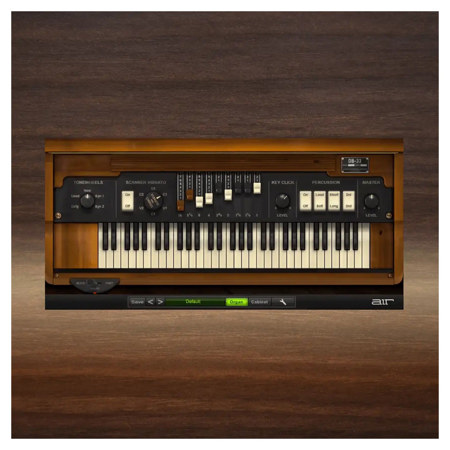
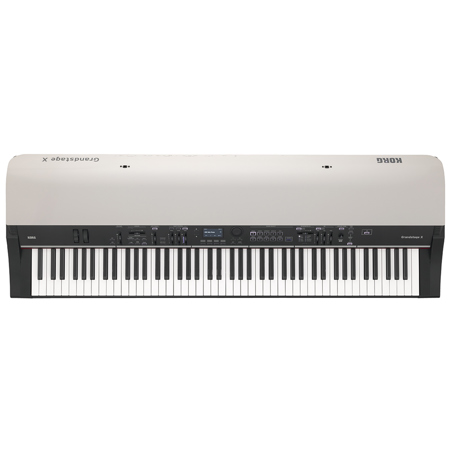
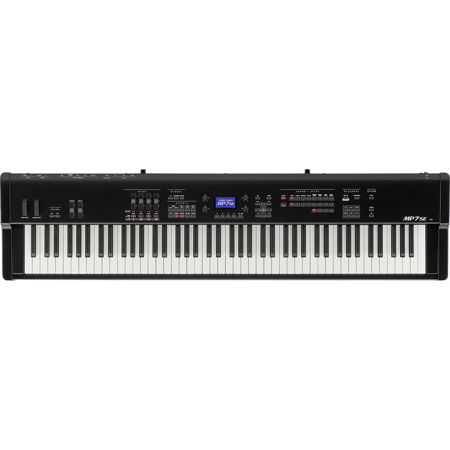
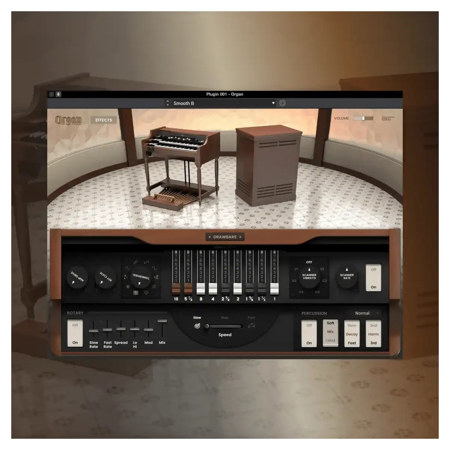
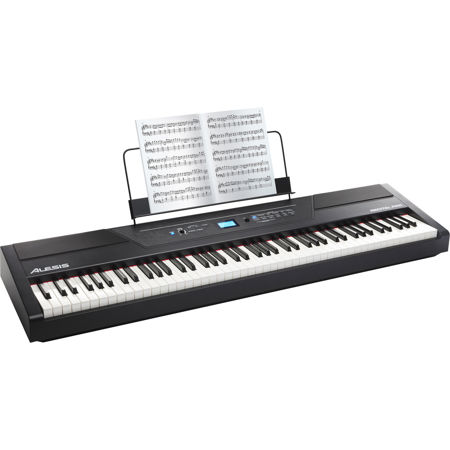
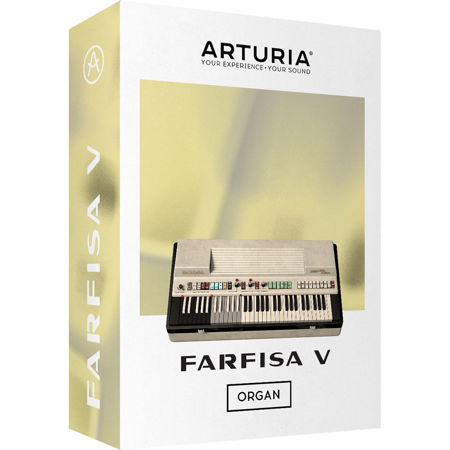
Digital organs have transformed the way musicians, congregations, and music educators experience the grandeur and versatility of organ music. Unlike traditional pipe organs, which require significant space and ongoing maintenance, digital organs offer a compact, cost-effective solution that fits seamlessly into a variety of settings—from intimate home studios to large sanctuaries and academic auditoriums. At their core, digital organs harness advanced sampling and modeling technologies to authentically reproduce the rich tonal palette of historic pipe organs from around the world. This means that with a single instrument, users can explore the majestic timbres of French Romantic cathedrals, the clarity of Baroque German organs, or the warmth of American church sounds. Many digital organs are equipped with user-friendly features such as touchscreens, customizable sound libraries, and USB connectivity, making them accessible for both seasoned organists and those just beginning their musical journey. As the winter months settle in and musical activities often shift indoors, a digital organ can be the heart of practice sessions, rehearsals, and performances, bringing the powerful resonance of organ music into any environment without the logistical challenges of traditional installations.
For churches and houses of worship, digital organs provide an inspiring solution for congregational accompaniment, choral support, and solo performances. They are especially valuable for communities seeking the expressive range of a pipe organ without the associated costs or spatial demands. Many institutions have embraced hybrid systems, where digital organs are integrated with existing pipes, expanding tonal possibilities and ensuring reliability during services and special events. In educational settings, digital organs are an indispensable resource, giving students access to a broad range of organ voices for study and performance, and enabling organ instructors to demonstrate stylistic differences with clarity and ease. For home musicians, a digital organ opens up a world of repertoire and creative exploration, whether practicing Bach’s intricate fugues or improvising on contemporary themes. These instruments also make thoughtful gifts for music lovers, students, or anyone with an appreciation for the organ’s unique sound—especially during the colder months when indoor music-making becomes a cherished pastime. The ability to switch between organ voices, adjust acoustical environments, and even connect with other digital instruments makes digital organs a versatile centerpiece for any musical space.
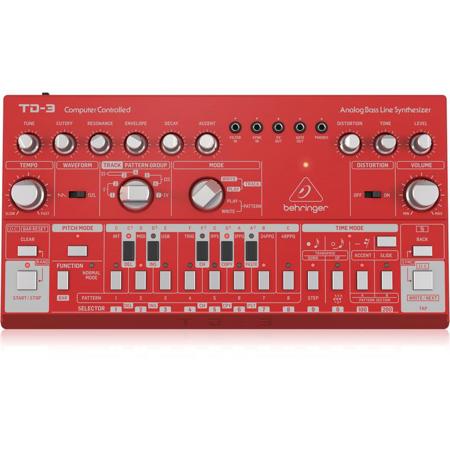
When considering a digital organ, it’s important to think about the intended use, available space, and desired features. Console size, pedalboard configuration, and speaker quality all contribute to the playing experience, while advanced digital interfaces allow for deep sound customization and integration with modern audio systems. For those interested in broader sonic experimentation or blending organ sounds with other instruments, exploring related options such as Music Synthesizers can further expand creative possibilities. Whether you are a church music director seeking reliable performance, a university outfitting a teaching studio, or a musician looking to bring the majesty of organ music into your home, digital organs offer a blend of tradition and innovation that meets the needs of today’s diverse musical communities. With their blend of authentic sound, practical design, and cutting-edge technology, digital organs continue to inspire musicians and audiences alike through every season.
For churches and houses of worship, digital organs provide an inspiring solution for congregational accompaniment, choral support, and solo performances. They are especially valuable for communities seeking the expressive range of a pipe organ without the associated costs or spatial demands. Many institutions have embraced hybrid systems, where digital organs are integrated with existing pipes, expanding tonal possibilities and ensuring reliability during services and special events. In educational settings, digital organs are an indispensable resource, giving students access to a broad range of organ voices for study and performance, and enabling organ instructors to demonstrate stylistic differences with clarity and ease. For home musicians, a digital organ opens up a world of repertoire and creative exploration, whether practicing Bach’s intricate fugues or improvising on contemporary themes. These instruments also make thoughtful gifts for music lovers, students, or anyone with an appreciation for the organ’s unique sound—especially during the colder months when indoor music-making becomes a cherished pastime. The ability to switch between organ voices, adjust acoustical environments, and even connect with other digital instruments makes digital organs a versatile centerpiece for any musical space.
When considering a digital organ, it’s important to think about the intended use, available space, and desired features. Console size, pedalboard configuration, and speaker quality all contribute to the playing experience, while advanced digital interfaces allow for deep sound customization and integration with modern audio systems. For those interested in broader sonic experimentation or blending organ sounds with other instruments, exploring related options such as Music Synthesizers can further expand creative possibilities. Whether you are a church music director seeking reliable performance, a university outfitting a teaching studio, or a musician looking to bring the majesty of organ music into your home, digital organs offer a blend of tradition and innovation that meets the needs of today’s diverse musical communities. With their blend of authentic sound, practical design, and cutting-edge technology, digital organs continue to inspire musicians and audiences alike through every season.