Fisheye Lens For Astrophotography
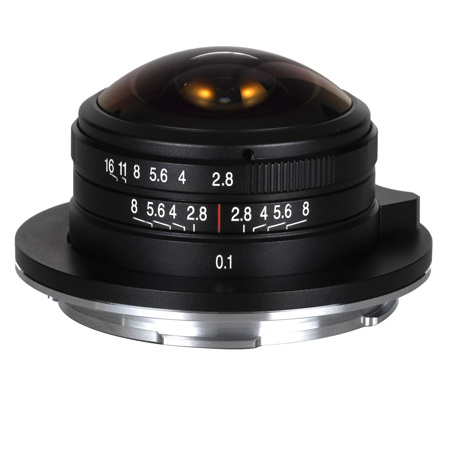
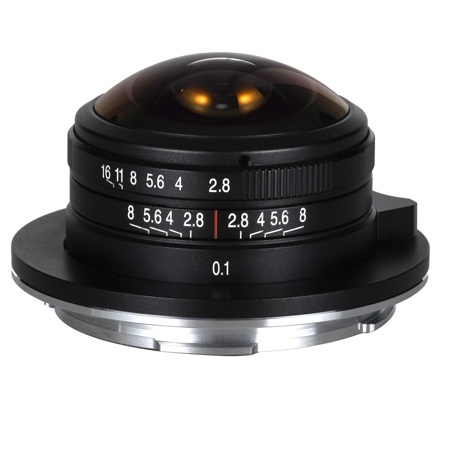
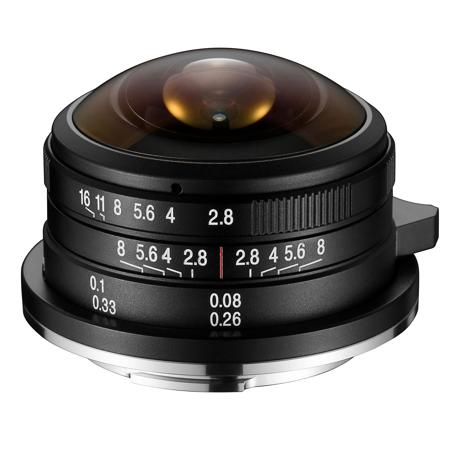
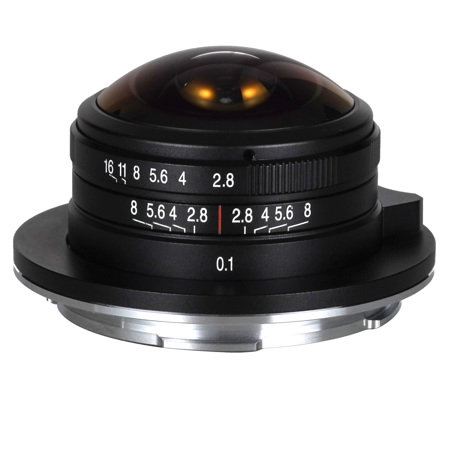
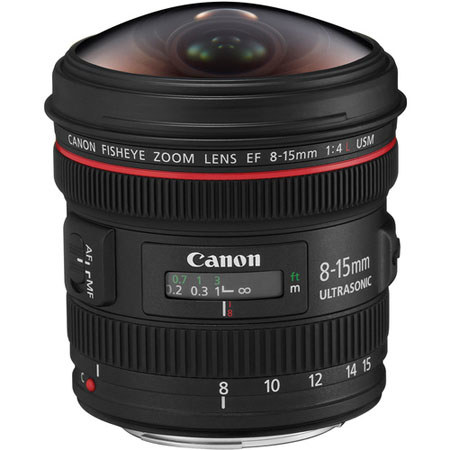
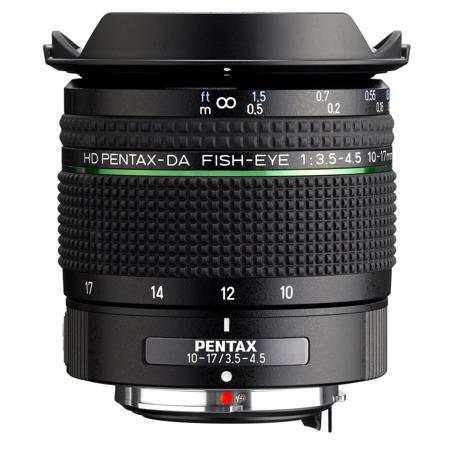
Astrophotography with a fisheye lens is an experience unlike any other, opening a window to the cosmos that stretches from one horizon to the other in a single, breathtaking frame. Whether you’re a seasoned night sky photographer or just beginning to explore the wonders overhead, a fisheye lens offers a unique perspective that captures the grandeur of the Milky Way, the drama of meteor showers, and the ethereal glow of aurora storms in ways that traditional wide-angles simply can’t match. These lenses, with their ultra-wide 180° field of view, are designed to fit the entire celestial dome into a single shot, making them ideal for panoramic star fields, time-lapse sequences, and immersive nightscapes. As the weather shifts from the warmth of summer to the cooler, clearer nights of early fall, opportunities abound to take your camera outdoors—whether you’re camping in the mountains, attending a star party, or simply enjoying a quiet evening in your backyard. Fisheye lenses are also a thoughtful gift for anyone with an interest in astronomy, outdoor adventure, or creative photography, offering both beginners and experts a new way to document their stargazing experiences.
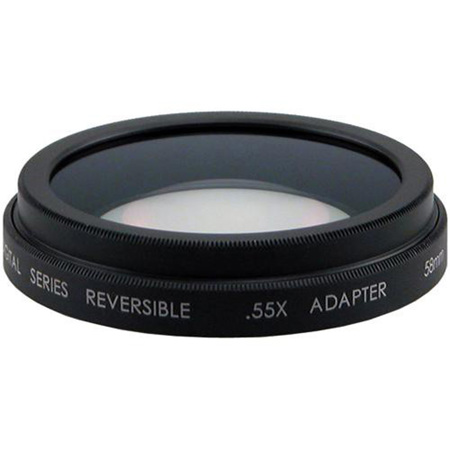
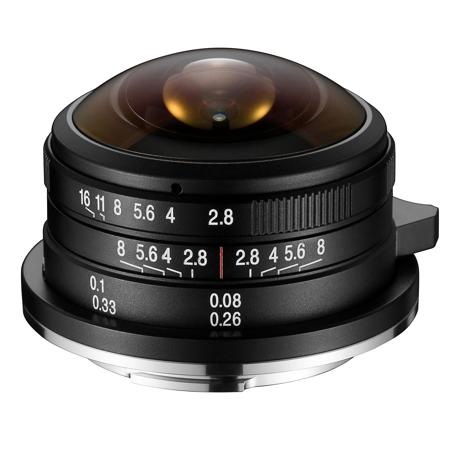
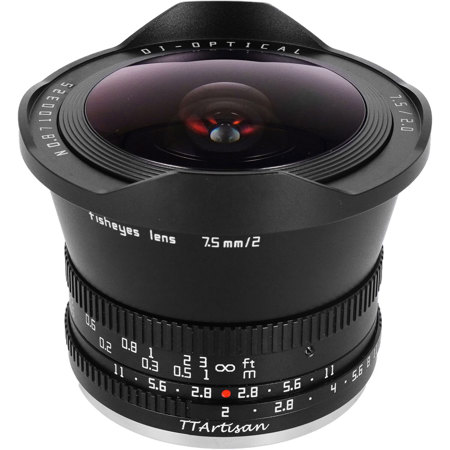
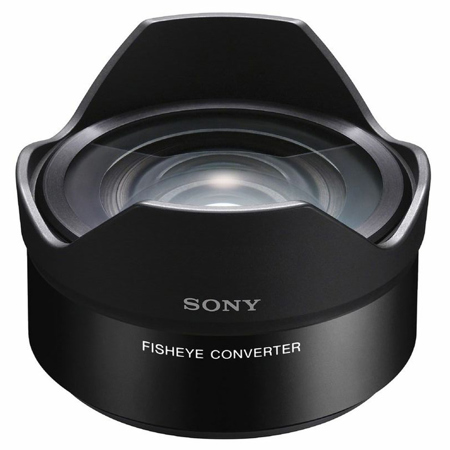
When choosing a fisheye lens for astrophotography, there are several factors to consider to ensure you get the most from your night sky sessions. The first is the lens type: circular fisheye lenses create a round image within the frame, often with dramatic vignetting, while full-frame fisheyes fill the entire sensor with a sweeping, edge-to-edge view. Both styles can be used to artistic effect, but full-frame fisheyes tend to be more versatile for capturing expansive landscapes beneath the stars. Aperture is another key consideration—look for lenses with fast maximum apertures (f/2.8, f/2, or even f/1.4) to maximize light gathering and keep exposure times short. This is especially important when photographing faint stars, meteor showers, or the Milky Way’s dust lanes, as it helps maintain sharpness and detail without star trails. If you’re shooting with a crop-sensor camera, be sure to select a lens that matches your mount and sensor size for the best coverage and performance. Many astrophotographers find that pointing the lens straight up or mounting it high on a tripod helps minimize interference from ground clutter and urban lighting, especially in suburban settings. Techniques like the 500 Rule—dividing 500 by your lens’s focal length to calculate the maximum shutter speed before stars begin to trail—can help you dial in exposure settings for crisp, pinpoint stars. While standard meteors may appear small in a fisheye’s expansive frame, major fireballs, auroras, and the Milky Way’s arc become truly dramatic under the lens’s signature distortion. For those looking to experiment further, or adapt an existing lens for creative night sky work, explore our selection of Fisheye Adapters to expand your gear options.
Fisheye lenses are as much about creativity as they are about technical performance, making them a favorite among photographers who want to tell a story with their images. The ability to frame the entire sky, along with a slice of the landscape, allows for compositions that convey the scale and majesty of the universe in a way that feels both personal and epic. Whether you’re documenting the Perseids streaking across the August sky, capturing the first hints of fall color beneath a blanket of stars, or simply enjoying the quiet solitude of a moonless night, a fisheye lens turns every outing into an opportunity for discovery. They’re also a popular choice for group outings, astronomy clubs, and educational events, where the goal is to share the wonder of the night sky with others. With the right lens and a bit of preparation, you’ll find yourself returning to favorite locations again and again, chasing new alignments and celestial events as the seasons change. A fisheye lens for astrophotography isn’t just a tool—it’s an invitation to see the world, and the universe beyond, from a fresh and inspiring perspective.
When choosing a fisheye lens for astrophotography, there are several factors to consider to ensure you get the most from your night sky sessions. The first is the lens type: circular fisheye lenses create a round image within the frame, often with dramatic vignetting, while full-frame fisheyes fill the entire sensor with a sweeping, edge-to-edge view. Both styles can be used to artistic effect, but full-frame fisheyes tend to be more versatile for capturing expansive landscapes beneath the stars. Aperture is another key consideration—look for lenses with fast maximum apertures (f/2.8, f/2, or even f/1.4) to maximize light gathering and keep exposure times short. This is especially important when photographing faint stars, meteor showers, or the Milky Way’s dust lanes, as it helps maintain sharpness and detail without star trails. If you’re shooting with a crop-sensor camera, be sure to select a lens that matches your mount and sensor size for the best coverage and performance. Many astrophotographers find that pointing the lens straight up or mounting it high on a tripod helps minimize interference from ground clutter and urban lighting, especially in suburban settings. Techniques like the 500 Rule—dividing 500 by your lens’s focal length to calculate the maximum shutter speed before stars begin to trail—can help you dial in exposure settings for crisp, pinpoint stars. While standard meteors may appear small in a fisheye’s expansive frame, major fireballs, auroras, and the Milky Way’s arc become truly dramatic under the lens’s signature distortion. For those looking to experiment further, or adapt an existing lens for creative night sky work, explore our selection of Fisheye Adapters to expand your gear options.
Fisheye lenses are as much about creativity as they are about technical performance, making them a favorite among photographers who want to tell a story with their images. The ability to frame the entire sky, along with a slice of the landscape, allows for compositions that convey the scale and majesty of the universe in a way that feels both personal and epic. Whether you’re documenting the Perseids streaking across the August sky, capturing the first hints of fall color beneath a blanket of stars, or simply enjoying the quiet solitude of a moonless night, a fisheye lens turns every outing into an opportunity for discovery. They’re also a popular choice for group outings, astronomy clubs, and educational events, where the goal is to share the wonder of the night sky with others. With the right lens and a bit of preparation, you’ll find yourself returning to favorite locations again and again, chasing new alignments and celestial events as the seasons change. A fisheye lens for astrophotography isn’t just a tool—it’s an invitation to see the world, and the universe beyond, from a fresh and inspiring perspective.