
Lighting For Dance Performances
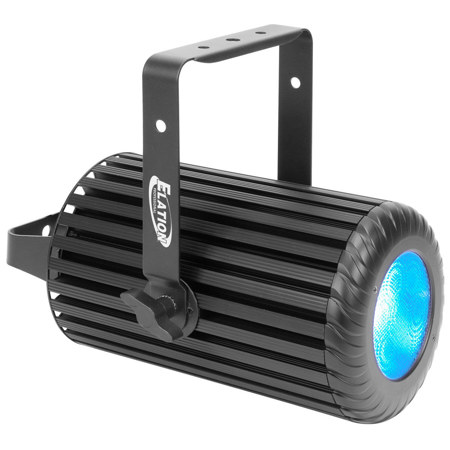
Lighting for dance performances is an art form in itself, shaping not only how the audience perceives movement but also how dancers experience the stage. As the weather warms and performance schedules fill with recitals, showcases, and summer intensives, selecting the best stage lighting equipment for dance performances becomes essential for choreographers, lighting designers, and educators alike. The unique demands of dance lighting go well beyond simple illumination—each fixture, modifier, and controller plays a role in sculpting the human body in motion, revealing the subtlety of a dancer’s technique, and enhancing the emotional resonance of every piece. Sidelighting, often achieved with booms and shins placed in the wings, is a foundational approach for accentuating the muscles and lines of the dancers while keeping the stage dynamic. Low sidelights skim across the floor to define footwork, while higher fixtures carve out the torso and arms, ensuring that every leap and turn is captured in striking relief. Backlighting, meanwhile, is invaluable for separating performers from the background, creating dramatic silhouettes or highlighting the upper body—especially effective in contemporary and emotionally charged works. Overhead top lighting provides broad washes to color the stage floor and costumes, setting the overall mood, while front lighting is used sparingly to preserve depth and only reveal facial expressions when storytelling demands it.
When assembling a lighting setup for dance, versatility and control are crucial considerations. Many dance productions require quick transitions between scenes, so equipment that allows for smooth, dynamic changes in intensity and hue is highly desirable. This adaptability is not only valuable for professional lighting designers but also for educators in schools and studios, as well as community theaters or emerging dance troupes who may be working with limited resources but still want to achieve professional results. For those gifting lighting equipment—perhaps to a passionate dance student, an aspiring choreographer, or a local arts organization—think about the recipient’s needs for portability, ease of programming, and compatibility with existing gear. Color temperature and saturation are also key: cool tones like blue, cyan, and white evoke calmness and introspection, perfect for lyrical or modern pieces, while warm ambers, golds, and reds can infuse a performance with energy and intimacy. Pairing warm and cool sources from opposite sides of the stage can create stunning visual contrasts, sculpting the dancers’ physiques and enhancing the drama of each piece. Don’t forget the importance of testing lighting with costumes and makeup, as saturated colors can shift the appearance of fabrics and faces—always run a rehearsal in full costume to ensure the lighting complements rather than overwhelms.
Whether you’re lighting a grand stage for a professional company or transforming a school auditorium for a student showcase, investing in quality stage lighting equipment can make all the difference in the audience’s experience. The right combination of sidelights, backlights, and overhead washes will not only highlight the technical skill of the dancers but also immerse viewers in the story and emotion of the performance. For those seeking to expand their knowledge or compare options for other types of live arts, explore our curated recommendations for Stage Lighting For Theatre to discover additional insights and tools that can elevate any production. As dance performances continue to thrive through the changing seasons, the impact of thoughtfully chosen lighting equipment will resonate in every movement, from the softest gesture to the most explosive leap.
When assembling a lighting setup for dance, versatility and control are crucial considerations. Many dance productions require quick transitions between scenes, so equipment that allows for smooth, dynamic changes in intensity and hue is highly desirable. This adaptability is not only valuable for professional lighting designers but also for educators in schools and studios, as well as community theaters or emerging dance troupes who may be working with limited resources but still want to achieve professional results. For those gifting lighting equipment—perhaps to a passionate dance student, an aspiring choreographer, or a local arts organization—think about the recipient’s needs for portability, ease of programming, and compatibility with existing gear. Color temperature and saturation are also key: cool tones like blue, cyan, and white evoke calmness and introspection, perfect for lyrical or modern pieces, while warm ambers, golds, and reds can infuse a performance with energy and intimacy. Pairing warm and cool sources from opposite sides of the stage can create stunning visual contrasts, sculpting the dancers’ physiques and enhancing the drama of each piece. Don’t forget the importance of testing lighting with costumes and makeup, as saturated colors can shift the appearance of fabrics and faces—always run a rehearsal in full costume to ensure the lighting complements rather than overwhelms.
Whether you’re lighting a grand stage for a professional company or transforming a school auditorium for a student showcase, investing in quality stage lighting equipment can make all the difference in the audience’s experience. The right combination of sidelights, backlights, and overhead washes will not only highlight the technical skill of the dancers but also immerse viewers in the story and emotion of the performance. For those seeking to expand their knowledge or compare options for other types of live arts, explore our curated recommendations for Stage Lighting For Theatre to discover additional insights and tools that can elevate any production. As dance performances continue to thrive through the changing seasons, the impact of thoughtfully chosen lighting equipment will resonate in every movement, from the softest gesture to the most explosive leap.