
Moon Filters
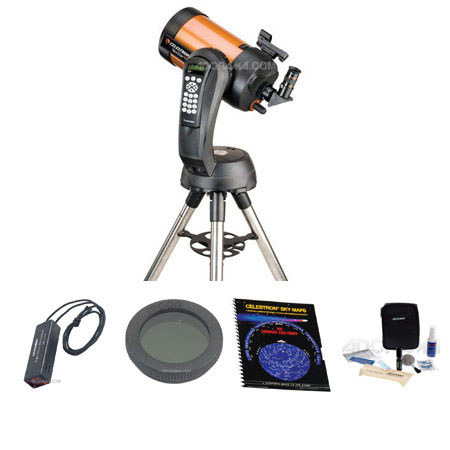
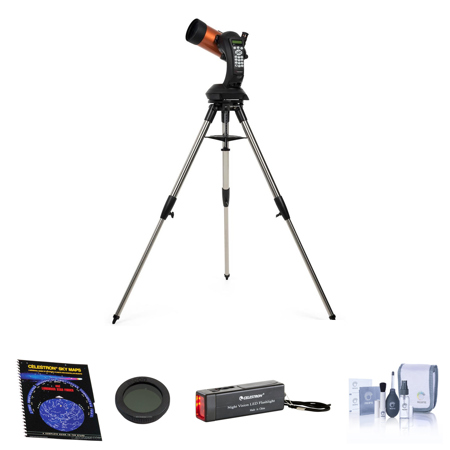
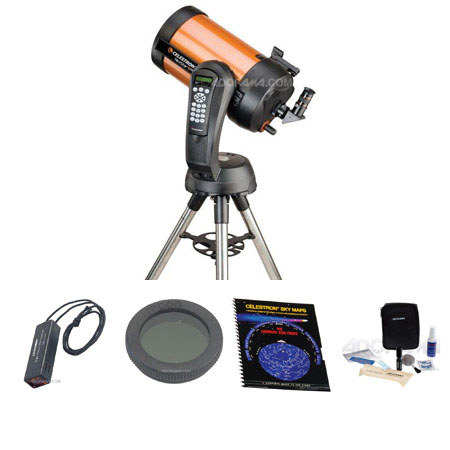
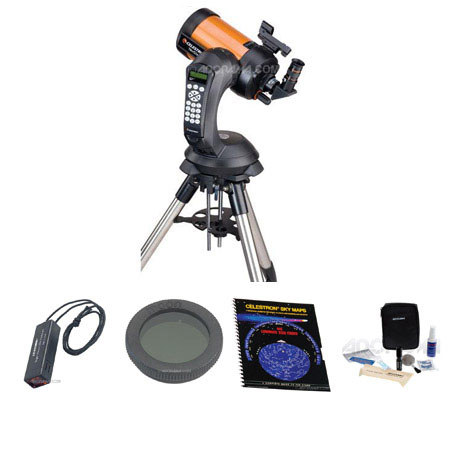
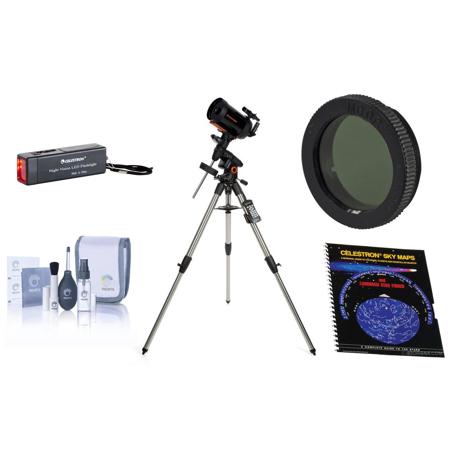
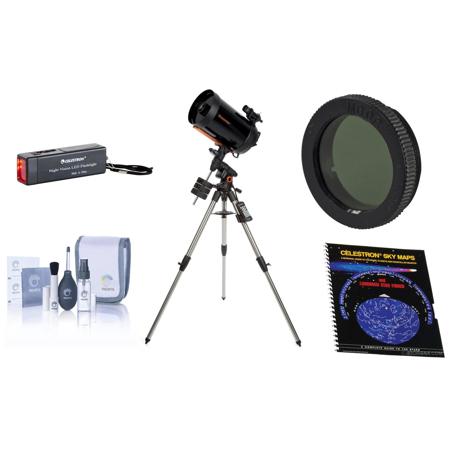
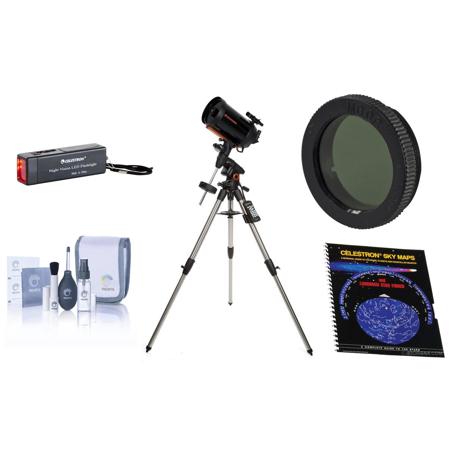
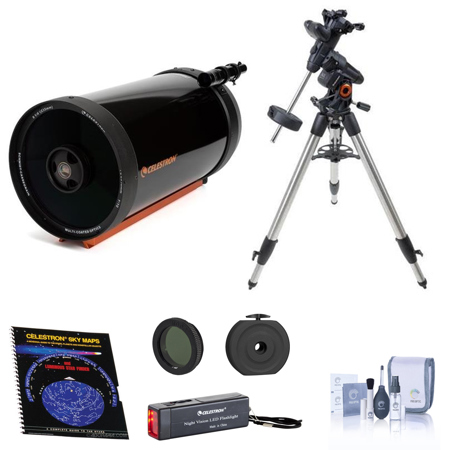
For both seasoned astronomers and those just beginning to explore the night sky, moon filters are essential accessories that can transform lunar observation into a more comfortable and revealing experience. When the moon is waxing toward its full phase, its brightness can be almost overwhelming—especially through telescopes with larger apertures. This intense glare can wash out the delicate details of lunar craters, mountain ranges, and maria, making it difficult to discern the subtle textures that give the moon its character. Moon filters, most commonly neutral density (ND) filters, act much like sunglasses for your telescope, reducing the overall brightness without distorting natural colors. By cutting down the moon’s luminance, these filters enhance contrast and bring out fine surface features that would otherwise be lost in the glare. In the cold, clear nights of February, when the air is crisp and lunar details are at their sharpest, a well-chosen moon filter can make all the difference, allowing you to linger at the eyepiece without straining your eyes or losing your night vision.
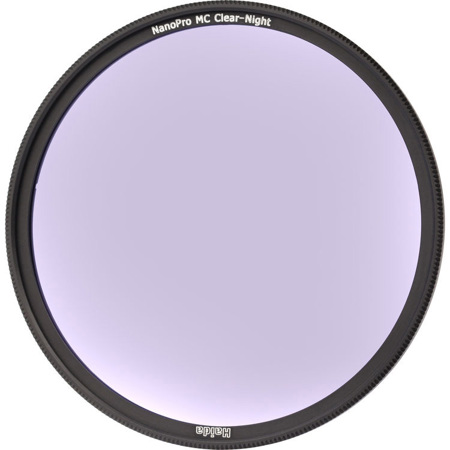
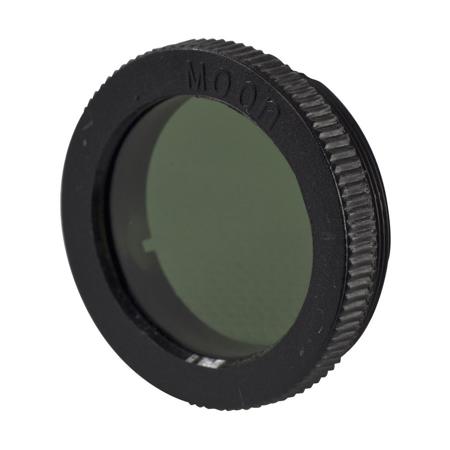
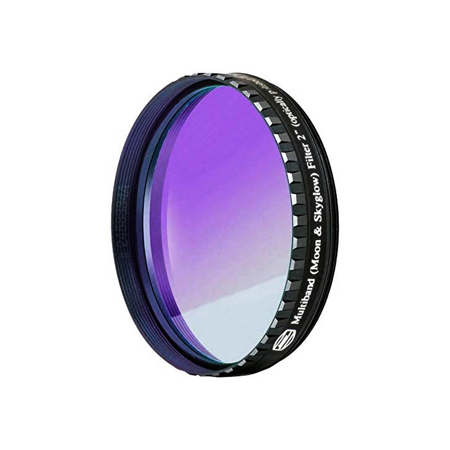
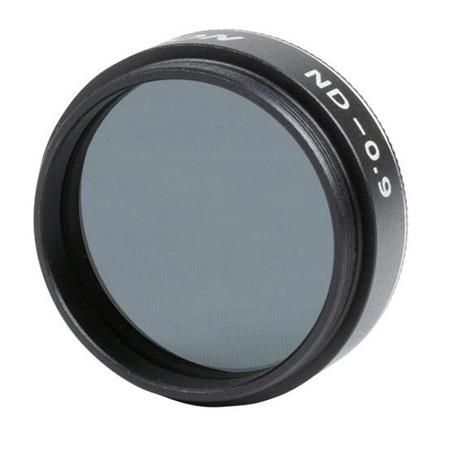
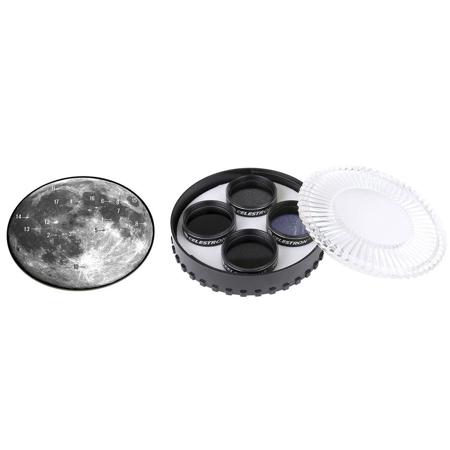
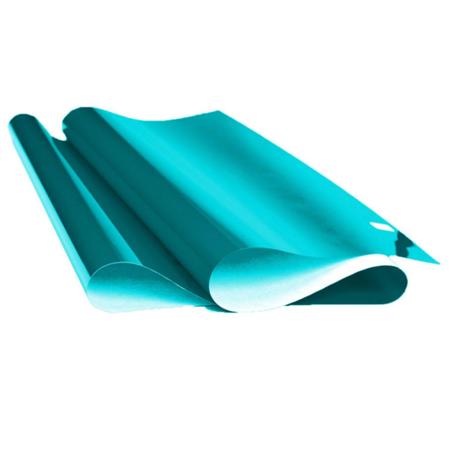
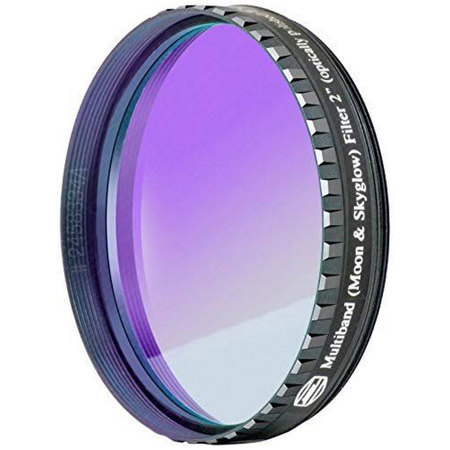
Choosing the right moon filter often depends on both your telescope and your viewing preferences. Neutral density filters are the most popular choice, available in various strengths (such as ND4, ND8, or ND16), each offering a different level of light reduction. For those with larger telescopes or for observing during the full moon, a higher-density filter—sometimes referred to as ND1000—can provide significant glare control, revealing subtle shadows along the lunar terminator. Some astronomers prefer variable polarizing filters, which offer adjustable dimming and allow for fine-tuning based on the moon’s phase or the observer’s sensitivity. Colored filters, such as green or blue, can also be used to cut glare, though they may introduce a color cast that some purists prefer to avoid. Most moon filters conveniently screw directly onto standard 1.25-inch or 2-inch eyepieces, making them compatible with a wide range of telescopes. These filters are not only practical but also make thoughtful gifts for astronomy enthusiasts of all ages—imagine the delight of a young stargazer receiving their first moon filter and discovering the intricate beauty of lunar landscapes that were previously hidden. For those interested in expanding their astrophotography toolkit, moon filters can also play a role in maven filtering, helping to balance exposures and bring out the rich textures of the lunar surface in photographs.
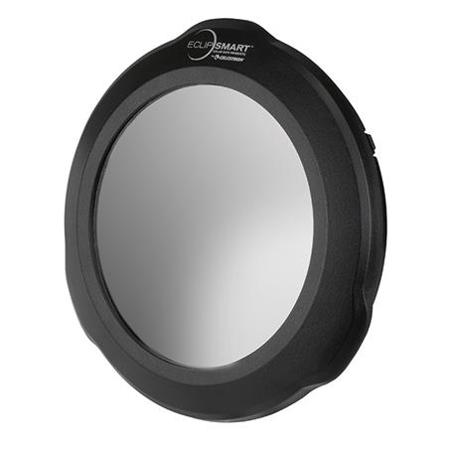
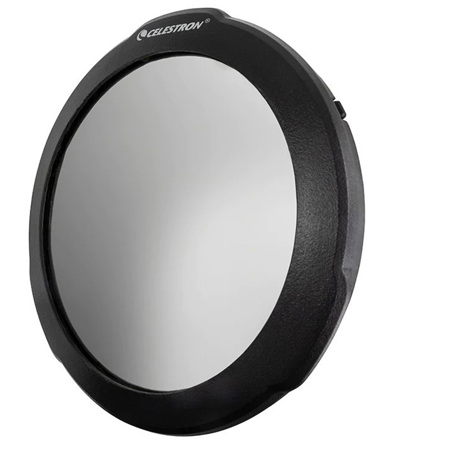
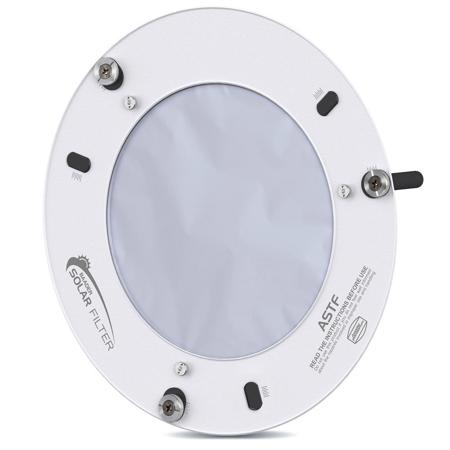
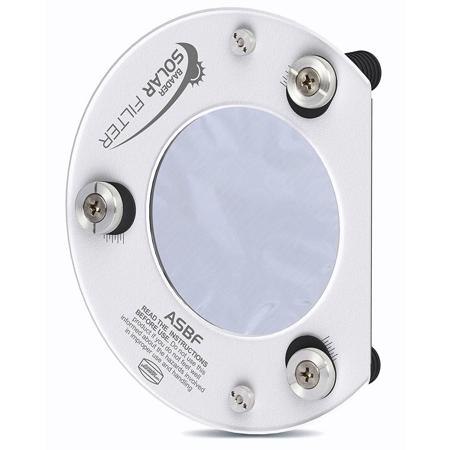
Whether you’re sharing a winter night at the telescope with family, preparing for a solo lunar photography session, or searching for the perfect gift for a budding astronomer, moon filters offer an accessible way to enhance every lunar viewing experience. They are especially valuable for maintaining eye comfort and dark adaptation, which is crucial if you plan to observe other, fainter celestial objects after studying the moon. As you build your collection of astronomy accessories, consider pairing moon filters with other essential tools for solar and lunar observation. If your interests extend to solar phenomena, you may also want to explore our selection of Eclipse Filters for safe and stunning views of solar eclipses and transits. With the right combination of filters and accessories, you can enjoy the ever-changing face of the moon in all its detail, season after season.
Choosing the right moon filter often depends on both your telescope and your viewing preferences. Neutral density filters are the most popular choice, available in various strengths (such as ND4, ND8, or ND16), each offering a different level of light reduction. For those with larger telescopes or for observing during the full moon, a higher-density filter—sometimes referred to as ND1000—can provide significant glare control, revealing subtle shadows along the lunar terminator. Some astronomers prefer variable polarizing filters, which offer adjustable dimming and allow for fine-tuning based on the moon’s phase or the observer’s sensitivity. Colored filters, such as green or blue, can also be used to cut glare, though they may introduce a color cast that some purists prefer to avoid. Most moon filters conveniently screw directly onto standard 1.25-inch or 2-inch eyepieces, making them compatible with a wide range of telescopes. These filters are not only practical but also make thoughtful gifts for astronomy enthusiasts of all ages—imagine the delight of a young stargazer receiving their first moon filter and discovering the intricate beauty of lunar landscapes that were previously hidden. For those interested in expanding their astrophotography toolkit, moon filters can also play a role in maven filtering, helping to balance exposures and bring out the rich textures of the lunar surface in photographs.
Whether you’re sharing a winter night at the telescope with family, preparing for a solo lunar photography session, or searching for the perfect gift for a budding astronomer, moon filters offer an accessible way to enhance every lunar viewing experience. They are especially valuable for maintaining eye comfort and dark adaptation, which is crucial if you plan to observe other, fainter celestial objects after studying the moon. As you build your collection of astronomy accessories, consider pairing moon filters with other essential tools for solar and lunar observation. If your interests extend to solar phenomena, you may also want to explore our selection of Eclipse Filters for safe and stunning views of solar eclipses and transits. With the right combination of filters and accessories, you can enjoy the ever-changing face of the moon in all its detail, season after season.