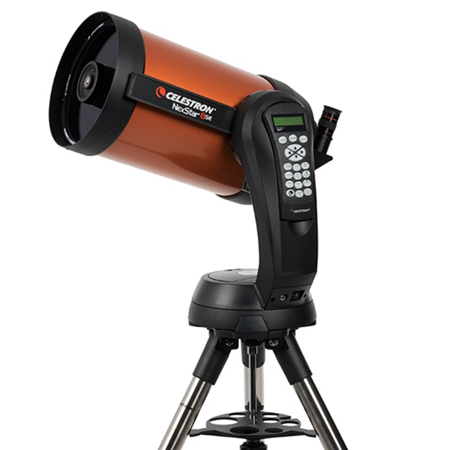
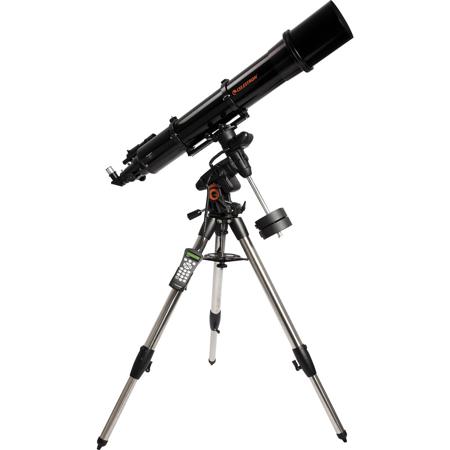
Moon Telescopes
Exploring the Moon through a telescope is a captivating experience that bridges the gap between everyday life and the wonders of the cosmos. Whether you’re a beginner taking your first steps into astronomy or a seasoned stargazer seeking new perspectives, the Moon offers a rewarding target for observation all year round. Early spring evenings in March are particularly inviting, with crisp, clear skies and comfortable temperatures that encourage extended sessions under the stars. As the Moon cycles through its phases, each night reveals a dynamic landscape of craters, mountain ranges, and the mysterious lunar seas—dark plains formed by ancient volcanic activity. The most dramatic views often occur along the “terminator,” the shifting line between lunar night and day, where long shadows cast by the rising or setting sun accentuate the rugged topography in breathtaking detail. Even a modest telescope can unveil features that are invisible to the naked eye: the sharp rim of Copernicus crater, the winding rilles of the lunar highlands, or the subtle textures of the maria. These moments create lasting memories, whether you’re observing solo, sharing the view with family, or inspiring a young astronomer’s curiosity.
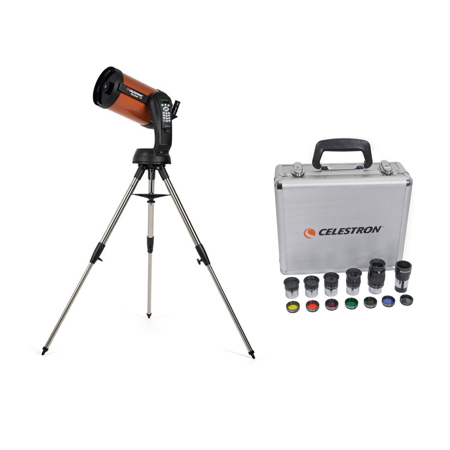
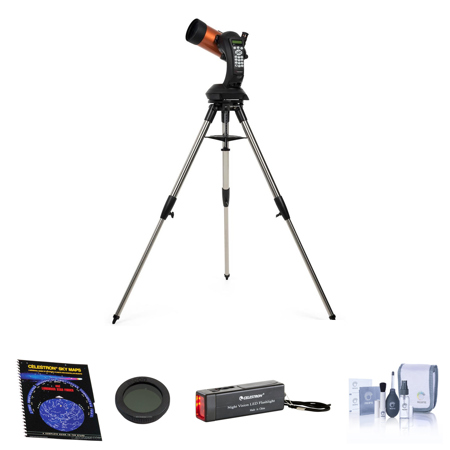
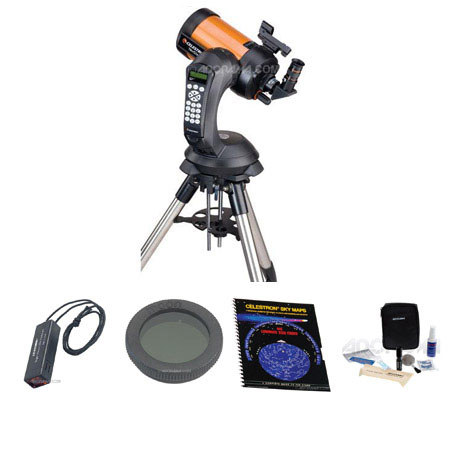
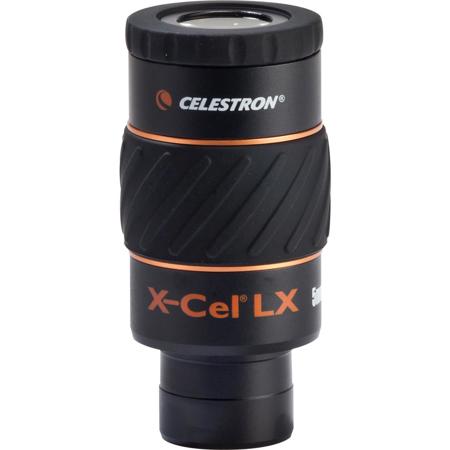
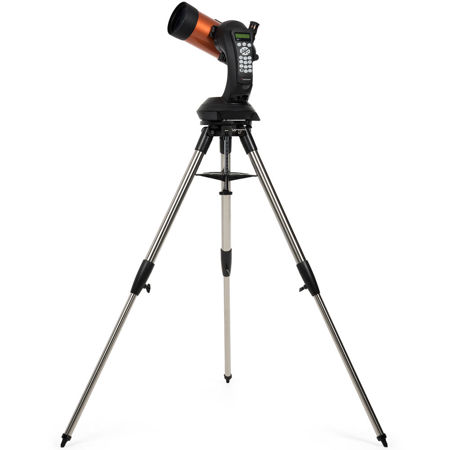
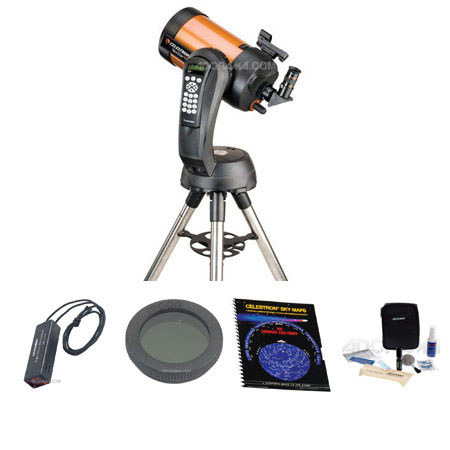
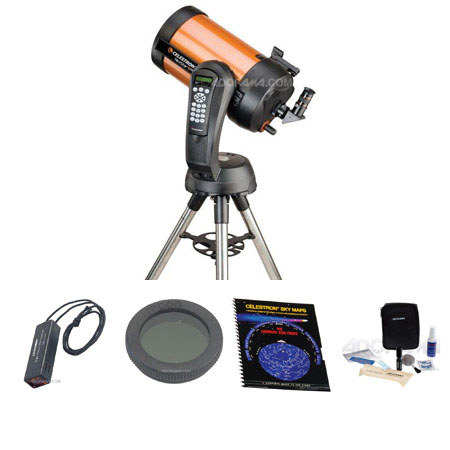
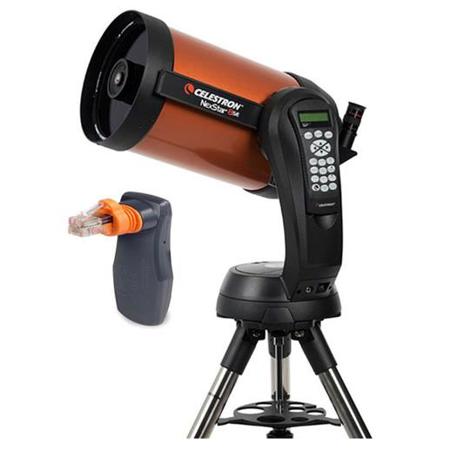
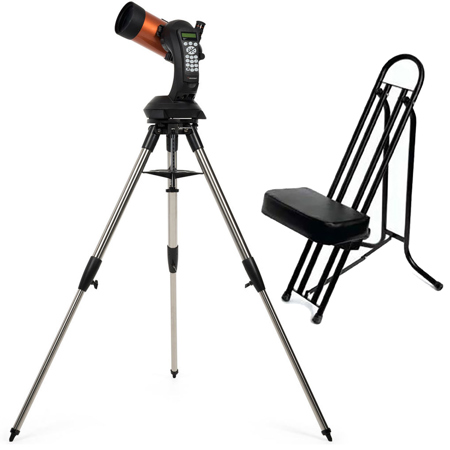
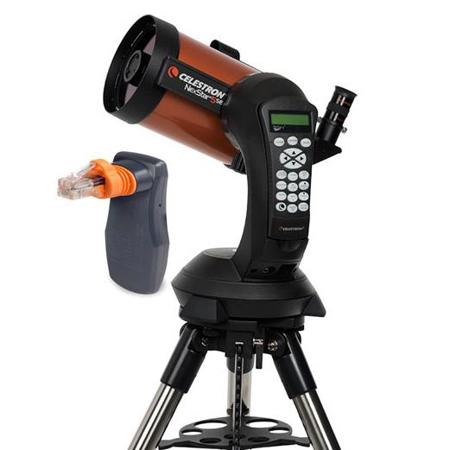
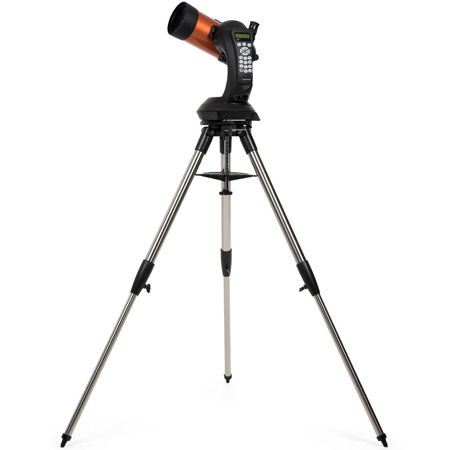
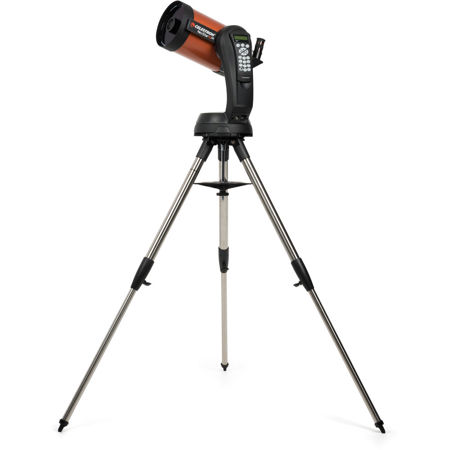
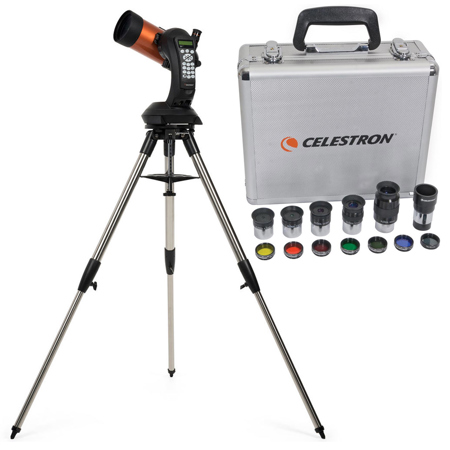
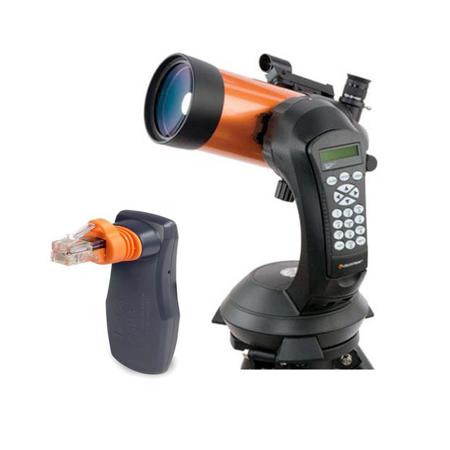
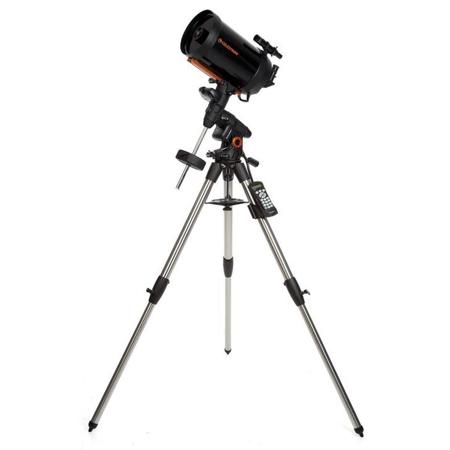
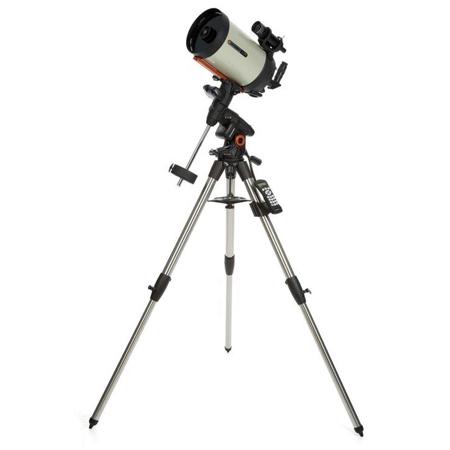
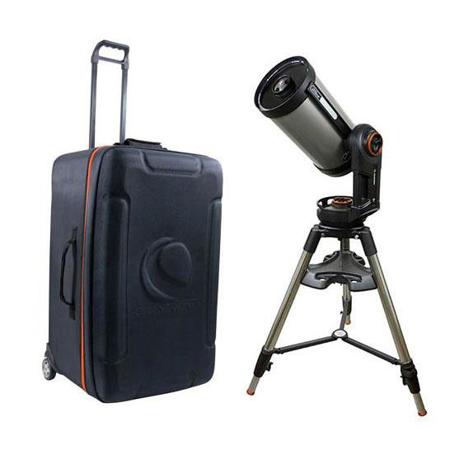
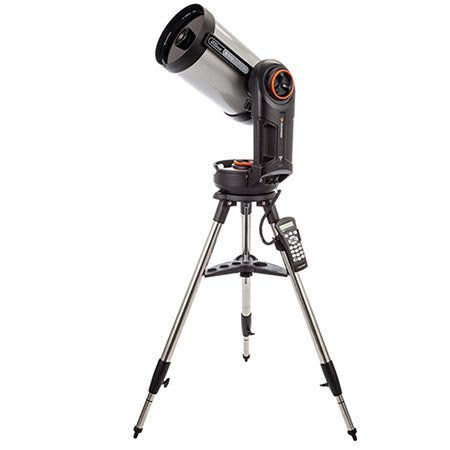
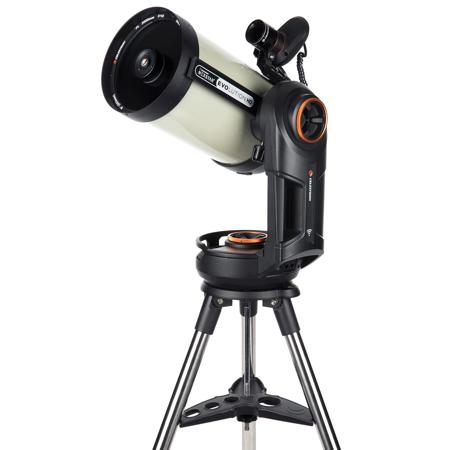
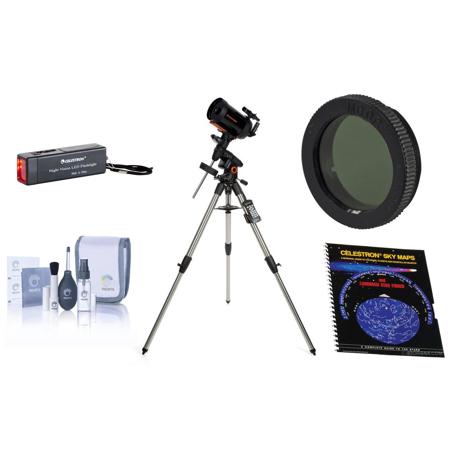
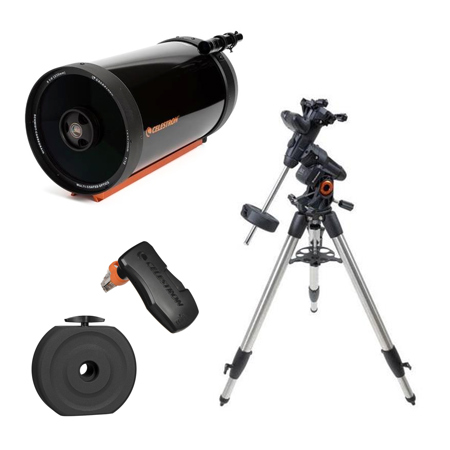
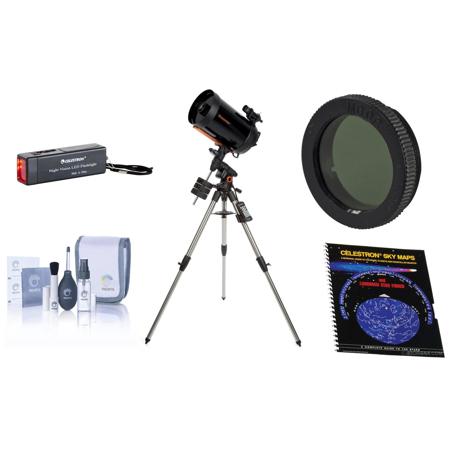
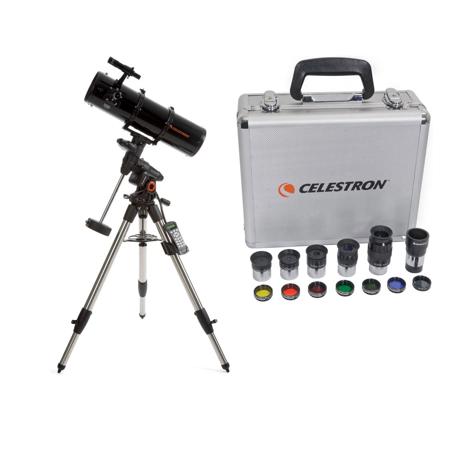
Choosing the right moon telescope involves considering both technical features and personal preferences. Aperture—the diameter of the main optical component—plays a crucial role in gathering light and resolving fine details. For lunar observation, a scope with an aperture as small as 60mm can provide crisp, satisfying views, while larger apertures reveal even more subtle features and allow for higher magnifications. However, optical quality and ease of use often matter more than sheer size; a well-made small or medium telescope is often preferable to a cumbersome, less refined instrument. Stability is another important factor, especially at medium to high magnifications, so a sturdy mount is essential for steady, shake-free viewing. Accessories such as moon filters can enhance comfort by reducing glare during full moon phases, and a variety of eyepieces allow you to fine-tune magnification for the sharpest image. Many observers start with a low-power eyepiece for a wide, immersive view, then gradually increase magnification to examine specific features. For those looking to expand their capabilities, exploring different Telescope Lenses can open up new dimensions of lunar detail and versatility.
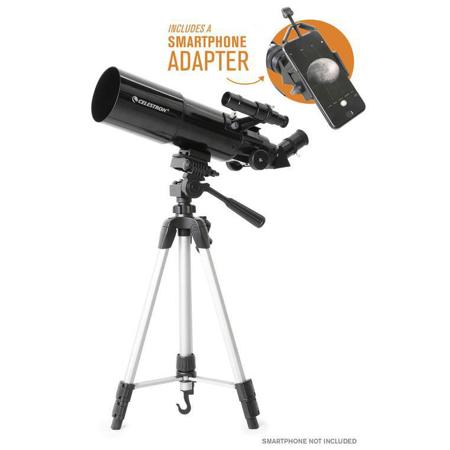
Moon telescopes make thoughtful gifts for a wide range of recipients, from children enchanted by the night sky to adults rekindling a passion for astronomy. They’re popular choices for birthdays, graduations, or family milestones, offering a shared activity that can spark conversations and foster a deeper appreciation for science and nature. On quiet spring nights, setting up a telescope in the backyard or at a local park becomes an event in itself—an opportunity to slow down, connect with loved ones, and marvel at the intricate beauty of our nearest celestial neighbor. For educators, amateur astronomers, or anyone eager to document their observations, many modern telescopes accommodate cameras and smartphones, making it easy to capture and share lunar vistas. The Moon’s ever-changing face ensures that no two viewing sessions are alike, rewarding patience and curiosity with new discoveries every time you look up. Whether you’re seeking a practical tool for scientific exploration or a gateway to awe-inspiring experiences, a moon telescope is an investment in wonder that continues to pay dividends night after night.
Choosing the right moon telescope involves considering both technical features and personal preferences. Aperture—the diameter of the main optical component—plays a crucial role in gathering light and resolving fine details. For lunar observation, a scope with an aperture as small as 60mm can provide crisp, satisfying views, while larger apertures reveal even more subtle features and allow for higher magnifications. However, optical quality and ease of use often matter more than sheer size; a well-made small or medium telescope is often preferable to a cumbersome, less refined instrument. Stability is another important factor, especially at medium to high magnifications, so a sturdy mount is essential for steady, shake-free viewing. Accessories such as moon filters can enhance comfort by reducing glare during full moon phases, and a variety of eyepieces allow you to fine-tune magnification for the sharpest image. Many observers start with a low-power eyepiece for a wide, immersive view, then gradually increase magnification to examine specific features. For those looking to expand their capabilities, exploring different Telescope Lenses can open up new dimensions of lunar detail and versatility.
Moon telescopes make thoughtful gifts for a wide range of recipients, from children enchanted by the night sky to adults rekindling a passion for astronomy. They’re popular choices for birthdays, graduations, or family milestones, offering a shared activity that can spark conversations and foster a deeper appreciation for science and nature. On quiet spring nights, setting up a telescope in the backyard or at a local park becomes an event in itself—an opportunity to slow down, connect with loved ones, and marvel at the intricate beauty of our nearest celestial neighbor. For educators, amateur astronomers, or anyone eager to document their observations, many modern telescopes accommodate cameras and smartphones, making it easy to capture and share lunar vistas. The Moon’s ever-changing face ensures that no two viewing sessions are alike, rewarding patience and curiosity with new discoveries every time you look up. Whether you’re seeking a practical tool for scientific exploration or a gateway to awe-inspiring experiences, a moon telescope is an investment in wonder that continues to pay dividends night after night.