
Narrowband Filters For Astrophotography
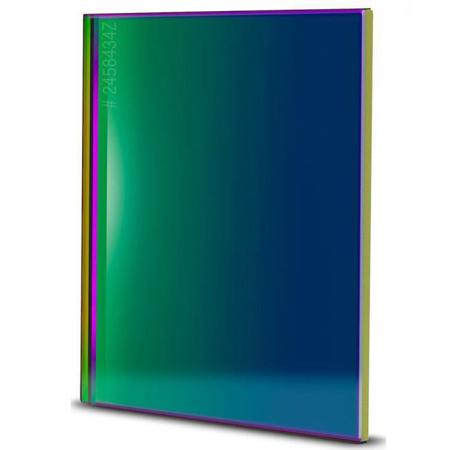
Narrowband filters for astrophotography have become indispensable tools for both seasoned imagers and those just beginning to explore the night sky’s hidden wonders. These specialized filters are designed to isolate very specific wavelengths of light—most commonly Hydrogen-Alpha (Ha), Oxygen-III (OIII), and Sulfur-II (SII)—which are the signature emission lines of many of the universe’s most beautiful deep-sky objects, such as emission nebulae and supernova remnants. By allowing only these narrow slices of the spectrum to reach your camera sensor, narrowband filters dramatically boost contrast and suppress the effects of light pollution and natural skyglow. This makes them especially valuable during the hazy nights of summer or the crisp, clear evenings as autumn approaches, when urban and suburban observers might otherwise struggle to capture the faint, intricate structures of nebulae. Whether you’re imaging from a backyard in the city or a dark-sky site under a canopy of stars, the right narrowband filter can reveal swirling clouds of glowing gas and delicate filaments that are otherwise lost to the human eye.
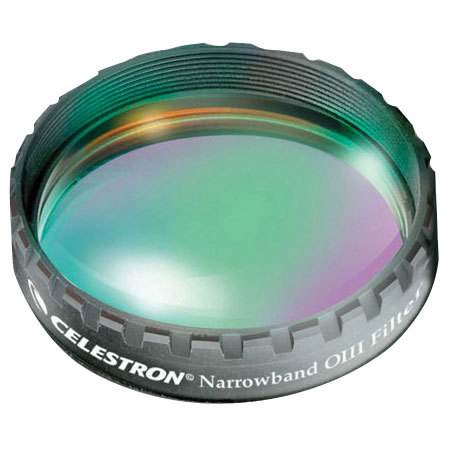
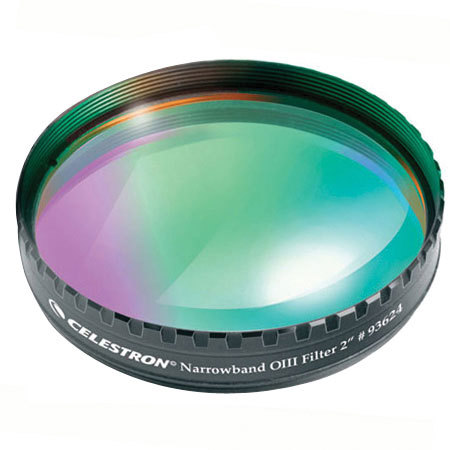
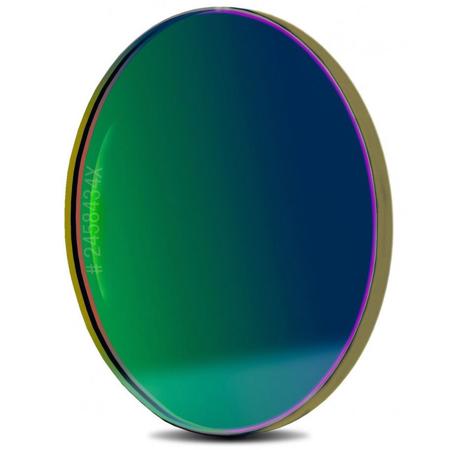
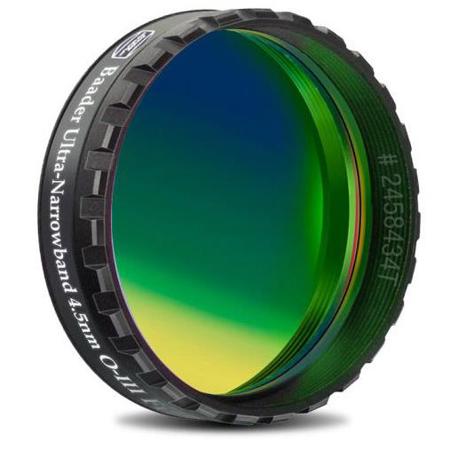
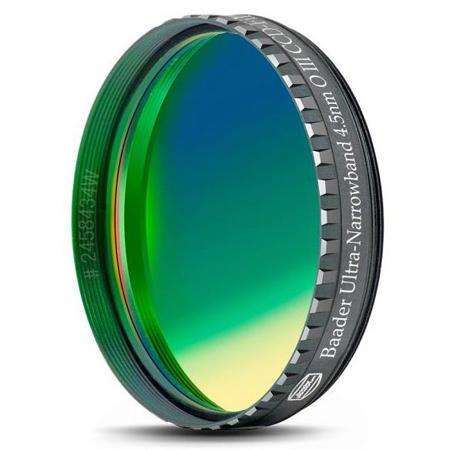
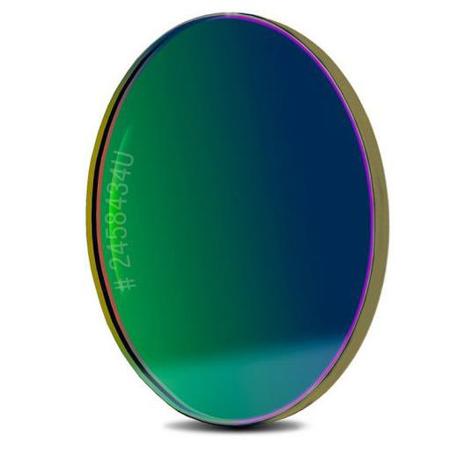
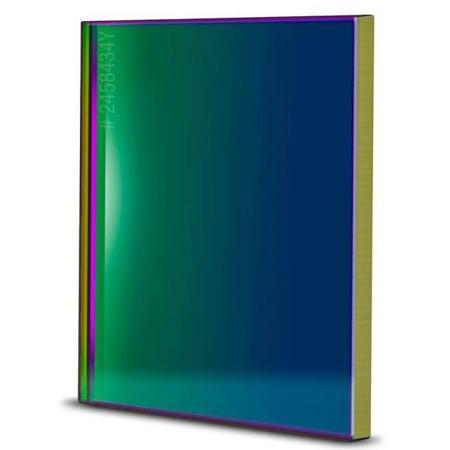
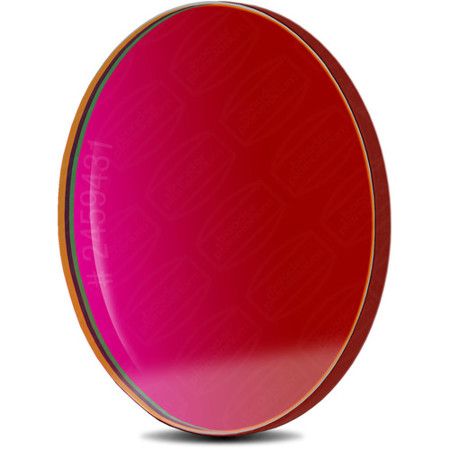
Selecting the optimal narrowband filter involves a few key considerations, tailored to both your equipment and your astrophotography goals. For those using monochrome cameras, individual Ha, OIII, and SII filters—often in sizes like 1.25", 2", or 36mm—are typically mounted in a filter wheel, allowing for separate exposures through each filter. This approach is ideal for creating highly detailed, “false-color” images in the classic Hubble palette, where each emission line is mapped to a different color channel. If you prefer the simplicity of a one-shot color (OSC) camera, dual-band or multi-band filters are available that transmit two or more emission lines simultaneously, making it possible to capture rich, detailed nebulae images without the need for multiple filters or complex post-processing. The filter’s bandwidth, measured in nanometers (nm), also plays a crucial role: ultra-narrow filters (3nm to 5nm) offer the highest contrast and darkest backgrounds but may require longer exposures and precise guiding, while slightly wider filters (7nm to 12nm) are more forgiving and can be a great starting point for those new to narrowband imaging. It’s important to match your filter choice to your telescope’s focal ratio as well, since very fast optics (below f/4) can shift the filter’s passband, potentially reducing performance unless you select filters designed specifically for fast systems. Keep in mind that narrowband filters are best suited for emission nebulae; targets like galaxies, reflection nebulae, and star clusters emit light across a broad spectrum and will often appear faint or washed out when viewed through these specialized filters.
Narrowband filters make thoughtful gifts for astronomy enthusiasts, especially those looking to expand their imaging capabilities as the seasons change and new constellations rise in the night sky. The opportunity to capture the vibrant reds of a star-forming region or the ethereal blues of a planetary nebula is a thrill that resonates whether you’re a dedicated astrophotographer or someone seeking new creative challenges. Many find the process of assembling a narrowband image deeply rewarding—each exposure revealing another layer of cosmic artistry, culminating in a final photograph that brings out the universe’s hidden colors. As you browse recommended options, consider how a filter might complement your existing gear or open up new possibilities for imaging under local skies. If your interests also extend to capturing dramatic solar phenomena, explore our curated selection of Solar Filters for Astrophotography to safely observe and photograph the Sun’s dynamic surface. With the right narrowband filter in your kit, summer’s warm nights and autumn’s crisp air become the backdrop for discovering and sharing the subtle beauty of the cosmos, one carefully filtered photon at a time.
Selecting the optimal narrowband filter involves a few key considerations, tailored to both your equipment and your astrophotography goals. For those using monochrome cameras, individual Ha, OIII, and SII filters—often in sizes like 1.25", 2", or 36mm—are typically mounted in a filter wheel, allowing for separate exposures through each filter. This approach is ideal for creating highly detailed, “false-color” images in the classic Hubble palette, where each emission line is mapped to a different color channel. If you prefer the simplicity of a one-shot color (OSC) camera, dual-band or multi-band filters are available that transmit two or more emission lines simultaneously, making it possible to capture rich, detailed nebulae images without the need for multiple filters or complex post-processing. The filter’s bandwidth, measured in nanometers (nm), also plays a crucial role: ultra-narrow filters (3nm to 5nm) offer the highest contrast and darkest backgrounds but may require longer exposures and precise guiding, while slightly wider filters (7nm to 12nm) are more forgiving and can be a great starting point for those new to narrowband imaging. It’s important to match your filter choice to your telescope’s focal ratio as well, since very fast optics (below f/4) can shift the filter’s passband, potentially reducing performance unless you select filters designed specifically for fast systems. Keep in mind that narrowband filters are best suited for emission nebulae; targets like galaxies, reflection nebulae, and star clusters emit light across a broad spectrum and will often appear faint or washed out when viewed through these specialized filters.
Narrowband filters make thoughtful gifts for astronomy enthusiasts, especially those looking to expand their imaging capabilities as the seasons change and new constellations rise in the night sky. The opportunity to capture the vibrant reds of a star-forming region or the ethereal blues of a planetary nebula is a thrill that resonates whether you’re a dedicated astrophotographer or someone seeking new creative challenges. Many find the process of assembling a narrowband image deeply rewarding—each exposure revealing another layer of cosmic artistry, culminating in a final photograph that brings out the universe’s hidden colors. As you browse recommended options, consider how a filter might complement your existing gear or open up new possibilities for imaging under local skies. If your interests also extend to capturing dramatic solar phenomena, explore our curated selection of Solar Filters for Astrophotography to safely observe and photograph the Sun’s dynamic surface. With the right narrowband filter in your kit, summer’s warm nights and autumn’s crisp air become the backdrop for discovering and sharing the subtle beauty of the cosmos, one carefully filtered photon at a time.