

Narrowband Filters
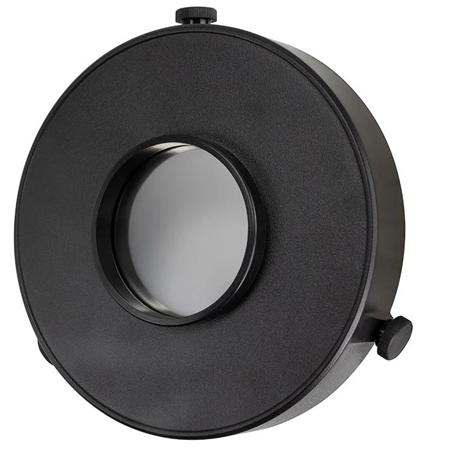
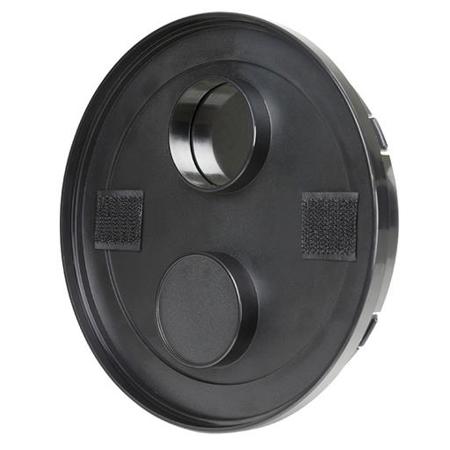
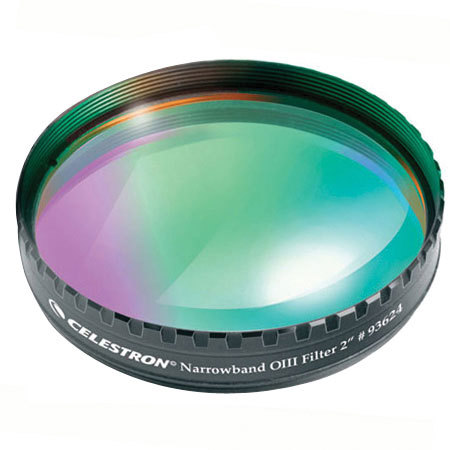
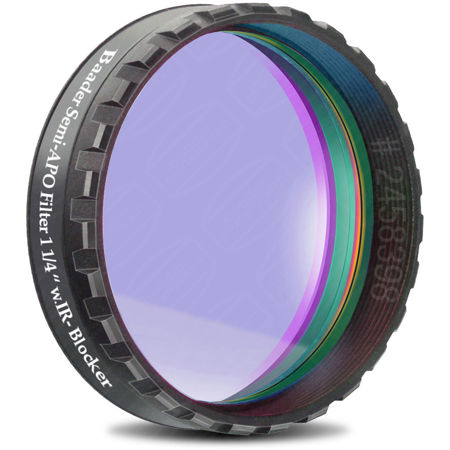
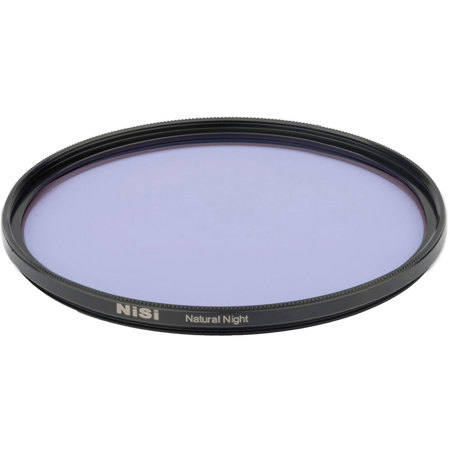
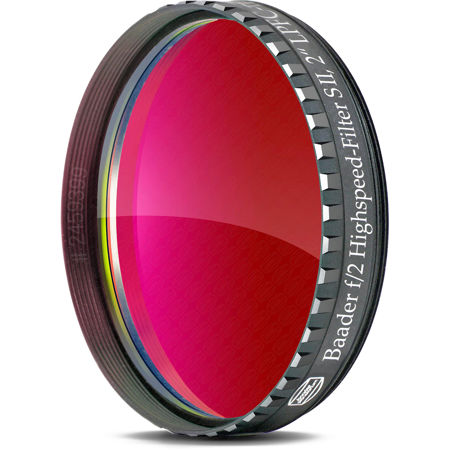
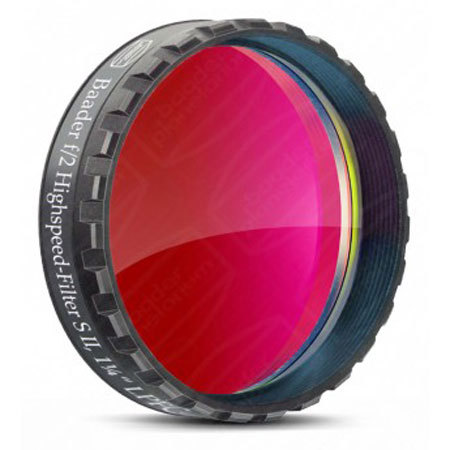
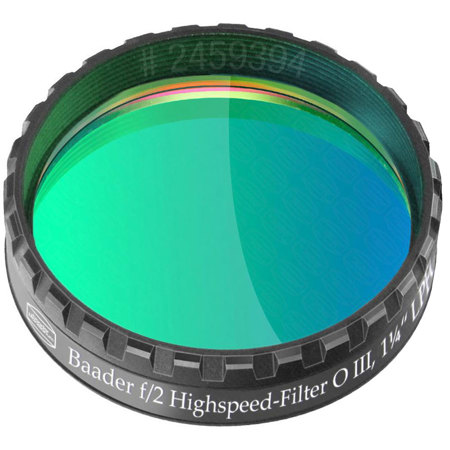
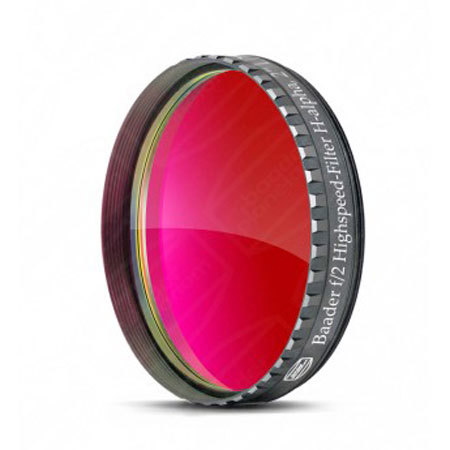
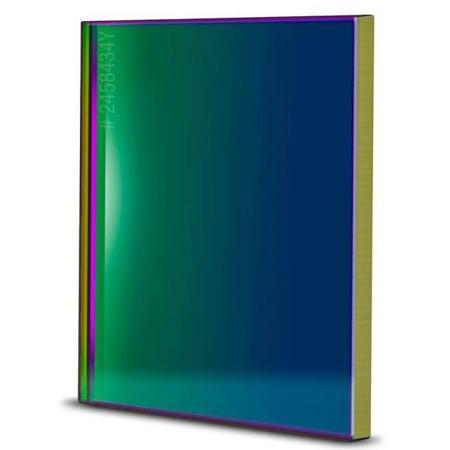
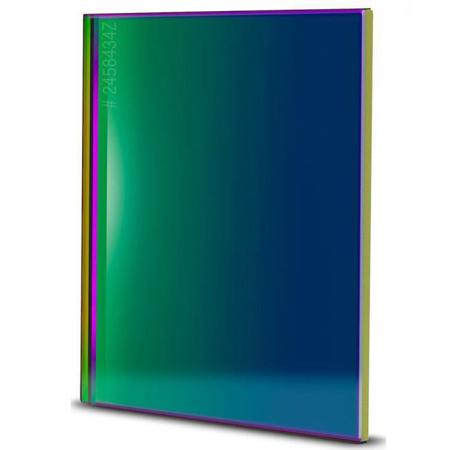
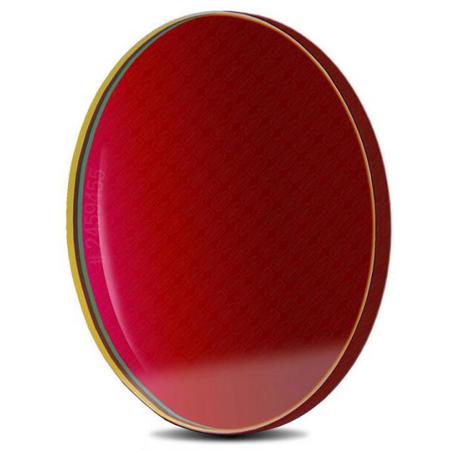
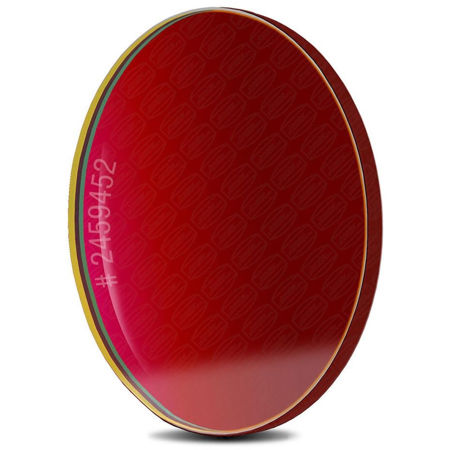
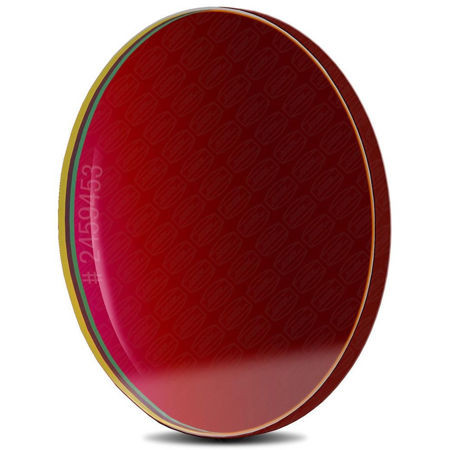
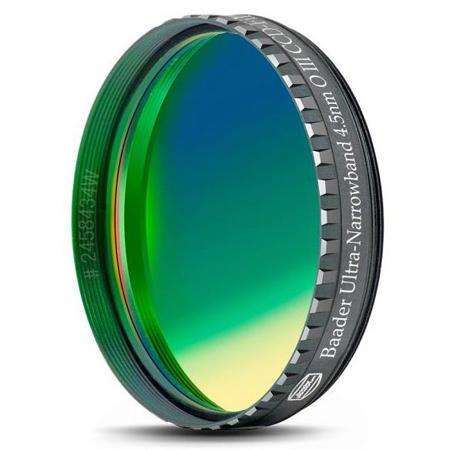
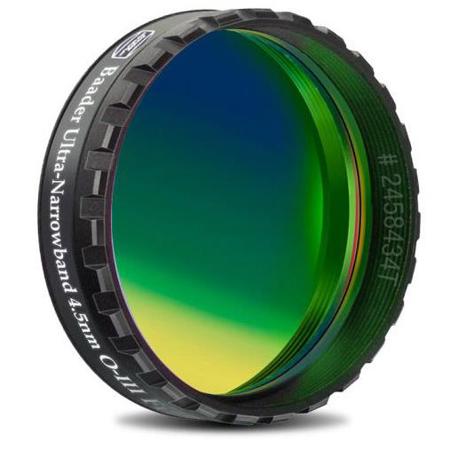
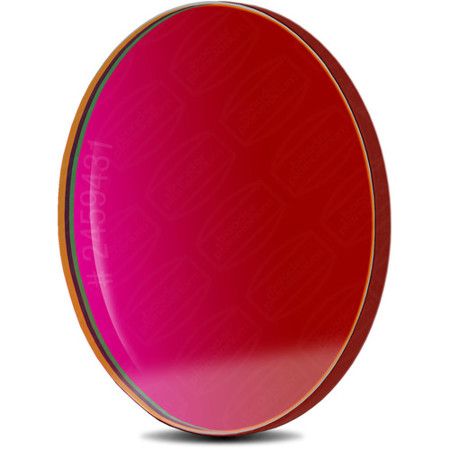
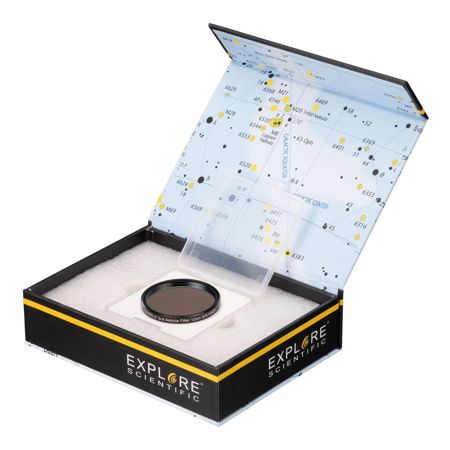
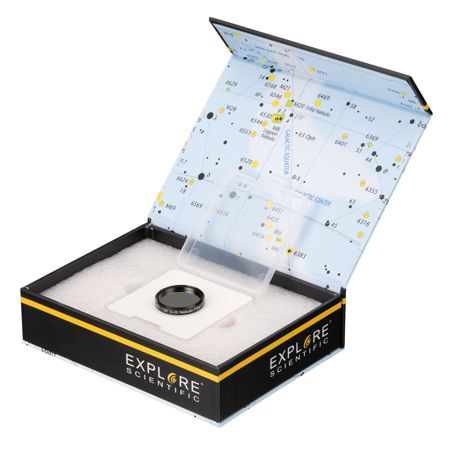
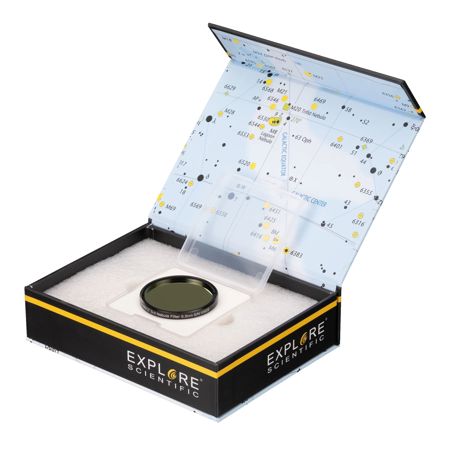
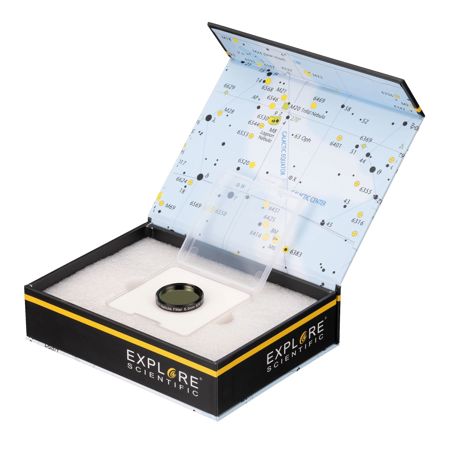
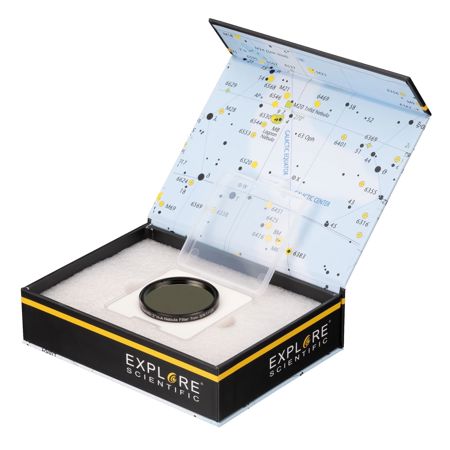
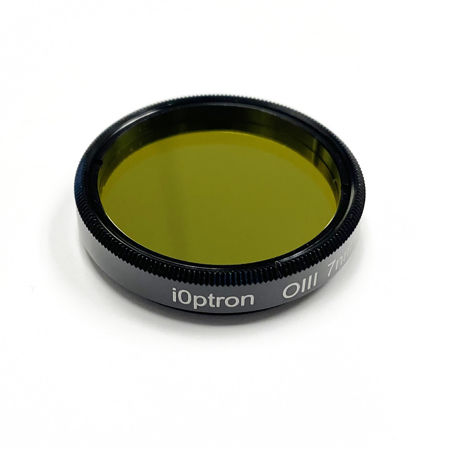
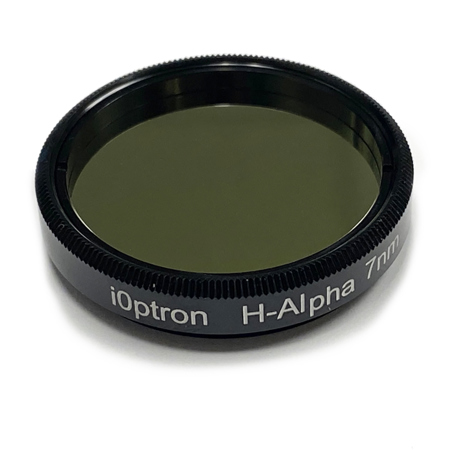
Narrowband filters have become an indispensable tool for astrophotographers and scientists alike, offering a level of precision and clarity that can transform both casual stargazing and professional imaging. These specialized optical filters are engineered to transmit only a very narrow range of wavelengths—often as precise as just a few nanometers wide—while efficiently blocking out all other light. This unique capability is particularly valuable for those seeking to capture deep-sky phenomena, such as emission nebulae, supernova remnants, or planetary nebulae, which emit light at very specific wavelengths. By isolating lines like Hydrogen-Alpha (H-alpha) at 656nm, Oxygen-III (OIII) at 500nm, or Sulfur-II (S-II) in the red part of the spectrum, narrowband filters allow photographers to reveal the intricate details and vibrant structures of celestial objects, even from urban environments plagued by light pollution. For those using monochrome cameras, single-band filters provide maximum contrast and detail, while multi-band options—such as duo, tri, or quad filters—are designed for one-shot color cameras, enabling the capture of multiple emission lines in a single exposure and producing richly colored, dramatic images reminiscent of the iconic "Hubble look."
The narrow band filters market has grown substantially as more enthusiasts and professionals recognize the advantages these filters bring, especially during the clear, crisp nights of winter. January’s long, dark evenings offer prime conditions for deep-sky imaging, making this the ideal season to experiment with narrowband techniques. Whether you’re a seasoned astrophotographer aiming to expand your portfolio or a beginner captivated by the vibrant colors of nebulae, investing in a high-quality narrowband filter can open up a world of creative possibilities. These filters are also a thoughtful gift for anyone passionate about astronomy or night sky photography, particularly those living in light-polluted areas where traditional broadband imaging struggles to deliver satisfying results. The technical construction of narrowband filters—typically involving multiple precision-coated layers—ensures steep transmission curves and exceptional optical performance, so users can expect both durability and reliability in the field. Considerations such as the filter's Full Width at Half Maximum (FWHM), compatibility with your camera type (monochrome or color), and the specific wavelengths you wish to target are all important factors when choosing the right filter for your setup.
Beyond astrophotography, narrowband filters serve critical roles in fields like fiber optic telecommunications, where they are used for Wavelength Division Multiplexing (WDM) to separate and manage multiple data signals, and in spectroscopy, where isolating precise wavelengths is essential for analyzing the composition of distant stars or laboratory samples. Their versatility and precision make them an essential component in both scientific research and creative pursuits. As the narrowband filters market continues to evolve, users benefit from advancements in filter coatings and manufacturing, resulting in products that offer higher transmission, better blocking of unwanted light, and improved image quality. For those looking to explore the broader world of optical enhancements, our comprehensive selection of Optical Filters provides solutions for every imaging need, from astrophotography to scientific applications. Whether you are capturing the delicate wisps of a nebula under a winter sky or analyzing spectral lines in a laboratory, narrowband filters deliver the clarity and specificity required to unlock new levels of detail and discovery.
The narrow band filters market has grown substantially as more enthusiasts and professionals recognize the advantages these filters bring, especially during the clear, crisp nights of winter. January’s long, dark evenings offer prime conditions for deep-sky imaging, making this the ideal season to experiment with narrowband techniques. Whether you’re a seasoned astrophotographer aiming to expand your portfolio or a beginner captivated by the vibrant colors of nebulae, investing in a high-quality narrowband filter can open up a world of creative possibilities. These filters are also a thoughtful gift for anyone passionate about astronomy or night sky photography, particularly those living in light-polluted areas where traditional broadband imaging struggles to deliver satisfying results. The technical construction of narrowband filters—typically involving multiple precision-coated layers—ensures steep transmission curves and exceptional optical performance, so users can expect both durability and reliability in the field. Considerations such as the filter's Full Width at Half Maximum (FWHM), compatibility with your camera type (monochrome or color), and the specific wavelengths you wish to target are all important factors when choosing the right filter for your setup.
Beyond astrophotography, narrowband filters serve critical roles in fields like fiber optic telecommunications, where they are used for Wavelength Division Multiplexing (WDM) to separate and manage multiple data signals, and in spectroscopy, where isolating precise wavelengths is essential for analyzing the composition of distant stars or laboratory samples. Their versatility and precision make them an essential component in both scientific research and creative pursuits. As the narrowband filters market continues to evolve, users benefit from advancements in filter coatings and manufacturing, resulting in products that offer higher transmission, better blocking of unwanted light, and improved image quality. For those looking to explore the broader world of optical enhancements, our comprehensive selection of Optical Filters provides solutions for every imaging need, from astrophotography to scientific applications. Whether you are capturing the delicate wisps of a nebula under a winter sky or analyzing spectral lines in a laboratory, narrowband filters deliver the clarity and specificity required to unlock new levels of detail and discovery.