

















Software License Management
Navigating the world of software license management is an essential part of modern business and creative workflows, especially as organizations and individuals rely more heavily on digital tools to stay productive and compliant. As winter gives way to the promise of spring, many companies and creative professionals use this transitional season to audit and refresh their technology stacks, making it the ideal time to evaluate software licensing needs. Whether you’re managing a bustling IT department, overseeing a creative agency, or simply looking to keep your personal devices in check, effective license management ensures that every application is accounted for, properly utilized, and compliant with vendor agreements. This process goes far beyond just tracking serial numbers—it’s about gaining visibility into your entire software ecosystem, understanding usage patterns, and making data-driven decisions to optimize costs. For organizations, this might mean reallocating underused licenses to teams that need them most, or proactively managing renewals to avoid service interruptions and unexpected expenses. For individuals, especially those who dabble in multiple creative or technical pursuits, it’s about streamlining subscriptions and ensuring that every tool in your digital toolkit is both necessary and up to date.
The importance of robust software license management extends to a wide range of users. IT administrators and procurement managers are often at the forefront, responsible for keeping their organizations audit-ready and compliant with complex licensing terms. However, freelancers, educators, and small business owners also benefit from having a clear overview of their software assets—helping them avoid unnecessary expenditures and stay focused on their craft. During this time of year, when many review budgets and plan for upcoming projects, a well-organized license management system can reveal opportunities to consolidate redundant tools or invest in new solutions that better support evolving needs. For those with a keen interest in gifting, software license management tools make thoughtful and practical presents for tech-savvy friends, recent graduates entering the workforce, or anyone setting up a home office. These solutions empower recipients to take control of their digital environments, reducing the risk of compliance issues and making it easier to collaborate on shared projects. In professional settings, integrating license management with related platforms—such as Project Management Software—can further streamline operations, ensuring that every team member has access to the right tools at the right time.
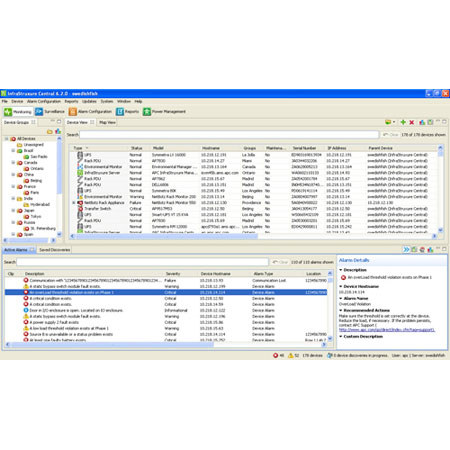
Selecting the right software license management solution involves considering several key factors. Scalability is essential for growing businesses, while automation features—such as real-time inventory, usage monitoring, and compliance reporting—can save countless hours and reduce the risk of human error. Look for systems that offer centralized dashboards for clear oversight, customizable alerts for upcoming renewals, and robust reporting capabilities to support audit preparation. The ability to handle both traditional on-premises software and the ever-expanding array of SaaS subscriptions is increasingly important, especially as remote and hybrid work models become the norm. For those managing complex environments with multiple vendors and licensing models, advanced tools can help untangle the web of agreements and ensure that every license is used efficiently. Ultimately, investing in effective license management is about more than avoiding penalties or cutting costs—it’s about empowering teams, protecting creative investments, and building a technology foundation that supports innovation and growth throughout the year.
The importance of robust software license management extends to a wide range of users. IT administrators and procurement managers are often at the forefront, responsible for keeping their organizations audit-ready and compliant with complex licensing terms. However, freelancers, educators, and small business owners also benefit from having a clear overview of their software assets—helping them avoid unnecessary expenditures and stay focused on their craft. During this time of year, when many review budgets and plan for upcoming projects, a well-organized license management system can reveal opportunities to consolidate redundant tools or invest in new solutions that better support evolving needs. For those with a keen interest in gifting, software license management tools make thoughtful and practical presents for tech-savvy friends, recent graduates entering the workforce, or anyone setting up a home office. These solutions empower recipients to take control of their digital environments, reducing the risk of compliance issues and making it easier to collaborate on shared projects. In professional settings, integrating license management with related platforms—such as Project Management Software—can further streamline operations, ensuring that every team member has access to the right tools at the right time.
Selecting the right software license management solution involves considering several key factors. Scalability is essential for growing businesses, while automation features—such as real-time inventory, usage monitoring, and compliance reporting—can save countless hours and reduce the risk of human error. Look for systems that offer centralized dashboards for clear oversight, customizable alerts for upcoming renewals, and robust reporting capabilities to support audit preparation. The ability to handle both traditional on-premises software and the ever-expanding array of SaaS subscriptions is increasingly important, especially as remote and hybrid work models become the norm. For those managing complex environments with multiple vendors and licensing models, advanced tools can help untangle the web of agreements and ensure that every license is used efficiently. Ultimately, investing in effective license management is about more than avoiding penalties or cutting costs—it’s about empowering teams, protecting creative investments, and building a technology foundation that supports innovation and growth throughout the year.