

Telescope Reducers
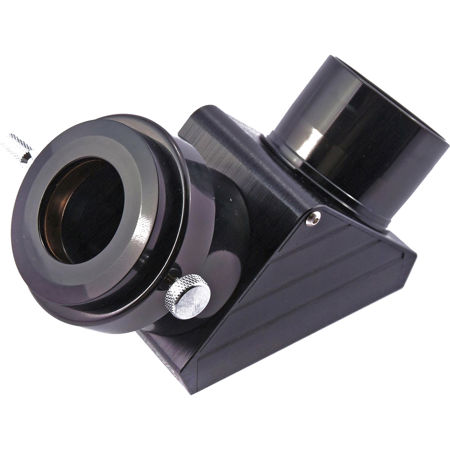
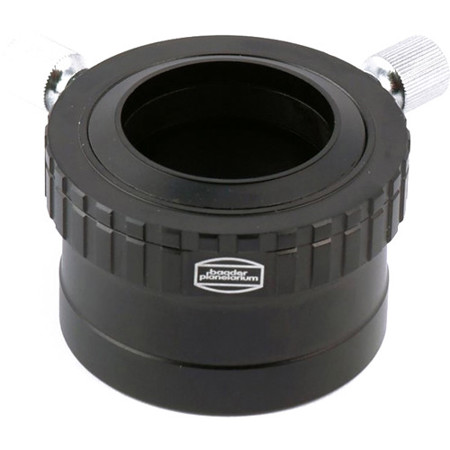
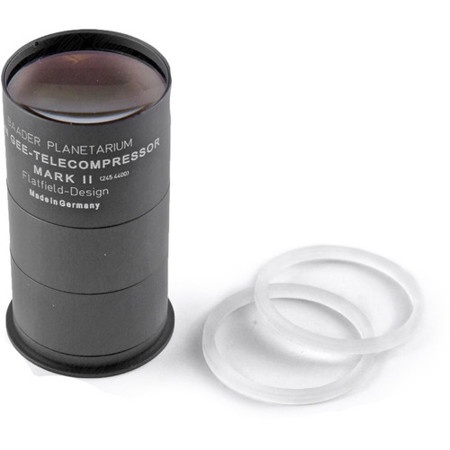
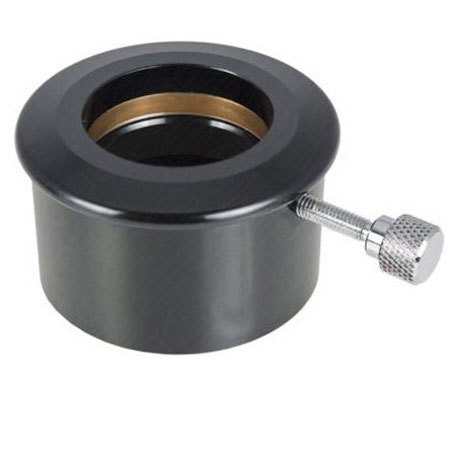
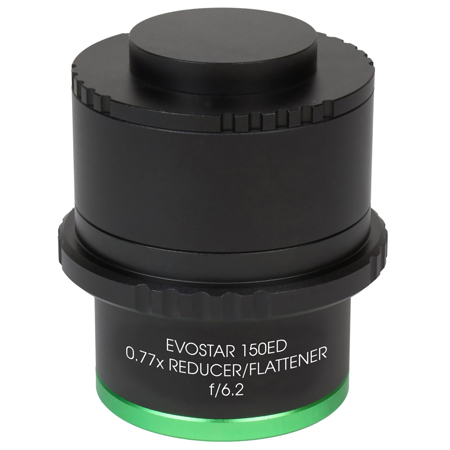
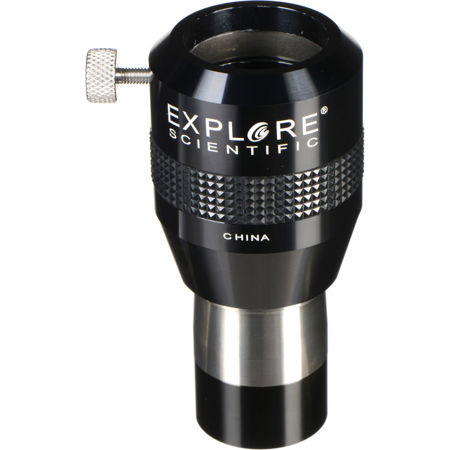
Telescope reducers, often called focal reducers or telecompressors, are indispensable optical accessories for anyone looking to expand the capabilities of their telescope, whether for astrophotography or visual observation. These specialized devices work by shortening the telescope’s focal length, which in turn increases the field of view and "speeds up" the telescope’s focal ratio. This means you can capture wider swaths of the night sky in a single frame and gather more light in less time—an invaluable advantage during chilly January nights when clear skies beckon but the cold can cut observing sessions short. For astrophotographers, especially those who love imaging sprawling nebulae or expansive star clusters, a reducer makes it possible to fit these larger celestial objects into the frame without the need for mosaicking. Meanwhile, visual observers will appreciate the enhanced ability to scan the sky, making it easier to locate and enjoy diffuse objects or track fast-moving events like meteor showers or the passage of comets. Whether you’re a seasoned astronomer refining your imaging setup or a dedicated hobbyist eager to see more in each glance, a focal reducer can transform your experience at the eyepiece or camera sensor.
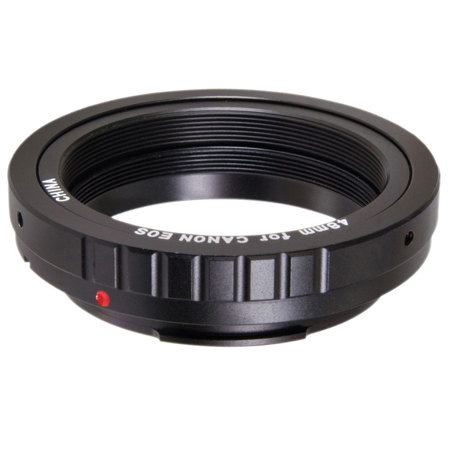
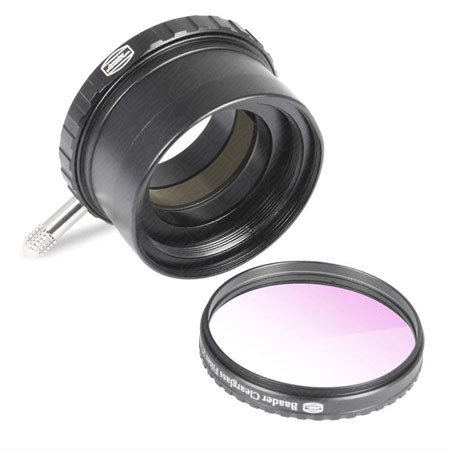
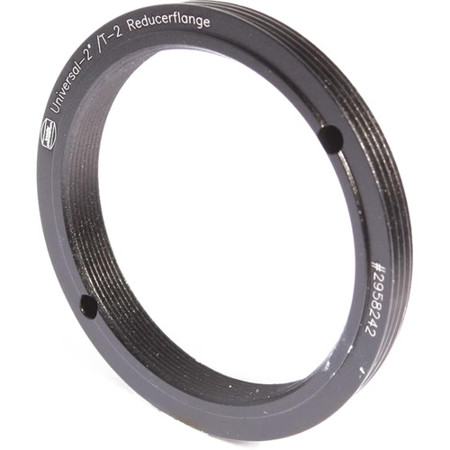
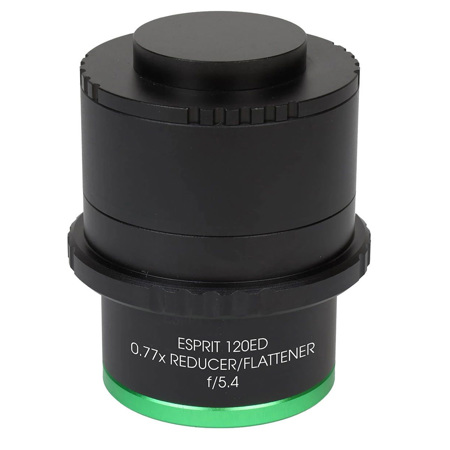
When choosing a telescope reducer, compatibility is key. Different reducers are engineered for specific telescope designs—such as Schmidt-Cassegrain, refractor, or reflector models—so it’s important to match the reducer to your instrument for optimal performance. Pay attention to the focal reduction factor, typically indicated as numbers like 0.8x or 0.6x; a lower number means a greater reduction in focal length, delivering an even wider field of view. Many modern reducers also incorporate field flatteners, correcting optical imperfections like field curvature and coma that can otherwise soften stars at the edge of your images. This dual function is especially crucial for astrophotographers who demand sharpness from corner to corner. Practical considerations include the reducer’s mounting thread size, back focus requirements, and whether it accommodates additional accessories like filters or off-axis guiders. For those assembling a gift for an astronomy enthusiast—perhaps a budding astrophotographer or a family member eager to capture the grandeur of the Orion Nebula during winter—the addition of a focal reducer can open up creative possibilities and make the hobby more rewarding. It’s a thoughtful upgrade that pairs well with other essentials, such as a quality eyepiece set or a sturdy mount, and can be the difference between a good observing session and a truly memorable one.
Astrophotography, particularly during the long, clear nights of winter, becomes more accessible and enjoyable with the right reducer in your kit. Shorter exposure times mean less waiting in the cold, while the wider field of view brings dramatic vistas within reach, from the frosty glow of the Pleiades to the shimmering expanse of the Milky Way’s winter arc. For those just starting out, or for anyone looking to diversify their setup, exploring options like Telescope Lens Kits can provide a well-rounded foundation, ensuring you have the right tools to complement your reducer and maximize your telescope’s potential. Whether you’re capturing images to share with friends, pursuing scientific observations, or simply marveling at the universe’s beauty, a telescope reducer is a practical, impactful addition to any astronomer’s toolkit, promising brighter, wider, and more detailed views of the cosmos with every clear night.
When choosing a telescope reducer, compatibility is key. Different reducers are engineered for specific telescope designs—such as Schmidt-Cassegrain, refractor, or reflector models—so it’s important to match the reducer to your instrument for optimal performance. Pay attention to the focal reduction factor, typically indicated as numbers like 0.8x or 0.6x; a lower number means a greater reduction in focal length, delivering an even wider field of view. Many modern reducers also incorporate field flatteners, correcting optical imperfections like field curvature and coma that can otherwise soften stars at the edge of your images. This dual function is especially crucial for astrophotographers who demand sharpness from corner to corner. Practical considerations include the reducer’s mounting thread size, back focus requirements, and whether it accommodates additional accessories like filters or off-axis guiders. For those assembling a gift for an astronomy enthusiast—perhaps a budding astrophotographer or a family member eager to capture the grandeur of the Orion Nebula during winter—the addition of a focal reducer can open up creative possibilities and make the hobby more rewarding. It’s a thoughtful upgrade that pairs well with other essentials, such as a quality eyepiece set or a sturdy mount, and can be the difference between a good observing session and a truly memorable one.
Astrophotography, particularly during the long, clear nights of winter, becomes more accessible and enjoyable with the right reducer in your kit. Shorter exposure times mean less waiting in the cold, while the wider field of view brings dramatic vistas within reach, from the frosty glow of the Pleiades to the shimmering expanse of the Milky Way’s winter arc. For those just starting out, or for anyone looking to diversify their setup, exploring options like Telescope Lens Kits can provide a well-rounded foundation, ensuring you have the right tools to complement your reducer and maximize your telescope’s potential. Whether you’re capturing images to share with friends, pursuing scientific observations, or simply marveling at the universe’s beauty, a telescope reducer is a practical, impactful addition to any astronomer’s toolkit, promising brighter, wider, and more detailed views of the cosmos with every clear night.