Telescope Storage
Storing a telescope properly is essential for preserving its optical performance and protecting your investment, whether you’re an avid stargazer, a beginner exploring the night sky, or a seasoned astrophotographer. As the seasons transition from late summer’s warm evenings to the crisp, clear nights of fall, many astronomy enthusiasts find themselves taking their telescopes out for backyard observing sessions, star parties, or even trips to remote dark-sky sites. After each adventure, the right storage solution ensures your telescope stays in pristine condition, ready for the next night under the stars. Telescope storage products are designed for a range of users—from hobbyists with compact refractors to professionals with computerized mounts and large reflector tubes. These storage options make thoughtful gifts for astronomy buffs, students delving into science, or families who enjoy sharing the wonders of the universe together. For anyone who travels with their gear, or simply wants to keep it safe at home, choosing the right storage is as important as selecting the telescope itself.
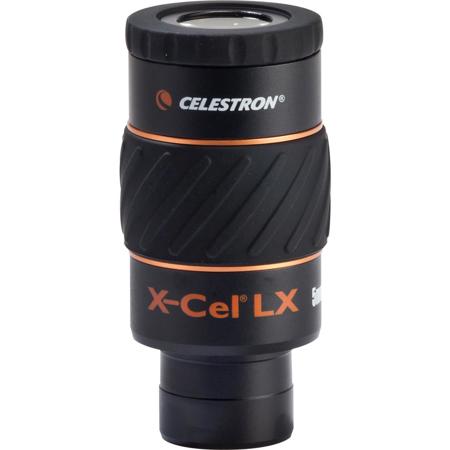
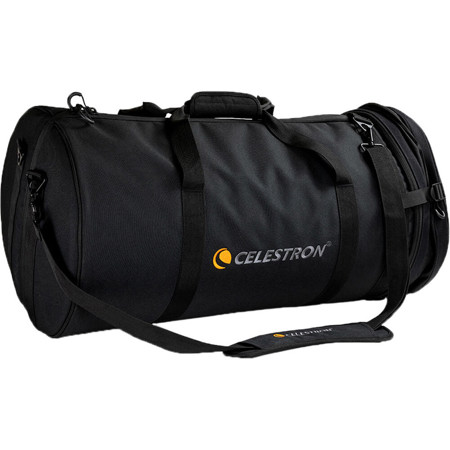
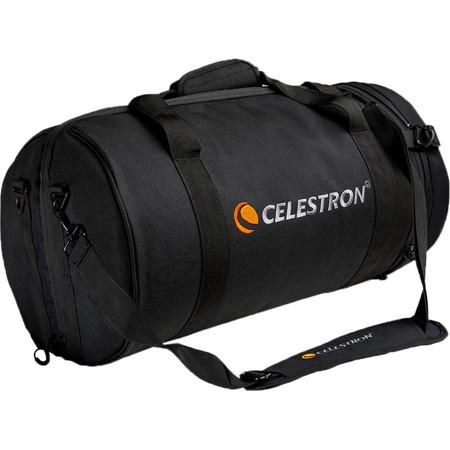
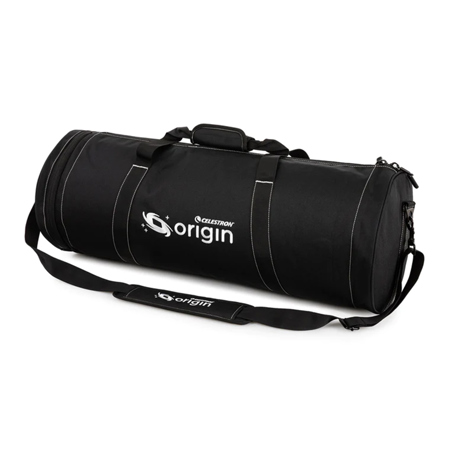
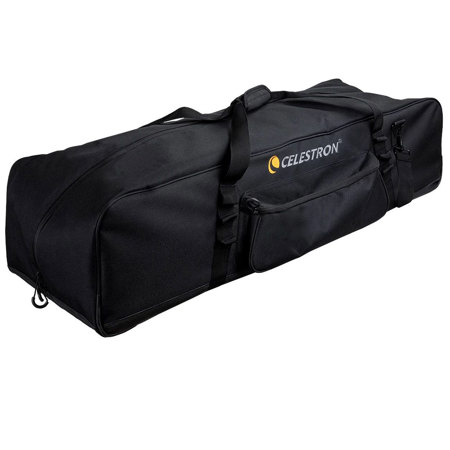
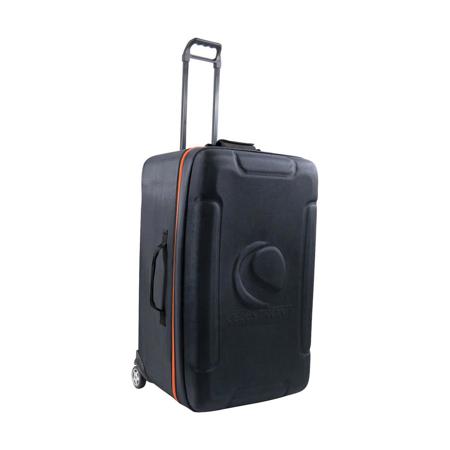
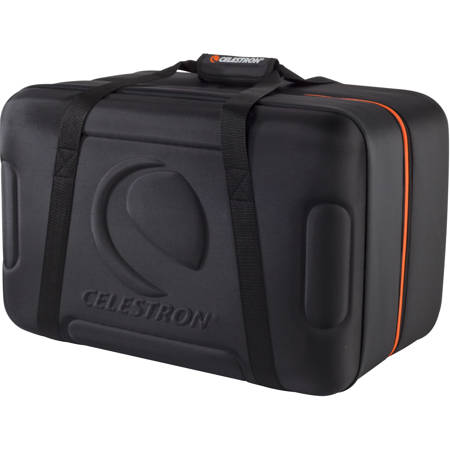
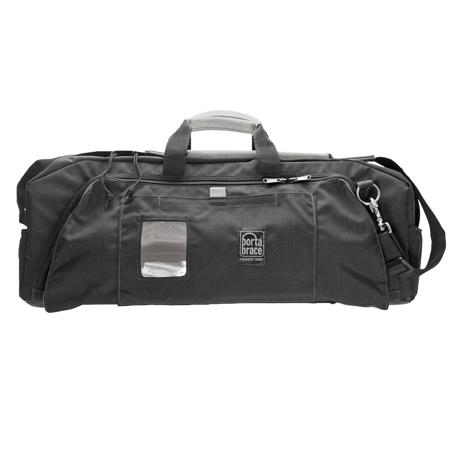
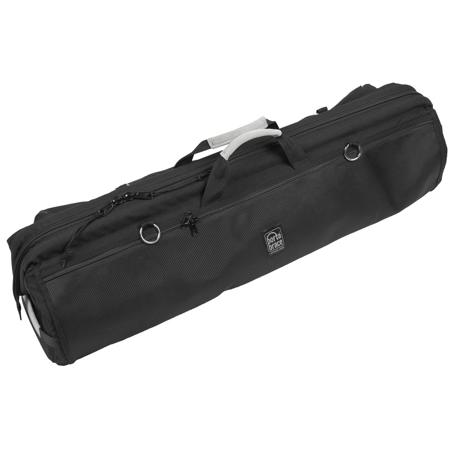
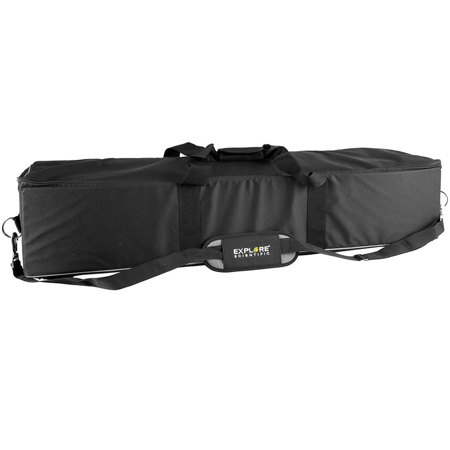
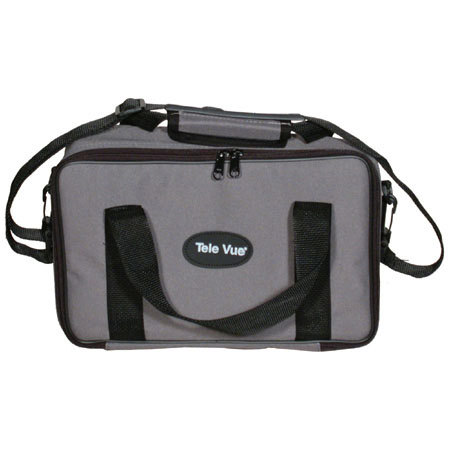
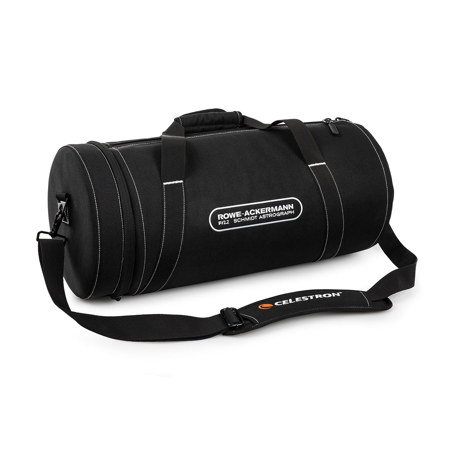
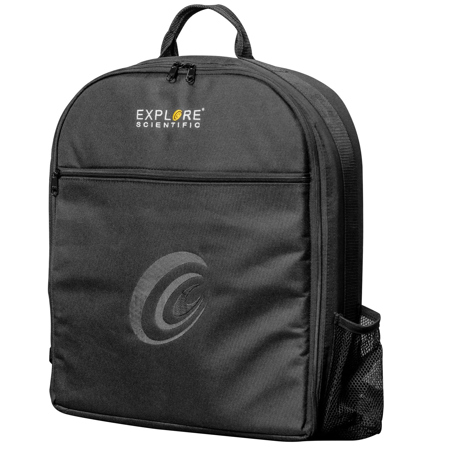
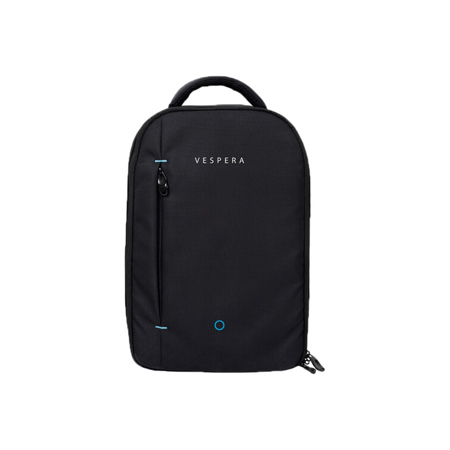
When considering telescope storage, several factors come into play to ensure your equipment remains safe from dust, moisture, and accidental bumps. Soft padded cases are a popular choice for grab-and-go setups, offering lightweight protection for optical tubes and accessories during quick trips or local outings. Their cushioned interiors help absorb minor shocks, while sturdy zippers and handles provide convenience for transport. For those with heavier or more delicate computerized mounts, hard cases with custom foam inserts and secure latches deliver a higher level of protection, especially during travel or long-term storage. It’s important to always cap your optics, use end plugs, and store your telescope in a stable, climate-controlled indoor environment—typically between 65–75°F—to prevent thermal shock and avoid issues like mirror expansion or lens fungus. Humidity control is also crucial; avoid storing your telescope in unventilated garages or airtight containers that can trap condensation. For reflectors, storing the tube face-down helps prevent dust from settling on the primary mirror. Accessories like eyepieces and filters benefit from sealed hard cases with silica gel packets to absorb residual moisture, further safeguarding your investment.
Whether you’re preparing for a season of backyard astronomy, planning a road trip to a dark-sky preserve, or simply packing away your telescope between sessions, the right storage solution can make all the difference in how your gear performs over time. Many astronomers find that investing in quality storage not only prolongs the life of their equipment but also streamlines setup and breakdown, making it easier to seize those clear nights when they come. For those looking to combine portability and protection, be sure to explore our curated selection of Portable Telescopes, which pair seamlessly with a variety of storage options for observing on the go. With thoughtful storage products, you can focus on the joy of discovery, knowing your telescope is always ready for your next celestial adventure.
When considering telescope storage, several factors come into play to ensure your equipment remains safe from dust, moisture, and accidental bumps. Soft padded cases are a popular choice for grab-and-go setups, offering lightweight protection for optical tubes and accessories during quick trips or local outings. Their cushioned interiors help absorb minor shocks, while sturdy zippers and handles provide convenience for transport. For those with heavier or more delicate computerized mounts, hard cases with custom foam inserts and secure latches deliver a higher level of protection, especially during travel or long-term storage. It’s important to always cap your optics, use end plugs, and store your telescope in a stable, climate-controlled indoor environment—typically between 65–75°F—to prevent thermal shock and avoid issues like mirror expansion or lens fungus. Humidity control is also crucial; avoid storing your telescope in unventilated garages or airtight containers that can trap condensation. For reflectors, storing the tube face-down helps prevent dust from settling on the primary mirror. Accessories like eyepieces and filters benefit from sealed hard cases with silica gel packets to absorb residual moisture, further safeguarding your investment.
Whether you’re preparing for a season of backyard astronomy, planning a road trip to a dark-sky preserve, or simply packing away your telescope between sessions, the right storage solution can make all the difference in how your gear performs over time. Many astronomers find that investing in quality storage not only prolongs the life of their equipment but also streamlines setup and breakdown, making it easier to seize those clear nights when they come. For those looking to combine portability and protection, be sure to explore our curated selection of Portable Telescopes, which pair seamlessly with a variety of storage options for observing on the go. With thoughtful storage products, you can focus on the joy of discovery, knowing your telescope is always ready for your next celestial adventure.