Tripods For Telescopes
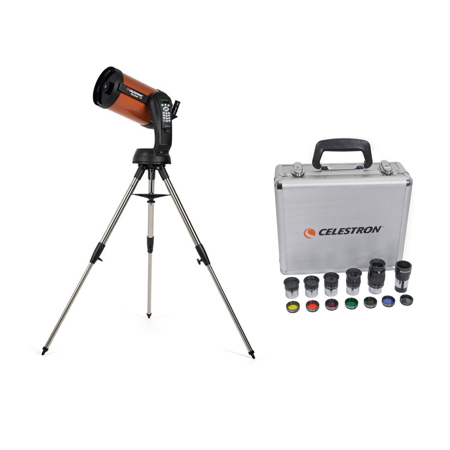
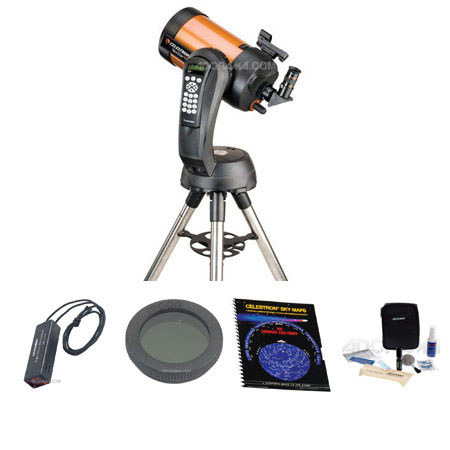
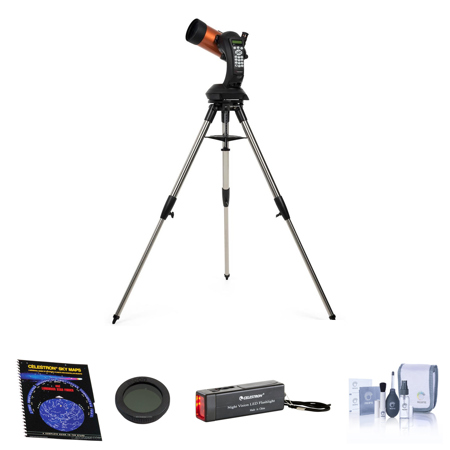
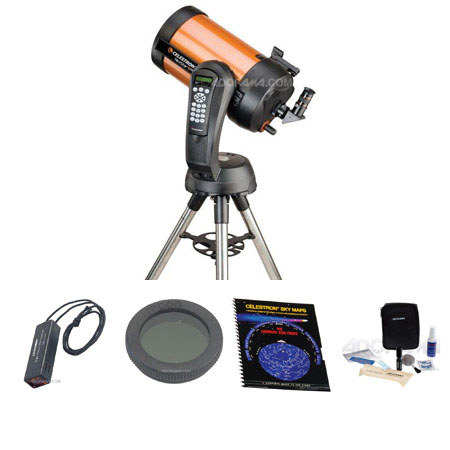
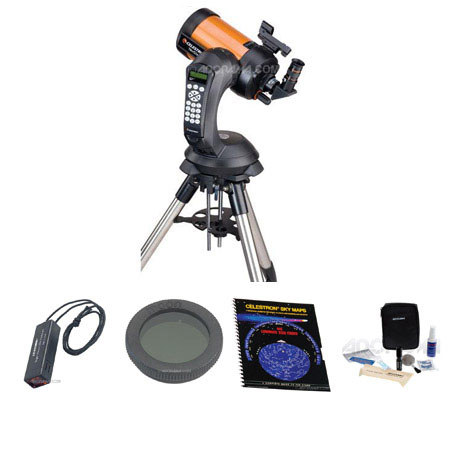
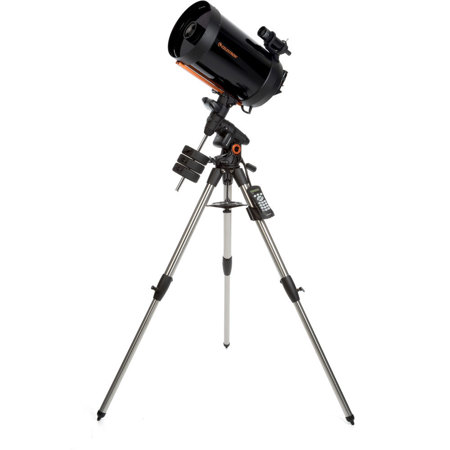
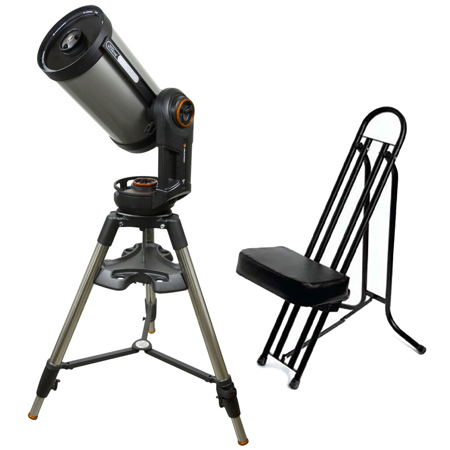
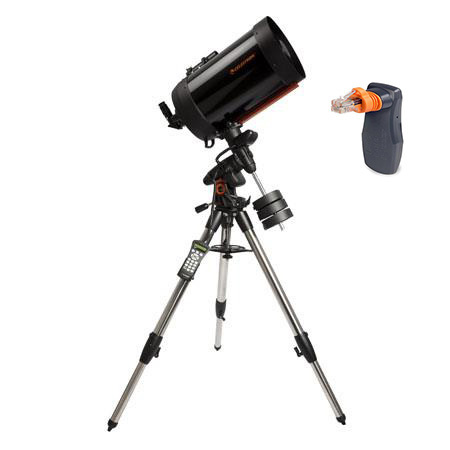
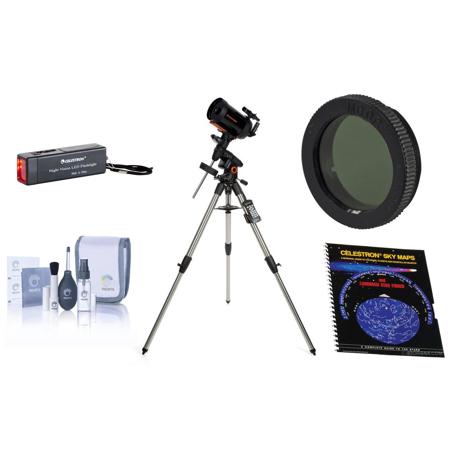
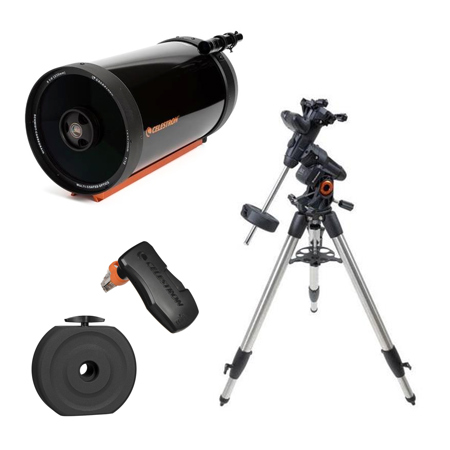
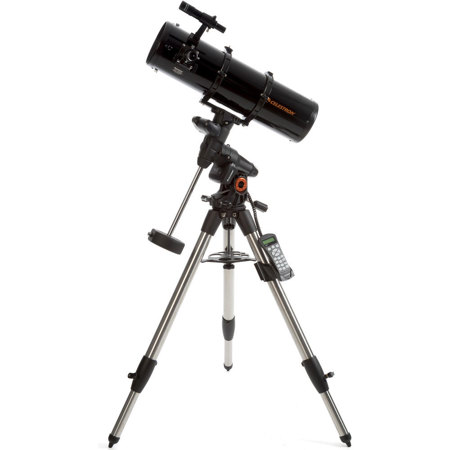
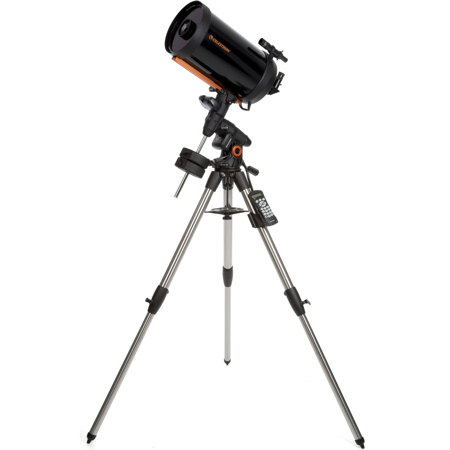
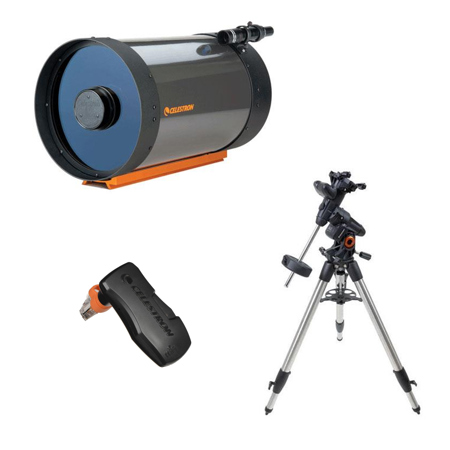
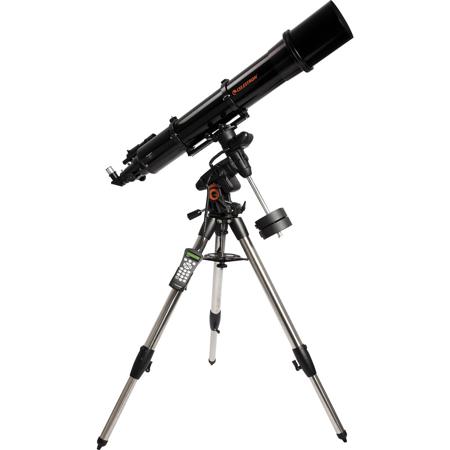
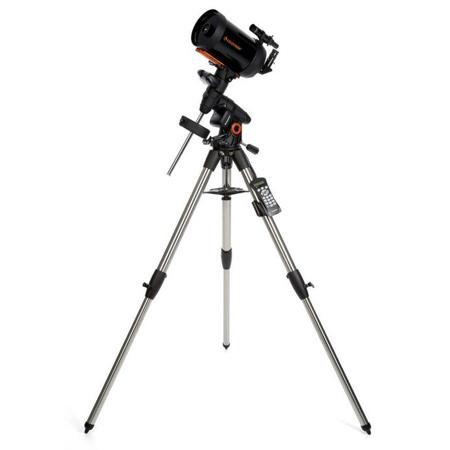
A reliable tripod is the unsung hero of any telescope setup, providing the stable foundation essential for crisp, clear views of the night sky. Whether you’re an experienced astronomer tracking the subtle dance of Jupiter’s moons or a beginner catching your first glimpse of Saturn’s rings, investing in the right tripod is as important as selecting the telescope itself. The best tripods for telescopes are designed with stability and vibration dampening in mind, ensuring that even the faintest celestial objects remain sharp and steady at high magnifications. As spring emerges and the nights grow milder, stargazers and hobbyists alike find themselves drawn outdoors, eager to capture the season’s cosmic wonders. This is a popular time for families to gather in backyards, for students to set up camp at astronomy clubs, and for seasoned observers to fine-tune their gear for meteor showers and planetary alignments. A thoughtfully chosen tripod not only supports your telescope’s weight but also absorbs environmental vibrations—whether from a gentle breeze or the subtle footfalls of curious onlookers—so that your observations are never interrupted by unwanted movement.
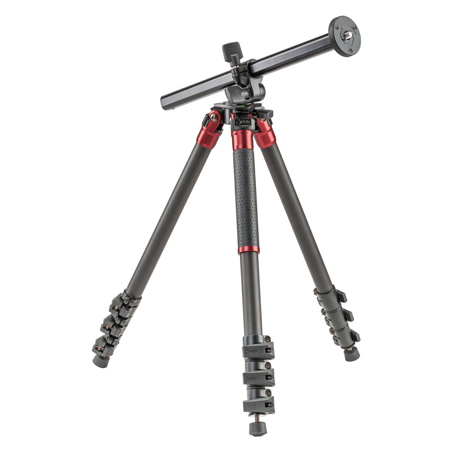
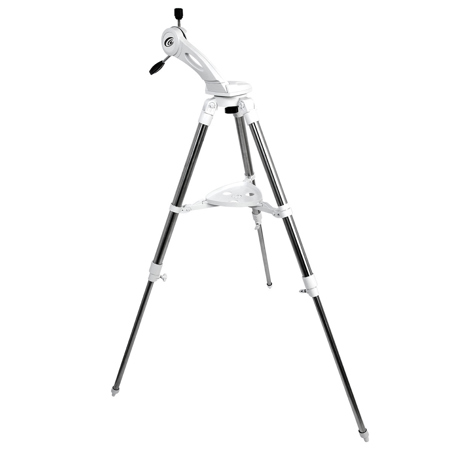
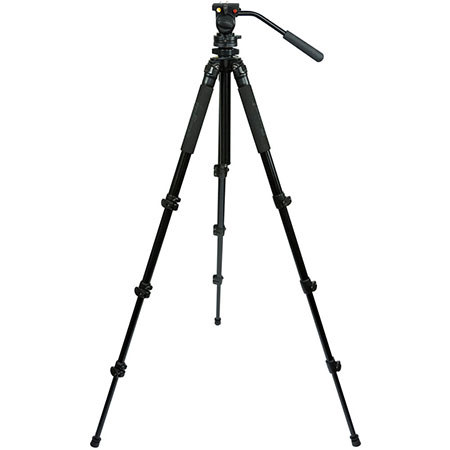
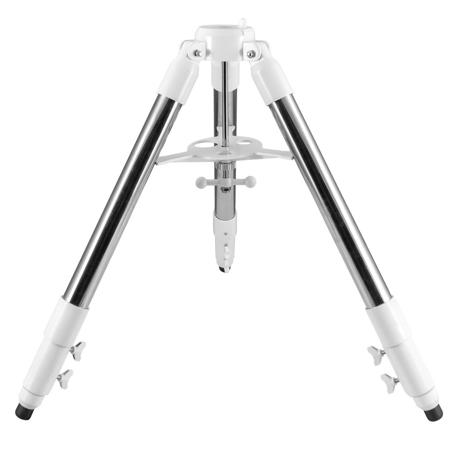
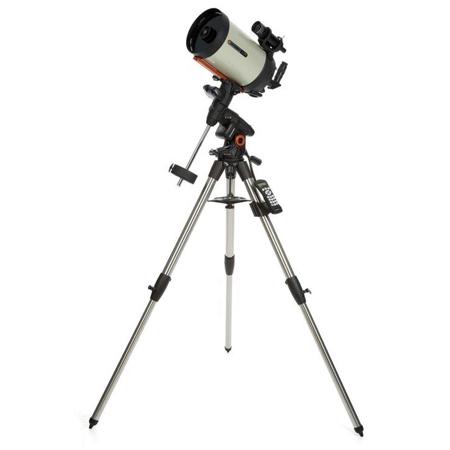
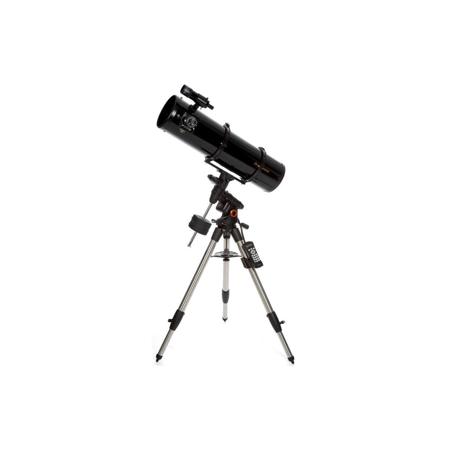
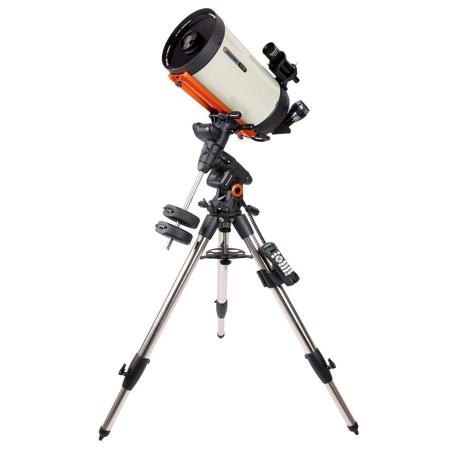
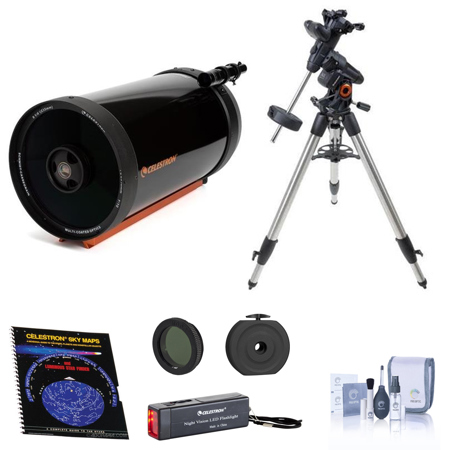
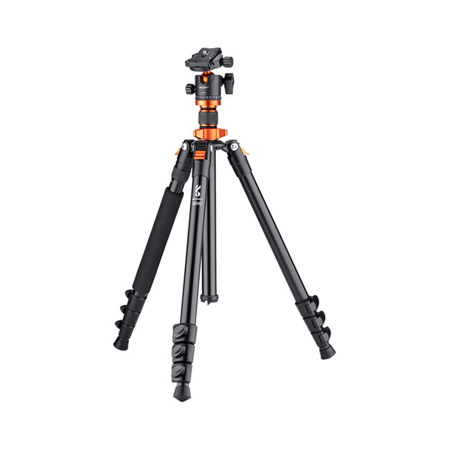
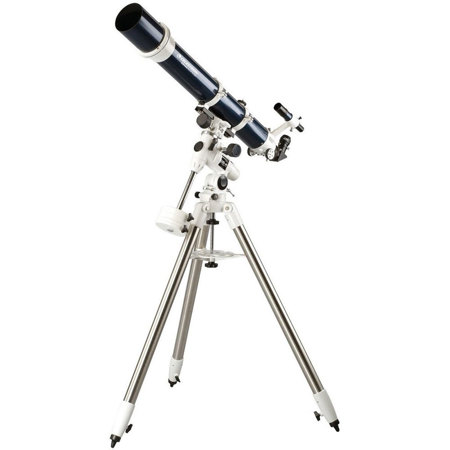
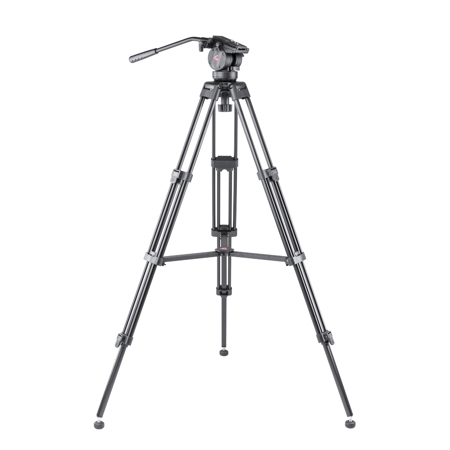
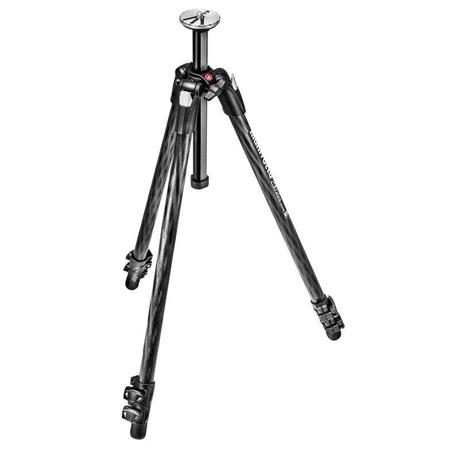
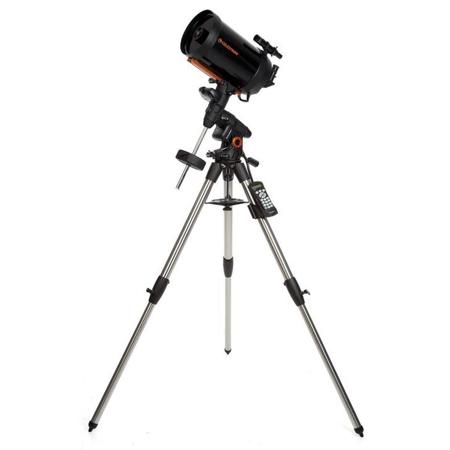
When browsing for tripods tailored for telescopes, there are several key considerations to keep in mind. The tripod’s load capacity should comfortably match the weight of your telescope and any additional accessories, such as cameras or counterweights, to ensure both safety and performance. Materials play a significant role in the tripod’s portability and stability; aluminum tripods are valued for their durability and affordability, while carbon fiber models offer a compelling balance of strength and lightness, making them ideal for astronomers who travel to remote dark-sky locations. Adjustable legs and secure mounting plates are essential for achieving the perfect viewing height and angle, especially when setting up on uneven ground or sharing the experience with observers of different heights. Vibration dampening features, such as robust leg locks and optional suppression pads, can make a noticeable difference during high-magnification sessions, eliminating the blur caused by even the slightest shake. For those interested in astrophotography or extended sky-watching sessions, consider a tripod that pairs seamlessly with both alt-azimuth and equatorial mounts, allowing for smooth tracking of celestial objects across the sky. These tripods often become cherished gifts for budding astronomers, students, or anyone with a passion for exploring the universe, offering years of reliable service and countless memorable nights under the stars.
Tripods for telescopes are not just for nighttime astronomers; they are equally valuable for daytime terrestrial viewing, birdwatching, or landscape observation. Many enthusiasts find that the features which make a tripod ideal for telescopes—such as sturdy construction, ease of adjustment, and vibration control—also enhance the experience when paired with spotting scopes or binoculars. For those looking to expand their observational toolkit, our curated selection of Spotting Scope Tripods offers versatile options that cater to a variety of outdoor pursuits. As you prepare for your next stargazing adventure or search for the perfect gift for an aspiring astronomer, remember that the right tripod not only elevates your telescope but also transforms your entire viewing experience. With thoughtful consideration of your needs and the unique features of each model, you can enjoy steady, immersive views that bring the wonders of the cosmos—and the beauty of the natural world—into sharp, unforgettable focus.
When browsing for tripods tailored for telescopes, there are several key considerations to keep in mind. The tripod’s load capacity should comfortably match the weight of your telescope and any additional accessories, such as cameras or counterweights, to ensure both safety and performance. Materials play a significant role in the tripod’s portability and stability; aluminum tripods are valued for their durability and affordability, while carbon fiber models offer a compelling balance of strength and lightness, making them ideal for astronomers who travel to remote dark-sky locations. Adjustable legs and secure mounting plates are essential for achieving the perfect viewing height and angle, especially when setting up on uneven ground or sharing the experience with observers of different heights. Vibration dampening features, such as robust leg locks and optional suppression pads, can make a noticeable difference during high-magnification sessions, eliminating the blur caused by even the slightest shake. For those interested in astrophotography or extended sky-watching sessions, consider a tripod that pairs seamlessly with both alt-azimuth and equatorial mounts, allowing for smooth tracking of celestial objects across the sky. These tripods often become cherished gifts for budding astronomers, students, or anyone with a passion for exploring the universe, offering years of reliable service and countless memorable nights under the stars.
Tripods for telescopes are not just for nighttime astronomers; they are equally valuable for daytime terrestrial viewing, birdwatching, or landscape observation. Many enthusiasts find that the features which make a tripod ideal for telescopes—such as sturdy construction, ease of adjustment, and vibration control—also enhance the experience when paired with spotting scopes or binoculars. For those looking to expand their observational toolkit, our curated selection of Spotting Scope Tripods offers versatile options that cater to a variety of outdoor pursuits. As you prepare for your next stargazing adventure or search for the perfect gift for an aspiring astronomer, remember that the right tripod not only elevates your telescope but also transforms your entire viewing experience. With thoughtful consideration of your needs and the unique features of each model, you can enjoy steady, immersive views that bring the wonders of the cosmos—and the beauty of the natural world—into sharp, unforgettable focus.