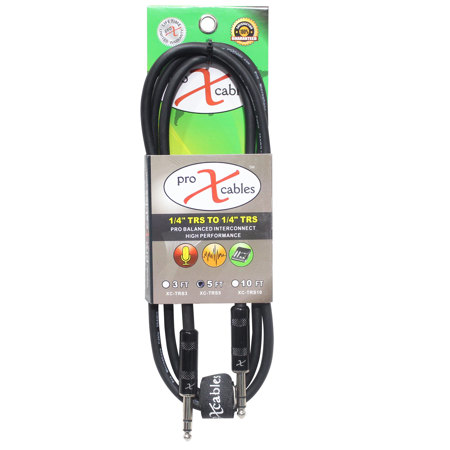
Trs Outputs
When it comes to professional audio production and high-fidelity sound reinforcement, the importance of reliable TRS outputs cannot be overstated. TRS, which stands for Tip-Ring-Sleeve, refers to a type of audio connector that is a staple in studios, live venues, and home recording setups alike. These outputs are prized for their versatility, as they can transmit either a balanced mono signal—minimizing unwanted noise and interference over longer cable runs—or an unbalanced stereo signal, depending on the gear and application. The balanced configuration is especially valuable when connecting mixing consoles to studio monitors, audio interfaces, or outboard processors, ensuring that every subtle nuance of a performance is preserved without the hiss or hum that can plague lesser connections. For musicians, podcasters, and audio engineers, the clarity and dependability of a TRS output make it an essential component, whether you’re tracking vocals in a sunlit home studio as the days stretch longer, or fine-tuning a live mix in a bustling venue as the evenings grow cooler.
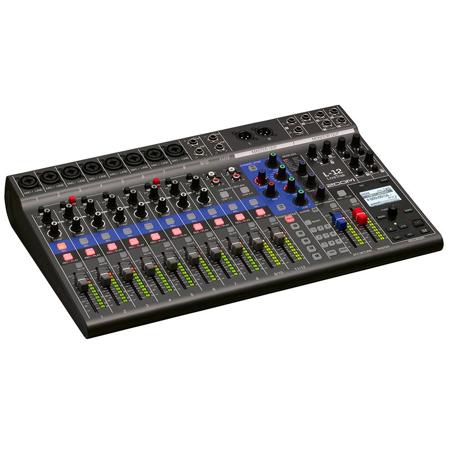
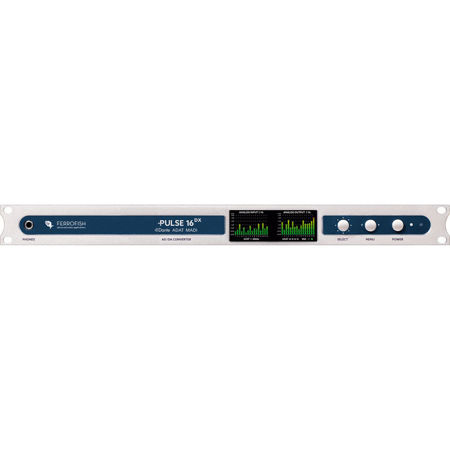
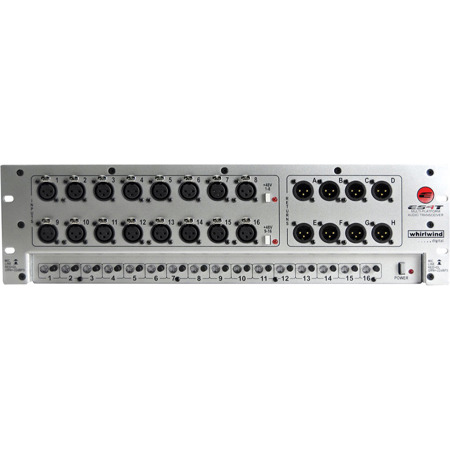
Selecting the right equipment with TRS outputs involves considering the type of audio routing you’ll be doing. Many modern audio interfaces and mixing boards feature TRS outputs specifically designed for connecting to studio monitors, external effects processors, or even headphone amps. The three-conductor design—tip for the positive or ‘hot’ signal, ring for the negative or ‘cold’ (inverted) signal, and sleeve for ground—ensures a robust and interference-resistant pathway for your audio. This is especially important for creators who need to run cables across a busy studio floor or stage, where electrical interference from lighting or other gear can easily compromise sound quality. During the transition from summer to fall, when studios may be bustling with new projects and live events ramp up, having gear with dependable TRS outputs can make the difference between a flawless session and hours of troubleshooting. These outputs are also an excellent consideration for gift-giving, particularly for students heading back to school, aspiring musicians setting up their first home studios, or seasoned pros looking to upgrade their rigs for the season’s recording and performance opportunities.
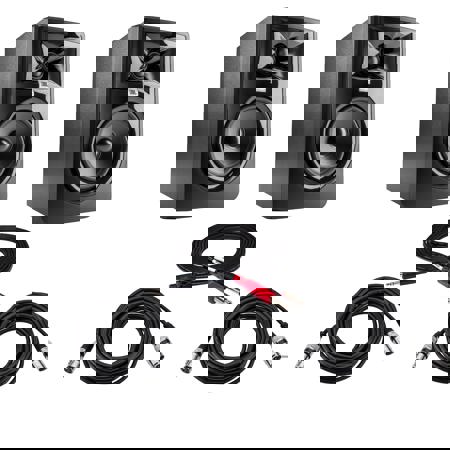
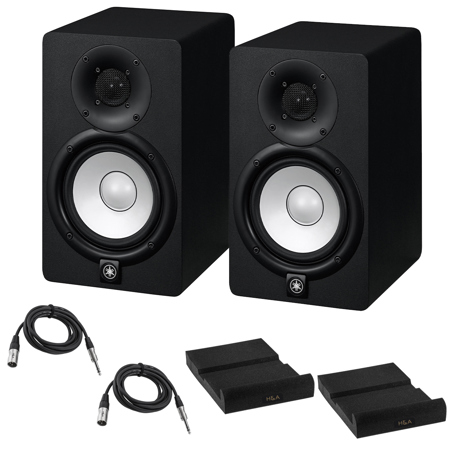
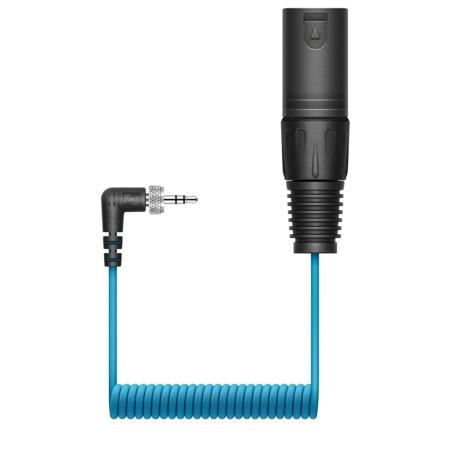
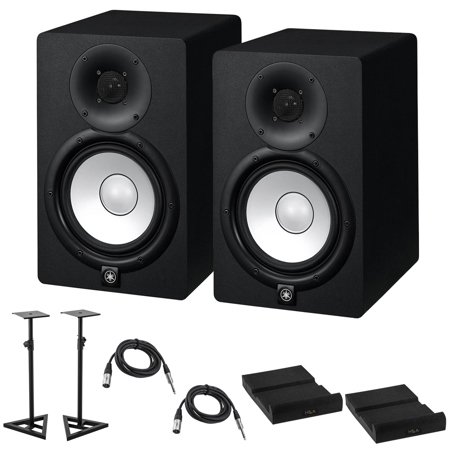
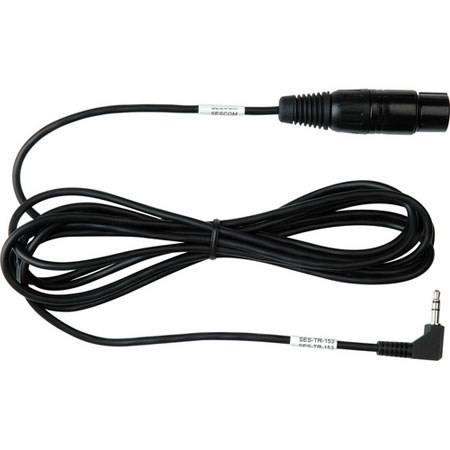
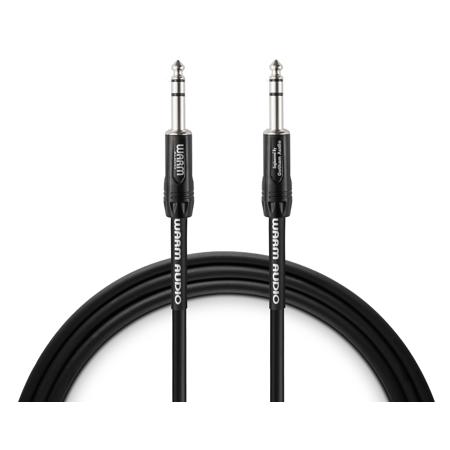
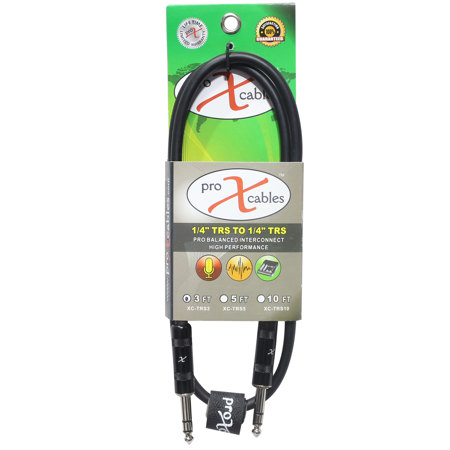
For those looking to optimize their setup, it’s worth noting that TRS outputs are often paired with high-quality cables to maximize signal integrity. Whether you’re patching a mixing board to a pair of reference monitors or integrating outboard effects into your signal chain, the right cable matters as much as the output itself. If you’re in the process of building or expanding your setup, take a moment to explore our curated selection of TRS Cables for Studio Monitors to ensure you’re getting the most out of your equipment. As creative projects evolve with the seasons, investing in dependable TRS connections helps maintain consistent, professional-grade audio—whether you’re capturing the crispness of acoustic instruments in the warmth of late summer or mixing electronic beats as the air cools and the creative energy shifts indoors. From hobbyists recording podcasts in cozy home studios to professionals engineering live shows, TRS outputs remain a foundational element, trusted for their balance of versatility, durability, and uncompromising sound quality.
Selecting the right equipment with TRS outputs involves considering the type of audio routing you’ll be doing. Many modern audio interfaces and mixing boards feature TRS outputs specifically designed for connecting to studio monitors, external effects processors, or even headphone amps. The three-conductor design—tip for the positive or ‘hot’ signal, ring for the negative or ‘cold’ (inverted) signal, and sleeve for ground—ensures a robust and interference-resistant pathway for your audio. This is especially important for creators who need to run cables across a busy studio floor or stage, where electrical interference from lighting or other gear can easily compromise sound quality. During the transition from summer to fall, when studios may be bustling with new projects and live events ramp up, having gear with dependable TRS outputs can make the difference between a flawless session and hours of troubleshooting. These outputs are also an excellent consideration for gift-giving, particularly for students heading back to school, aspiring musicians setting up their first home studios, or seasoned pros looking to upgrade their rigs for the season’s recording and performance opportunities.
For those looking to optimize their setup, it’s worth noting that TRS outputs are often paired with high-quality cables to maximize signal integrity. Whether you’re patching a mixing board to a pair of reference monitors or integrating outboard effects into your signal chain, the right cable matters as much as the output itself. If you’re in the process of building or expanding your setup, take a moment to explore our curated selection of TRS Cables for Studio Monitors to ensure you’re getting the most out of your equipment. As creative projects evolve with the seasons, investing in dependable TRS connections helps maintain consistent, professional-grade audio—whether you’re capturing the crispness of acoustic instruments in the warmth of late summer or mixing electronic beats as the air cools and the creative energy shifts indoors. From hobbyists recording podcasts in cozy home studios to professionals engineering live shows, TRS outputs remain a foundational element, trusted for their balance of versatility, durability, and uncompromising sound quality.