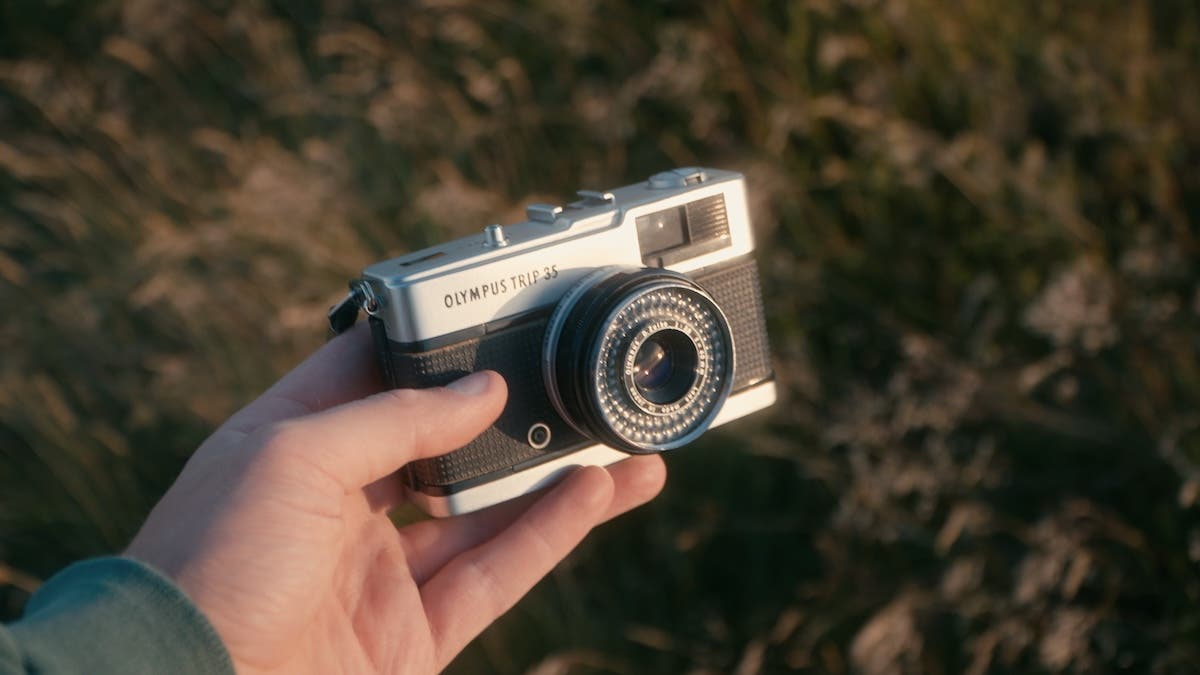
I’ve been shooting film photography for nearly ten years, and over that time, I’ve made a lot of mistakes. That’s just how it is when you’re learning something: you make mistakes, you feel stupid, you change it next time.
But rather than just let you figure it out all on your own, I thought I might as well put together the 5 film photography mistakes I see all the time.
1) Using a bad film lab
When I first started shooting film, I was taking my film to a high street lab. I didn’t even really question it at the time, they just develop your film, right?
Wrong. If you don’t shop around, then this could be costing you a lot of money and a lot of quality.
First of all, some labs could be charging you a hell of a lot to develop and scan film. And if you don’t know what the going rate is, then you could be spending tonnes and tonnes just because you never bothered to check.
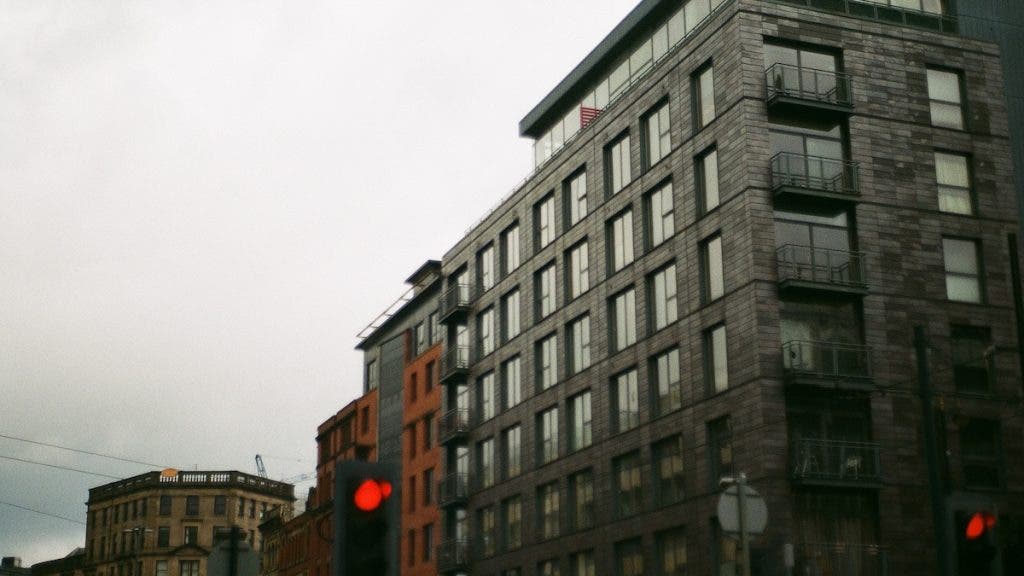
Secondly, the quality of film scans varies a hell of a lot. This depends on the scanner the lab uses. Plus, it depends on what kind of preset they use when they scan the film.
So you could end up spending a lot of money and still getting bad scans at the end of the process.
So make sure you shop around for labs and find out what people are saying locally. Or, you can take a look on Reddit.
2) Not printing your work
I shot for years without printing any of my work. I’d just get the scans sent to me, put them on my phone, put them on Instagram, you know the drill.
But the thing is, when you finally start printing your work, you start to see it completely differently.
Whether you hand enlarge your work in the dark room or print your scans, your work suddenly enters the physical world. Then, the way you think about it changes.
You’ll never regret printing your work. It can become a gift, you can put it on your wall, you can sell it, trade it with another photographer. Do whatever you want.
Print your work, bring it into the real world, see it how it was meant to be seen.
3) Not exposing properly
This is something I see pretty much all the time and in film photography it’s usually not that hard to remedy it.
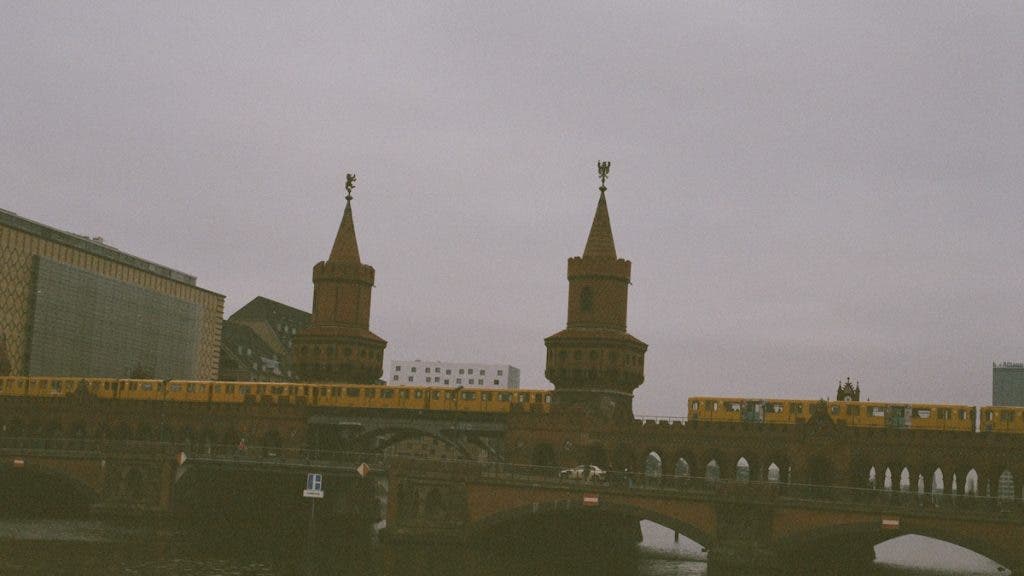
Film hates to be underexposed. If film is underexposed, then you’ll nearly always lose a lot of information in the shadows, or even the midtones of an images.
The easiest way to stop this from happening is to overexpose your film by 1 stop. This can usually be done on your camera using the exposure compensation dial. Alternatively, you can do it in camera by just allowing your light meter to go a bit further above the middle line.
Of course, this isn’t a completely specific way of perfectly exposing every time. However, it is a great way to avoid the kinda underexposure that completely ruins your shots.
It’s also a more intuitive way to shoot, whereas if you’re constantly doing external light meter readings and all that jazz then you can’t really focus on all the other really important stuff (like composition).
4) Thinking you need a Leica
There comes a moment in every single photographer’s journey where they think, hey, I know, I should buy a Leica, that’s going to be the thing that’ll take me to the next level.
Or maybe it’s not a Leica, maybe it’s a Contax, either way, this is a universal experience. This special camera will change my life and make me the photographer I want to be.
And hey, maybe it will, but chances are, a simple SLR will probably do just as well for you.
The gains you get going from a $50 to a $150 camera are much more obvious than $150 to $5000. But I guess, if you have $5000 lying around, go ahead, have fun, buy whatever camera you want.
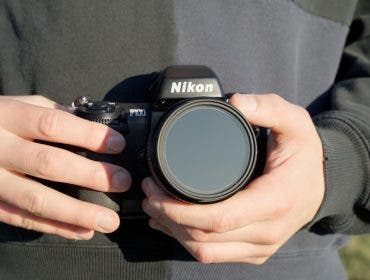
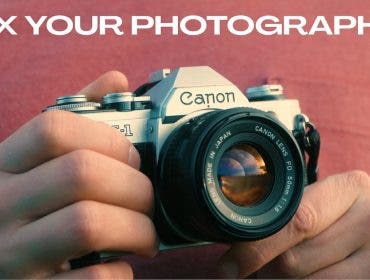
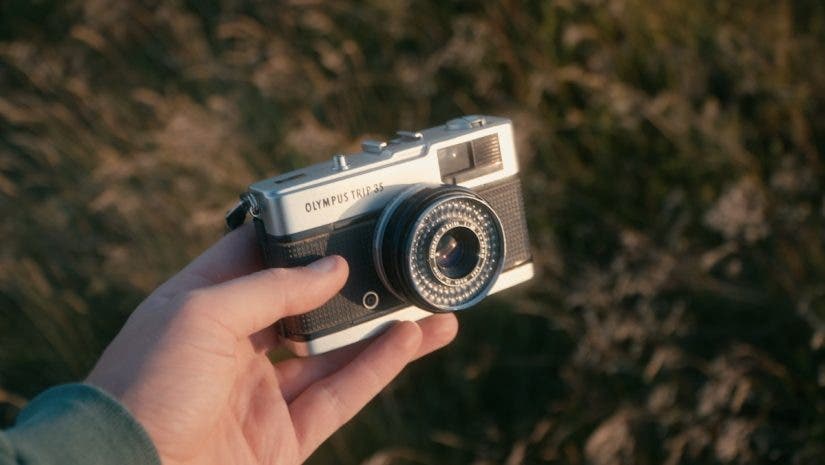
Generally, though, I’d suggest trying to find the camera that suits you best. The Nikon FM, F100, Canon EOS1n, Canon A-1, Olympus OM1n. These are all fairly affordable cameras that can get you great shots. Perhaps a camera with autofocus works for your style, or maybe aperture priority.
Figure out what you need, rather than what’s supposed to be the best.
5) Not editing your scans
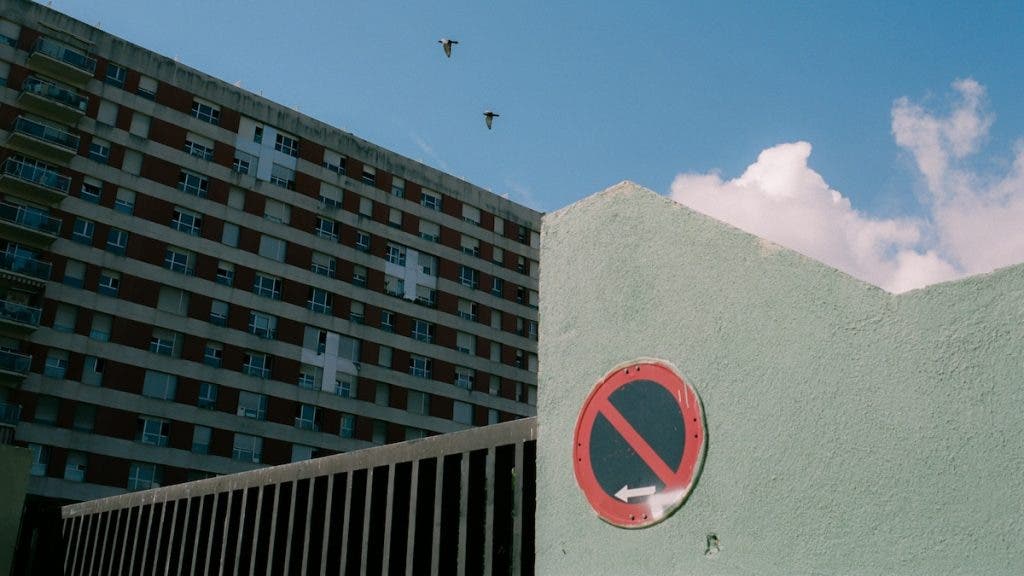
This is one of those things that shouldn’t be controversial but it is.
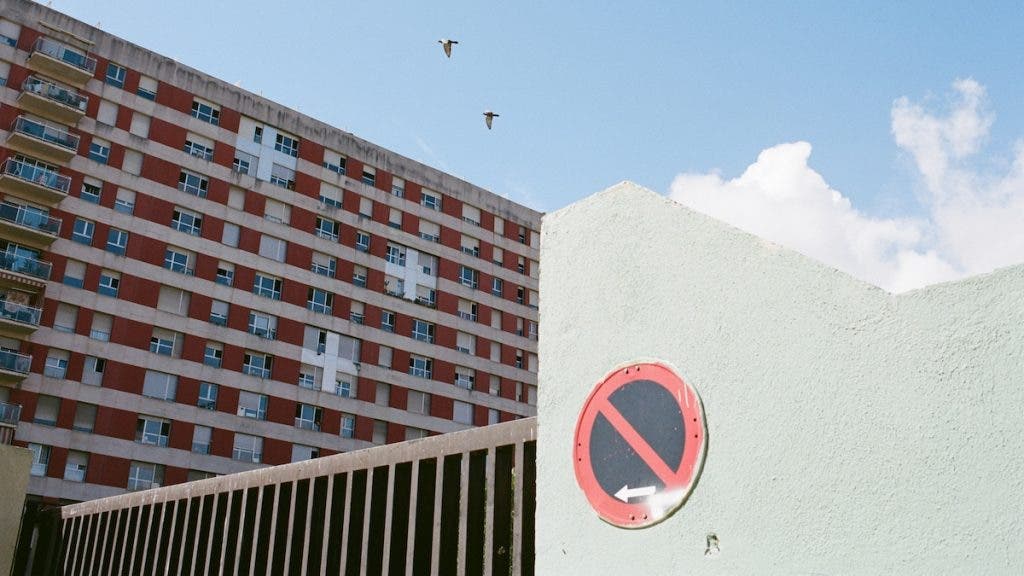
The truth is, wherever you get your film developed, you’re generally getting a scan that doesn’t really have that much personality because that gives you the ability to tweak it so it looks right.
There seems to be this belief that you should just leave a film photo completely unedited but the reality is you could get your film scanned by 10 different scanners or 10 different labs and every scan would look completely different.
Plus, film photos have been edited in the dark room for years, now you can edit them in Lightroom.
Often, even just adjusting the tone of your image will completely change it and make it look a whole lot better.
Edit those film scans, you won’t regret it!
Final thoughts
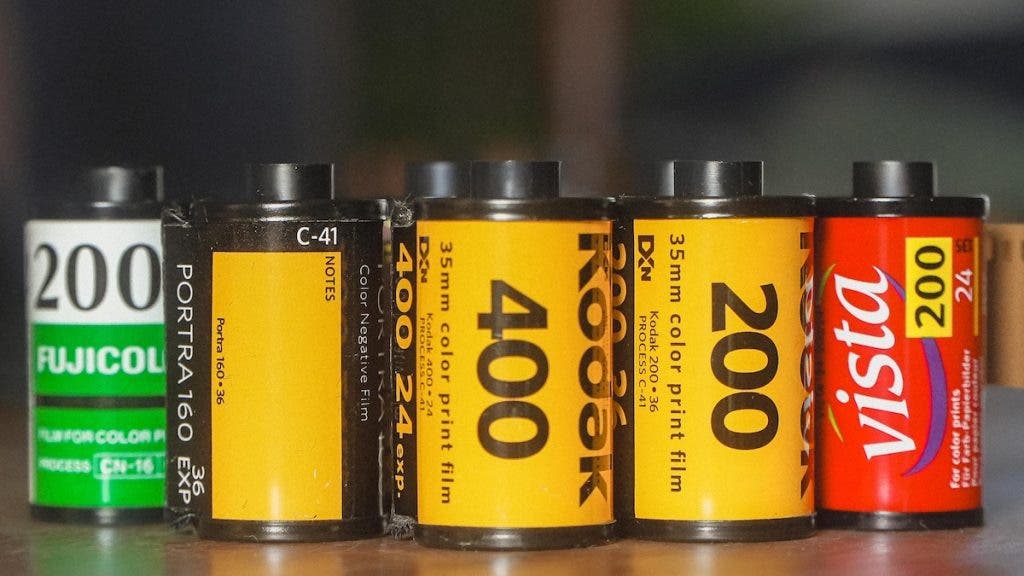
Shooting film photography is about learning and having fun. Hopefully, now your life will be a little easier, you’ll save money and get better film photos on the regular.