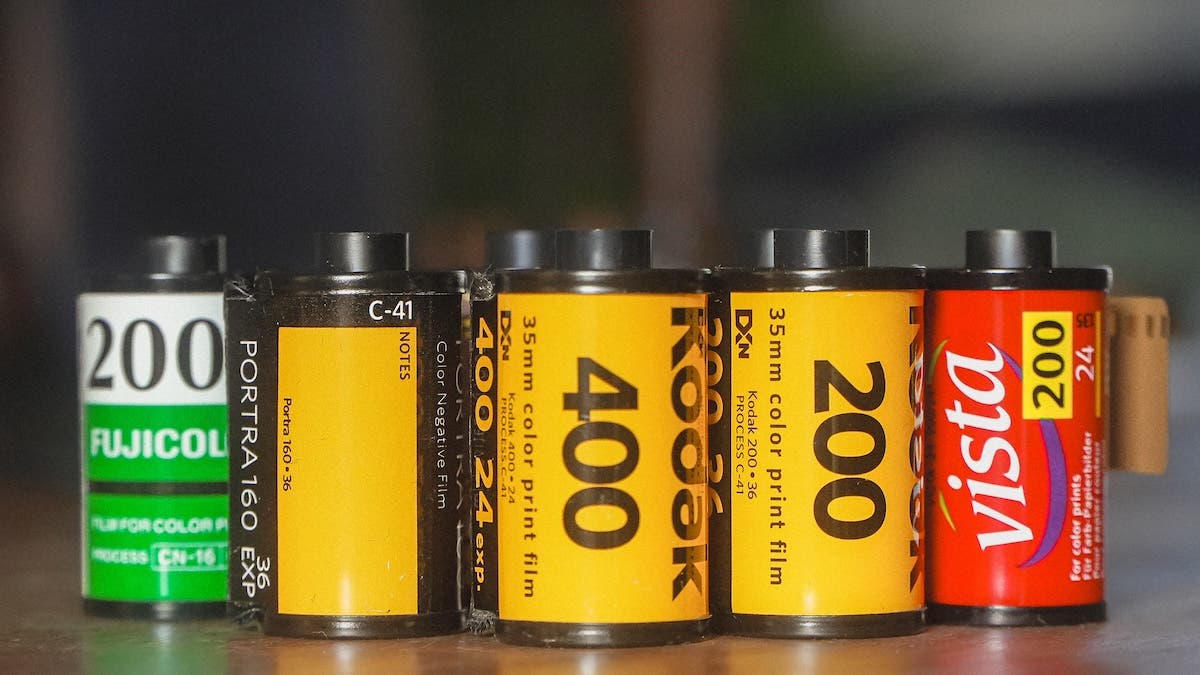
Over the years, I’ve slowly figured out that not all kinds of camera film are right for every job. Some are perfect for the nighttime, some are perfect for portrait work, some are ideal for the budget shooter.
So I thought I’d put together a guide so you can work out which film is best for you for whatever specific thing you’re shooting!
Key Terms To Understand in Camera Film
Before we go ahead, there are a few terms and aspects of camera film that you’ve got to understand to make this whole thing a lot easier.
Grain
Grain is the texture we see from a film photo and it’s dependent on the ISO of the film stock and the quality of the film (some grain will be harsher and some grain will be finer despite being a higher ISO stock). But grain isn’t necessarily bad or good, however it does change the look of the image.
Dynamic Range
Dynamic range is the difference between the highlights and shadows of a scene and how much information a film stock can maintain between the two extremes. For instance, if a scene is extremely bright but also has very harsh shadows, this scene has a big dynamic range and if your film has a poor dynamic range, it will lose information in the highlights and/or shadows. Whereas, very high-quality film stocks like Kodak Portra, have a high dynamic range and will maintain much more information.
Color/Tone
The color and tone of a film stock can vary a lot, Cinestill has a cool temperature so it’s much more blue, Kodak gold is much warmer so it’s much more yellow/orange. The tone can also change depending on the contrast of a film stock, low dynamic range film will likely increase the contrast.
So with these things in mind, let’s take a look at a bunch of different situations and see which film stocks work best for them.
Best Camera Film for Landscape Photography
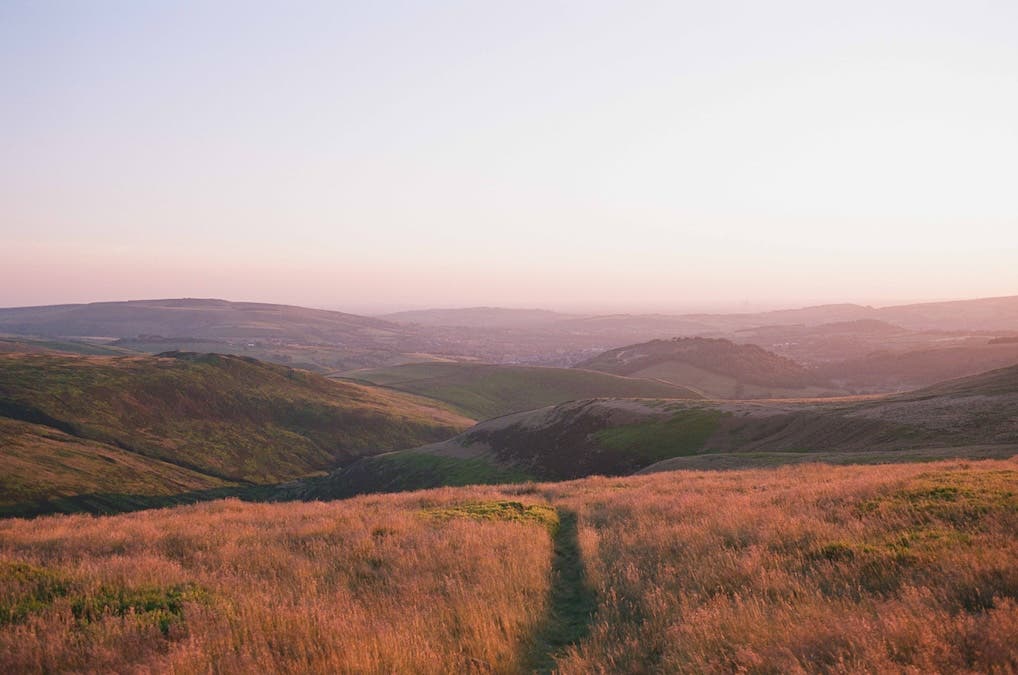
I don’t shoot that much landscape photography, I usually lean towards street photography, but there are two specific film stocks that really stand out for landscape work.
When we shoot landscape work, there are a few of really important things, clarity (so we want low ISO), great colors (or at least an editable scan) and very good dynamic range.
And that’s why Ektar 100 is the first stock I’ll talk about. Ektar 100 has an incredible dynamic range, beautiful colors and it’s only 100 ISO, so your scans will typically look really sharp.
Alternatively, you could go for Portra 160, it’s going to have much more pastel colors, it’s a more editable film stock, but it’s still got that super fine grain and amazing dynamic range.
Of course, there are film stocks like Ektachrome or Fuji Velvia but they’re much more expensive and harder to get hold of, so generally, Ektar 100 or Portra 160 will still do a great job.
TIP: Even if they are available, keep in mind that Ektachrome and Velvia are positive films and developed differently than standard negative film. If you are scanning this is not an issue, but if your goal is to make traditional photographic prints, Ektar and Portra are better options.
Best Camera Film for Street Photography
Street photography is one of those genres of photography where you could shoot whatever film you want. I spent years shooting Kodak Colorplus, and I still got some of my favorite shots from such a basic film stock.
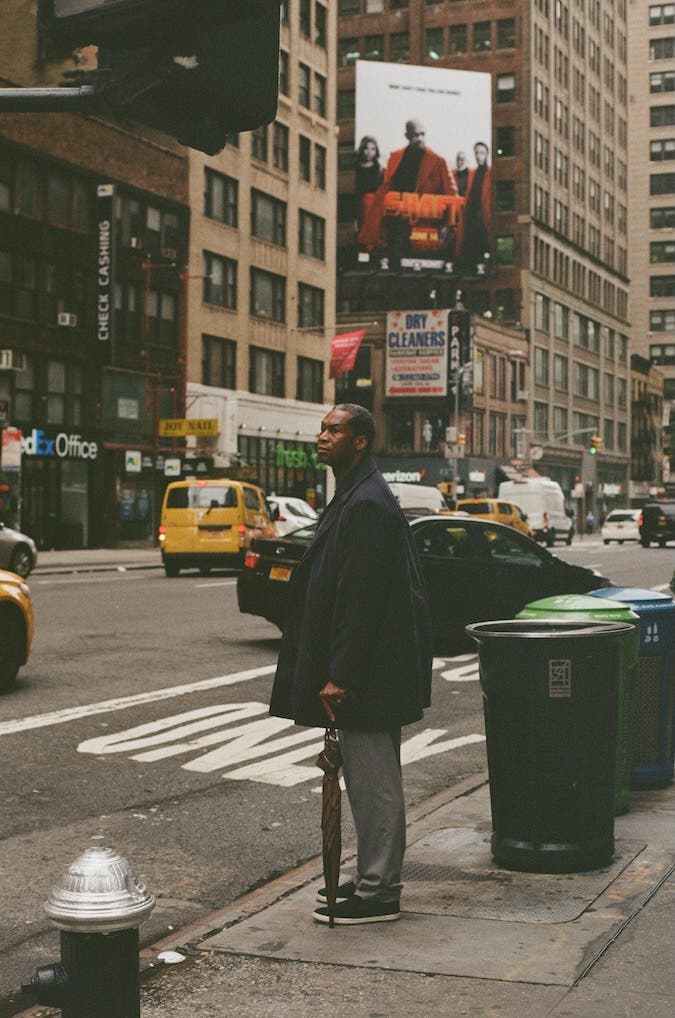
So it partially depends on what your intentions are, if you’re shooting on a budget then Kodak Gold, Colorplus or Fujifilm 400 could be fair options.
But if you want the best quality images then you want to shoot something like Kodak Portra 400, this is a stock that’ll probably feature a lot because it’s so versatile. It’s very editable, it’s got a slightly higher ISO so you can use it in all different kinds of light, whereas a 200 ISO film stock might mean you’re struggling to get the shot in darker areas. It’s very good but it’s not cheap.
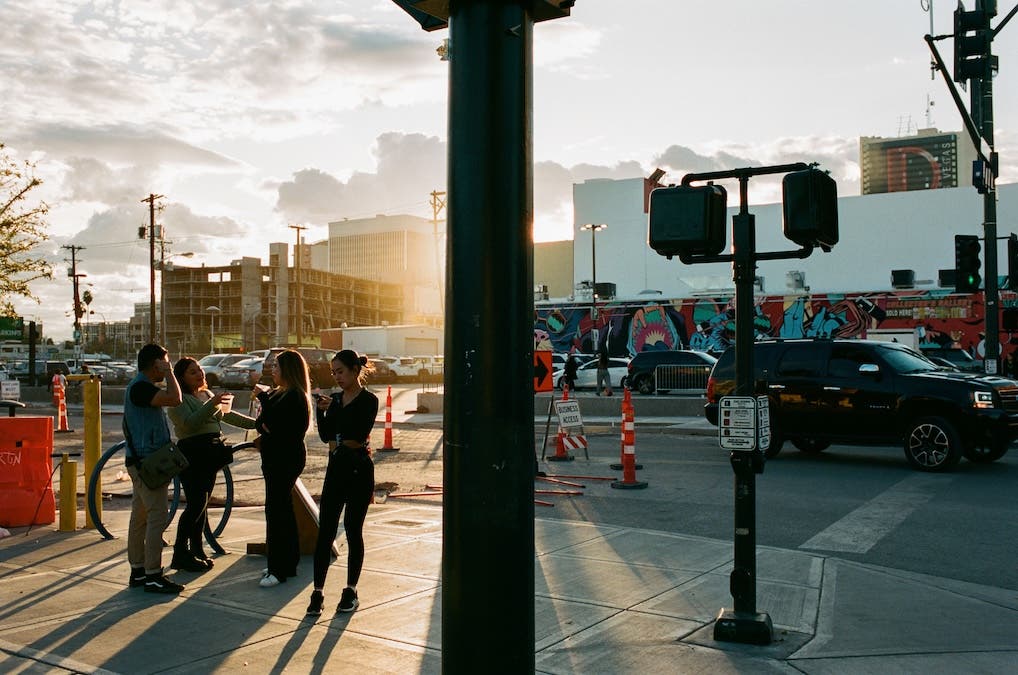
Another good option could be something like Lomo 400, it’s a little cheaper, it’s not as good as Portra but it still has a decent dynamic range.
Best Camera Film for Portrait Photography

For portrait photography, we generally want great skin tones and a great dynamic range. Of course, skin tones vary a lot so it’s not always simple, but generally we want a film stock that doesn’t have too much personality.
Any of the Portra stocks will work brilliantly for this but it’s probably better to stay down in the 160/400 mark to make sure the image stays relatively sharp.
Stocks like Cinestill and Ektar wouldn’t be ideal for this kind of work because Ektar makes light skin tones red and cinestill’s style would generally only work in unnatural light (unless you want it to look weird).
Fuji Pro 400H used to be another great portrait stock but sadly, it’s discontinued.
You can still take great portraits with other film stocks like Colorplus, or Gold but the ideal ones would be Portra for sure.
Best Camera Film for Night Photography
Shooting in the nighttime is a whole different beast and there’s one thing that you absolutely need, high ISO.
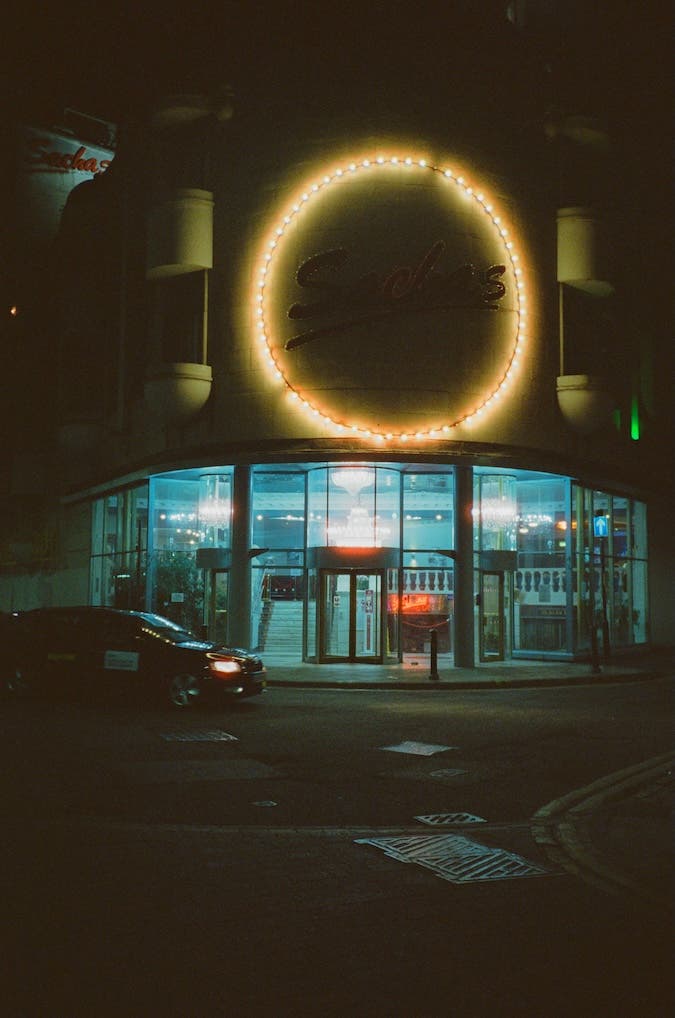
Without high ISO, you’ll struggle to get your exposure right, and that’s where the king of night photography comes in, Cinestill 800T. With its tungsten-balanced hue and trademark halation, 800T is a very typical go-to film stock for night shooters, and it looks great.
On the flipside, you could also go for Portra 800 but you won’t get that cool hue and halation, you’ll just get that high ISO and wide dynamic range.
Either way, both of these are brilliant options for night photography and it’s really a matter of personal preference with regards to the temperature of the film and halation.
Halation is when bright light sources are rimmed with a halo of light often red or warm in color.
Final Thoughts
Some film shooters will change their film stocks depending on what their shooting, some will stick to the same film stock at all times, there’s no exact right or wrong. Personally, I pretty much only shoot Kodak Portra 400 or 800, it doesn’t matter what I’m shooting, Portra is vesatile as hell.
This is just a guide, you might find your favorite film stock and stick with it, or you might be shooting a specific event and think, oh yeah, Cinestill 800T is what I need for this!
If you find something works for you, that’s ok, stick with it! And as always, enjoy yourself and keep shooting!