Recently I’ve realized just how many hard photography truths I’ve learned through my career, and through life in general. The kind of lessons that would have made everything a lot easier if I’d understood them properly ten years ago.
The more I think about it, the more I realise these aren’t just things I needed to hear. They’re things most of us probably need to hear at some point. So instead of dancing around it, I’m going to get straight into it.
Now, I know everyone’s got different styles and different goals in photography. Some people want to make a living from it. Some want exhibitions. And some just want a creative outlet on weekends. That’s all valid. But most of these truths apply no matter what kind of photographer you are.
#1: No One Is Coming to Give You an Opportunity
When I was younger, I genuinely believed that if I just made good work, someone would eventually find me. I’d get discovered and that would be that.
It doesn’t really work like that.
If you want photography to earn you a living, or even just to open doors, you have to love it enough to put yourself out there constantly. You have to learn a lot. You have to do things that don’t pay. And you have to knock on doors, send emails, attend events, and show up even when you don’t feel like it.
Yes, sometimes people get lucky. But you can’t build a plan around luck. You’ve got to create your own opportunities.
#2: Your Friends and Family Aren’t Reliable Critics
Your friends and family will almost always tell you your work is great. Even when it’s not. And that’s not a bad thing. They support you. They want you to feel encouraged.
But at some point, when you’re ready for it and steady enough to handle it, you need feedback from photographers who actually know what they’re talking about.
Not all photographers give good feedback either. You’ve got to find the right ones. The ones who are honest without being cruel. The ones who care about the craft. And when you ask for feedback, don’t look for flattery. Look for truth. It might sting, but it will make you better.
#3: Progress Is Not Linear
We all want to feel like we’re getting better in a straight line. More skill, more clarity, more success.
That’s not how it usually goes.
You might have an incredible shoot one week and think you’ve cracked it. Then the next time you go out, you feel completely blank. No ideas. No spark. Or you launch something and it does well at first, then interest drops off and you start doubting yourself.
That’s normal. Creative growth comes in waves. Good days and bad days are both part of the process.
#4: Beautiful Locations Don’t Make You a Great Photographer
There are plenty of average photographers with big followings simply because they live in, or travel to, incredible locations. The backdrop does a lot of the work.
But if you live somewhere “boring,” you’re actually in a powerful position.
When you don’t have obvious beauty handed to you, you have to look deeper. You have to pay attention to light, people, and detail.
When you’ve got less to rely on, you develop real skill. You stop depending on the location and start depending on your eye.
5. “Nice” Photos Are Often Forgettable
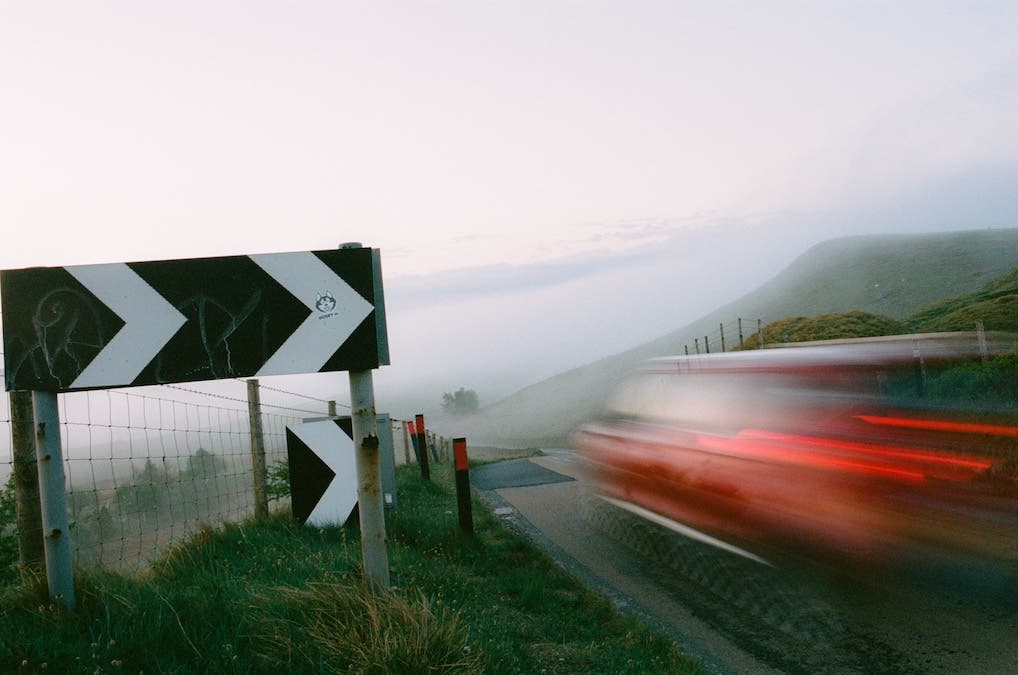
If you just want to take pleasant photos because it makes you happy, that’s completely fine. But if your goal is to grow creatively and build meaningful work, constantly chasing “nice” can hold you back. Nice sunsets. Nice portraits. And nice street scenes. They’re easy to like and easy to scroll past.
The better question is: what do you actually care about?
When you start building bodies of work around your own interests and experiences instead of chasing approval, your photography becomes more personal. And personal work is almost always more memorable.
6. Knowing Everything About Cameras Won’t Make You Great
Some people genuinely love the technical side of things. Cameras and lenses are interesting. But knowing every specification is not the same as making powerful images.
Yes, you need to understand your gear. But once you’ve got the basics down, your time is usually better spent learning how to see. How to compose. How to tell a story. And how to build a consistent style.
Technical knowledge supports creativity. It doesn’t replace it.
7. Gear Isn’t the Game-Changer You Think It Is
After a certain point, gear doesn’t matter that much. If you’ve got a decent camera and a solid prime lens, you’re probably fine. There will always be a newer model. Slightly sharper. Slightly faster. That’s how the industry works.
But investing in experiences, workshops, books, projects, or simply more time shooting will usually have a far bigger impact than upgrading your camera. Most of the time, the limitation isn’t the equipment. It’s vision and experience.
8. Social Media Isn’t the Measure of Success
It’s nice when people see your work. And at a certain level, a large following can open doors. But for most photographers, social media isn’t the magic key they imagine it to be. We’ve been conditioned to believe that followers equal value.
Photography is bigger than an app.
Meeting other photographers. Going to exhibitions. Joining local groups. Talking face to face. Being part of a real community. Not only is it more fulfilling, it’s often far more useful in the long run.
9. You Overestimate the Short Term and Underestimate the Long Term
Most of us think we can transform our skills in a few weeks. Build a portfolio overnight. Reinvent our style in a month. When it doesn’t happen, we get frustrated. What we underestimate is what we can achieve over years.
Small improvements, repeated consistently, compound in powerful ways. A slow project can become something substantial. A habit of shooting regularly can quietly reshape your entire skill set.
Shift your focus from quick wins to long-term growth, and everything feels less pressured.
10. You’re Probably Not as Good as You Think You Are
This one is tough.
At some point, most of us believe we’ve figured it out. We feel confident. We think we’ve reached a solid level. Then time passes. As you improve, you start to see the weaknesses in your earlier work. You notice things you couldn’t even recognise before.
That’s not something to feel bad about. It’s a sign you’re developing your eye. Your standards are rising. If you keep going, you’ll look back at your current work in a few years and see how far you’ve come.
My work 8 years ago:
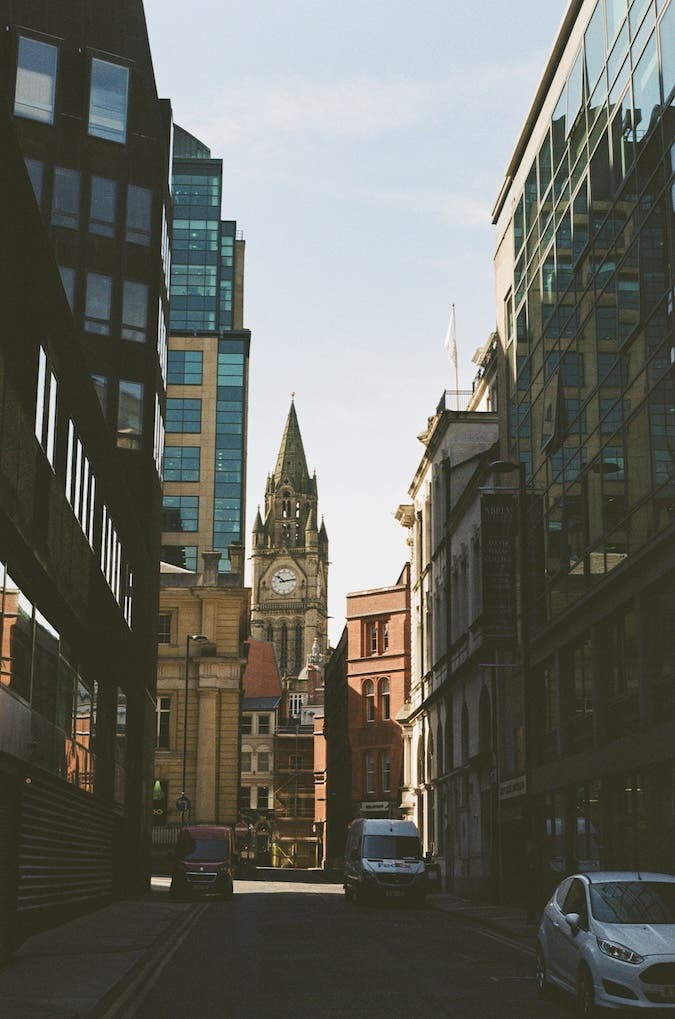
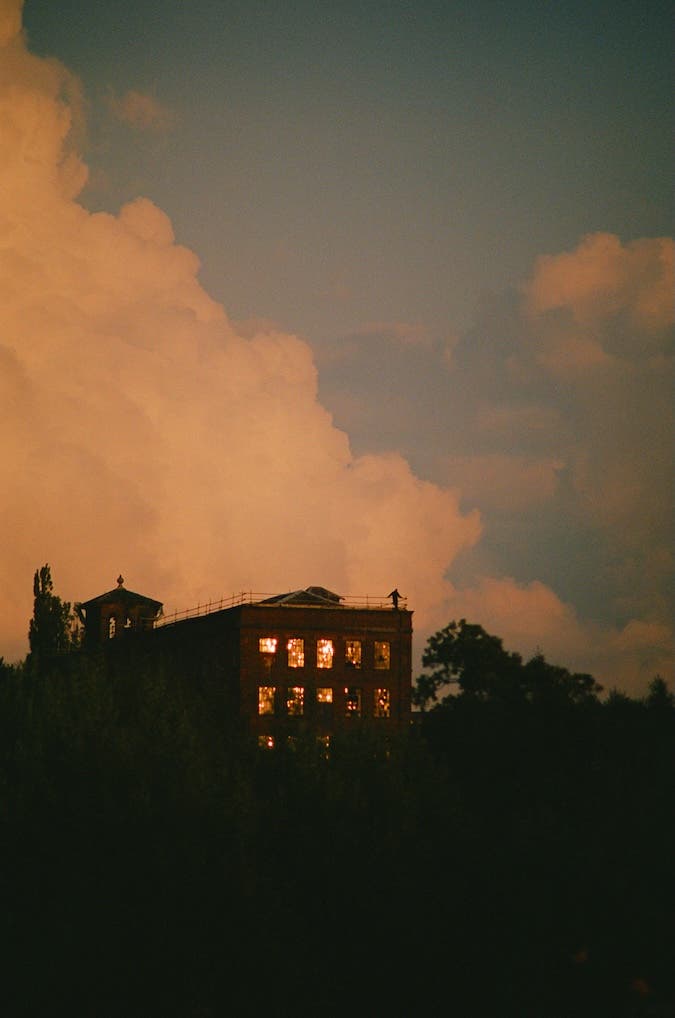
My recent work:
Final Thoughts
Photography can be frustrating and humbling. It can test your patience and your confidence. But if you stay curious, stay honest about where you’re at, and keep shooting, you will improve. Hopefully, some of these photography truths save you a bit of time along the way. Now go out and make something that actually means something to you.