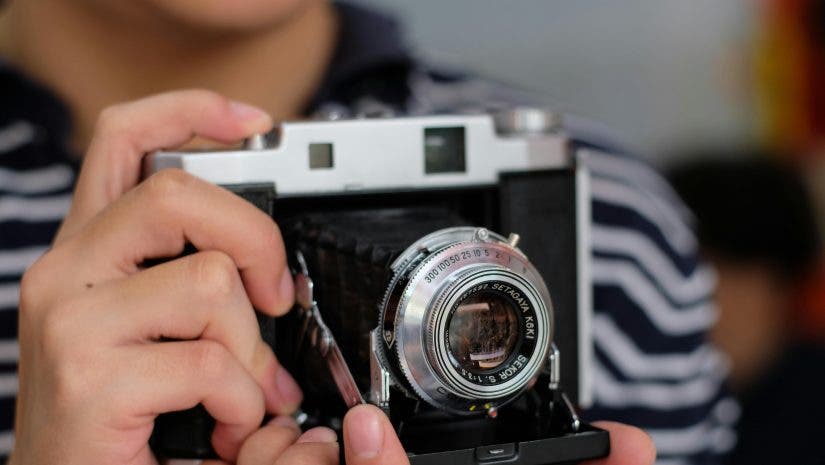
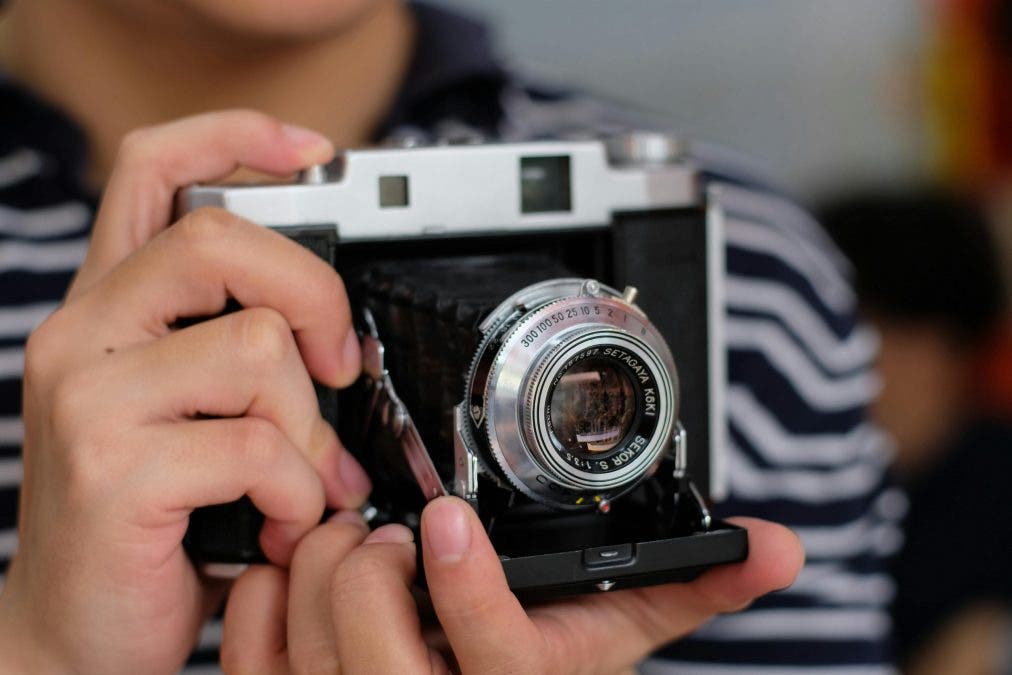
You probably notice a shift happening in how we talk about used camera gear. We aren’t just obsessing over the latest spec sheets anymore. Instead, photographers of all skill levels proudly pull well-loved and pre-owned cameras out of their bags.
The numbers prove this isn’t just a fleeting trend. In 2024, buyers pushed the U.S. second-hand camera market to a massive $1.84 billion. Analysts project that number will skyrocket to $3.1 billion by 2034, and they already list Adorama among the top five players making this happen.
Why exactly do we see this massive shift? Let’s break down the reasons photographers actively choose used gear over brand-new boxes.
The economy is reshaping buying habits
Manufacturers keep raising the prices of new cameras and lenses. This upward climb pushes buyers straight toward the used market. You don’t just see budget-conscious beginners making this move. Even seasoned professionals buy used to access high-performance equipment for a fraction of the retail cost.
Let’s look at the math. Back in 2010, the average camera buyer spent $2,400 on their first body. By 2024, that same customer shells out $3,200. Inflation only accounts for $600 of that jump. Manufacturers deliberately chose to maintain higher profit margins for the rest of that price increase.
Meanwhile, students and learners dominate the second-hand space, claiming a massive 61% market share. They need affordable ways to learn practical skills, and the used market delivers exactly that.
Technology has plateaued (and TBH, that’s good news)
We need to admit something: today’s “old” gear performs incredibly well. Many experts argue that digital camera design hit a peak back in 2016. Since then, we rarely see meaningful gains in actual image quality. Instead of falling for marketing language, modern photographers focus on real photographs.
One professional who switched back to DSLRs after a decade of shooting mirrorless put it bluntly: “Twenty-four megapixels are enough for me. They’ve been enough for years. Everything beyond that, for most photographers, is marketing.” By 2025, experimental features like AI-driven autofocus, subject recognition, and advanced computational photography became standard across mid-range bodies. We saw a market consolidation, not a revolution. Furthermore, the massive industry shift from DSLR to mirrorless systems flooded the secondhand market. Photographers constantly trade in high-quality used DSLR bodies, creating a steady, affordable supply of incredible cameras for everyone else.
The nostalgia factor
Emotion strongly drives this market shift. Film and vintage cameras enjoy a massive revival, and Gen Z leads the charge.
In 2024, Kodak saw its film stock sales surge by 20%. Online, the r/analog community on Reddit swelled to 1.5 million members, while TikTok users generated billions of views on film-related hashtags. This proves we are watching a lasting cultural movement, not a passing fad.
Kodak’s own research reveals why: Gen Z craves the nostalgia, tangibility, and unfiltered nature of analog photography. Professional artists and photojournalists also heavily incorporate film back into their workflows. As artificial intelligence touches almost every digital photo we see, film offers a refreshing antidote. You get what you see. You hold a tangible medium that nobody can fake.
Consequently, prices for popular 35mm SLRs shot up an average of 180% between 2020 and 2024. Sought-after point-and-shoot cameras saw an even wilder appreciation of up to 400%.
The rise of “good enough” and the cameras people actually carry
Photographers now prioritize how a camera feels over its raw technical capabilities. Look at the Fujifilm X100VI. Buyers backordered this fixed-lens compact camera for months and happily paid above MSRP. Similarly, the Nikon Zf maintains incredibly strong pricing, even though it shares a sensor with other heavily discounted Nikon bodies. As industry observers point out, design and user experience absolutely outsell specs.
A fascinating trend is emerging: people who don’t consider themselves traditional photographers buy these cameras. They want a dedicated device that acts as the exact opposite of a multitasking smartphone. They want something that just takes pictures and nothing else. This desire for pure, tactile usability ties perfectly into the appeal of used camera gear.
What to look for when buying used
You might feel nervous about buying pre-owned equipment, but certified pre-owned (CPO) programs completely eliminate the guesswork. These programs give you absolute confidence through standardized condition grading and solid warranties.
When you skip the unpredictable peer-to-peer marketplaces and shop with a trusted retailer like Adorama, you gain several key advantages:
- Standardized Grading: Our experts thoroughly inspect and rate every single piece of used camera gear, so you know exactly what you are buying.
- Trusted Protection: We protect your investment with a clear return policy and comprehensive warranties.
- Seamless Upgrades: Adorama’s trade-in program lets you easily swap your older gear for cash or credit toward the exact setup you need.
The smartest gear decision might already exist
A tough economy, a deep craving for nostalgia, and a realization that older tech remains “good enough” all point toward the pre-owned market. The smartest gear decision you make this year might involve a camera that already exists.
Whether you want to shoot a vintage film body, grab a highly capable used mirrorless, or rely on a classic DSLR that still delivers stunning results, Adorama provides the ideal place to explore. Dive into our used inventory today and find the perfect tool to help you shoot more while spending less.