Negative space is a widely practiced concept in photography, as well as in other forms and fields of art. When done properly, it can transform your compositions and help you produce breathtaking images with very minimal effort.
While we see photos with negative space every day, it can still be difficult for many to understand and utilize in their photography. But with some practice, you can incorporate this photography style in your craft and use it to your advantage in telling a story with beautifully composed images.
What is negative space in photography?

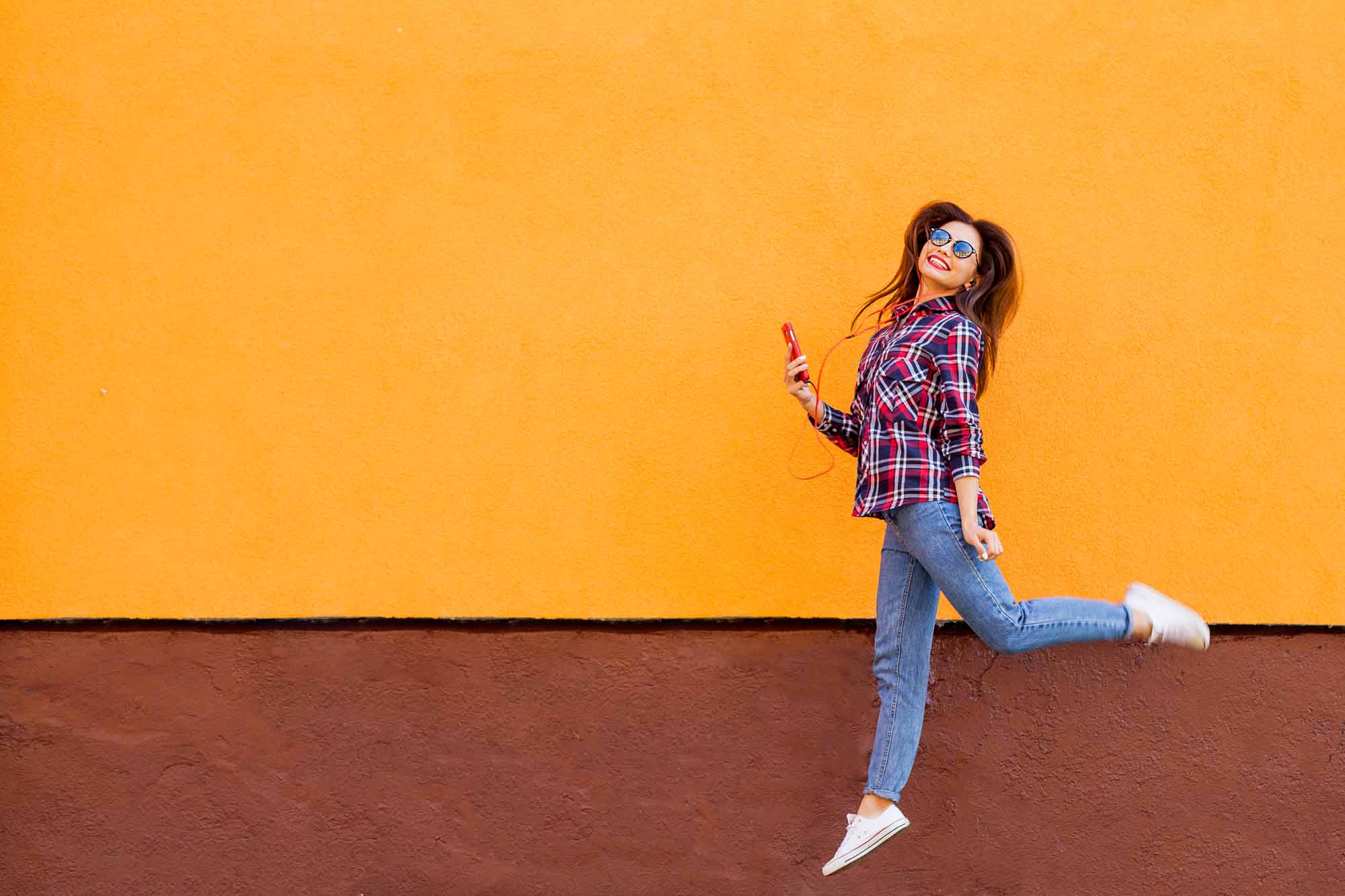
The main subject in your photo is the “positive space”; the entire area between or surrounding that subject is referred to as the “negative space.”
Negative spaces are typically just that—a blank space, such as the sky, a body of water, or any uninteresting elements that take up a huge chunk of the entire image. Sometimes it’s called “breathing space,” especially when your subject is a person or living thing.
Take the photo above. The subject is obviously the speedboat in the middle of the photo, and the negative space is the surrounding area of stunning blue water. While the photo is seemingly simple, it draws the eye to the subject with its attractive colors and compositional balance.
Thoughtfully including negative spaces in your photos and allowing your viewers to focus on it more than they normally would give you some of the strongest photos and compositions. To learn more about how negative spaces can improve your photos, check out our tips and watch the video below.
Using Negative Spaces in Photography

Photographing images with negative spaces is fairly easy, but it still takes practice. If you’re already used to following the Rule of Thirds, where your subject is usually placed off-center, you’ve already been doing it more than you think. The next steps are to consciously make a few changes and try out these tips the next time you wish to photograph images with negative spaces.
Consider other elements in the scene
When taking snapshots, photographers often don’t mind the background and subject placement all that much. However, when photographing images with negative spaces, you’ll have to consider other elements in the scene in order to figure out how your entire image should play out. This means you’ll get to mind your background or negative space more and how you will project it onto your image rather than just focusing on your subject.
Observe balance between spaces
Negative spaces generally take up more space than to your positive space, but there are ways that you can overdo it. Depending on your subject, background, composition, and/or story, you should still consider just how much negative space is “enough.”
A good rule of thumb is to make sure that your subject and the negative space don’t compete with each other in terms of visual weight so that you are able to achieve photographic balance.
Experiment with different compositions
As you may have already noticed, there’s no one way to capture photos with negative spaces. But if you’re going to listen to the pros, their best advice is to try out different compositions and understand how different subject placements, zooming in and out, going for different angles, having contrasting elements and backgrounds, and even cropping old photos during post-processing can change (and hopefully improve) your photos. With enough practice, you’re bound to discover which styles work best for telling your story.
Add a dramatic touch
Once you’ve gotten the hang of composing striking images with negative spaces, you may want to add a little bit of drama or some effects in your shots.
Some photographers (such as Doug McKinlay in the video below) opt to use lens accessories, such as a neutral density filter to make moving bodies of water look frothy or glassy, thus adding a slightly surreal appearance to it. Others like using graduated or polarizing filters to decrease the dynamic range in an otherwise overexposed landscape image.
By all means, improve other aspects of the image, such as exposure balance and sharpness, and add dramatic elements that will work with your composition. Viewers may not realize it at first but little improvements in your photos will help them stand out among others.
Keep it simple
With all the photographic possibilities for this compositional style, one thing remains constant: less is more. While some compositions work best with many different elements in them, having very few elements can turn an average photo into an outstanding, gallery-quality image. Negative space photography gives you the opportunity to capture visual beauty, even with just one subject and complementary negative space.