Cameras for Wildlife Photography Beginners
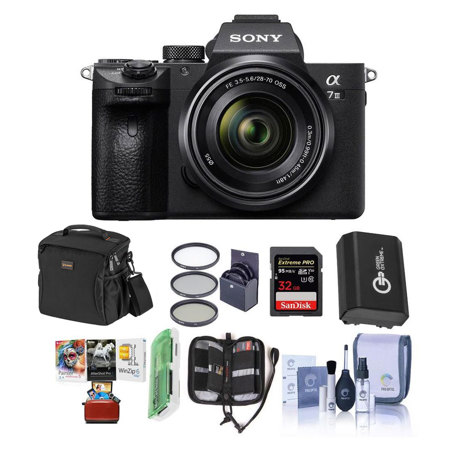
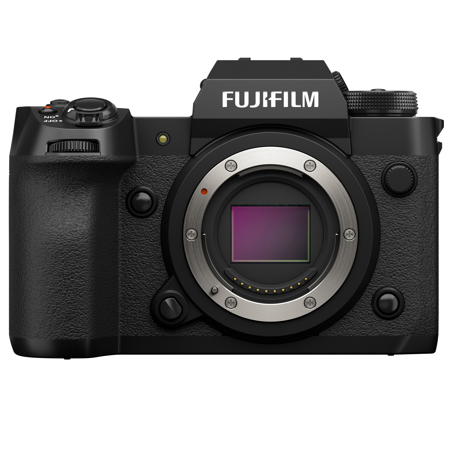
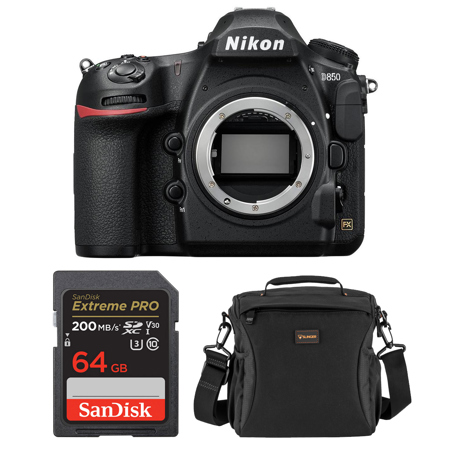
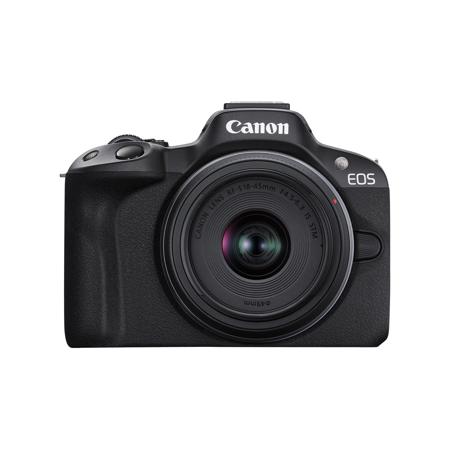
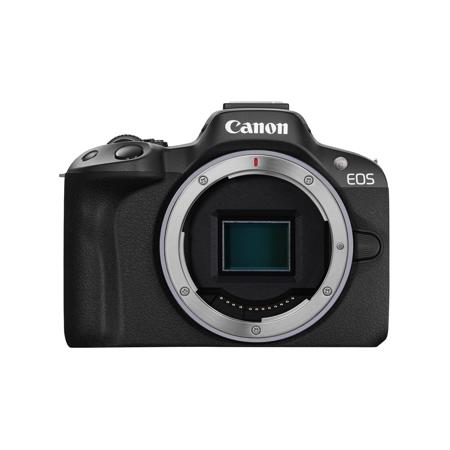
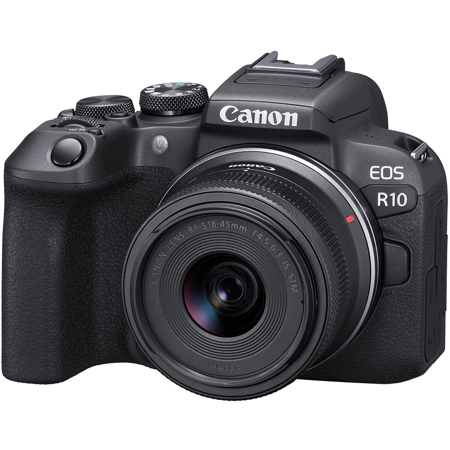
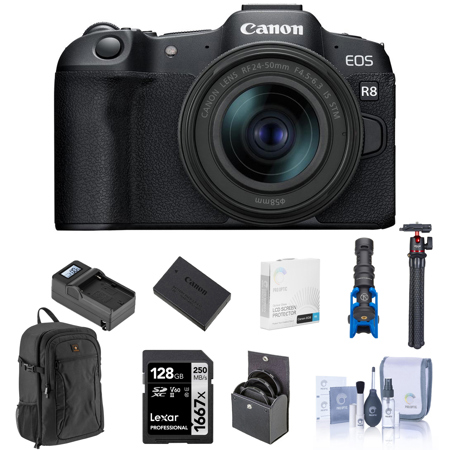
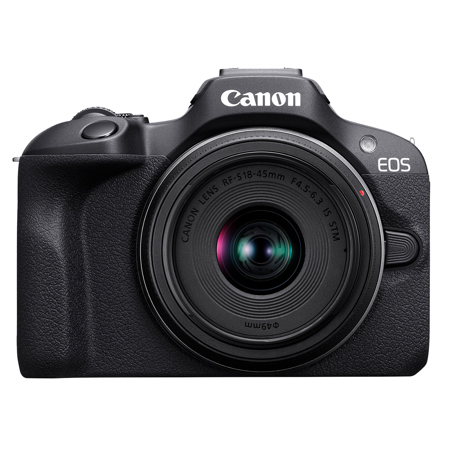
Embarking on wildlife photography as a beginner is an exciting journey that opens up a world of discovery, patience, and creativity. Whether you're venturing into the local park to photograph songbirds as the days grow longer, or capturing deer in the golden light of early autumn, choosing the right camera is the foundation for turning fleeting moments in nature into lasting memories. For those just starting out, entry-level cameras designed for wildlife photography often strike a balance between user-friendly features and the advanced capabilities needed to capture fast-moving subjects. Key considerations include a responsive autofocus system that can track animals in motion, a high frame-per-second burst rate to freeze action at just the right moment, and a sensor that provides enough reach to bring distant wildlife closer without sacrificing image quality. Many beginners gravitate toward cameras with APS-C or DX-format sensors, which effectively extend the zoom range of your lenses, making it easier to frame elusive creatures from a safe and respectful distance. This is especially valuable when photographing skittish birds or mammals that might not allow for a close approach.
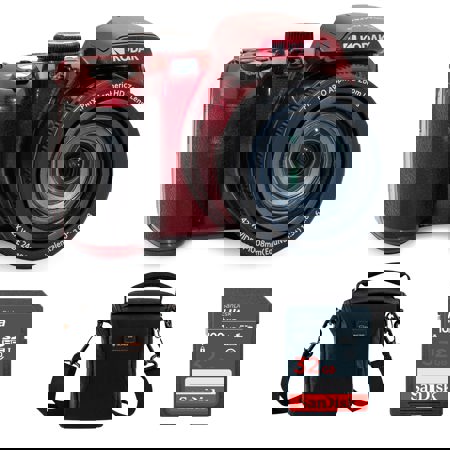
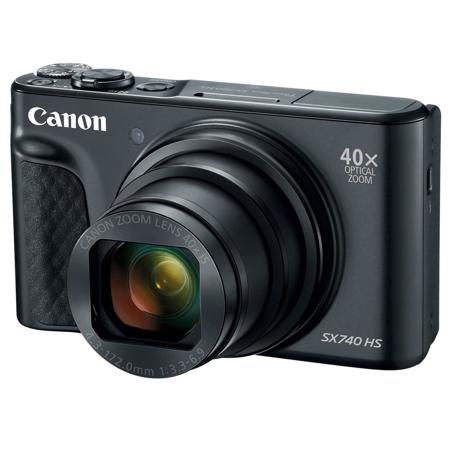
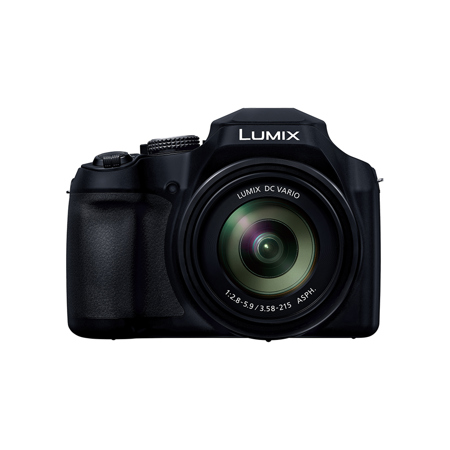
The appeal of wildlife photography extends to a wide range of enthusiasts—from students and nature lovers seeking a new hobby, to parents looking for an engaging activity to share with their families during weekends or school breaks. These cameras also make thoughtful gifts for anyone with a passion for the outdoors, offering a way to document hikes, camping trips, or spontaneous encounters with wildlife as the landscape shifts from the lush greenery of summer to the rich hues of fall. Beginners will appreciate intuitive controls, helpful guide modes, and lightweight designs that make it easy to carry gear over longer distances or through uneven terrain. As you develop your skills, features like animal eye detection and subject-tracking autofocus can help ensure sharp, compelling images, even when your subject darts through the underbrush or takes flight unexpectedly. For those interested in exploring even more versatility, bridge cameras are a popular option, combining extended zoom ranges with compact bodies—learn more about these choices on our dedicated Bridge Cameras for Wildlife Photography page.
Investing in a camera for beginner wildlife photography is not just about the technical specifications, but also about finding a tool that inspires you to get outdoors and observe the natural world. As the seasons transition and wildlife activity peaks—whether it’s migratory birds passing through or local animals preparing for winter—having the right camera at hand encourages you to slow down, watch carefully, and capture the subtle interactions that make each outing unique. The right equipment empowers you to experiment with framing, lighting, and timing, helping you build confidence and skill with every shot. For those gifting a camera to a budding photographer, you’re offering more than just a device; you’re supporting a journey of exploration and creativity that can last a lifetime. With so many thoughtfully designed cameras available for beginners, it’s easier than ever to start documenting the beauty and drama of wildlife, one frame at a time.
The appeal of wildlife photography extends to a wide range of enthusiasts—from students and nature lovers seeking a new hobby, to parents looking for an engaging activity to share with their families during weekends or school breaks. These cameras also make thoughtful gifts for anyone with a passion for the outdoors, offering a way to document hikes, camping trips, or spontaneous encounters with wildlife as the landscape shifts from the lush greenery of summer to the rich hues of fall. Beginners will appreciate intuitive controls, helpful guide modes, and lightweight designs that make it easy to carry gear over longer distances or through uneven terrain. As you develop your skills, features like animal eye detection and subject-tracking autofocus can help ensure sharp, compelling images, even when your subject darts through the underbrush or takes flight unexpectedly. For those interested in exploring even more versatility, bridge cameras are a popular option, combining extended zoom ranges with compact bodies—learn more about these choices on our dedicated Bridge Cameras for Wildlife Photography page.
Investing in a camera for beginner wildlife photography is not just about the technical specifications, but also about finding a tool that inspires you to get outdoors and observe the natural world. As the seasons transition and wildlife activity peaks—whether it’s migratory birds passing through or local animals preparing for winter—having the right camera at hand encourages you to slow down, watch carefully, and capture the subtle interactions that make each outing unique. The right equipment empowers you to experiment with framing, lighting, and timing, helping you build confidence and skill with every shot. For those gifting a camera to a budding photographer, you’re offering more than just a device; you’re supporting a journey of exploration and creativity that can last a lifetime. With so many thoughtfully designed cameras available for beginners, it’s easier than ever to start documenting the beauty and drama of wildlife, one frame at a time.