
Channel Strips
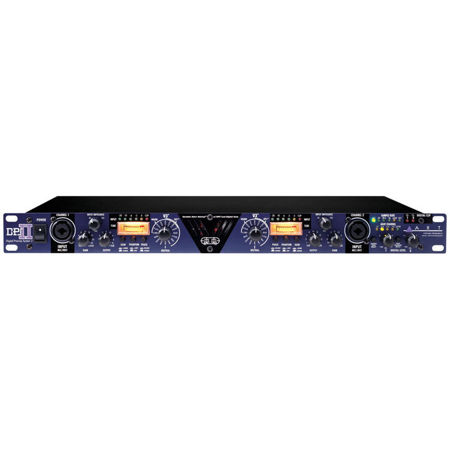
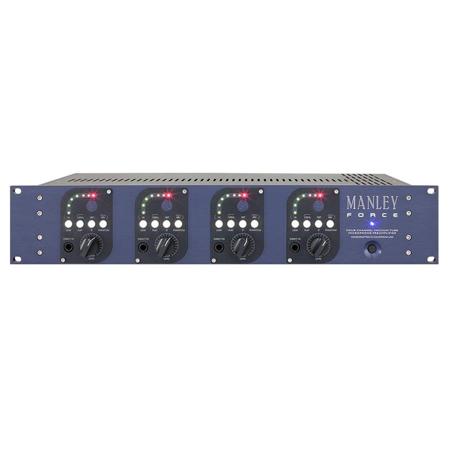
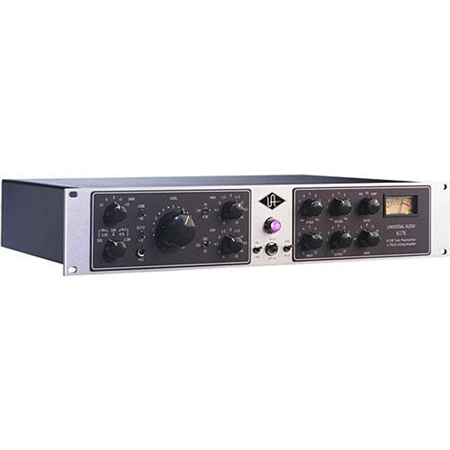
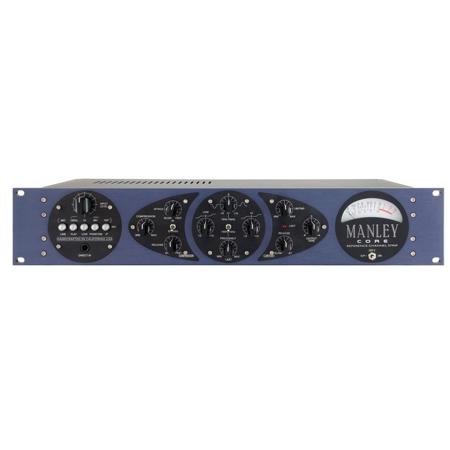
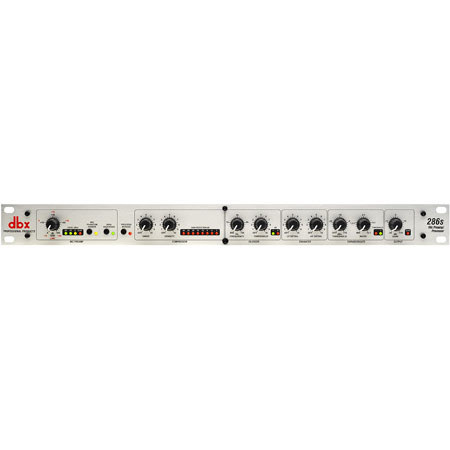
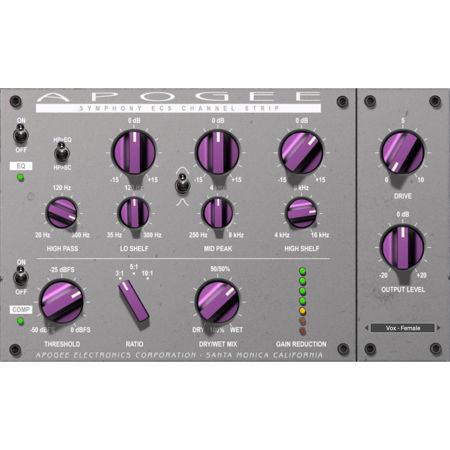
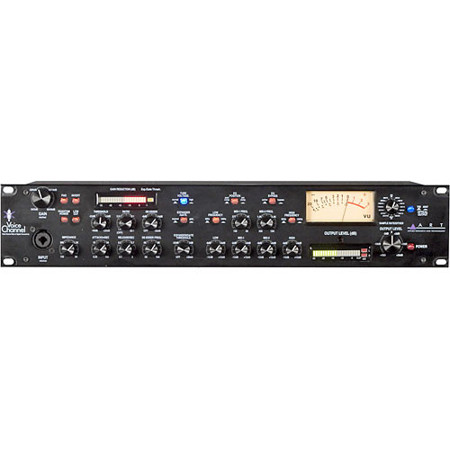
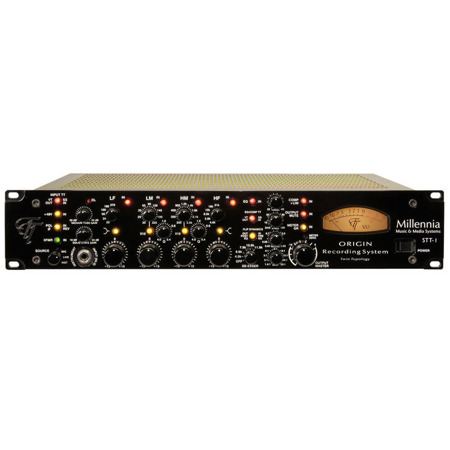
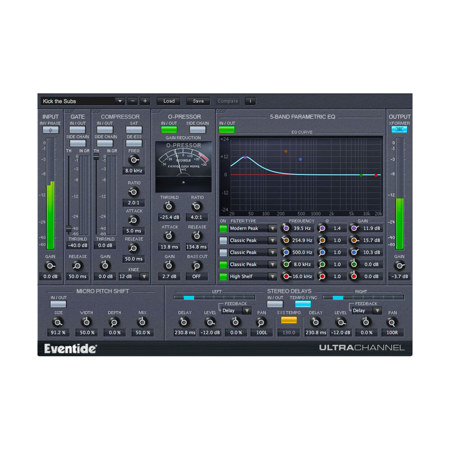
In the world of audio production, the channel strip stands as an essential tool for musicians, engineers, podcasters, and content creators looking to elevate their sound with professional polish. Originally, the term referred to the vertical modules found on large-format mixing consoles—those iconic rows of knobs and faders that shaped the sound of countless classic records. Today, channel strips are available as both hardware units and digital plugins, making their signature workflow accessible to studios of every size. At their core, channel strips offer a streamlined signal path that typically includes input gain, high-pass and low-pass filters, dynamic processors like gates and compressors, equalization, and an output fader. This logical order allows users to sculpt, control, and enhance audio tracks in real time, whether capturing a pristine vocal take in the studio, refining a podcast episode, or mixing a live performance. For those who appreciate the tactile feel of analog gear, hardware channel strips provide not only sonic warmth and character but also hands-on control, making them a favorite among seasoned engineers and recording enthusiasts alike. Meanwhile, software channel strips emulate the tonal qualities of legendary analog consoles, offering convenience and flexibility with the added benefit of instant recall and lower CPU usage.
Selecting the right channel strip involves considering several factors, from the type of audio you’re working with to the environment in which you’ll be using it. For vocalists, a channel strip with a transparent preamp and musical EQ can bring out clarity and presence, while producers tracking drums or guitars might prioritize robust compression and flexible filtering options. Home studio owners often gravitate toward versatile all-in-one units or plugins that provide a full suite of processing tools without taking up valuable desk space. Those working in professional or broadcast environments may opt for dedicated hardware to ensure reliable, repeatable results during long sessions. Channel strips also make thoughtful gifts for aspiring audio engineers, musicians setting up their first home studio, or podcasters aiming for broadcast-quality sound. As the weather warms and creative projects move between indoor studios and outdoor events, a portable channel strip can be the key to maintaining consistent, high-quality audio wherever inspiration strikes. Integrating a channel strip into your workflow not only speeds up the mixing process but also encourages you to trust your ears, focusing on the sound rather than the visuals—a practice that many professionals credit for their signature mixes.
Beyond the channel strip itself, optimizing your signal flow sometimes requires additional tools, especially when connecting different types of gear or expanding your setup. For example, if you’re integrating vintage hardware, digital interfaces, or multiple audio sources, you may need specialized equipment to ensure seamless communication between devices. In these cases, exploring options like Channel Converters can help you bridge the gap between analog and digital formats or manage complex routing in multi-room setups. Whether you’re building a compact home studio, upgrading a professional workspace, or searching for the perfect gift for a creative friend, understanding the role of the channel strip and its place in the larger audio ecosystem is key to achieving the sound you envision. From the first spark of inspiration to the final mix, a well-chosen channel strip can make every step of the creative process smoother, more intuitive, and ultimately more rewarding.
Selecting the right channel strip involves considering several factors, from the type of audio you’re working with to the environment in which you’ll be using it. For vocalists, a channel strip with a transparent preamp and musical EQ can bring out clarity and presence, while producers tracking drums or guitars might prioritize robust compression and flexible filtering options. Home studio owners often gravitate toward versatile all-in-one units or plugins that provide a full suite of processing tools without taking up valuable desk space. Those working in professional or broadcast environments may opt for dedicated hardware to ensure reliable, repeatable results during long sessions. Channel strips also make thoughtful gifts for aspiring audio engineers, musicians setting up their first home studio, or podcasters aiming for broadcast-quality sound. As the weather warms and creative projects move between indoor studios and outdoor events, a portable channel strip can be the key to maintaining consistent, high-quality audio wherever inspiration strikes. Integrating a channel strip into your workflow not only speeds up the mixing process but also encourages you to trust your ears, focusing on the sound rather than the visuals—a practice that many professionals credit for their signature mixes.
Beyond the channel strip itself, optimizing your signal flow sometimes requires additional tools, especially when connecting different types of gear or expanding your setup. For example, if you’re integrating vintage hardware, digital interfaces, or multiple audio sources, you may need specialized equipment to ensure seamless communication between devices. In these cases, exploring options like Channel Converters can help you bridge the gap between analog and digital formats or manage complex routing in multi-room setups. Whether you’re building a compact home studio, upgrading a professional workspace, or searching for the perfect gift for a creative friend, understanding the role of the channel strip and its place in the larger audio ecosystem is key to achieving the sound you envision. From the first spark of inspiration to the final mix, a well-chosen channel strip can make every step of the creative process smoother, more intuitive, and ultimately more rewarding.