Conference Room Technology
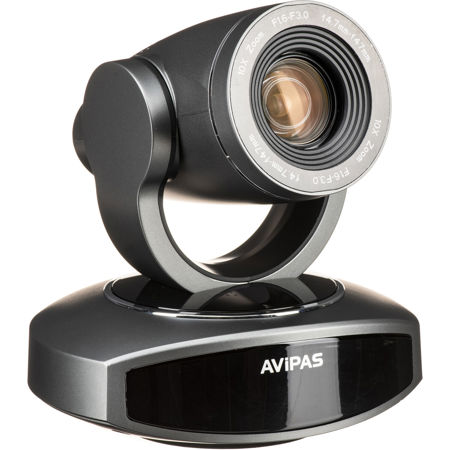
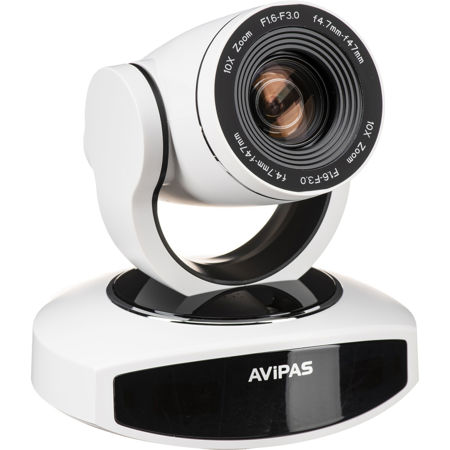
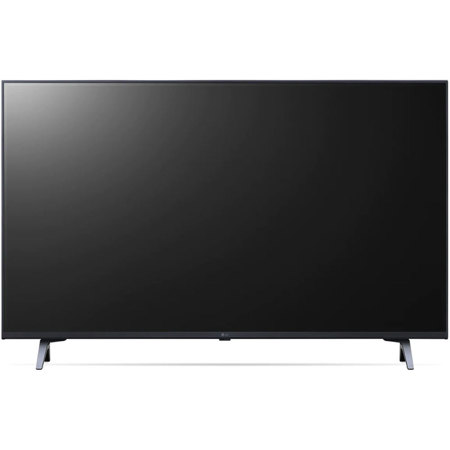
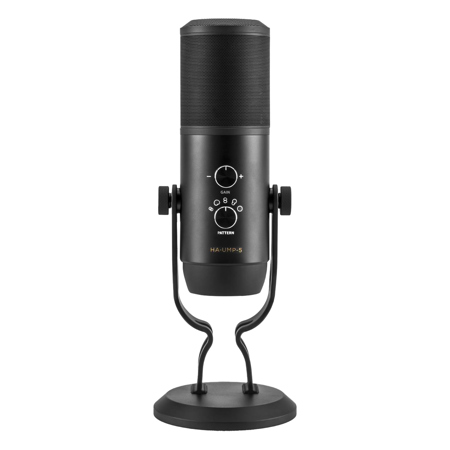
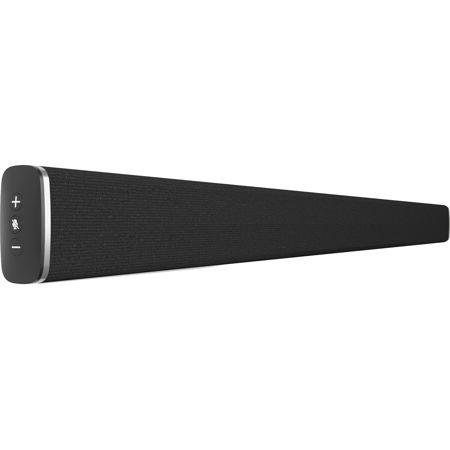
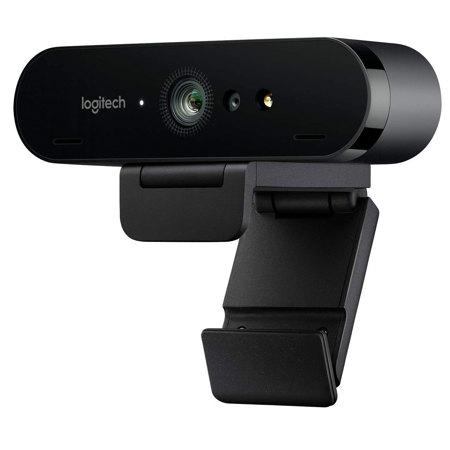
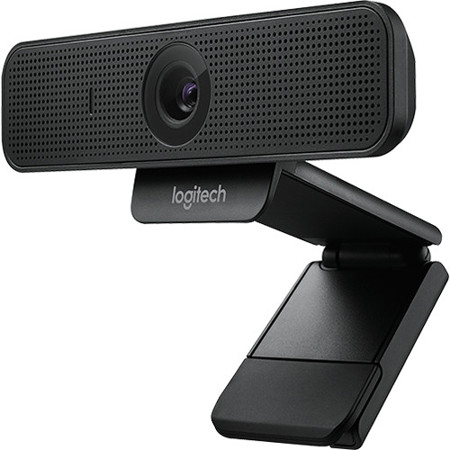
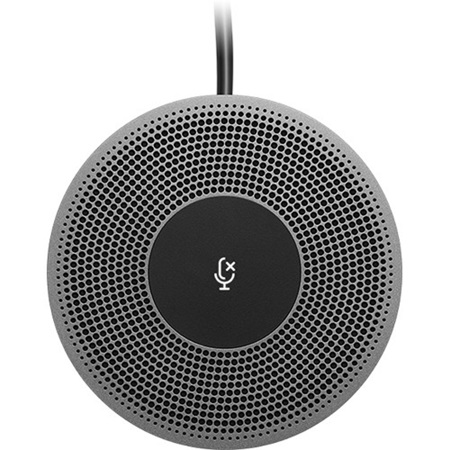
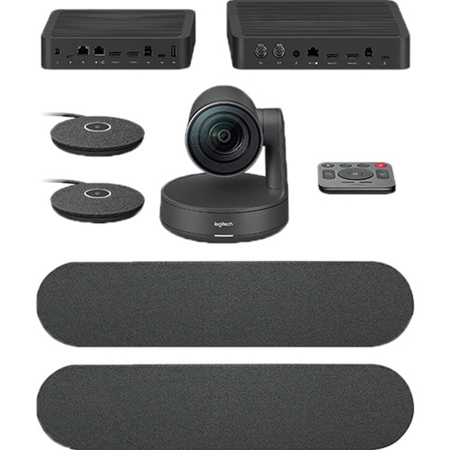
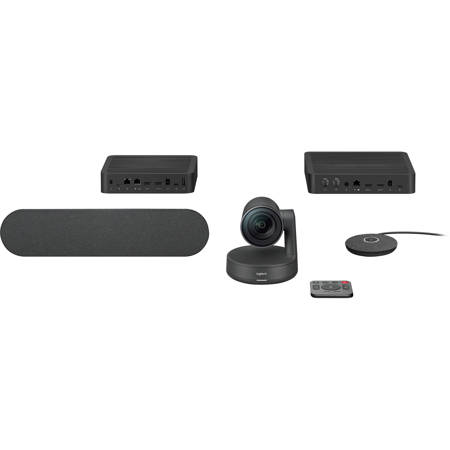
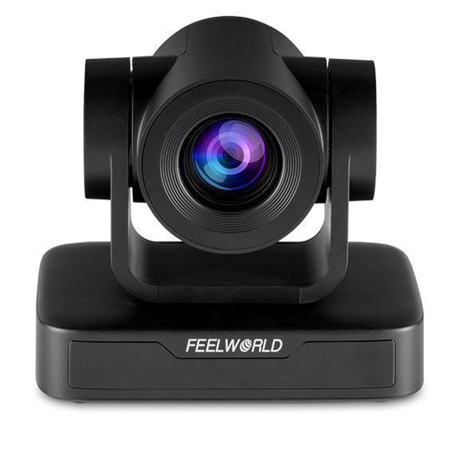
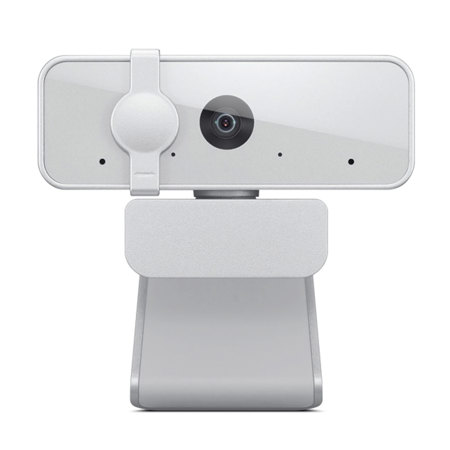
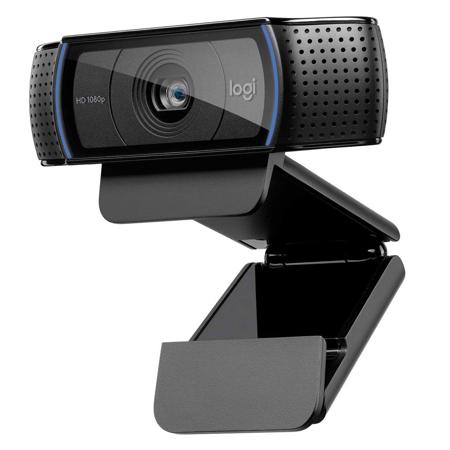
Equipping a modern conference room goes far beyond simply arranging a table and chairs. Today’s workplaces demand seamless integration of hardware and software to support hybrid teams, foster collaboration, and ensure every meeting runs smoothly—whether participants are in the room or joining remotely. As winter sets in and the pace of business planning for the year accelerates, organizations often find themselves re-evaluating their meeting spaces to accommodate new forms of communication and teamwork. High-resolution displays, interactive smart boards, and advanced video conferencing systems have become essential tools for sharing content, brainstorming ideas, and keeping everyone engaged, no matter where they are. The shift toward hybrid work has made reliable audio and video quality more critical than ever; ceiling microphones, soundbars, and PTZ cameras provide clear sound and crisp visuals, ensuring that every voice is heard and every detail is seen. For those managing multiple meeting spaces or supporting a distributed workforce, smart room management solutions—complete with occupancy sensors and automated scheduling—streamline logistics and eliminate friction from the booking process.
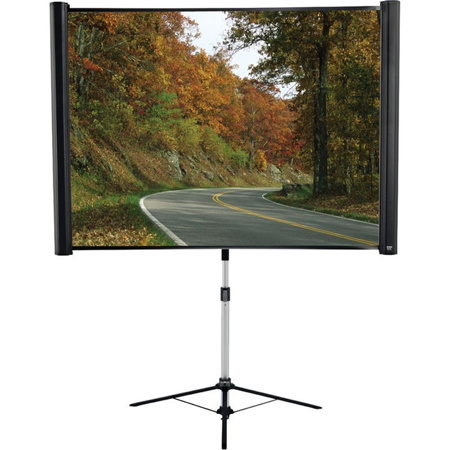
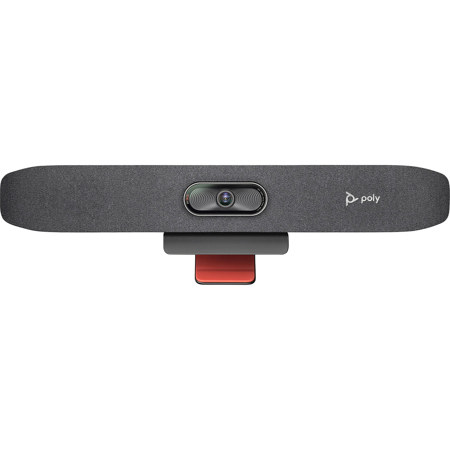
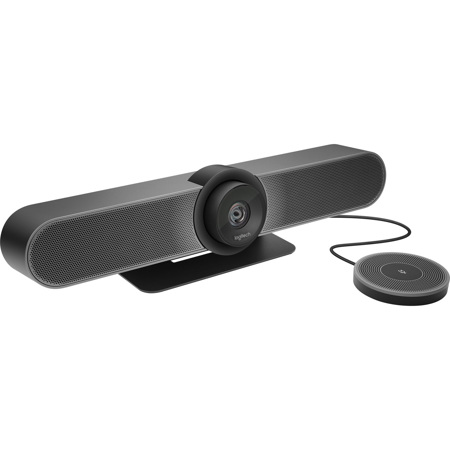
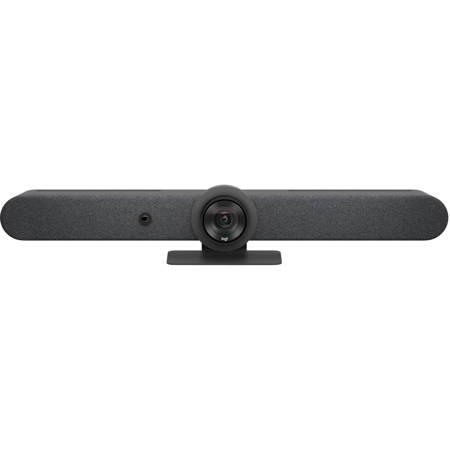
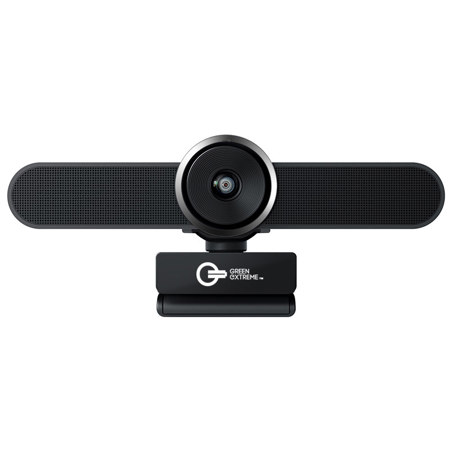
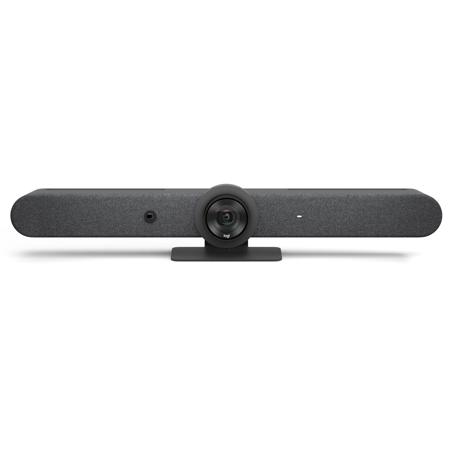
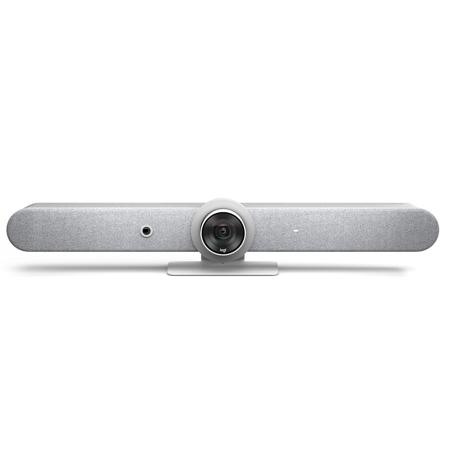
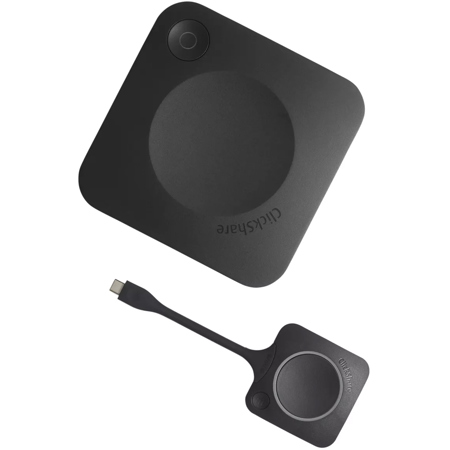
Selecting the right conference room technology involves careful consideration of your team’s unique needs and the physical characteristics of the space. Small huddle rooms might benefit from all-in-one video bars that combine cameras, microphones, and speakers in a single, easy-to-install unit, while larger boardrooms may require dedicated audio systems and multiple displays for immersive presentations. Wireless connectivity and presentation systems make it simple for anyone to share content from their laptop, tablet, or phone, eliminating the scramble for cables and adapters at the start of a meeting. AI-powered tools, such as real-time transcription and automated meeting summaries, help capture key insights and action items, allowing participants to stay focused on the discussion rather than taking notes. Digital whiteboards and interactive displays have transformed the way teams brainstorm and annotate ideas—notes and sketches can be saved, shared, and revisited long after the meeting ends, supporting ongoing collaboration. For organizations that frequently host client meetings, design reviews, or training sessions, augmented and virtual reality solutions can create immersive experiences that bridge the gap between in-person and remote participation. And for those looking to upgrade their visual presentation capabilities, our curated selection of Conference Room Projectors offers options tailored to every room size and lighting condition.
Conference room technology isn’t just for large corporations or IT professionals—educators, nonprofit leaders, creative agencies, and even small business owners can benefit from the right tools to connect, communicate, and innovate. These products also make thoughtful gifts for entrepreneurs launching a new venture or for anyone looking to modernize their workspace and boost productivity. Whether you’re outfitting a new office, refreshing an existing meeting room, or searching for solutions to support remote collaboration during the colder months, investing in high-quality conference room technology can transform the way your team works together. From the clarity of high-definition displays to the convenience of smart scheduling software, every detail matters in creating an environment where ideas flow freely and everyone feels included. With the right mix of hardware and software, your conference room becomes more than just a meeting space—it becomes a hub for creativity, connection, and progress.
Selecting the right conference room technology involves careful consideration of your team’s unique needs and the physical characteristics of the space. Small huddle rooms might benefit from all-in-one video bars that combine cameras, microphones, and speakers in a single, easy-to-install unit, while larger boardrooms may require dedicated audio systems and multiple displays for immersive presentations. Wireless connectivity and presentation systems make it simple for anyone to share content from their laptop, tablet, or phone, eliminating the scramble for cables and adapters at the start of a meeting. AI-powered tools, such as real-time transcription and automated meeting summaries, help capture key insights and action items, allowing participants to stay focused on the discussion rather than taking notes. Digital whiteboards and interactive displays have transformed the way teams brainstorm and annotate ideas—notes and sketches can be saved, shared, and revisited long after the meeting ends, supporting ongoing collaboration. For organizations that frequently host client meetings, design reviews, or training sessions, augmented and virtual reality solutions can create immersive experiences that bridge the gap between in-person and remote participation. And for those looking to upgrade their visual presentation capabilities, our curated selection of Conference Room Projectors offers options tailored to every room size and lighting condition.
Conference room technology isn’t just for large corporations or IT professionals—educators, nonprofit leaders, creative agencies, and even small business owners can benefit from the right tools to connect, communicate, and innovate. These products also make thoughtful gifts for entrepreneurs launching a new venture or for anyone looking to modernize their workspace and boost productivity. Whether you’re outfitting a new office, refreshing an existing meeting room, or searching for solutions to support remote collaboration during the colder months, investing in high-quality conference room technology can transform the way your team works together. From the clarity of high-definition displays to the convenience of smart scheduling software, every detail matters in creating an environment where ideas flow freely and everyone feels included. With the right mix of hardware and software, your conference room becomes more than just a meeting space—it becomes a hub for creativity, connection, and progress.