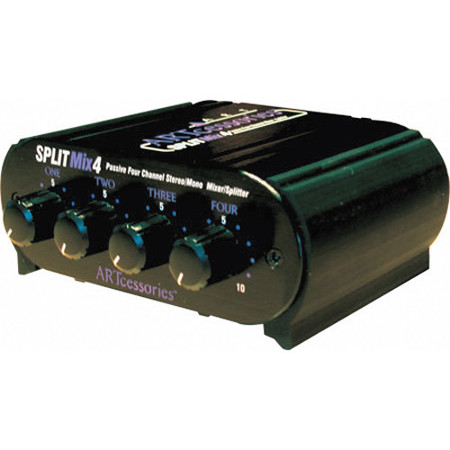
Microphone Splitters
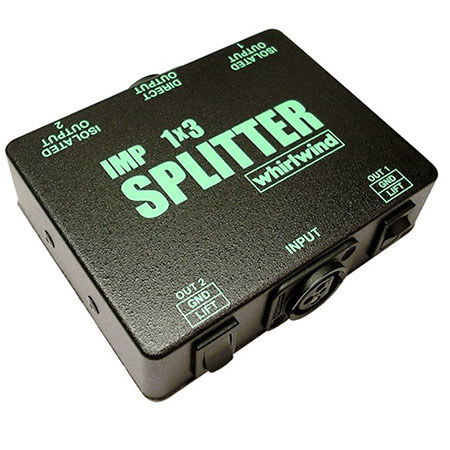
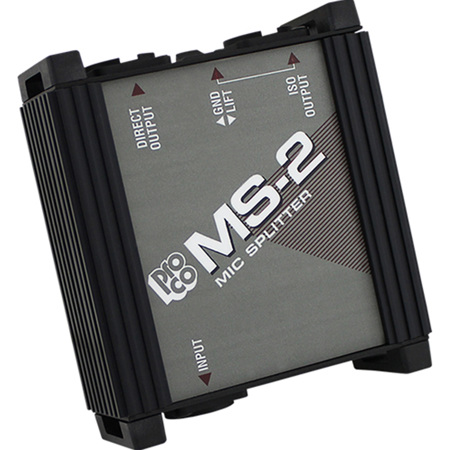
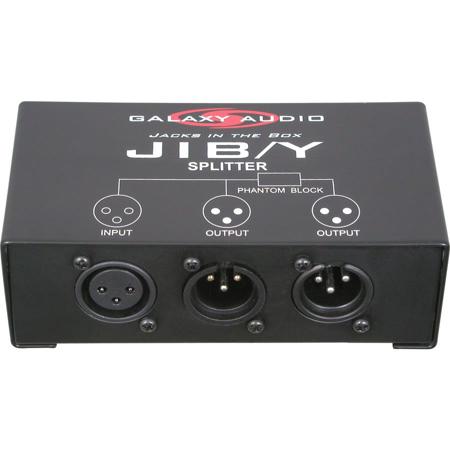
Whether you’re managing a live performance, outfitting a recording studio, or setting up a home podcasting rig, microphone splitters play a pivotal role in routing audio with clarity and precision. These devices are designed to take a single microphone signal and distribute it to multiple destinations—such as front-of-house mixers, monitor consoles, broadcast feeds, or recorders—without compromising signal quality. For sound engineers working summer festivals, open-air concerts, or even cozy indoor gigs as the evenings grow cooler, splitters ensure that each team (from the main sound desk to the backstage monitor mix) receives a clean, isolated feed from the same microphone. Transformer-isolated microphone splitters are especially valued in professional settings for their ability to prevent ground loop hum, reduce interference, and allow phantom power to safely pass through only where needed. This isolation is essential when multiple audio systems are connected, as it helps maintain pristine sound and protects sensitive equipment from electrical issues. Passive Y-cables offer a simple, cost-effective solution for smaller setups, but they lack the isolation and noise protection of transformer-based units—making them better suited for straightforward applications where signal integrity isn’t as critical.
Microphone splitters are indispensable for a wide range of users. Live sound engineers rely on them to send one vocal or instrument mic to both the house PA and the monitor engineer, ensuring performers hear exactly what they need while the audience enjoys the best possible mix. Studio professionals use multi-channel rackmount splitters to feed multiple recording devices or processing units, capturing every nuance of a performance for later mixing or broadcast. Even podcasters and content creators benefit from compact splitters when recording interviews or roundtable discussions, especially if they want to send a single microphone’s signal to both a computer and a backup recorder. For educators, church sound teams, or event organizers, microphone splitters provide flexibility and redundancy, making them a thoughtful gift for anyone passionate about audio—whether they’re gearing up for summer outdoor services or prepping for a busy season of fall performances. And for home users, simple headset or TRRS splitters make it easy to connect microphones and headphones to computers or mobile devices for clear communication during online meetings or gaming sessions. For those interested in exploring more advanced routing options, our selection of Digital Audio Splitters offers even greater flexibility for complex audio setups.
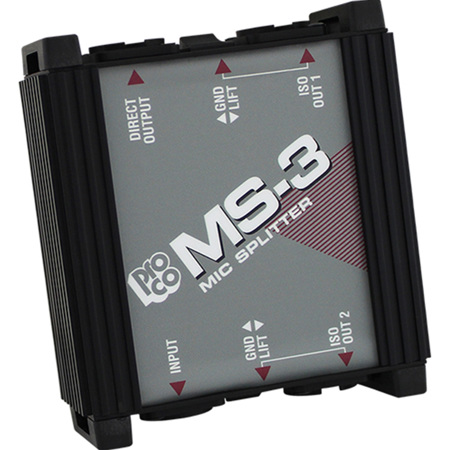
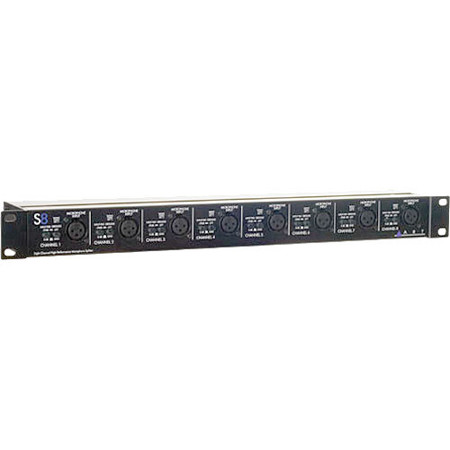
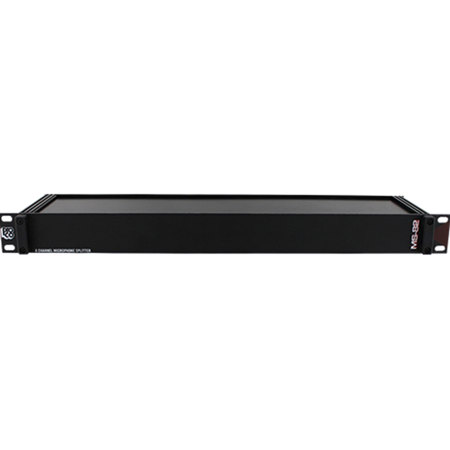
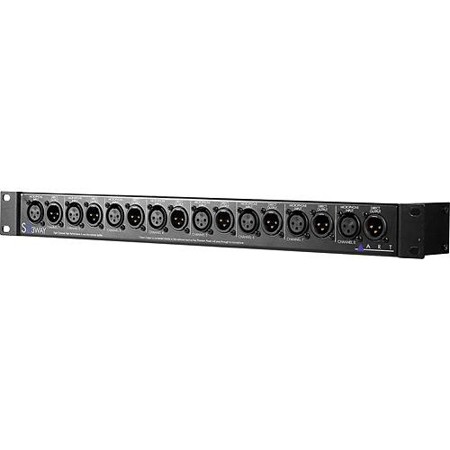
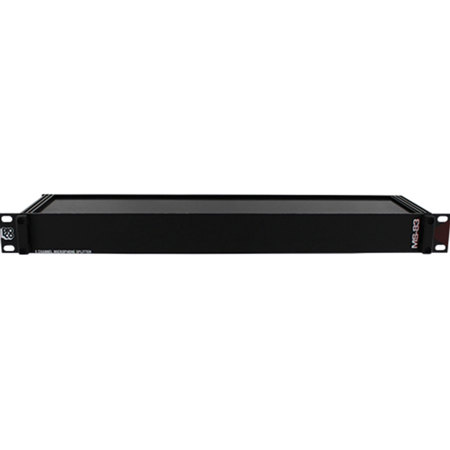
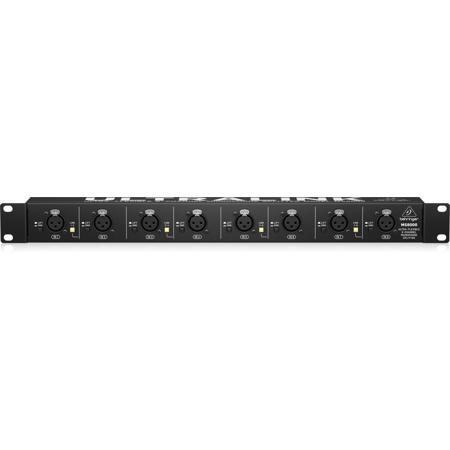
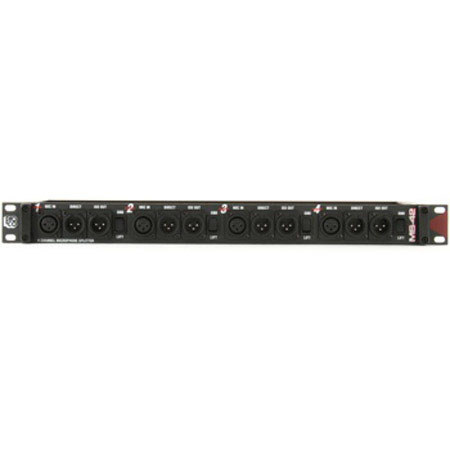
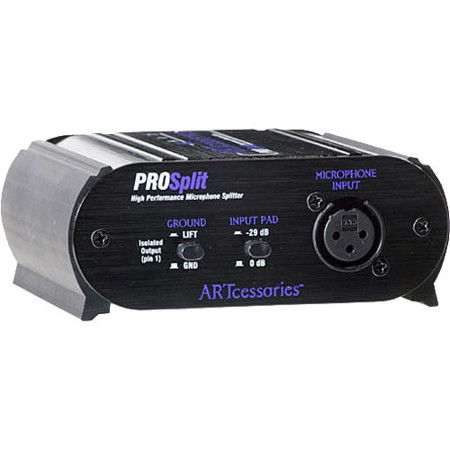
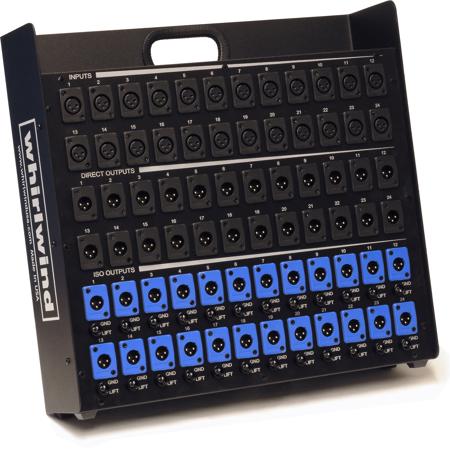
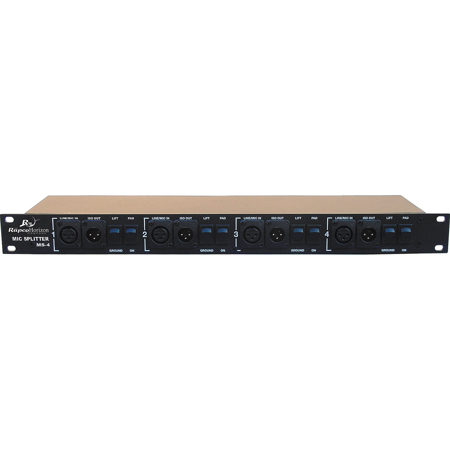
Selecting the right microphone splitter depends on your environment and technical needs. Touring professionals and studio engineers often choose transformer-isolated models for their durability and superior noise rejection, especially when working with long cable runs or multiple mixing consoles. These splitters frequently come in rugged enclosures or multi-channel rackmount formats, making them ideal for demanding, high-traffic setups. For smaller venues, rehearsal spaces, or personal studios, a passive splitter or Y-cable might suffice, offering a lightweight and portable solution for simple signal sharing. As the seasons shift and event calendars fill with everything from outdoor music festivals to intimate indoor gatherings, the versatility of microphone splitters ensures they remain a staple in every audio toolkit. Whether you’re upgrading your own gear or searching for a practical, appreciated gift for the audio enthusiast in your life, investing in a quality microphone splitter is a decision that pays off in reliable, professional sound—no matter where or how you’re making music or capturing voices.
Microphone splitters are indispensable for a wide range of users. Live sound engineers rely on them to send one vocal or instrument mic to both the house PA and the monitor engineer, ensuring performers hear exactly what they need while the audience enjoys the best possible mix. Studio professionals use multi-channel rackmount splitters to feed multiple recording devices or processing units, capturing every nuance of a performance for later mixing or broadcast. Even podcasters and content creators benefit from compact splitters when recording interviews or roundtable discussions, especially if they want to send a single microphone’s signal to both a computer and a backup recorder. For educators, church sound teams, or event organizers, microphone splitters provide flexibility and redundancy, making them a thoughtful gift for anyone passionate about audio—whether they’re gearing up for summer outdoor services or prepping for a busy season of fall performances. And for home users, simple headset or TRRS splitters make it easy to connect microphones and headphones to computers or mobile devices for clear communication during online meetings or gaming sessions. For those interested in exploring more advanced routing options, our selection of Digital Audio Splitters offers even greater flexibility for complex audio setups.
Selecting the right microphone splitter depends on your environment and technical needs. Touring professionals and studio engineers often choose transformer-isolated models for their durability and superior noise rejection, especially when working with long cable runs or multiple mixing consoles. These splitters frequently come in rugged enclosures or multi-channel rackmount formats, making them ideal for demanding, high-traffic setups. For smaller venues, rehearsal spaces, or personal studios, a passive splitter or Y-cable might suffice, offering a lightweight and portable solution for simple signal sharing. As the seasons shift and event calendars fill with everything from outdoor music festivals to intimate indoor gatherings, the versatility of microphone splitters ensures they remain a staple in every audio toolkit. Whether you’re upgrading your own gear or searching for a practical, appreciated gift for the audio enthusiast in your life, investing in a quality microphone splitter is a decision that pays off in reliable, professional sound—no matter where or how you’re making music or capturing voices.