

Monitors For Wildlife Photography
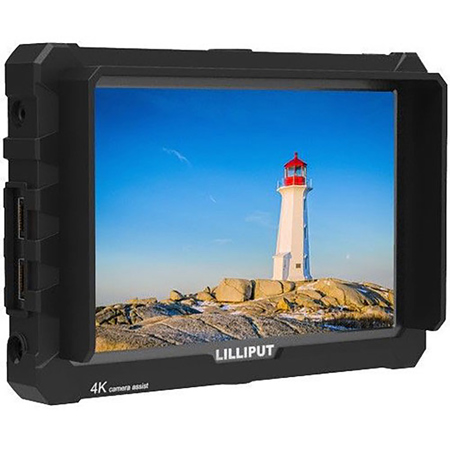
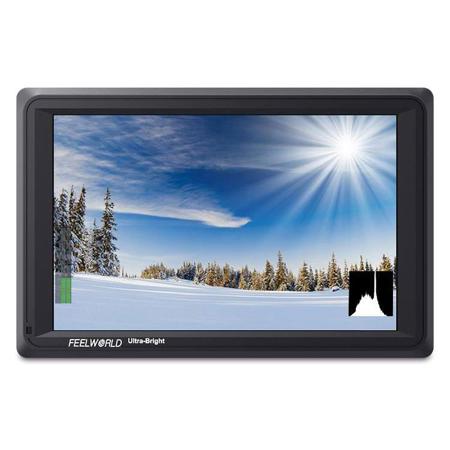
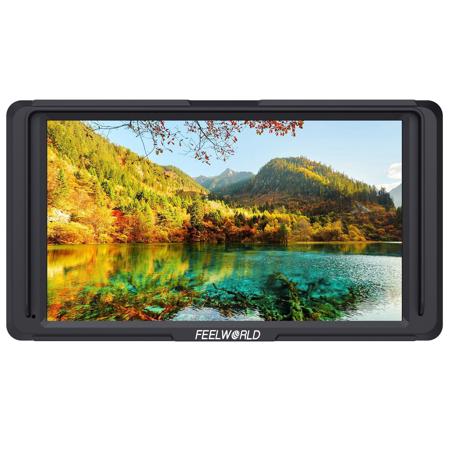
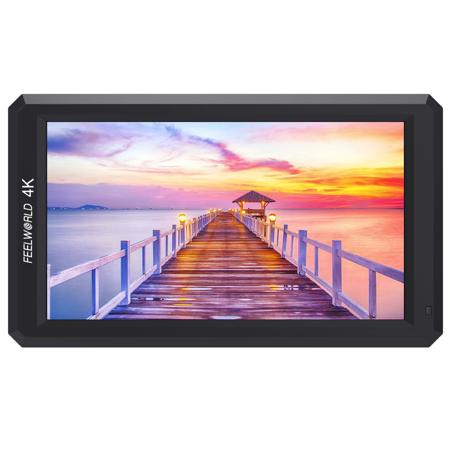
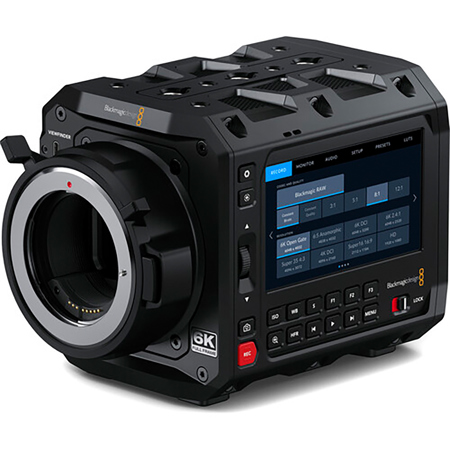
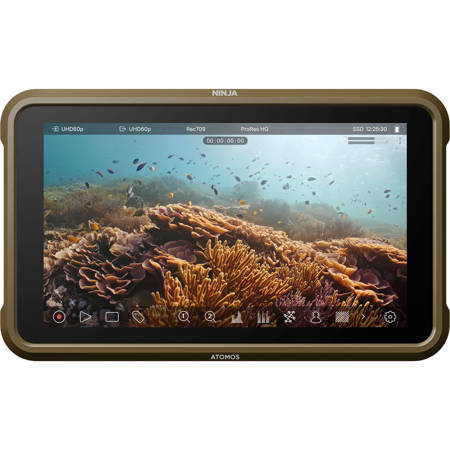
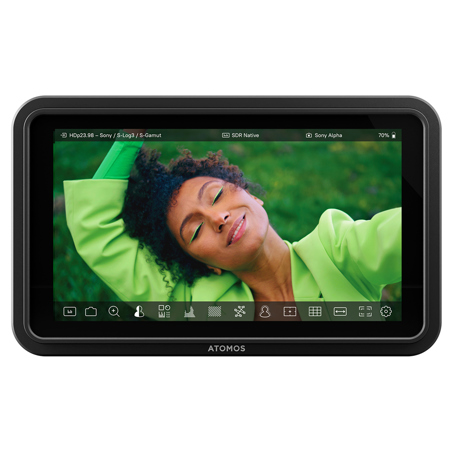
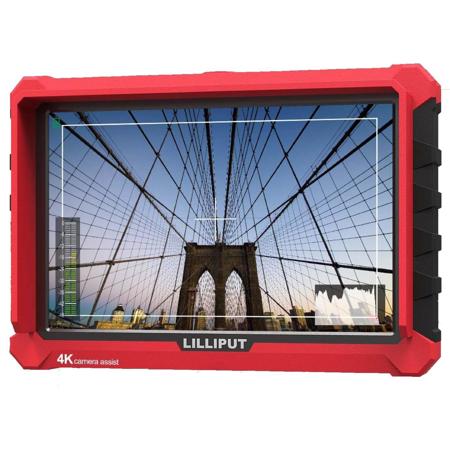
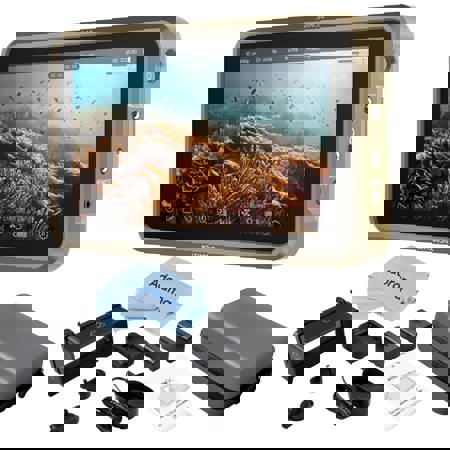
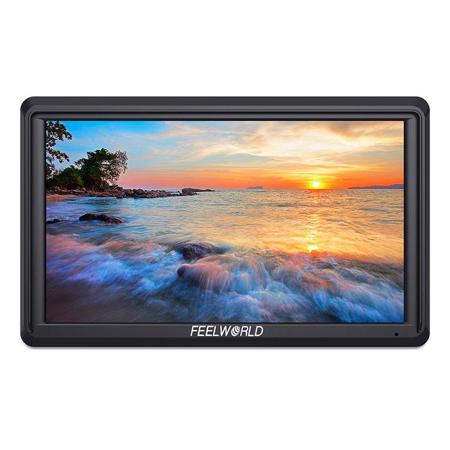
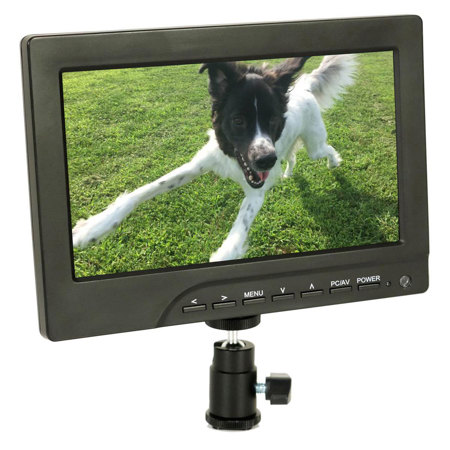
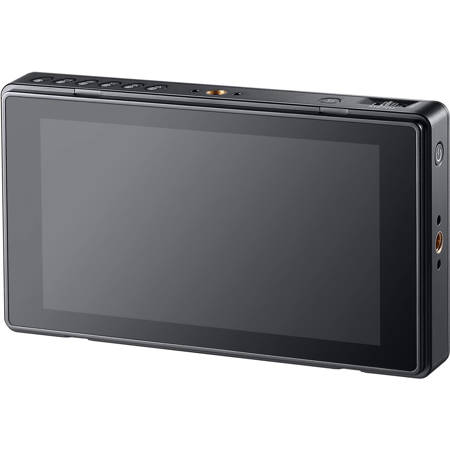
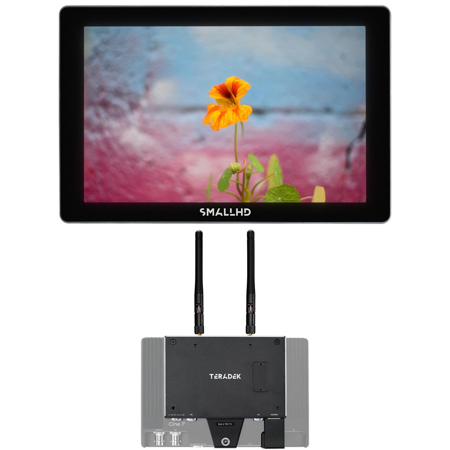
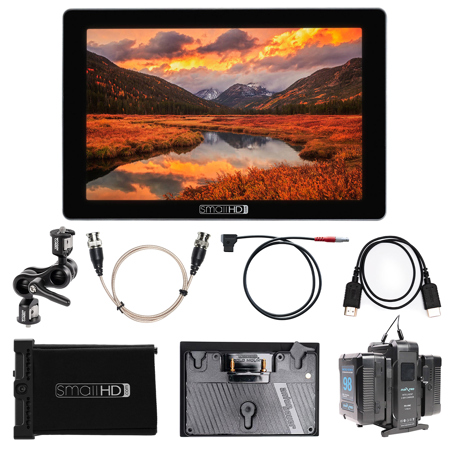
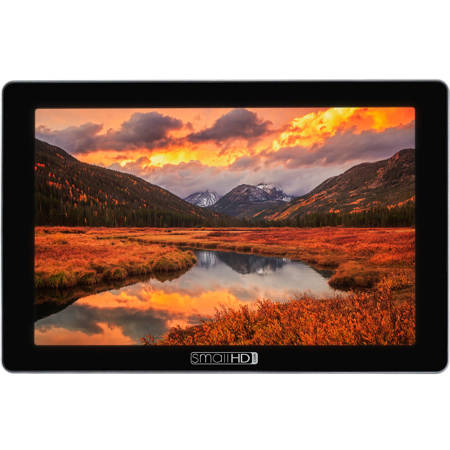
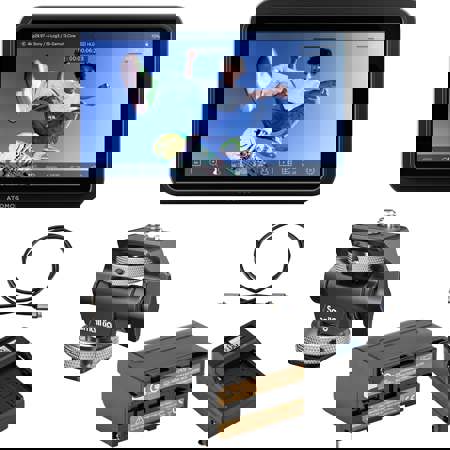
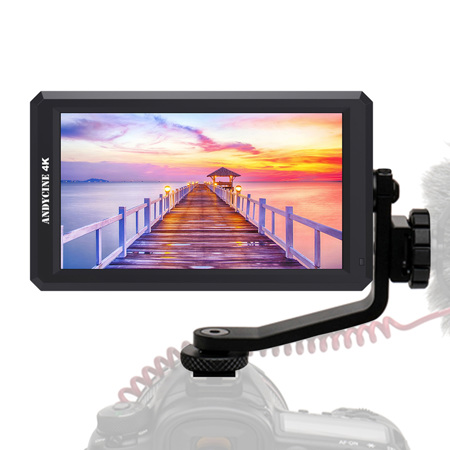
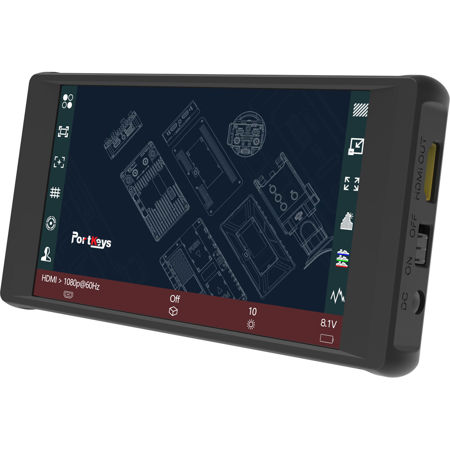
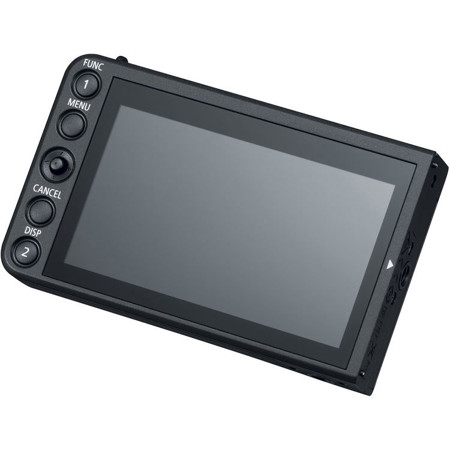
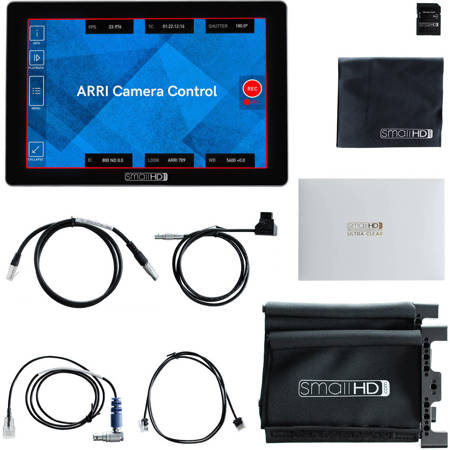
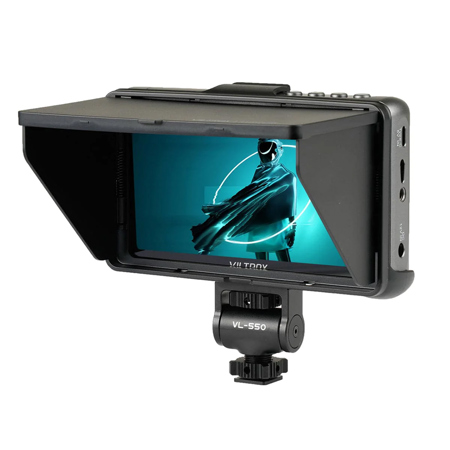
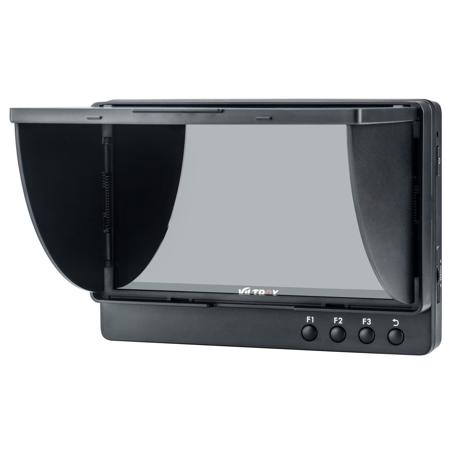
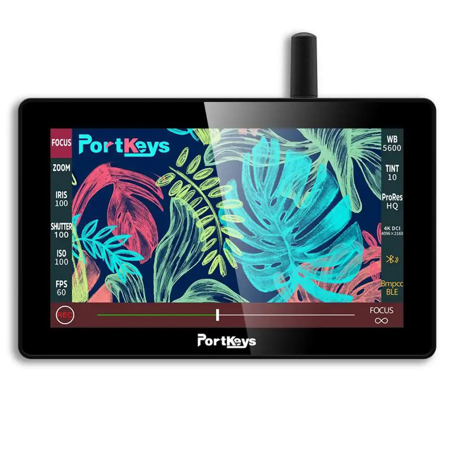
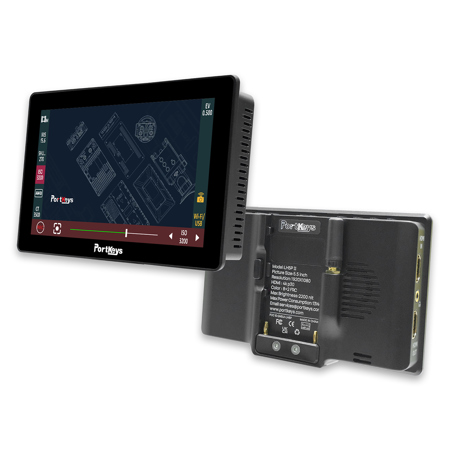
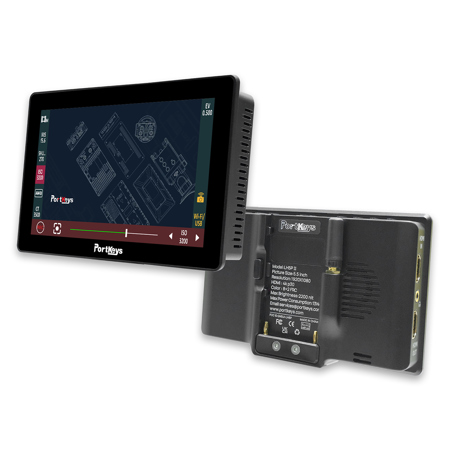
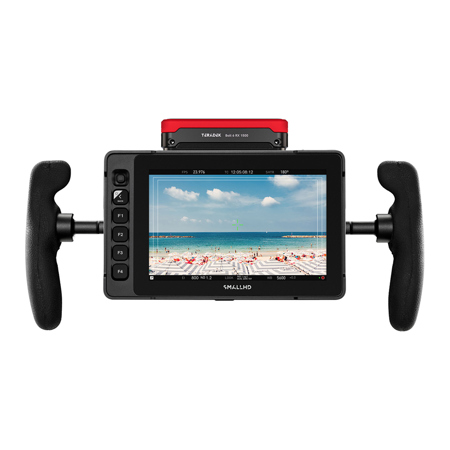
Whether you’re tracking elusive mountain lions through snowy February forests or waiting in a blind at dawn for the flash of a kingfisher’s wings, the right monitor can transform your wildlife photography workflow. Monitors for wildlife photography are specialized tools that help photographers both in the field and back at the editing desk. In the wild, on-camera field monitors provide a much larger, brighter view than your camera’s built-in screen, making it easier to nail focus on fast-moving subjects or spot subtle details in low light. These portable monitors connect to your camera via HDMI and are invaluable when you’re working with a tripod or shooting from a hide—no more hunching over a tiny LCD or squinting at sun glare. Features like focus peaking, zebras, and histograms are right at your fingertips, letting you check exposure and sharpness in real time. Many field monitors also offer touchscreen controls to quickly tweak settings, and some even double as external recorders, capturing high-bitrate footage or backup stills. For wildlife photographers who spend long hours outdoors, especially in the winter months when gloves and cold fingers are a factor, a responsive, easy-to-read field monitor can make the difference between a missed moment and a portfolio-worthy shot.
Once you’ve returned from your adventure—memory cards full of images of fox kits tumbling in the snow or eagles perched in frosted trees—the next step is post-processing. This is where high-end desktop editing monitors come into play. Editing wildlife photos demands a display with exceptional color accuracy and resolution to ensure that every feather, whisker, and nuance of natural light is faithfully reproduced. Look for monitors with at least QHD (1440p) resolution, though 4K is the gold standard for revealing fine details in fur, plumage, and landscapes. A wide color gamut (100% sRGB or greater) and 10-bit color depth are essential for capturing the subtle hues of a winter sunrise or the iridescence of a bird’s wing. IPS panels are preferred for their consistent color and wide viewing angles, which are crucial when you’re perfecting images for print or publication. Uniformity in brightness and color across the screen is another key factor, ensuring your edits are accurate from edge to edge. For anyone serious about wildlife photography—whether you’re a seasoned pro, a passionate hobbyist, or shopping for a thoughtful gift for the nature lover in your life—a quality monitor is an investment that elevates the entire creative process. It’s the difference between an image that simply documents and one that transports the viewer into the heart of the wild.
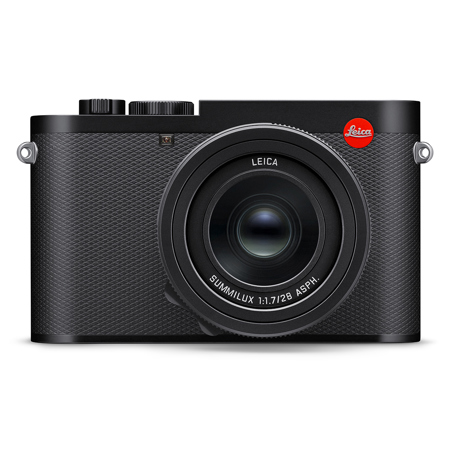
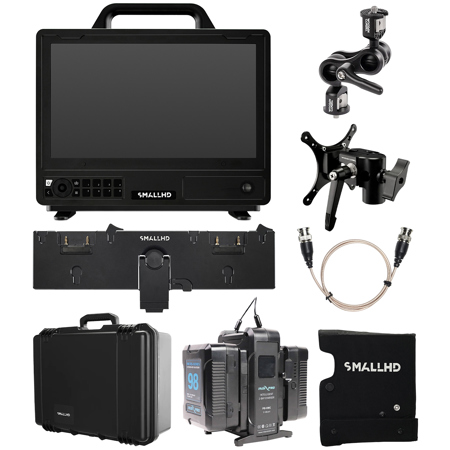
Choosing the right monitor is as personal as selecting the perfect lens or camera body; it’s about matching your workflow, your environment, and your creative vision. Field monitors are ideal for those who spend long stretches outdoors, capturing fleeting moments in unpredictable conditions, while desktop monitors are the cornerstone of a photographer’s digital darkroom. If you’re building a wildlife photography kit or looking for a gift that will be appreciated for years to come, a monitor tailored to the unique demands of wildlife work is both practical and inspiring. For those just starting out or looking to upgrade, consider pairing your monitor with a camera designed for wildlife photography—explore our curated selection of Cameras For Wildlife Photography to complete your setup. With the right tools, you’ll be ready to capture and share the beauty of the natural world, from the quiet drama of winter landscapes to the vibrant energy of spring’s return.
Once you’ve returned from your adventure—memory cards full of images of fox kits tumbling in the snow or eagles perched in frosted trees—the next step is post-processing. This is where high-end desktop editing monitors come into play. Editing wildlife photos demands a display with exceptional color accuracy and resolution to ensure that every feather, whisker, and nuance of natural light is faithfully reproduced. Look for monitors with at least QHD (1440p) resolution, though 4K is the gold standard for revealing fine details in fur, plumage, and landscapes. A wide color gamut (100% sRGB or greater) and 10-bit color depth are essential for capturing the subtle hues of a winter sunrise or the iridescence of a bird’s wing. IPS panels are preferred for their consistent color and wide viewing angles, which are crucial when you’re perfecting images for print or publication. Uniformity in brightness and color across the screen is another key factor, ensuring your edits are accurate from edge to edge. For anyone serious about wildlife photography—whether you’re a seasoned pro, a passionate hobbyist, or shopping for a thoughtful gift for the nature lover in your life—a quality monitor is an investment that elevates the entire creative process. It’s the difference between an image that simply documents and one that transports the viewer into the heart of the wild.
Choosing the right monitor is as personal as selecting the perfect lens or camera body; it’s about matching your workflow, your environment, and your creative vision. Field monitors are ideal for those who spend long stretches outdoors, capturing fleeting moments in unpredictable conditions, while desktop monitors are the cornerstone of a photographer’s digital darkroom. If you’re building a wildlife photography kit or looking for a gift that will be appreciated for years to come, a monitor tailored to the unique demands of wildlife work is both practical and inspiring. For those just starting out or looking to upgrade, consider pairing your monitor with a camera designed for wildlife photography—explore our curated selection of Cameras For Wildlife Photography to complete your setup. With the right tools, you’ll be ready to capture and share the beauty of the natural world, from the quiet drama of winter landscapes to the vibrant energy of spring’s return.