Monopods For Wildlife Photography
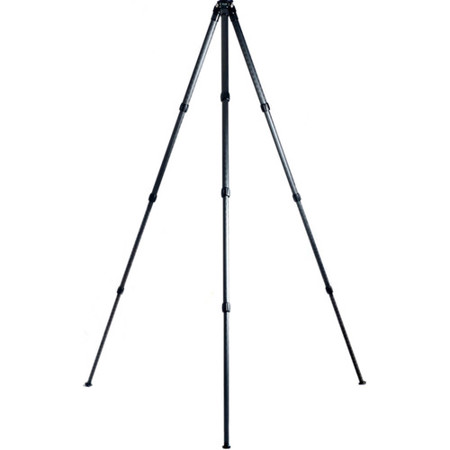
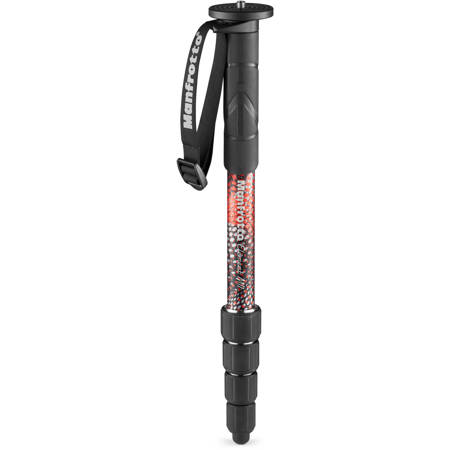
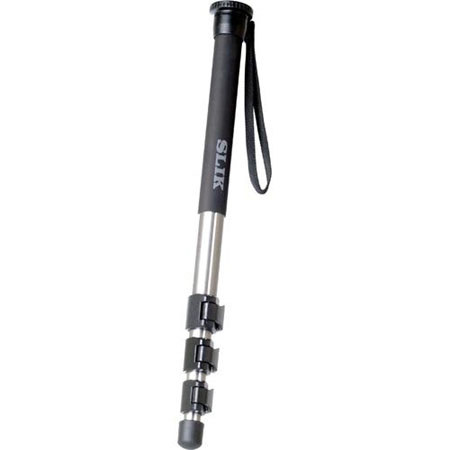
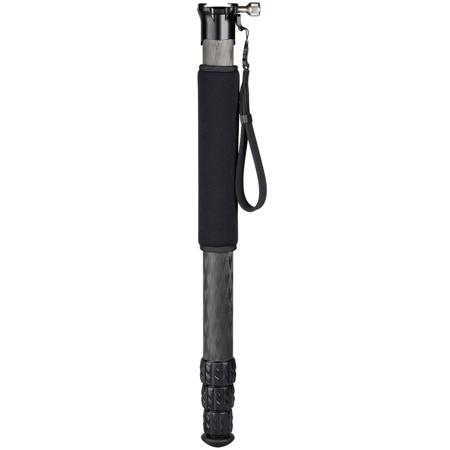
Wildlife photography demands a unique blend of patience, agility, and the right equipment—especially when capturing elusive animals in their natural habitats. As the seasons shift from the warmth of summer into the cooler, crisp days of fall, many photographers find themselves venturing into forests, wetlands, and open fields in pursuit of the perfect shot. A monopod is an essential companion for these excursions, offering the crucial stability needed to support heavy camera bodies paired with long telephoto lenses, while still allowing for quick repositioning to track fast-moving subjects. Unlike tripods, which can be cumbersome when navigating uneven ground or dense undergrowth, monopods provide a lightweight, portable solution that minimizes fatigue during long hours in the field. This makes them particularly valuable for wildlife enthusiasts who often hike considerable distances to reach their shooting locations or need to remain mobile to follow the unpredictable movements of birds, mammals, or other creatures.
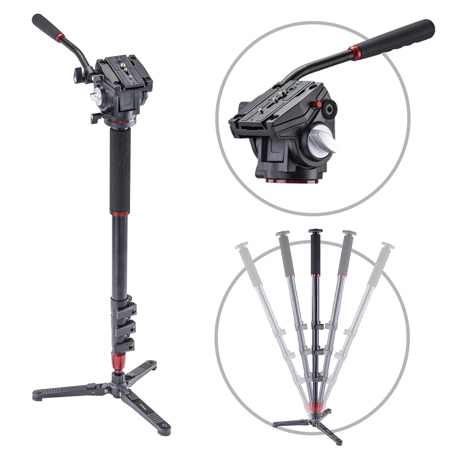
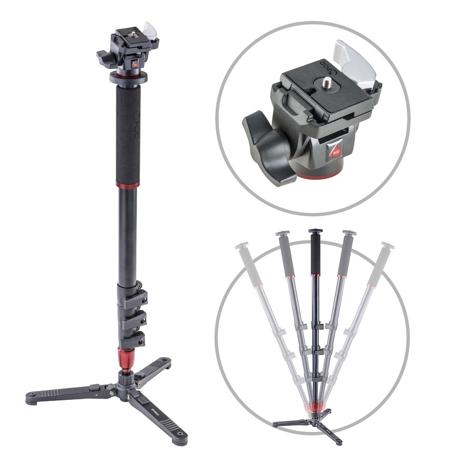
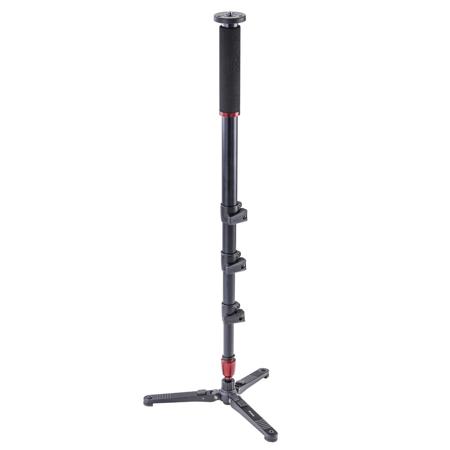
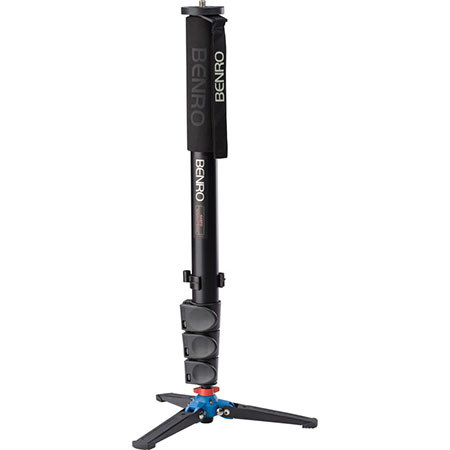
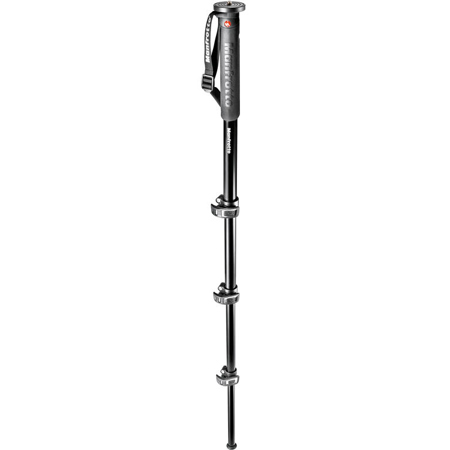
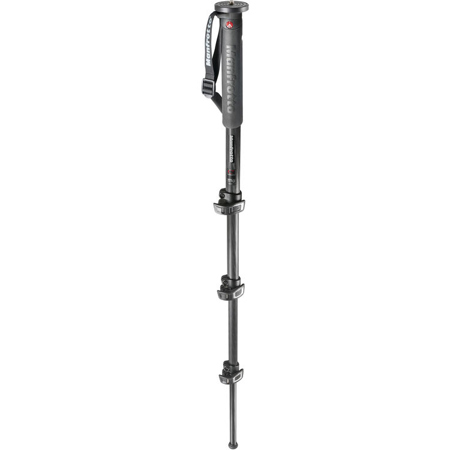
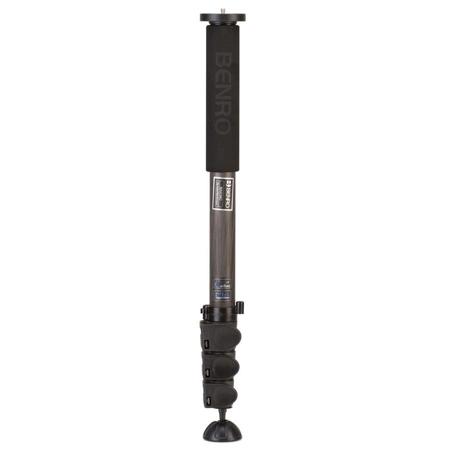
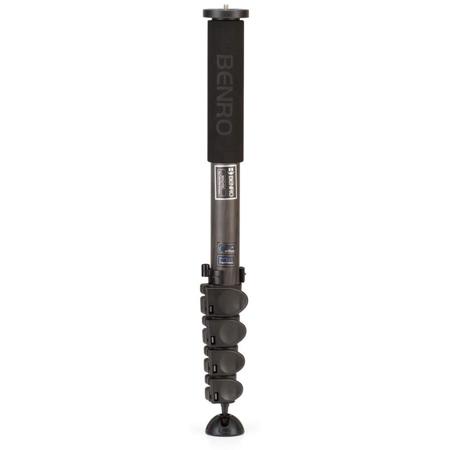
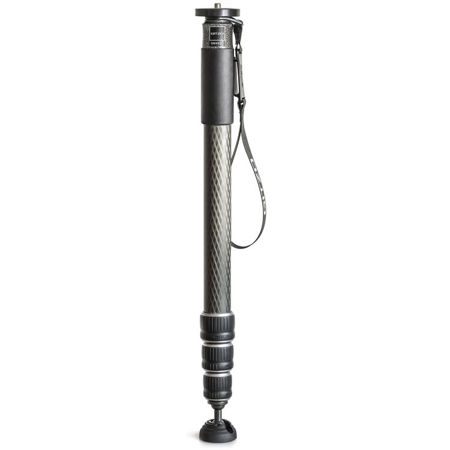
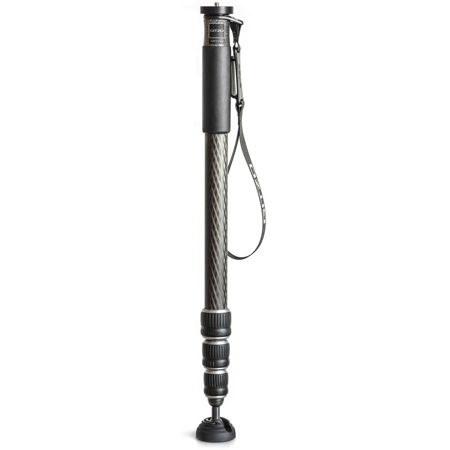
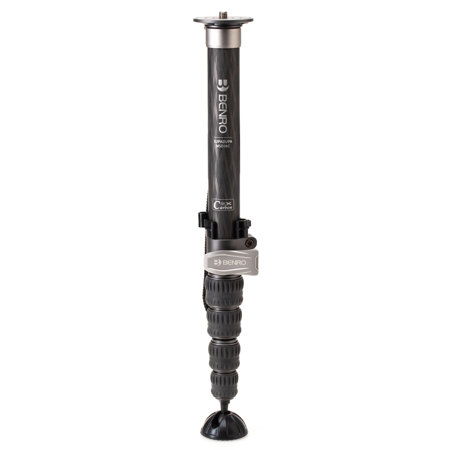
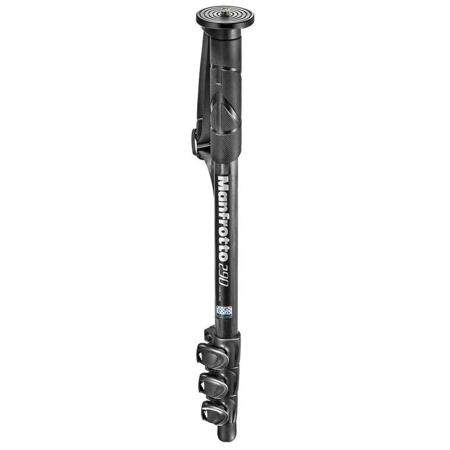
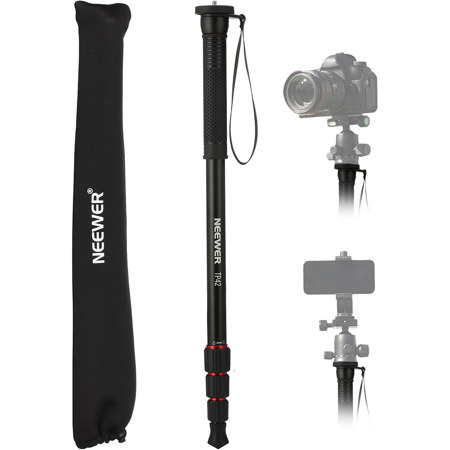
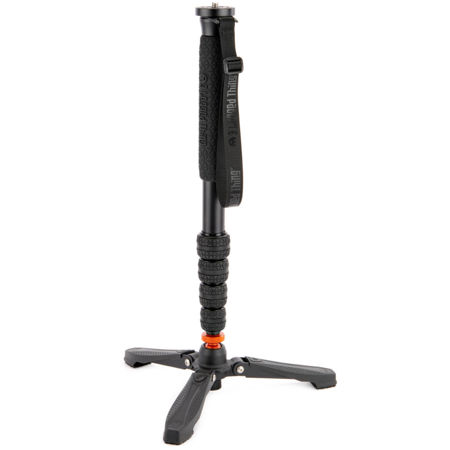
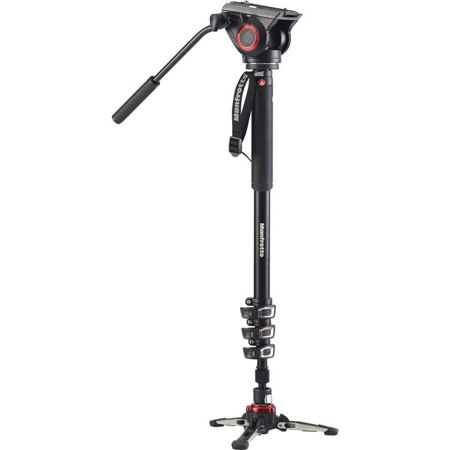
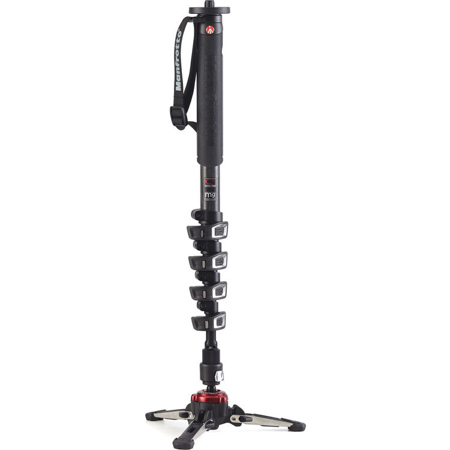
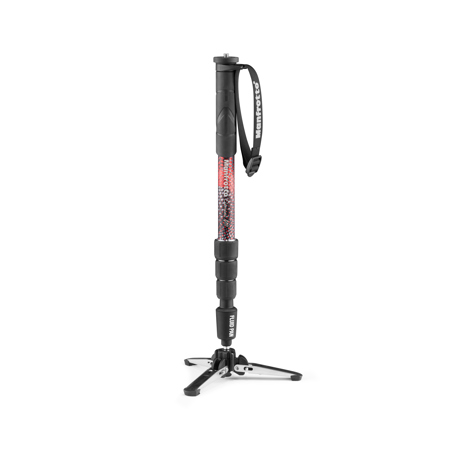
When choosing a monopod for wildlife photography, several key factors come into play. Build quality is paramount—models constructed from carbon fiber are especially prized for their combination of strength, vibration dampening, and reduced weight, making them ideal for long treks without sacrificing durability. The maximum weight capacity should comfortably exceed the combined weight of your camera, battery grip, and largest lens, ensuring stable support even for professional-grade setups. Height adjustability is also important, as it allows photographers of all statures to work comfortably, whether shooting from a standing position or kneeling in the brush. Many wildlife photographers appreciate monopods equipped with a footed base or miniature fold-out tripod feet, which offer a welcome opportunity to rest arms during extended periods of waiting or to steady the camera for slower shutter speeds in low light. For those interested in exploring these options, Adorama offers a curated selection of Monopods With Feet that combine stability with flexibility for the most demanding field conditions.
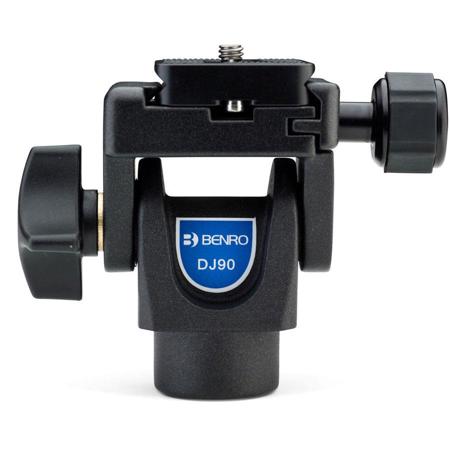
Monopods are not only practical tools for seasoned wildlife photographers but also make thoughtful gifts for nature lovers, birdwatchers, and outdoor adventurers who want to elevate their photography. They are especially appreciated by those who travel light or need to react quickly to fleeting moments—like the sudden appearance of a fox at the edge of a clearing or the aerial acrobatics of migrating birds. Pairing a monopod with a fluid or gimbal head can further enhance creative control, enabling smooth panning and tilting to capture dynamic action sequences or panoramic landscapes. As wildlife activity peaks during the transitional months between summer and fall, having a reliable monopod at your side can make all the difference in seizing those rare, breathtaking encounters. Whether you’re preparing for a weekend expedition or searching for a meaningful gift for the photographer in your life, investing in a quality monopod ensures every adventure is supported—literally and figuratively—by gear that’s built to withstand the challenges of the wild.
When choosing a monopod for wildlife photography, several key factors come into play. Build quality is paramount—models constructed from carbon fiber are especially prized for their combination of strength, vibration dampening, and reduced weight, making them ideal for long treks without sacrificing durability. The maximum weight capacity should comfortably exceed the combined weight of your camera, battery grip, and largest lens, ensuring stable support even for professional-grade setups. Height adjustability is also important, as it allows photographers of all statures to work comfortably, whether shooting from a standing position or kneeling in the brush. Many wildlife photographers appreciate monopods equipped with a footed base or miniature fold-out tripod feet, which offer a welcome opportunity to rest arms during extended periods of waiting or to steady the camera for slower shutter speeds in low light. For those interested in exploring these options, Adorama offers a curated selection of Monopods With Feet that combine stability with flexibility for the most demanding field conditions.
Monopods are not only practical tools for seasoned wildlife photographers but also make thoughtful gifts for nature lovers, birdwatchers, and outdoor adventurers who want to elevate their photography. They are especially appreciated by those who travel light or need to react quickly to fleeting moments—like the sudden appearance of a fox at the edge of a clearing or the aerial acrobatics of migrating birds. Pairing a monopod with a fluid or gimbal head can further enhance creative control, enabling smooth panning and tilting to capture dynamic action sequences or panoramic landscapes. As wildlife activity peaks during the transitional months between summer and fall, having a reliable monopod at your side can make all the difference in seizing those rare, breathtaking encounters. Whether you’re preparing for a weekend expedition or searching for a meaningful gift for the photographer in your life, investing in a quality monopod ensures every adventure is supported—literally and figuratively—by gear that’s built to withstand the challenges of the wild.