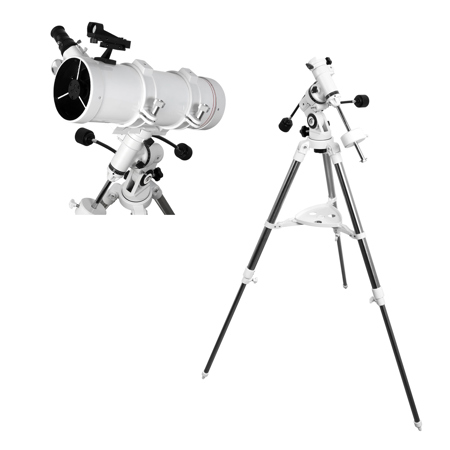
Newtonian Reflector Telescopes
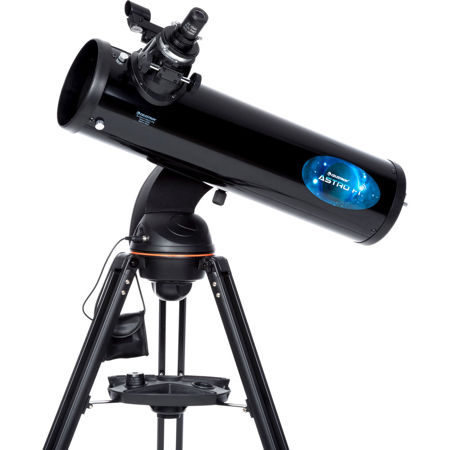
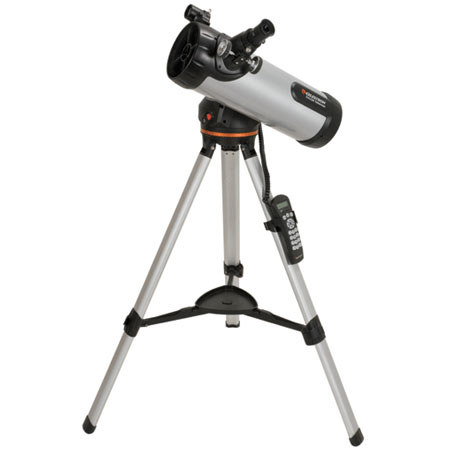
Newtonian reflector telescopes have long held a special place in the world of amateur and professional astronomy, offering an accessible gateway to the wonders of the night sky. Designed around a simple yet ingenious system of mirrors, these telescopes deliver impressive light-gathering power, making it possible to observe faint deep-sky objects such as distant galaxies, nebulae, and star clusters in remarkable detail. The primary mirror collects incoming light and reflects it to a secondary mirror, which then directs the image to an eyepiece mounted on the side of the tube. This design eliminates chromatic aberration—a common issue in lens-based telescopes—resulting in crisp, high-contrast views without color fringing. For those who find themselves drawn to the subtle hues of nebulae or the delicate arms of spiral galaxies, the Newtonian reflector’s clarity and brightness can be transformative, especially on clear, cold winter nights when the air is still and the stars seem to shimmer with extra intensity.
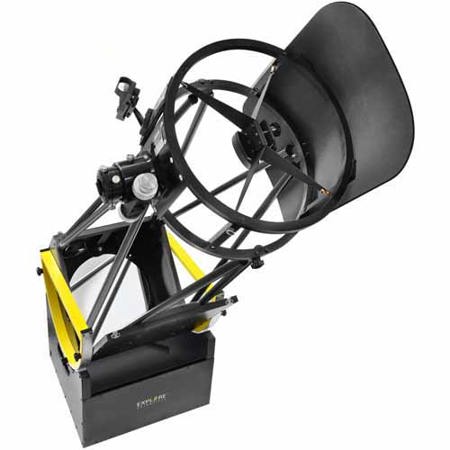
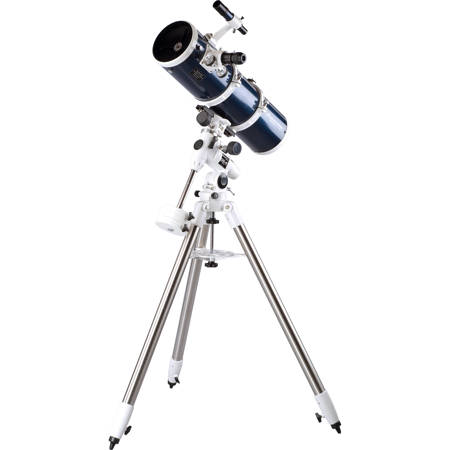
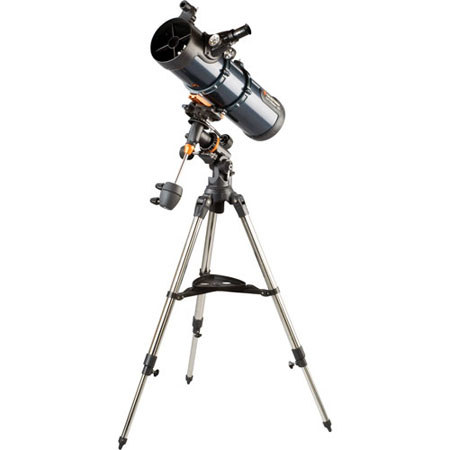
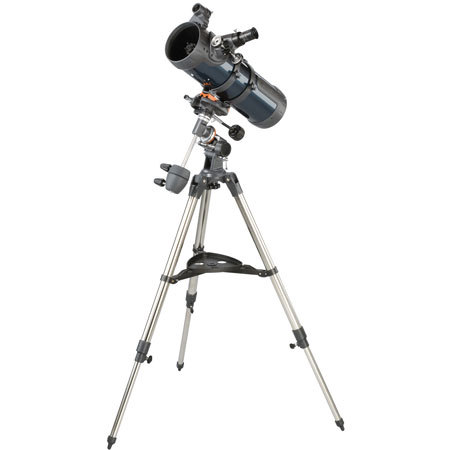
These telescopes are particularly valued for their cost-effective apertures, allowing astronomers to access larger mirrors—and therefore deeper, more detailed views—at a fraction of the price of similarly sized refractors. Whether mounted on a classic Dobsonian base for simple, intuitive movement or on a robust equatorial mount for precise tracking of celestial objects, Newtonian reflectors cater to a wide spectrum of users. Beginners appreciate the straightforward setup and the thrill of discovering Saturn’s rings or Jupiter’s moons for the first time, while seasoned observers and astrophotographers benefit from the versatility and performance that larger apertures provide. As winter gives way to early spring, these instruments come into their own, capturing the Orion Nebula’s glowing clouds or the delicate star fields of Leo and Virgo with ease. Gift-givers often find Newtonian reflectors to be an inspired choice for curious children, students, or anyone embarking on a journey into astronomy, as the combination of affordability, capability, and hands-on learning encourages ongoing exploration and discovery.
One important consideration when choosing a Newtonian reflector is maintenance, particularly the process of collimation—aligning the mirrors to ensure sharp, accurate images. While this might sound intimidating at first, it quickly becomes second nature with a little practice, and many users come to appreciate the sense of connection it fosters with their instrument. Portability is another factor to weigh, as larger models can be substantial in size and weight, but the trade-off is often well worth it for the views they provide. For those interested in comparing different optical designs, exploring options such as Achromatic Telescopes can offer valuable insight into the strengths and characteristics of various telescope types. Ultimately, Newtonian reflector telescopes stand out as reliable, versatile, and rewarding tools for anyone eager to experience the universe firsthand—whether it’s a solo observer marveling at the Milky Way on a frosty February night or a family sharing the excitement of their first glimpse of a distant galaxy.
These telescopes are particularly valued for their cost-effective apertures, allowing astronomers to access larger mirrors—and therefore deeper, more detailed views—at a fraction of the price of similarly sized refractors. Whether mounted on a classic Dobsonian base for simple, intuitive movement or on a robust equatorial mount for precise tracking of celestial objects, Newtonian reflectors cater to a wide spectrum of users. Beginners appreciate the straightforward setup and the thrill of discovering Saturn’s rings or Jupiter’s moons for the first time, while seasoned observers and astrophotographers benefit from the versatility and performance that larger apertures provide. As winter gives way to early spring, these instruments come into their own, capturing the Orion Nebula’s glowing clouds or the delicate star fields of Leo and Virgo with ease. Gift-givers often find Newtonian reflectors to be an inspired choice for curious children, students, or anyone embarking on a journey into astronomy, as the combination of affordability, capability, and hands-on learning encourages ongoing exploration and discovery.
One important consideration when choosing a Newtonian reflector is maintenance, particularly the process of collimation—aligning the mirrors to ensure sharp, accurate images. While this might sound intimidating at first, it quickly becomes second nature with a little practice, and many users come to appreciate the sense of connection it fosters with their instrument. Portability is another factor to weigh, as larger models can be substantial in size and weight, but the trade-off is often well worth it for the views they provide. For those interested in comparing different optical designs, exploring options such as Achromatic Telescopes can offer valuable insight into the strengths and characteristics of various telescope types. Ultimately, Newtonian reflector telescopes stand out as reliable, versatile, and rewarding tools for anyone eager to experience the universe firsthand—whether it’s a solo observer marveling at the Milky Way on a frosty February night or a family sharing the excitement of their first glimpse of a distant galaxy.