Tripod Sockets
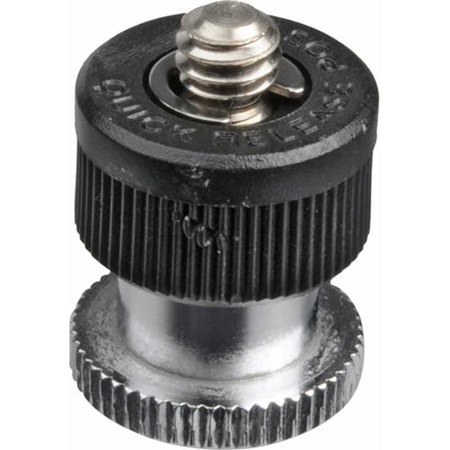
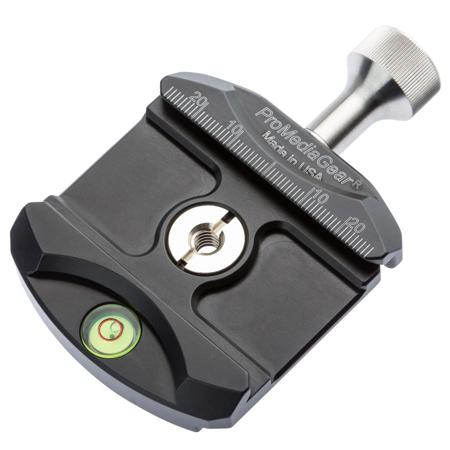
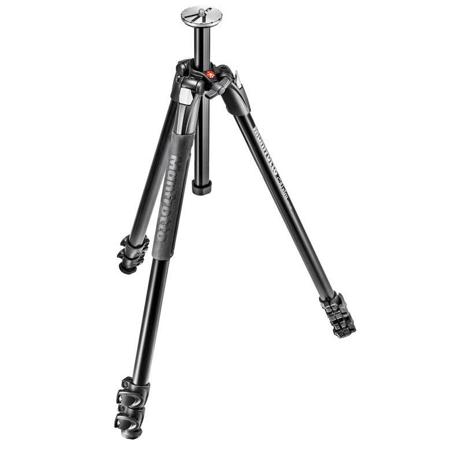
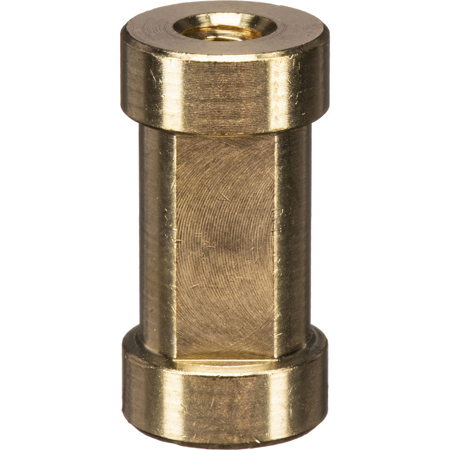
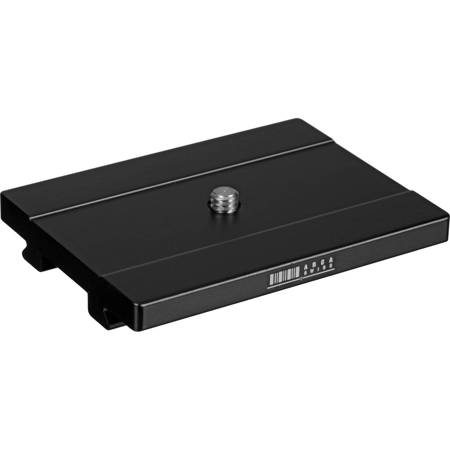
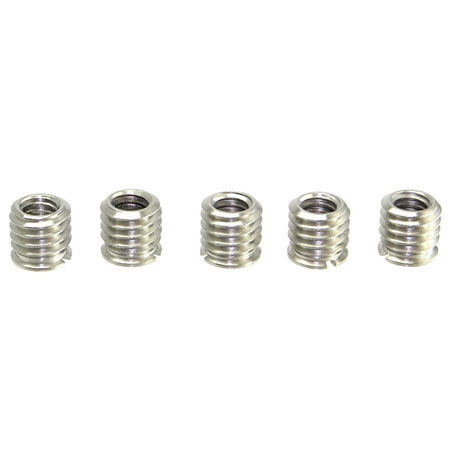
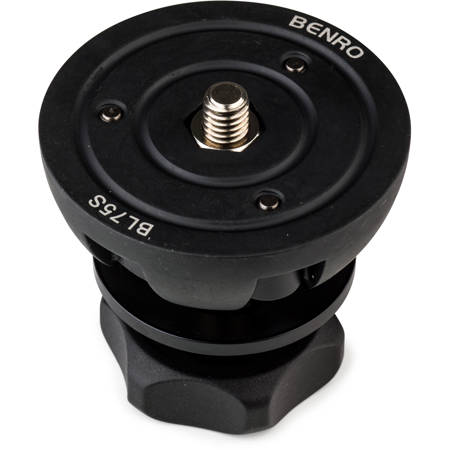
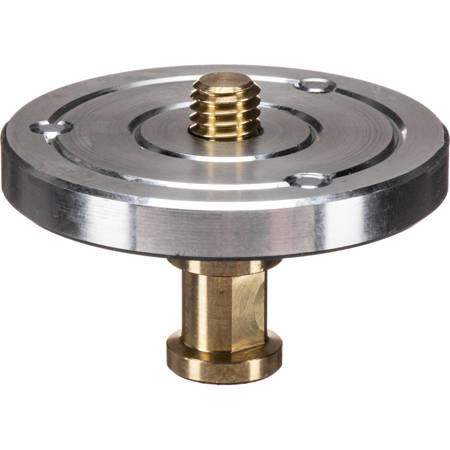
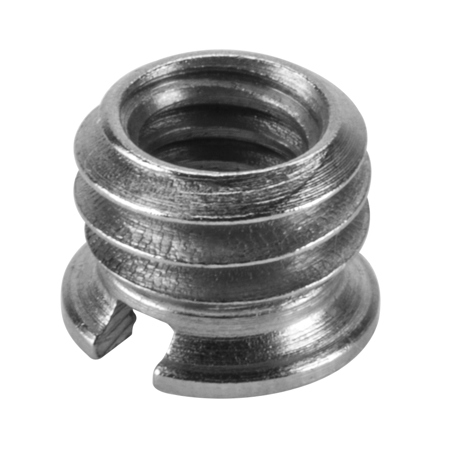
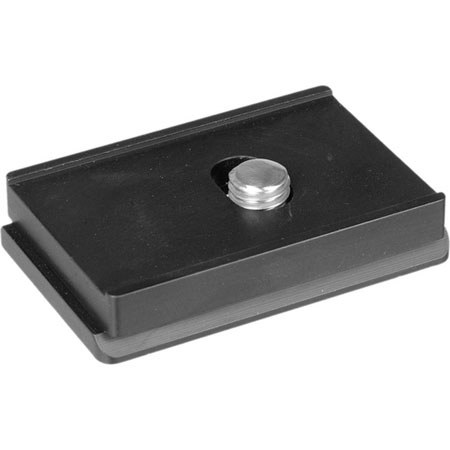
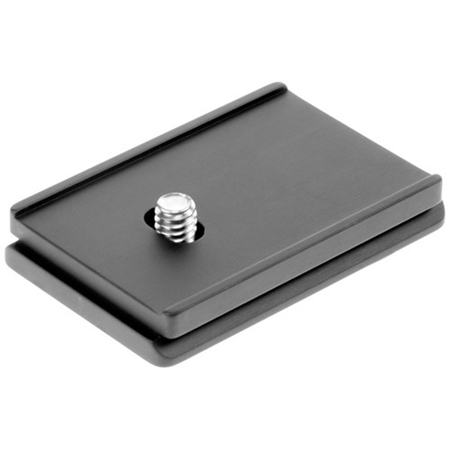
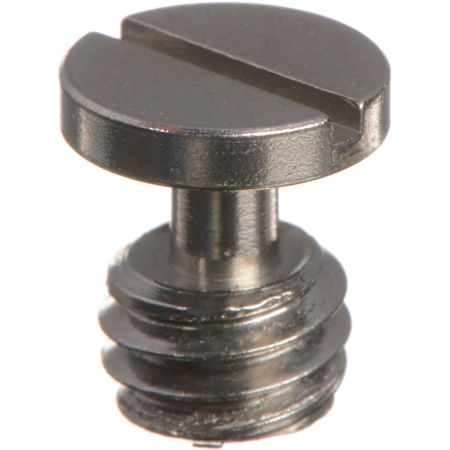
Tripod sockets are an essential yet often underappreciated component in the world of photography, videography, and creative content production. These threaded receptacles, most commonly found on the underside of cameras, lenses, monitors, and a wide range of accessories, provide the universal interface that connects your gear to tripod heads, mounting plates, monopods, and other stabilizing supports. The standard size for most camera bodies and lightweight accessories is 1/4"-20 UNC, a thread pitch and diameter that has become the benchmark for the industry. However, professionals working with heavier telephoto lenses or cinema equipment are likely to encounter the larger 3/8"-16 socket, designed to handle greater weight and provide enhanced stability. For those who find themselves moving between different types of gear, adapters that bridge the gap between these thread sizes are invaluable, ensuring compatibility across a diverse toolkit. As the seasons shift from the warmth of summer into the crisp air of fall, outdoor photographers, wildlife enthusiasts, and travel vloggers alike rely on secure tripod connections to capture everything from golden hour landscapes to fast-moving autumn sports.
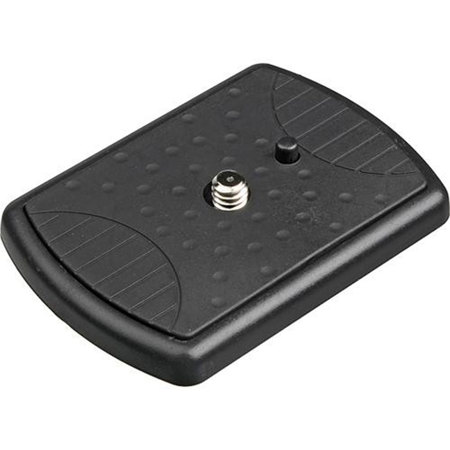
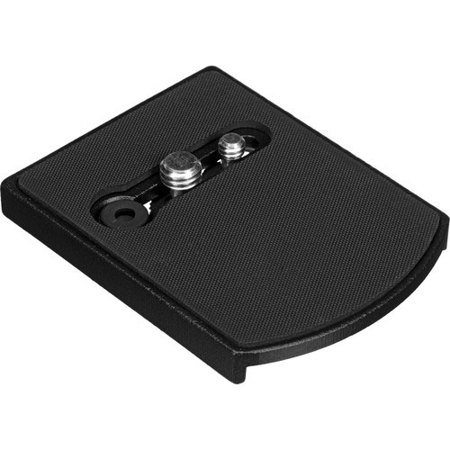
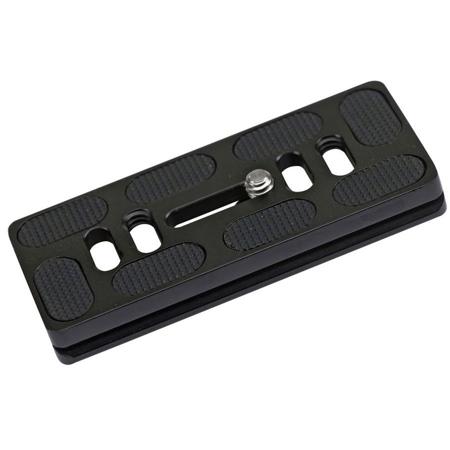
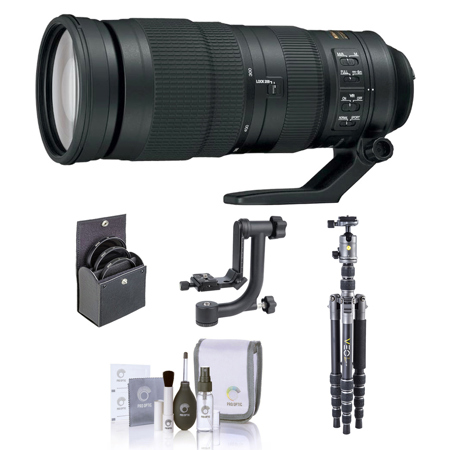
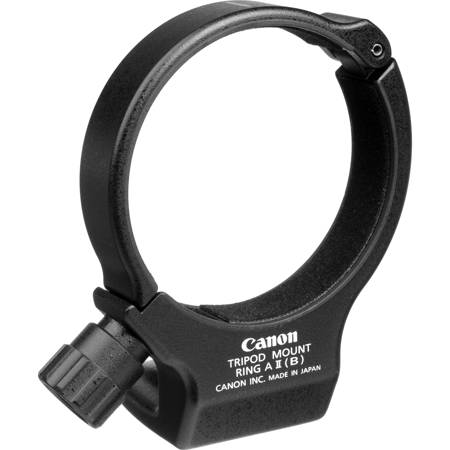
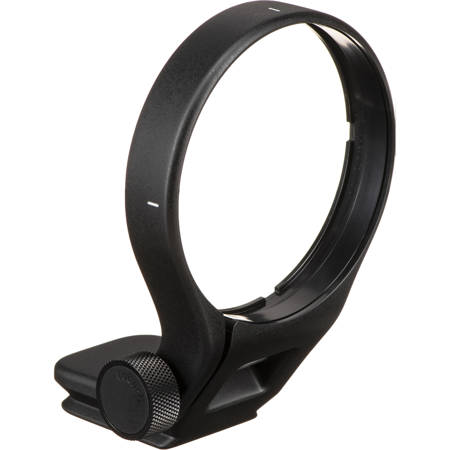
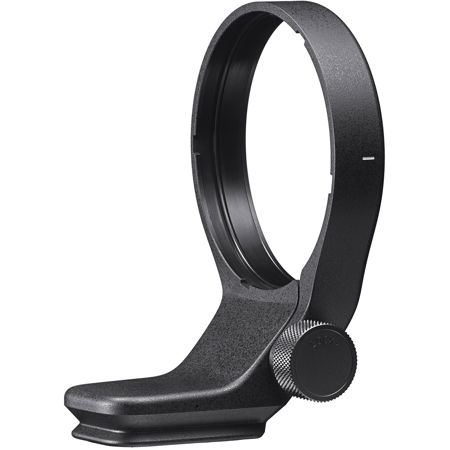
The utility of tripod sockets extends well beyond just camera bodies. Many modern telephoto lenses feature their own dedicated sockets or tripod collars, allowing the weight of the lens—rather than the camera mount—to bear the load, which is crucial for maintaining balance and preventing long-term damage to your equipment. This is particularly important for anyone shooting with large glass in the field, whether tracking migratory birds as they pass through during the changing seasons or setting up for a late-night astrophotography session under clear fall skies. Accessories such as field monitors, LED lights, microphones, and even smartphones often incorporate standard tripod sockets, making it easy to expand your setup for interviews, product shoots, or content creation on the go. For creators who need to mount multiple items—like a mic and a light—on a single support, specialized adapters and multi-socket plates can transform a simple tripod into a versatile production hub. These solutions are not only practical for professionals but also make thoughtful gifts for hobbyists, students, or anyone looking to elevate their creative game, especially as gift-giving occasions arise throughout the latter half of the year.
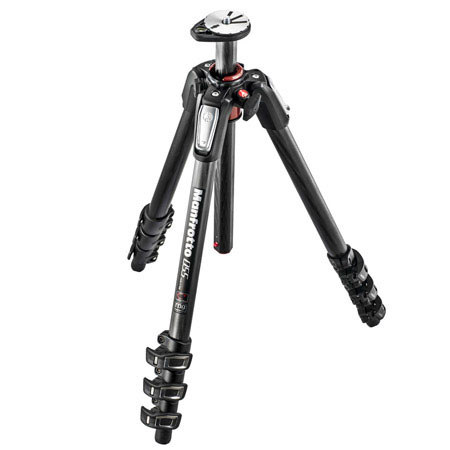
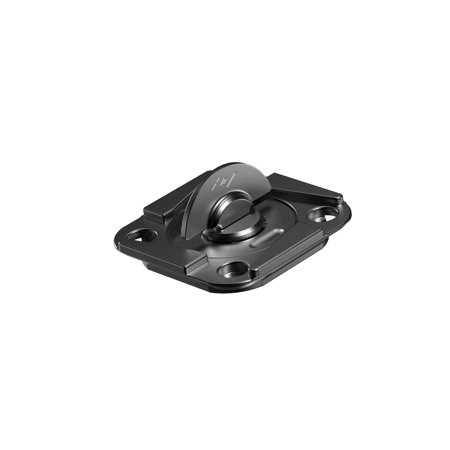
When considering tripod sockets and related mounting hardware, it pays to think about both your current needs and your long-term aspirations. The right socket or adapter can open up new possibilities, whether you’re stabilizing a compact action camera on a hiking trip, setting up a mobile studio in the backyard as the evenings cool, or preparing for a busy season of event coverage. Durability, compatibility, and ease of use are key factors; look for robust metal construction and precise threading to ensure a secure connection every time. For those building out a modular system, exploring complementary products like tripod bases can further enhance flexibility and support for a wide range of shooting scenarios. You can find more information and options by visiting our Tripod Bases page. Whether you’re capturing family gatherings, documenting the vibrant colors of fall foliage, or producing professional content, a reliable tripod socket is the foundation that keeps your creative vision steady and your gear safe, season after season.
The utility of tripod sockets extends well beyond just camera bodies. Many modern telephoto lenses feature their own dedicated sockets or tripod collars, allowing the weight of the lens—rather than the camera mount—to bear the load, which is crucial for maintaining balance and preventing long-term damage to your equipment. This is particularly important for anyone shooting with large glass in the field, whether tracking migratory birds as they pass through during the changing seasons or setting up for a late-night astrophotography session under clear fall skies. Accessories such as field monitors, LED lights, microphones, and even smartphones often incorporate standard tripod sockets, making it easy to expand your setup for interviews, product shoots, or content creation on the go. For creators who need to mount multiple items—like a mic and a light—on a single support, specialized adapters and multi-socket plates can transform a simple tripod into a versatile production hub. These solutions are not only practical for professionals but also make thoughtful gifts for hobbyists, students, or anyone looking to elevate their creative game, especially as gift-giving occasions arise throughout the latter half of the year.
When considering tripod sockets and related mounting hardware, it pays to think about both your current needs and your long-term aspirations. The right socket or adapter can open up new possibilities, whether you’re stabilizing a compact action camera on a hiking trip, setting up a mobile studio in the backyard as the evenings cool, or preparing for a busy season of event coverage. Durability, compatibility, and ease of use are key factors; look for robust metal construction and precise threading to ensure a secure connection every time. For those building out a modular system, exploring complementary products like tripod bases can further enhance flexibility and support for a wide range of shooting scenarios. You can find more information and options by visiting our Tripod Bases page. Whether you’re capturing family gatherings, documenting the vibrant colors of fall foliage, or producing professional content, a reliable tripod socket is the foundation that keeps your creative vision steady and your gear safe, season after season.