


Tripods For School
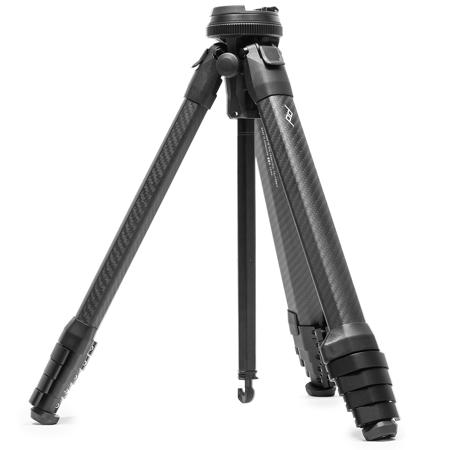
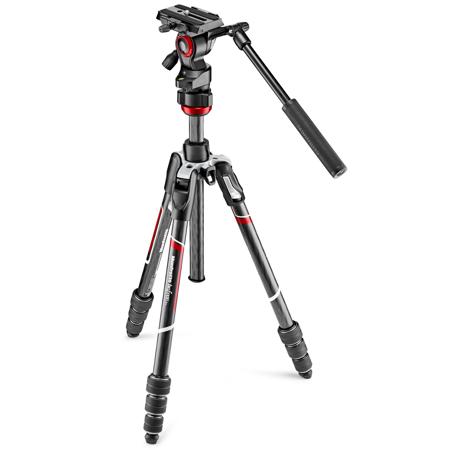
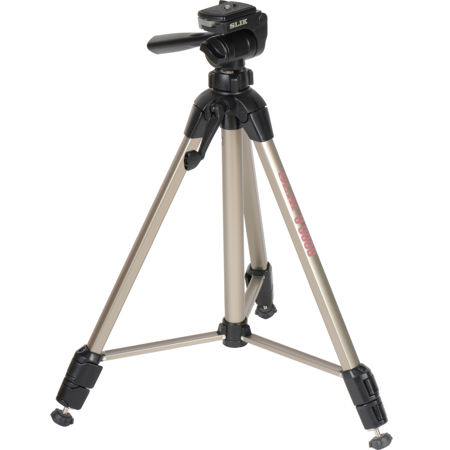
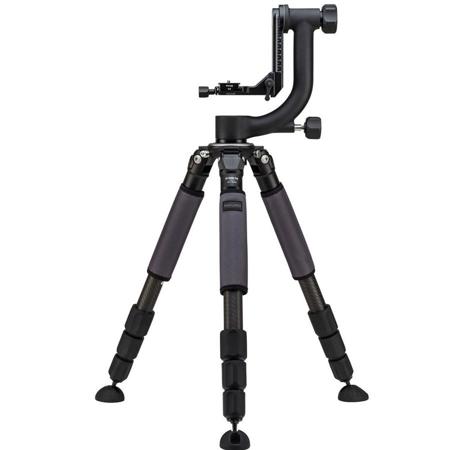
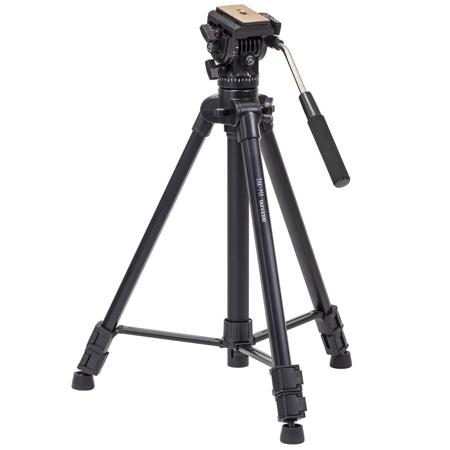
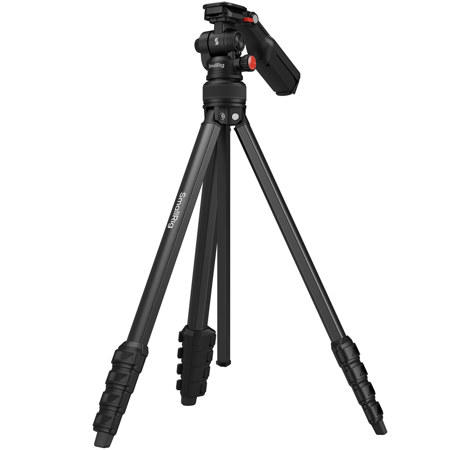
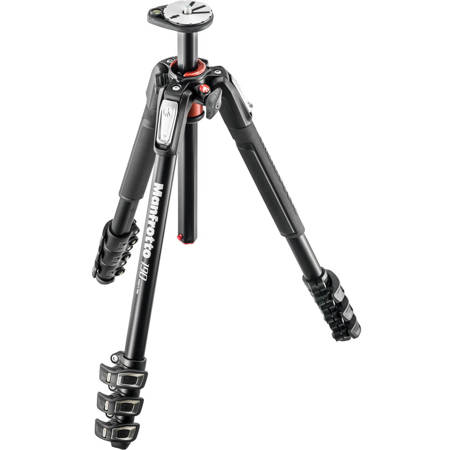
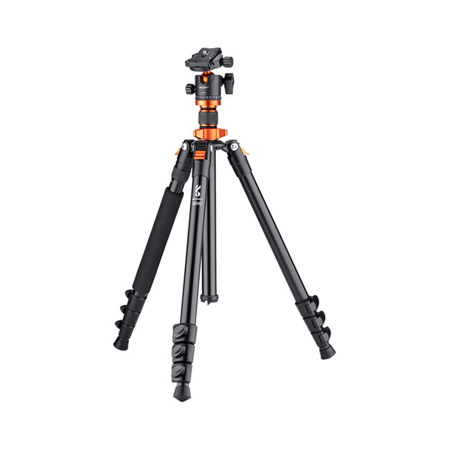
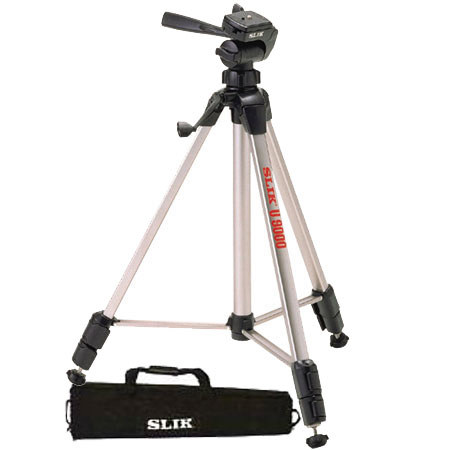
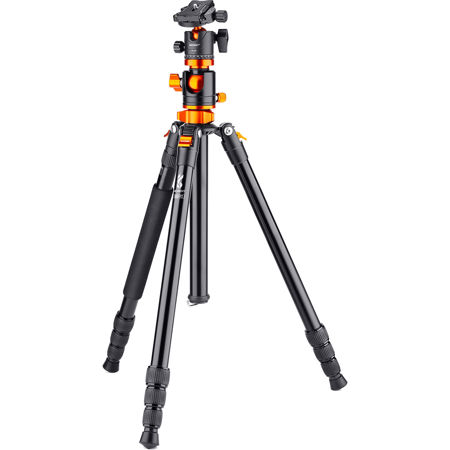
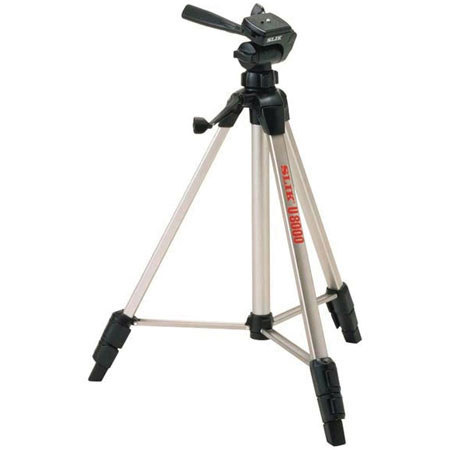
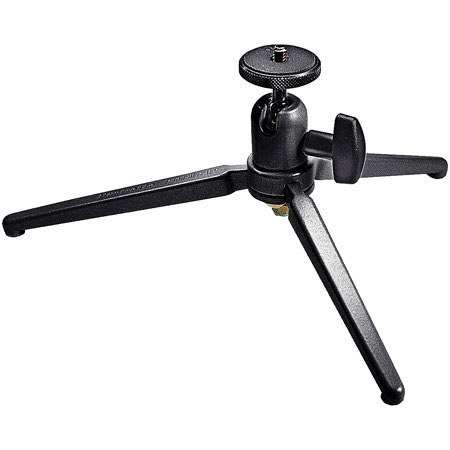
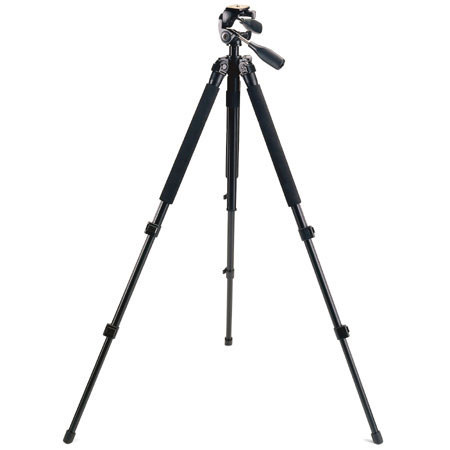
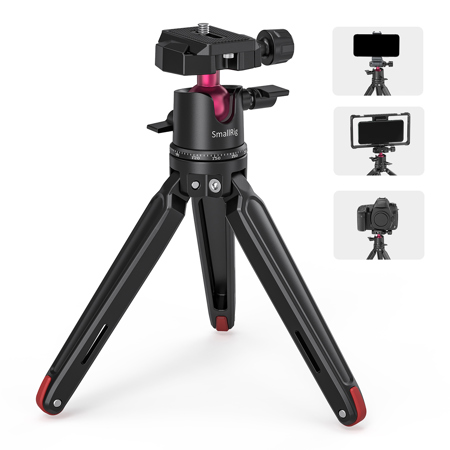
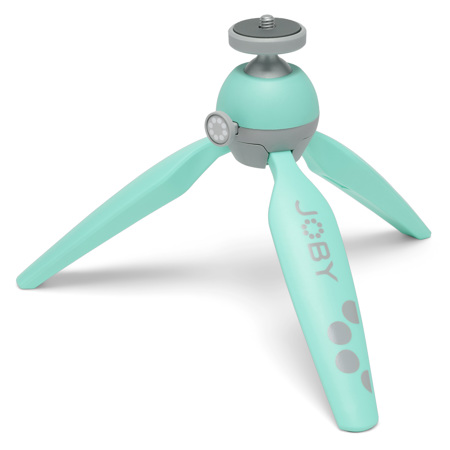
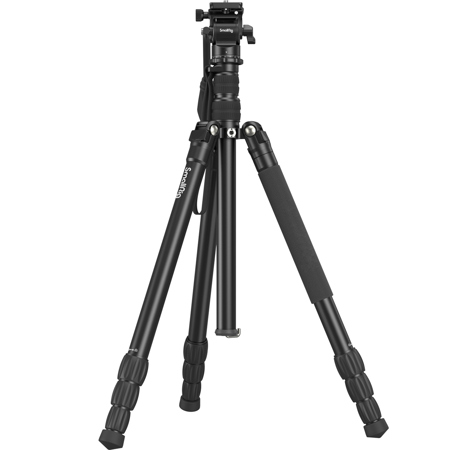
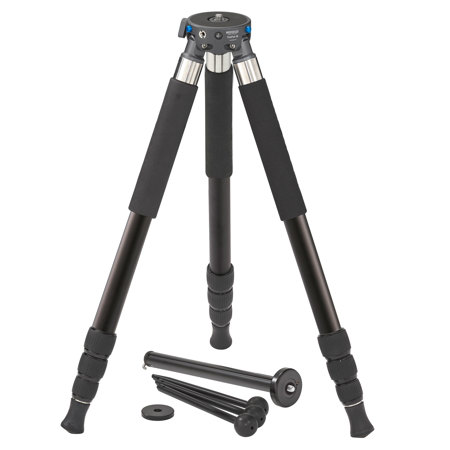
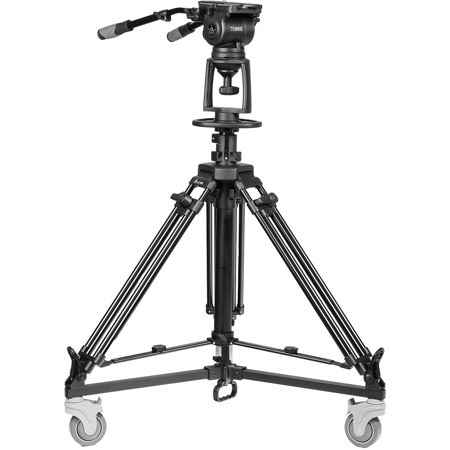
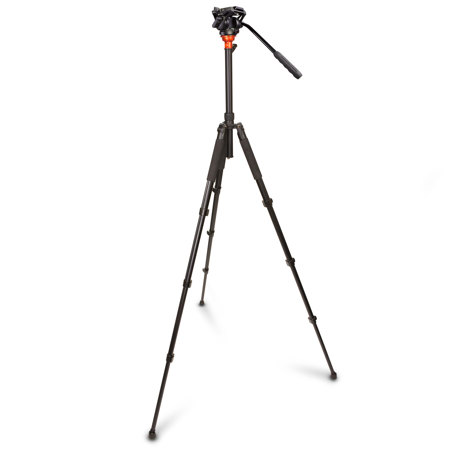
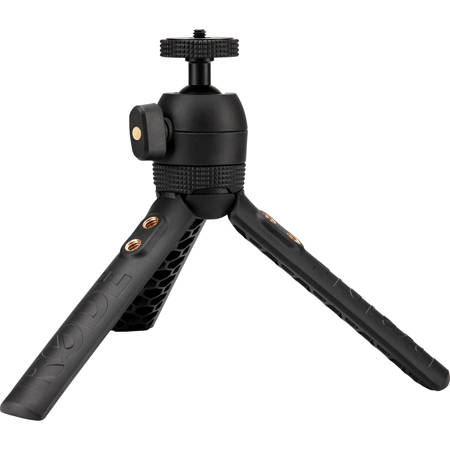
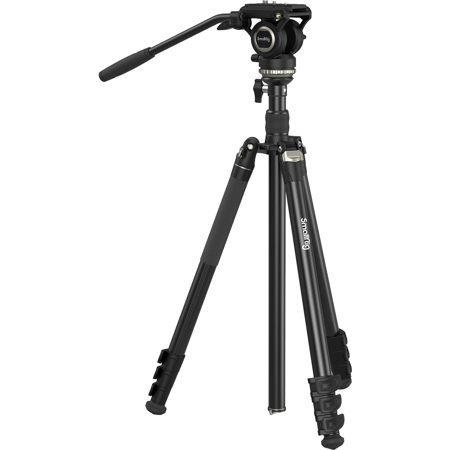
Whether you’re outfitting a classroom, supporting a student’s creative journey, or equipping a school media lab, selecting the right tripod can make all the difference in capturing clear, steady images and video. As the school year hits its stride in early spring, students and educators alike are preparing for class projects, science fairs, performances, and yearbook assignments that demand reliable gear. Tripods designed for school use are thoughtfully engineered to balance portability, stability, and versatility—qualities that cater to the dynamic pace of student life. For those navigating crowded hallways or bustling playgrounds, lightweight models are a lifesaver, easily slipping into backpacks for on-the-go shooting between classes or during field trips. In media-rich classrooms, compact tabletop tripods are a favorite for recording experiments or presentations on a desk, while full-size options shine in auditoriums or gymnasiums when capturing group photos, assemblies, or drama productions.
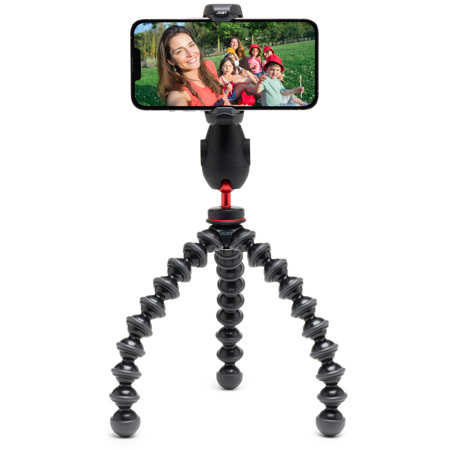
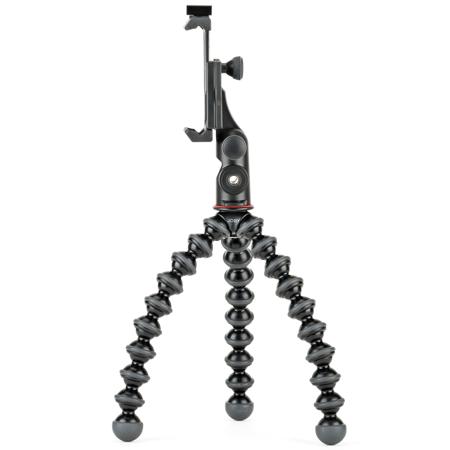
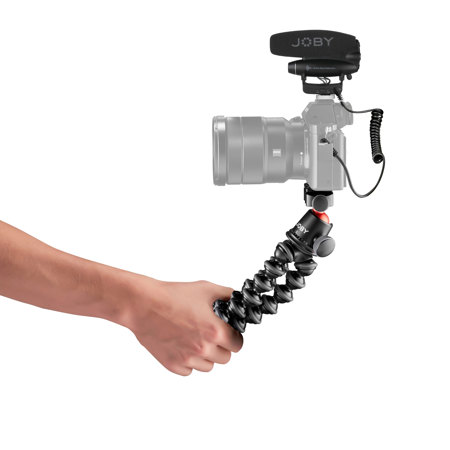
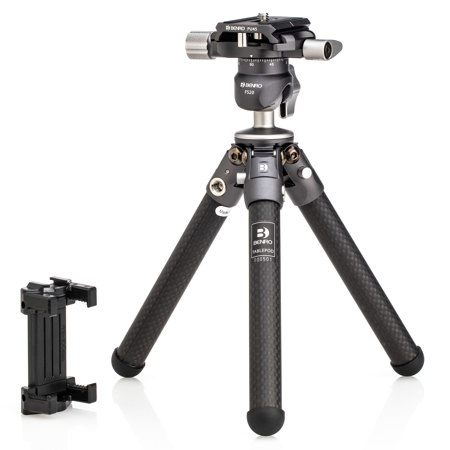
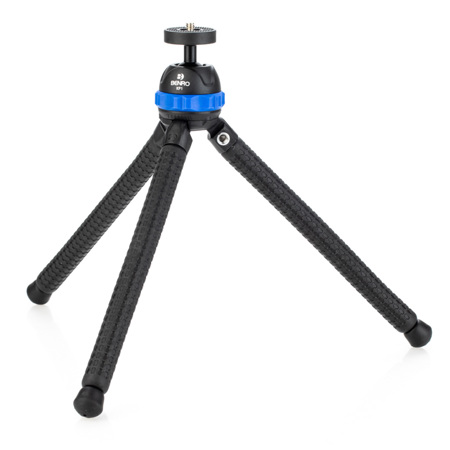
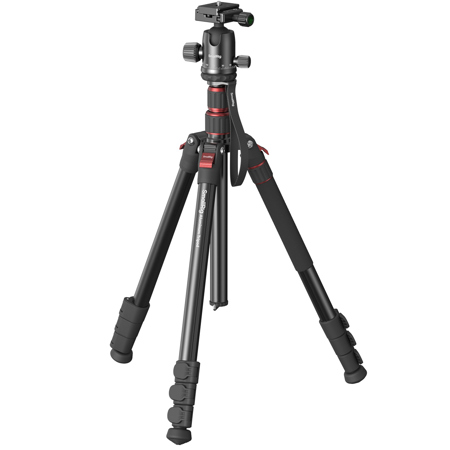
The best tripods for school environments are those that adapt to a variety of devices and shooting scenarios. Many students use smartphones or tablets as their primary cameras, so models with universal mounts or quick-release plates allow for seamless transitions between devices—an essential feature when time is short and creativity is flowing. Flexible tripods with bendable legs are especially popular for unconventional setups, like wrapping around a chair back for a unique angle or securing to a classroom shelf for overhead shots. For budding content creators, a tripod that accommodates both horizontal and vertical shooting opens the door to everything from TikTok videos to documentary interviews. Durability is another key consideration; sturdy aluminum construction stands up to daily use and the occasional bump, while rubberized feet help prevent slips on smooth classroom floors. Price is always top of mind for schools and parents, and fortunately, there are plenty of budget-friendly options that don’t compromise on quality or features.
Gifting a tripod is a thoughtful way to encourage a student’s passion for photography, videography, or digital storytelling. Whether it’s for a high schooler launching a YouTube channel, a middle schooler working on a science fair time-lapse, or a teacher looking to document classroom activities, the right tripod becomes an indispensable tool for creativity and learning. As spring brings more outdoor activities and school events, having a portable, easy-to-set-up tripod ensures students and teachers alike can capture every memorable moment—from sports games to art projects. For those interested in expanding their skills beyond the classroom, exploring specialized gear such as Tripods For Sports Photography can provide inspiration and support for more advanced projects. Ultimately, investing in a quality tripod empowers students to experiment, collaborate, and share their unique perspectives, making it an essential addition to any school toolkit.
The best tripods for school environments are those that adapt to a variety of devices and shooting scenarios. Many students use smartphones or tablets as their primary cameras, so models with universal mounts or quick-release plates allow for seamless transitions between devices—an essential feature when time is short and creativity is flowing. Flexible tripods with bendable legs are especially popular for unconventional setups, like wrapping around a chair back for a unique angle or securing to a classroom shelf for overhead shots. For budding content creators, a tripod that accommodates both horizontal and vertical shooting opens the door to everything from TikTok videos to documentary interviews. Durability is another key consideration; sturdy aluminum construction stands up to daily use and the occasional bump, while rubberized feet help prevent slips on smooth classroom floors. Price is always top of mind for schools and parents, and fortunately, there are plenty of budget-friendly options that don’t compromise on quality or features.
Gifting a tripod is a thoughtful way to encourage a student’s passion for photography, videography, or digital storytelling. Whether it’s for a high schooler launching a YouTube channel, a middle schooler working on a science fair time-lapse, or a teacher looking to document classroom activities, the right tripod becomes an indispensable tool for creativity and learning. As spring brings more outdoor activities and school events, having a portable, easy-to-set-up tripod ensures students and teachers alike can capture every memorable moment—from sports games to art projects. For those interested in expanding their skills beyond the classroom, exploring specialized gear such as Tripods For Sports Photography can provide inspiration and support for more advanced projects. Ultimately, investing in a quality tripod empowers students to experiment, collaborate, and share their unique perspectives, making it an essential addition to any school toolkit.